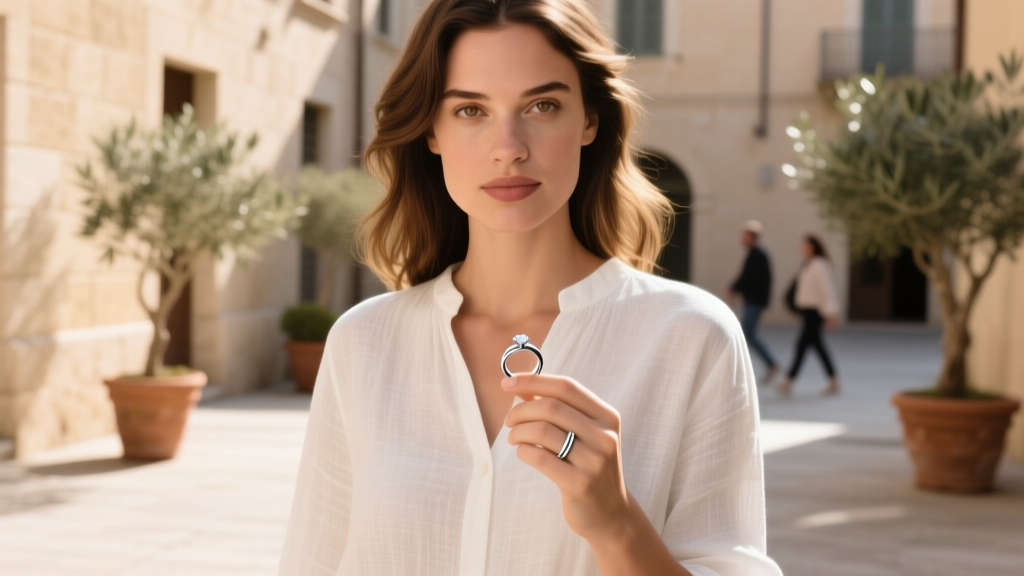
How to Choose an Engagement Ring for Active Lifestyles
If your days involve workouts, hiking trails, lifting at the gym, working with your hands, or chasing kids and pets, your engagement ring has to do more than sparkle. It needs to stay comfortable, resist daily knocks, and protect the center stone you love—without feeling like something you have to “babysit.”
Active couples often discover that the ring styles that look stunning in a jewelry case can snag on clothing, scratch easily, or loosen over time when exposed to impact and wear. The good news: with the right metal, setting, and craftsmanship choices, you can have a beautiful engagement ring that fits an active lifestyle and still feels timeless.
This guide breaks down the most durable metals, best protective settings, practical gemstone choices, and the quality factors that matter most when you live life on the go.
Start With Lifestyle: What “Active” Really Means for a Ring
“Active” can look different depending on your routine. Before choosing a setting or diamond shape, think about the most demanding moments your ring will face.
High-impact activities
Weightlifting, CrossFit, climbing, contact sports, and certain manual trades can put your ring at risk for bending, stone loosening, or finger injury. Many people in this category prefer a low-profile engagement ring or reserve a silicone band for workouts.
Hands-on work and daily wear
Nursing, teaching, cooking, gardening, or frequent cleaning exposes rings to knocks and chemicals. Here, durability and easy maintenance matter most—especially for prongs, pavé, and delicate bands.
Outdoor and travel lifestyles
Frequent hiking, swimming, travel, and sunscreen use can dull sparkle and create buildup under the stone. A secure setting and a metal that holds up to weather and water is key.
Best Metals for Active Lifestyles (Durability vs. Maintenance)
The metal you choose affects scratch resistance, long-term shape, and how well prongs hold a gemstone. For active wearers, prioritize toughness and secure stone setting performance.
Platinum: Premium durability and prong security
- Why it works: Platinum is dense and naturally white. It tends to displace rather than chip away when scratched, which helps it hold prongs and stones securely over decades.
- Considerations: It develops a soft patina with wear (many love the lived-in look). It’s also typically the most expensive precious metal option.
- Best for: Prong settings, bezels, and anyone prioritizing long-term security.
14K Gold: The everyday sweet spot
- Why it works: 14K gold (yellow, white, or rose) is a strong alloy that balances durability and cost. It’s often more scratch-resistant than 18K gold due to a higher percentage of alloy metals.
- Considerations: White gold is usually rhodium plated for a bright white finish; expect re-plating every 1–3 years depending on wear.
- Best for: Most active lifestyles wanting a classic look with manageable upkeep.
18K Gold: Rich color, slightly softer
- Why it works: Luxurious, warm color and a high-end feel.
- Considerations: Softer than 14K, so it can show wear sooner—especially on thin bands or delicate pavé.
- Best for: Moderately active wearers who want the deeper gold tone and are willing to maintain it.
Titanium and tungsten: Better for wedding bands than gemstone settings
- Why they work: Great scratch resistance (tungsten) and lightweight comfort (titanium). Popular for modern men’s wedding bands and minimalist bands.
- Considerations: These metals are difficult or impossible to resize, and they’re not ideal for traditional prong work. Tungsten can crack under severe impact.
- Best for: Durable wedding bands or travel rings—less common for diamond engagement ring settings.
Gemstone Choices That Hold Up: Diamond, Moissanite, and More
When you’re active, gemstone toughness matters as much as beauty. “Hardness” (resistance to scratching) and “toughness” (resistance to chipping) both play a role.
Diamonds: Classic, hard, and versatile
Diamonds rank 10 on the Mohs hardness scale and remain the top choice for an engagement ring meant for daily wear. For active lifestyles, prioritize a well-proportioned cut and a secure setting more than chasing the largest carat size.
Moissanite: High sparkle and excellent wearability
Moissanite (Mohs 9.25) is very durable for everyday wear and offers bold brilliance. It’s a popular current trend for couples who want a larger look at a lower price point than a natural diamond.
Sapphires and rubies: Strong, colorful alternatives
Sapphire and ruby (both corundum, Mohs 9) are strong choices for active wearers who love color. Sapphire engagement rings—especially deep blue, teal, and champagne hues—are a lasting classic with a modern edge.
Stones to avoid for very active wear
Opal, pearl, emerald, and tanzanite are more prone to scratching or chipping. They can still work in an engagement ring with careful wear and protective settings, but they’re not the best “set it and forget it” stones for an active lifestyle.
Choose a Setting That Protects the Stone (and Your Hands)
The setting is the real workhorse. For active couples, focus on low-profile designs that reduce snagging and shield vulnerable edges.
Bezel setting: Maximum protection, sleek and modern
A bezel wraps metal around the stone’s perimeter, helping prevent chips and keeping the ring smooth against clothing and gloves. It’s a top pick for nurses, athletes, climbers, and anyone hard on jewelry. Bezel-set diamonds and sapphires also pair well with contemporary wedding bands.
Low-profile prong setting: Classic look with smarter engineering
If you love the traditional solitaire engagement ring, ask for a low-set head with sturdy prongs. Consider:
- Six prongs instead of four for round stones (extra security if one prong gets damaged)
- Double/claw prongs for additional hold, especially on corners
- Thicker prongs for longevity (dainty prongs wear down faster)
Best settings for fancy shapes (oval, pear, princess, marquise)
Fancy cuts can be durable, but their pointed ends are vulnerable. For active lifestyles:
- V-prongs protect points on pear, marquise, and princess cuts
- Bezel or half-bezel adds strong edge protection
- Avoid very high halos if you snag often; choose a flush, low halo if you love that look
Pavé and micro-pavé: Beautiful, but higher maintenance
Pavé engagement rings are on-trend for their extra sparkle, but small stones can loosen with frequent impact. If you love pavé, choose:
- A slightly wider band (around 1.8–2.2mm+ depending on design)
- High-quality craftsmanship with secure bead or shared prong work
- Regular checkups to prevent missing stones
Diamond Cut, Clarity, and Shape Tips for Active Wearers
Choose shapes that hide wear and stay secure
- Round brilliant: Most classic and forgiving; no corners to chip; excellent sparkle.
- Oval and cushion: Trend-forward yet timeless; look larger for their carat weight.
- Princess and pear: Gorgeous, but protect corners/points with V-prongs or bezels.
- Emerald cut: Sleek and timeless, but step cuts can show scratches and inclusions more easily; requires thoughtful clarity selection and careful setting.
Clarity and color: Spend where it shows
Active wearers often get better value by choosing a diamond that looks clean to the naked eye rather than paying for ultra-high grades:
- Clarity: Many buyers find VS2–SI1 offers excellent value if eye-clean.
- Color: In white metals, G–I is a popular range; in yellow or rose gold, you can often go H–J and still look bright.
- Cut: Prioritize cut quality for brilliance—especially with round stones (look for Excellent/Ideal cut ranges depending on lab).
Practical Buying Tips: What to Ask a Jeweler
- Ask about ring height: Request a low-profile engagement ring if you snag sleeves or gloves.
- Confirm prong style: Six prongs for rounds, V-prongs for points, heavier prongs for longevity.
- Check band width/thickness: Ultra-thin “dainty” bands can bend with active wear. Many active shoppers prefer a sturdier shank.
- Look for comfort fit: A comfort-fit interior is smoother and can feel better during long days.
- Verify matching with a wedding band: If you want a flush wedding band, consider a low cathedral with clearance, a contoured band, or a bezel that sits neatly.
- Choose a reputable grading report: For diamonds, labs like GIA or IGI are commonly used in the market; understand what your report includes.
Care and Maintenance for Active Lifestyles
Daily habits that prevent damage
- Remove your ring for weightlifting, heavy gripping, or power tools to prevent bent prongs and ring deformation.
- Avoid chlorine and harsh cleaners; they can damage metals and dull stones.
- Store your ring in a soft pouch or separate box compartment to avoid scratching other jewelry.
Cleaning at home
For diamonds, moissanite, sapphires, and rubies: warm water, mild dish soap, a soft toothbrush, and a gentle rinse usually restores sparkle. Dry with a lint-free cloth. Skip abrasive toothpaste or harsh chemicals.
Professional checkups
For active wearers, have prongs and settings inspected every 6–12 months. This is especially important for pavé rings or any prong-set center stone. Catching a loose prong early is the difference between a simple repair and a lost diamond.
Price Range Considerations and Value Tips
Engagement ring budgets vary widely, but active-lifestyle choices can help you spend smarter without sacrificing beauty.
- Best value durability: A 14K gold setting with a secure low-profile head often delivers excellent long-term wear at a moderate price.
- Where to invest: Put money into setting quality and cut (for sparkle). A well-made setting protects your gemstone and reduces repair costs over time.
- Consider moissanite or lab-grown diamonds: Both are popular current trends for maximizing size and brilliance while keeping costs down.
- Skip fragile upgrades: Ultra-thin bands and high, delicate halos can add repair risk. Choose sturdier craftsmanship for true everyday wear.
- Think about future resizing: If you anticipate resizing, confirm the metal and design can accommodate it (some eternity styles and alternative metals cannot).
Common Mistakes to Avoid
- Choosing height over practicality: A tall setting can look dramatic but may snag constantly and take harder hits.
- Going too thin for daily wear: Dainty bands can bend, especially in softer metals or with large center stones.
- Ignoring pointed corners: Pear, marquise, and princess cuts need V-prongs or bezel protection for active lifestyles.
- Assuming “hard” means “indestructible”: Even diamonds can chip if hit at the right angle.
- Overlooking maintenance needs: Pavé rings and prong settings require inspections—plan for them.
- Buying based only on carat size: A slightly smaller stone in a stronger setting often wears better and looks brilliant longer.
FAQ: Engagement Rings for Active Lifestyles
What is the most durable engagement ring setting?
A bezel setting is one of the most protective options because it surrounds the stone’s edges and reduces snagging. A well-built low-profile prong setting can also be very durable when designed with sturdy prongs.
Is platinum better than white gold for an active lifestyle?
Platinum is excellent for active wear because it’s dense and holds prongs securely over time. White gold is also a strong choice—especially 14K white gold—but it typically needs periodic rhodium re-plating to maintain its bright white color.
Which diamond shape is best for someone who uses their hands a lot?
Round brilliant is the most practical classic choice because it has no corners to chip and pairs well with secure prong or bezel settings. If you love fancy shapes, choose protective prongs (like V-prongs for points) or consider a bezel.
Are pavé engagement rings a bad idea for active people?
Not necessarily, but they’re higher maintenance. If you’re very active or frequently bump your hands, pavé can be more likely to lose small stones over time. Choose a well-made setting, avoid ultra-delicate micro-pavé, and schedule regular inspections.
Can I wear my engagement ring to the gym?
It’s usually better to remove it for weight training and heavy gripping. Besides potential ring damage, wearing a ring while lifting can cause finger injuries. Many active wearers switch to a silicone band during workouts and wear their engagement ring the rest of the time.
What’s a good compromise between trendy and timeless for active lifestyles?
A low-profile oval solitaire or bezel-set round diamond is a strong blend of current engagement ring trends and lasting style. Pair it with a simple wedding band or a subtle half-eternity band for a classic, wearable set.
Confident Next Steps: Build a Ring That Matches Your Real Life
The best engagement ring for an active lifestyle is the one you can wear confidently—comfortable on your hand, secure around the center stone, and built to handle everyday motion. Start by choosing a durable metal (often 14K gold or platinum), then prioritize a protective setting like a bezel or a thoughtfully engineered low-profile prong design. From there, pick a gemstone that fits your taste and your routine—diamond for classic durability, moissanite for high sparkle value, or sapphire for color with strength.
If you’re comparing engagement rings and wedding bands right now, keep your focus on craftsmanship, security, and wearability. Explore more jewelry guides, ring styles, and practical buying tips on weddingsift.com to find the set that fits your life beautifully.
More Articles
 DIY Wedding Flower Arrangements: Save $2,000 (2026)
 Who Wears a Wedding Band on the Right Hand and Why
 Wedding Band vs Engagement Ring: Key Differences Explained
 Wedding Ring Insurance Costs What to Expect
 Wedding Ring Tightening: 5 Safe Methods (2026)
 Men's Wedding Band Fit: The 5-Second Finger Test (2026)
 Alternative Engagement Stones Beyond Diamonds
 How to Clean and Maintain Your Wedding Rings at Home
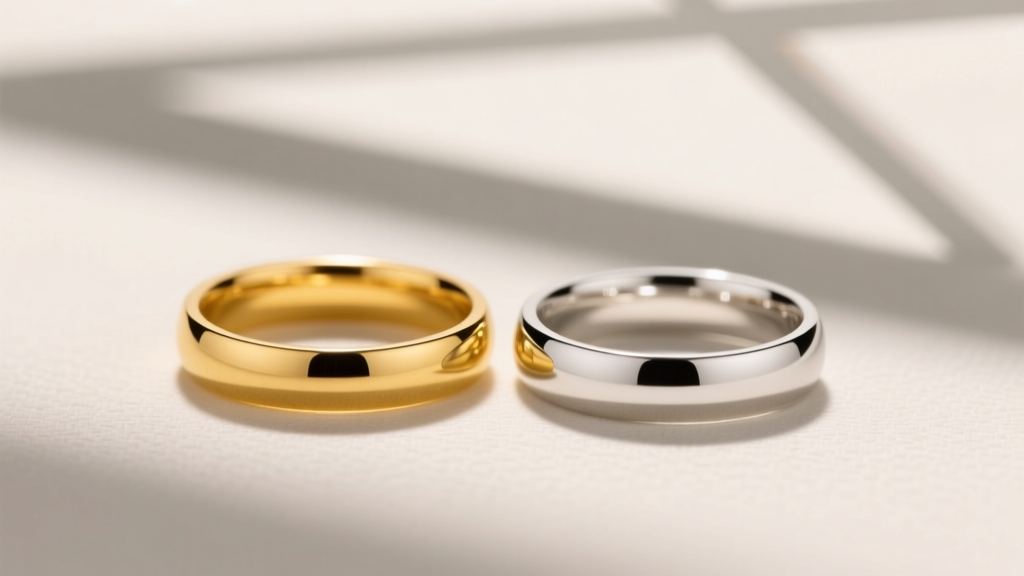 How to Choose Between Yellow Gold and White Gold Bands
 Kunzite Engagement Rings Delicate Pink to Violet