## The One Ring Rule Most Couples Get Wrong
You've said yes, you've planned the wedding, and now someone asks: *which finger does the wedding ring go on, and does it go above or below the engagement ring?* It sounds simple — but a surprising number of newlyweds second-guess themselves at the altar. Getting this right matters not just for tradition, but for comfort and the long-term condition of both rings. Here's everything you need to know.
---
## Which Hand and Finger to Wear Your Wedding Ring On
In most Western countries — including the United States, United Kingdom, Canada, and Australia — the wedding ring is worn on the **fourth finger of the left hand**, commonly called the "ring finger."
This tradition traces back to the ancient Roman concept of the *Vena Amoris* ("vein of love"), believed to run directly from that finger to the heart. While modern anatomy has debunked the literal vein, the tradition has endured for centuries.
**Exceptions by culture and country:**
- **Germany, Norway, Spain, India, Greece:** Wedding rings are worn on the **right hand**.
- **Jewish tradition:** The ring is placed on the right index finger during the ceremony, then often moved to the left ring finger afterward.
- **Same-sex couples and non-binary individuals:** Wear the ring on whichever hand feels meaningful — there is no single correct answer.
If you're unsure, follow the convention of your cultural background or simply choose what feels right for you as a couple.
---
## The Correct Order: Wedding Ring vs. Engagement Ring
This is where most people get confused. The widely accepted rule is:
> **The wedding ring goes on first (closest to the heart), with the engagement ring stacked on top.**
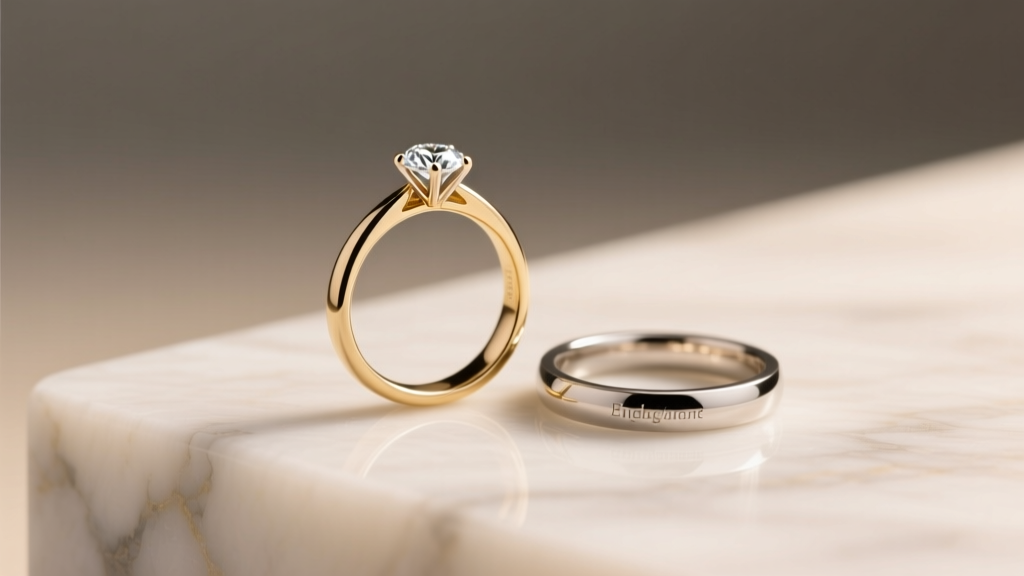
This means the wedding band sits between your engagement ring and your palm.
**How to achieve this at the ceremony:**
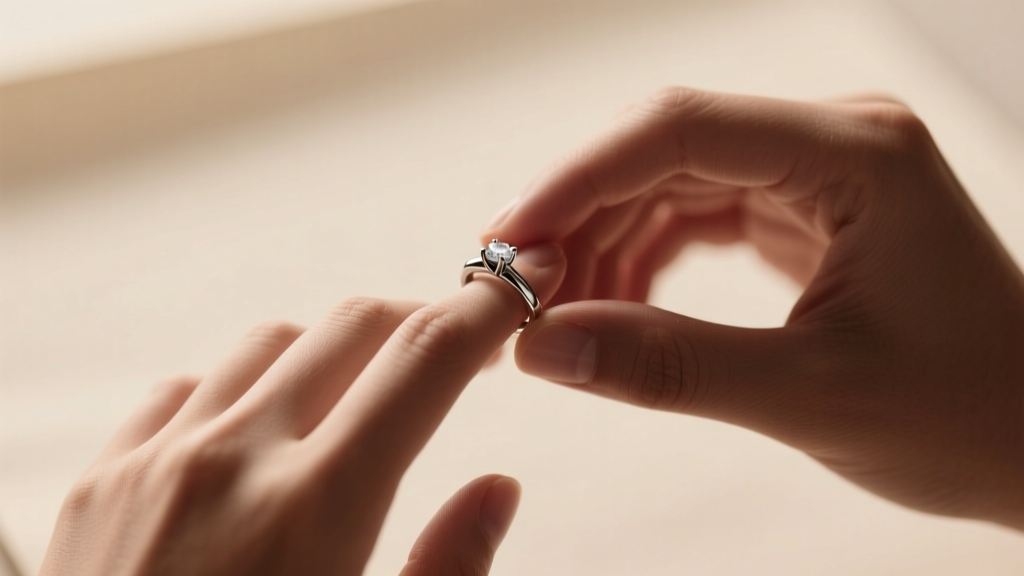
Before your wedding day, move your engagement ring to your right hand. During the ceremony, your partner places the wedding band on your bare left ring finger. After the ceremony, slide your engagement ring back on top of the wedding band.
This keeps the symbolic order intact without any awkward fumbling at the altar.
**Practical tip:** If your rings are soldered or designed as a set, the jeweler will have already determined the correct stacking order — check with them if you're unsure.
---
## Comfort, Fit, and Daily Wear Considerations
Knowing *how you're supposed to wear a wedding ring* is only half the battle — wearing it comfortably every day is the other half.
**Sizing matters more than you think.** Fingers swell in heat and shrink in cold. Have your ring sized at the end of the day when fingers are slightly larger for the most accurate fit. A properly fitted ring should slide over the knuckle with mild resistance and sit snugly without cutting off circulation.
**When to remove your wedding ring:**
- During heavy lifting or gym workouts (prevents "ring avulsion" injuries)
- When working with harsh chemicals or cleaning products
- While swimming in cold water (fingers shrink, rings slip off)
- During hands-on cooking or baking with dough
**Metal choice affects wearability:** Platinum and titanium are highly durable for daily wear. Yellow gold (especially 14k or 18k) is classic but softer. Rose gold is trendy but can show scratches faster. Choose based on your lifestyle, not just aesthetics.
---
## Stacking, Soldering, and Modern Ring Styles
Modern couples increasingly customize how they wear their rings:
- **Soldering:** Many couples solder their engagement ring and wedding band together after the wedding. This prevents spinning, keeps the order permanent, and reduces wear between the two rings. Cost: typically $45–$150 at a jeweler.
- **Curved or contoured bands:** Designed to nest perfectly against a specific engagement ring shape — ideal if your solitaire has a raised setting.
- **Solo wedding band:** Some people choose to wear only the wedding band daily and keep the engagement ring for special occasions, reducing wear on a more delicate stone setting.
- **Men's wedding rings:** Traditionally worn on the left ring finger in the US, though right-hand wearing is equally valid. Width (4mm–8mm) and metal choice are the main decisions.
---
## Common Myths About Wearing a Wedding Ring
**Myth 1: "You must never take your wedding ring off."**
This is romantic in theory but impractical — and potentially dangerous. Removing your ring during certain activities protects both the ring and your finger. A ring that gets damaged or causes injury isn't more meaningful for having stayed on. Wear it with intention, not obligation.
**Myth 2: "The engagement ring always goes on top."**
Many people assume the engagement ring — being the more decorative piece — should be the most visible, so it goes on top. But the traditional and most widely practiced convention is the opposite: the wedding band sits closest to the heart (nearest the palm), with the engagement ring above it. The wedding band's symbolic primacy is the reason for this order.
---
## Your Next Step
Wearing your wedding ring correctly comes down to three things: **the right finger for your culture**, **the right stacking order** (wedding band closest to the palm), and **a fit that works for your daily life**.
Before your wedding day, practice the ring swap — move your engagement ring to your right hand the morning of the ceremony so the moment feels natural. And if you haven't already, visit your jeweler to confirm both rings are properly sized and consider whether soldering them together is right for you.
Your rings are meant to be worn comfortably for a lifetime. A little preparation now makes all the difference.
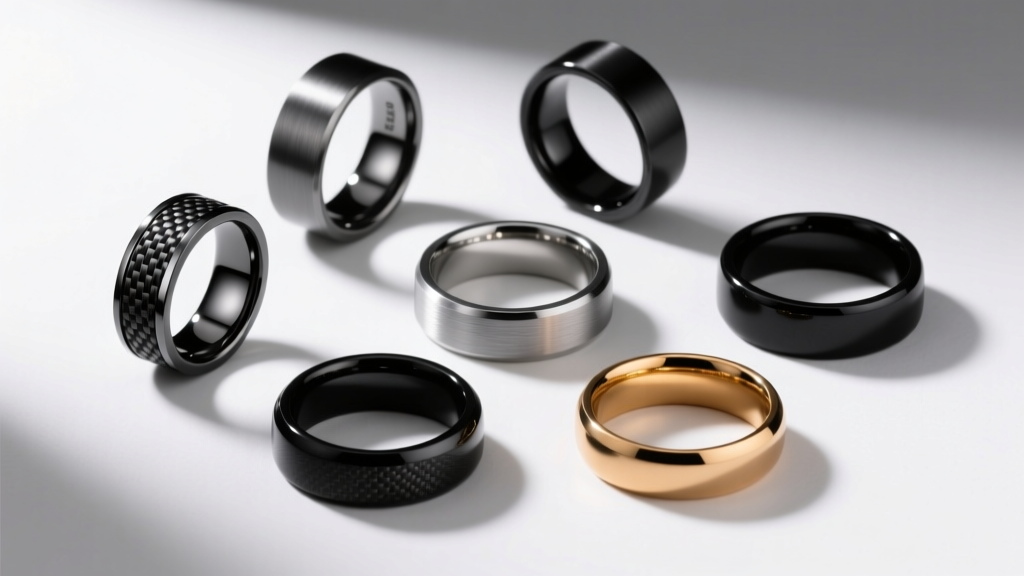 Men's Black Wedding Bands: 7 Materials Explained
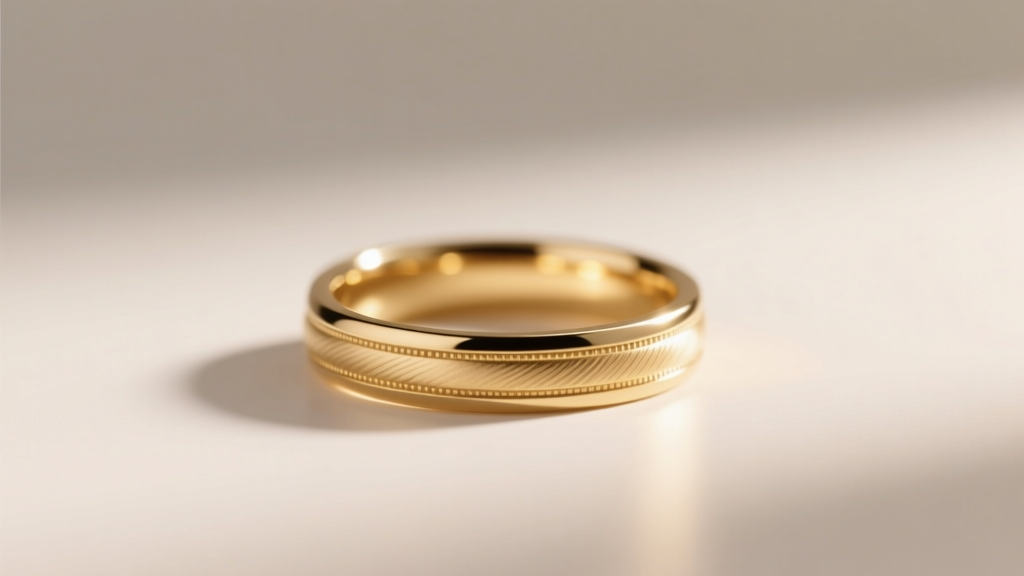 Gold in Wedding Rings: Karats, Weight & Real Cost
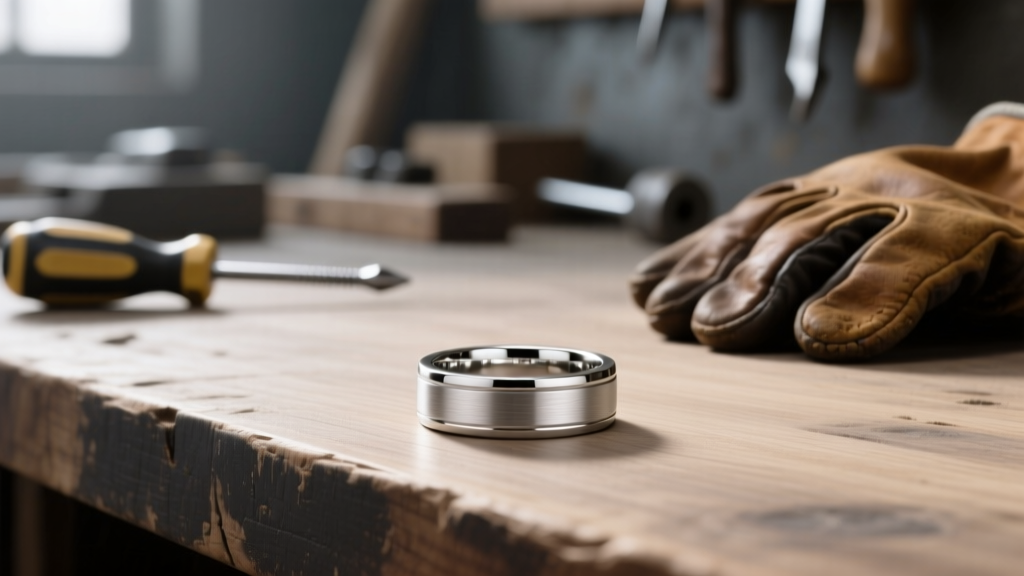 How Much Does a Men's Wedding Ring Weigh? (2026)
 Pear-Shaped Diamonds Teardrop Elegance
 Black Wedding Band Meaning: 7 Truths (2026)
 Can You Wear a Wedding Ring in an MRI? (2026)
 Do Jews Wear Wedding Rings? The Truth Behind the Tradition
 Can You Use Engagement Ring as Wedding Band?
 How to Choose a Wedding Band With a Polished Finish
 Wedding Ring Resizing: Safe, Affordable & Which Metals Work