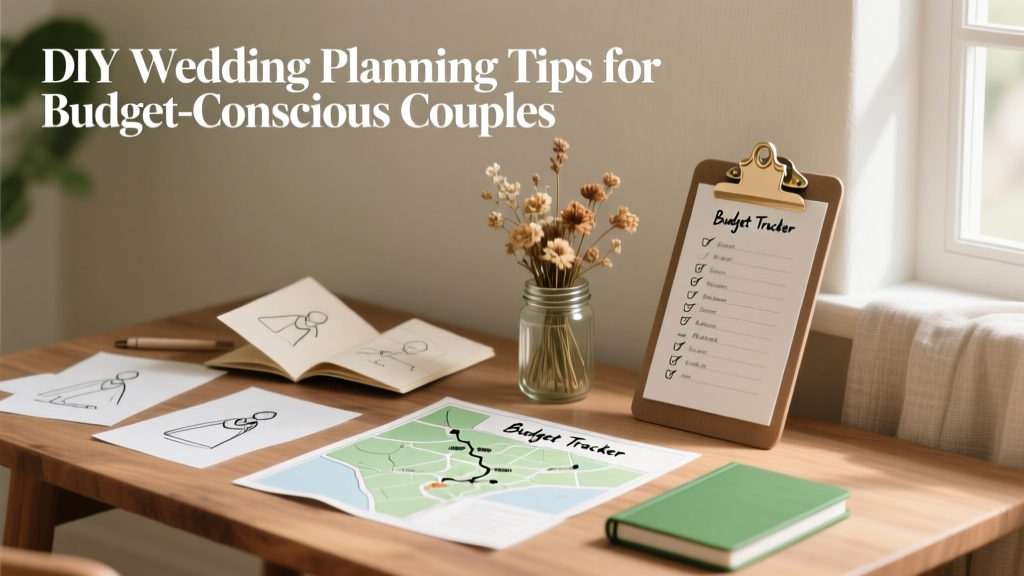
DIY Wedding Planning Tips for Budget-Conscious Couples
You’re engaged, you’re excited, and then you start pricing things out… and suddenly it feels like every napkin, chair, and flower comes with a “wedding tax.” If you’re trying to plan a meaningful celebration without draining your savings, you’re not alone. Many couples want a day that feels beautiful and personal—and also want to keep their finances (and sanity) intact.
The good news: DIY wedding planning can absolutely work for budget-conscious couples, as long as you DIY the right things. The most successful “budget weddings” aren’t the ones where couples try to do everything themselves—they’re the ones where couples make smart trade-offs, focus on guest experience, and build a realistic timeline and budget from the start.
This guide walks you through practical, planner-approved ways to plan a wedding on a budget: where to spend, where to save, what you can DIY safely, and how to stay organized. Think of it as your friendly wedding planner checklist—minus the pressure.
Start With Your Priorities (So Your Budget Has a Backbone)
Before you open a spreadsheet or start pinning centerpieces, get aligned as a couple. This step prevents the most common budget issue: spending money on things you don’t actually care about.
The 20-Minute “Top 3” Priority Exercise
- Individually list the top three things you care about most for the wedding (examples: food, photos, live music, intimate guest list, gorgeous venue, cultural traditions).
- Compare lists and circle overlaps.
- Decide together:
- Two “splurge” areas (where you’ll spend to get what you want)
- Two “save” areas (where you’ll simplify or DIY)
- One “must-have” non-negotiable (a tradition, a person, a feeling you want the day to have)
Real-world example
Maya & Chris cared most about guest experience and photos. They chose a simple, affordable venue (a community hall) and put extra budget into a great photographer and a generous taco bar with margaritas. They skipped wedding favors and did playlists instead of a live band—guests still raved because the food and energy were strong.
Build a Budget That Matches Real Prices (Not Guesswork)
A budget is more than a total number—it’s a plan for where the money will go. If you don’t assign categories early, small purchases can quietly snowball (hello, late-night Amazon carts).
Budget categories to include
- Venue + rentals (tables/chairs/linens, if needed)
- Catering + bar (including staffing, service fees, tips)
- Photography/videography
- Attire (outfit alterations, accessories)
- Flowers & decor
- Music (DJ/band or equipment rentals)
- Stationery (save-the-dates, invitations, signage)
- Officiant (plus marriage license)
- Hair & makeup
- Transportation
- Gifts & tips (for wedding party, vendors, helpers)
- Contingency (aim for 5–10% for surprises)
Pro tip: price by guest first
If you’re trying to plan a wedding on a budget, your guest count is your biggest cost lever. Even small changes add up quickly:
- Dropping 15 guests might save: catering + rentals + invites + favors + bar (often hundreds to thousands)
- Switching from plated dinner to buffet or family-style can save on staffing
Budget reality check checklist
- Have you included tax and service charges?
- Do vendor quotes include setup/cleanup?
- Did you budget for delivery fees (flowers, rentals, dessert)?
- Are you assuming friends will “help”? (More on this below.)
A Smart Wedding Planning Timeline for DIY Couples
DIY planning usually takes more time than couples expect—mostly because you’re doing the coordinating that a planner or full-service venue would normally handle. Here’s a realistic timeline that keeps you on track without feeling overwhelming.
12–9 months out
- Set budget + rough guest count
- Choose date(s)
- Book: venue, photographer, caterer (or restaurant drop-off), DJ/band (or rental equipment)
- Decide ceremony style (religious, civil, friend officiant)
8–6 months out
- Book: hair/makeup, officiant, rentals
- Choose attire and order early (alterations take time)
- Send save-the-dates (or create a wedding website)
5–3 months out
- Plan DIY decor projects (and test them!)
- Finalize menu + bar plan
- Order invitations
- Create day-of timeline draft
2 months out
- Collect RSVPs, finalize guest count
- Confirm rentals and floor plan
- Do a “full look” trial: outfit + shoes + accessories
- Assign roles for setup/cleanup (not you)
2 weeks to wedding week
- Confirm all vendors in writing
- Create tip envelopes
- Print signage and seating chart
- Pack an emergency kit
- Hand off the timeline to a trusted coordinator (even a friend with a clipboard)
DIY What Makes Sense: High-Impact, Low-Stress Projects
The best DIY wedding ideas are the ones that look great, don’t risk your timeline, and don’t require professional-level tools. Here are budget-friendly DIY categories that tend to pay off.
1) Invitations and wedding stationery
- Use an online template for invites and programs
- Skip multiple inserts and use a wedding website for details
- Print signage (welcome sign, bar menu, seating chart) at a local print shop
Scenario: If you’re inviting 120 guests, trimming your invitation suite from 4 cards to 1 card + website can cut printing and postage noticeably.
2) Decor that’s reusable and easy to set up
- Candles (check venue rules)
- Simple bud vases
- String lights for evening ambiance
- Table numbers in frames
- Photo displays of family weddings
Planner pro tip: Choose decor that can be set up in under 90 minutes by a small team. If it requires precise measuring, ladders, or complex assembly, it’s not a good DIY candidate.
3) Flowers (with guardrails)
DIY wedding flowers can save money, especially if you focus on simpler designs.
- DIY: bud vase centerpieces, greenery runners, simple bridesmaid bouquets
- Consider outsourcing: bridal bouquet, large ceremony installs, anything that needs mechanics
Smart approach: Order from a grocery store florist or local flower market, then arrange the day before with a small team.
4) Dessert table instead of a big custom cake
- Sheet cake in the kitchen + small cutting cake for photos
- Cupcakes, donuts, or cookies from a local bakery
Scenario: A couple with 80 guests orders a small two-tier cake for cutting and adds assorted mini desserts from their favorite bakery—guests get variety and you reduce the premium cake cost.
Where Budget Couples Should Avoid DIY (It Can Cost More Later)
Some DIY choices feel money-saving upfront but create stress, timeline delays, or last-minute expenses.
Risky DIY areas
- Day-of coordination (you need someone running the show so you can enjoy it)
- Complex catering (cooking for guests is rarely worth it)
- Hair and makeup if you don’t do it regularly
- Large-scale florals (arches, hanging installs, foam-free mechanics)
- Sound setup for ceremony (microphones matter more than you think)
Planner workaround: “partial outsourcing”
- Hire a day-of coordinator or a trusted coordinator-like friend + pay them
- Do drop-off catering from a restaurant and hire staff for setup/serving
- Rent a simple PA system and assign one person to manage it
How to Save Money Without Making the Wedding Feel “Cheap”
Guests remember how your wedding felt: if they were comfortable, fed, and included. You can absolutely keep costs down while still delivering a beautiful experience.
High-impact ways to save
- Choose off-peak dates/times: Friday, Sunday, or brunch weddings often cost less
- Use a venue that includes basics: tables, chairs, linens, sound system
- Limit the bar: beer/wine + one signature cocktail can feel intentional and festive
- Shorten the guest list: invite your “true circle”
- Focus your florals: a statement ceremony piece + simple tables
- Skip favors: most are left behind; put that money into dessert or late-night snacks
Real-world example
Elena & Jordan wanted a garden vibe but didn’t have a garden budget. They booked a daytime wedding at a local botanical venue (lower rate before evening events), used bud vases with seasonal blooms, and spent their “splurge” on a fantastic photographer. The result looked upscale because the setting did the heavy lifting.
Your DIY Wedding Planning Checklist (Copy/Paste Friendly)
Planning & logistics
- Set budget, guest count, and priorities
- Book venue and key vendors
- Create a shared planning folder (contracts, receipts, inspiration)
- Build a day-of timeline
- Assign setup and cleanup teams
- Plan transport and rain backup (if outdoors)
DIY project management
- List every DIY item (signage, centerpieces, favors, etc.)
- Add costs and supplies (including tools like glue guns, cutters, tape)
- Set deadlines for each item (finish at least 2 weeks early)
- Do one “mock table” to test the full look
Money management
- Track spending weekly
- Keep a 5–10% buffer for surprises
- Clarify payment schedules and tips
- Avoid last-minute rush shipping fees
Common Mistakes Budget Couples Make (And How to Avoid Them)
Mistake 1: Underestimating time costs
If a DIY project takes 3 hours for one centerpiece “trial,” multiply that by your table count—and your real life schedule.
- Fix: Choose simple designs, batch tasks, and set a hard “stop DIY” date.
Mistake 2: Buying decor before choosing a venue
That arch, those lanterns, those table runners—none of it matters if your venue layout or rules don’t match.
- Fix: Book venue first, then design to the space you actually have.
Mistake 3: Forgetting delivery/setup/cleanup logistics
Even budget weddings need a plan for who picks up rentals, who sets up, and who returns items.
- Fix: Create a “who does what” list with times and contact numbers.
Mistake 4: Relying on friends without clear roles
Your friends want to celebrate you—not work a shift without knowing it.
- Fix: Ask early, be specific, and consider paying a coordinator or a helper stipend.
Wedding Planner Pro Tips for a Smooth DIY Wedding Day
- Create a vendor contact sheet with arrival times, phone numbers, and point person.
- Pack a “details box” for your photographer: invitations, rings, vow books, keepsakes.
- Label everything (decor bins, signage, table numbers) so helpers don’t guess.
- Build in buffer time—at least 15 minutes between major moments.
- Do one walkthrough (even a casual one) to spot layout issues early.
- Feed your vendors if they’re working through dinner—happy vendors = smoother day.
FAQ: DIY Wedding Planning on a Budget
How do I plan a wedding on a budget without sacrificing the “nice” feel?
Focus on what guests experience most: comfortable seating, good food, clear sound for the ceremony, and a welcoming flow. Use your venue’s natural beauty, keep decor simple, and put your budget into one or two areas that matter most to you (often photography and food).
What’s the biggest cost saver: DIY projects or cutting the guest list?
Almost always the guest list. DIY can help, but reducing the guest count lowers multiple categories at once (food, rentals, invitations, bar). If you need major savings, start there.
Is it worth hiring a day-of coordinator for a DIY wedding?
Yes, if you can make it work. A day-of coordinator (or a trusted paid helper) protects your timeline, manages vendor questions, and handles problems quietly. It’s one of the best “sanity-saving” expenses for DIY couples.
How far in advance should I start DIY decor?
Start planning DIY decor about 4–6 months out, but aim to finish projects at least 2 weeks before the wedding. Anything that requires assembly the week-of tends to create stress and last-minute spending.
What are budget-friendly alternatives to a full open bar?
Consider beer and wine only, or beer/wine plus one signature cocktail. You can also host an “open bar for one hour” during cocktail hour, then switch to cash bar (if your crowd and venue are comfortable with it).
Can I DIY my wedding flowers successfully?
Yes—if you keep it simple and plan ahead. Bud vases and small bouquets are very doable. For large installations or anything time-sensitive on the wedding morning, consider hiring a florist for those pieces and DIY the rest.
Next Steps: Make Your Plan Feel Doable This Week
If you’re feeling overwhelmed, bring it back to a few small moves that create momentum:
- Do the Top 3 priorities exercise together.
- Set a guest count range (even a rough one).
- Draft your first budget with a 5–10% buffer.
- Book your venue and photographer (these shape everything).
- Choose two DIY projects you’re genuinely excited about—and skip the rest.
You can absolutely plan a beautiful wedding without overspending. A budget-friendly DIY wedding isn’t about doing everything yourself—it’s about making thoughtful choices, keeping the plan realistic, and protecting your peace along the way.
Planning more details? Explore more budget wedding tips, timelines, and checklists on weddingsift.com—we’re cheering you on every step of the way.
More Articles
 Can You Wear White for a Second Wedding? (2026)
 Rolls Royce Wedding Rental Cost (2026)
 Wedding Ring Cost: Real Affordability Guide (2026)
 Wedding Knot Tying: Simple Step-by-Step (2026)
 Are Photo Booths Worth It for Weddings? (2026)
 Wedding Planning Tips From Professional Planners
 Wedding Haircut Timeline: When to Get It (2026)
 White Wedding Attire: What to Wear Instead (2026)
 80 lb Cardstock for Wedding Invitations: Truth & Best Weight
 Amazon Wedding Registry: Add Items in 2026 (7 Steps)