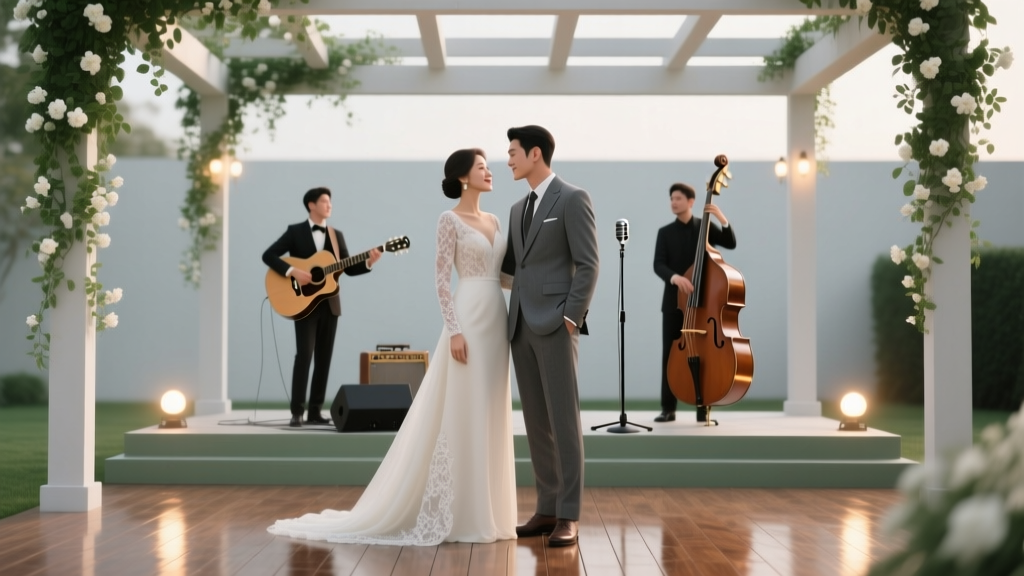
How to Plan a Wedding With a Live Band
You’ve probably pictured it: the first dance starts, the singer leans into the mic, and suddenly the room feels like a scene from a movie. A live band can bring that kind of magic—real energy, real emotion, and a dance floor that feels alive.
But planning a wedding with a live band also comes with a few extra moving parts. Couples often tell me they’re excited… and a little nervous. Will the band fit the vibe? What if they’re too loud for the venue? How do you time the big moments? The good news is that when you plan it thoughtfully, a live band becomes one of the best “worth it” decisions you’ll make.
This guide walks you through everything: how to choose the right band, what to ask before you sign a contract, how to build your timeline, and the little details that keep the night smooth and unforgettable.
Why Choose a Live Band for Your Wedding?
A great wedding band does more than play songs—they read the room, keep guests engaged, and create a shared experience that’s hard to replicate.
- High-energy moments feel bigger (grand entrance, first dance, final song)
- Flexible pacing: bands can extend a chorus, slow a tempo, or shift styles if the crowd changes
- Built-in entertainment that feels elevated and memorable
- Personalization: custom arrangements and live vocals make songs feel like “yours”
Real-world scenario: If your guest list includes a mix of older relatives and a younger friend group, a skilled band can rotate through Motown, classic rock, 2000s throwbacks, and current hits in a way that keeps everyone on the dance floor—without the vibe whiplash a playlist can create.
Step 1: Match the Band to Your Wedding Style and Guest List
Start with your vibe
Before you reach out to bands, define the experience you want. A band for a black-tie ballroom wedding often looks different than a band for a backyard tented reception.
- Classic/Black-tie: 8–12 piece band, horns, polished MC, tight set transitions
- Modern party vibe: 5–7 piece band with strong lead vocalist(s), DJ-style mashups, high interaction
- Indie/alternative: smaller ensemble, curated setlist, less “MC energy,” more concert feel
- Country/Southern: fiddle/steel guitar options, line-dance-friendly sets
Consider who’s in the room
Your band is essentially your dance floor strategist. Think through:
- How many guests are likely to dance?
- Are there a lot of kids/teens?
- Do your guests love sing-alongs or prefer background music and conversation?
- Is there a cultural mix (Latin, Bollywood, Greek, etc.) that you want represented?
Example: If you’re planning a wedding where half the guests are big dancers and half are more “hang by the bar,” ask the band about building sets that start approachable (Motown, wedding classics) and ramp up later (club hits, high-energy medleys).
Step 2: Budgeting for a Wedding Band (What Couples Often Miss)
Live music can fit a range of budgets, but it helps to understand what drives pricing so you can plan smartly.
Typical cost factors
- Number of musicians (more players = bigger sound, higher cost)
- Date and season (peak Saturdays and holiday weekends cost more)
- Travel and lodging if they’re coming from out of town
- Production needs (sound system, lighting, stage, microphones)
- Performance length (4 hours vs. 6 hours, ceremony + cocktail hour add-ons)
Hidden line items to plan for
- Overtime (what it costs if your reception runs long)
- Sound technician (some bands require you to hire one separately)
- Lighting upgrades (uplighting, dance floor lighting, spotlight for first dance)
- Meals (vendor meals for each band member, often required in the contract)
- Power requirements (generators or extra circuits for outdoor/tented venues)
Budget tip: If you want the live-band feel but need to manage costs, consider a smaller band for dancing (4–6 pieces) and use curated playlists for cocktail hour and dinner—or choose a band that offers “band + DJ” services so the energy stays high even during breaks.
Step 3: How to Find and Vet the Right Wedding Band
Where to look
- Venue recommended vendor lists (often already familiar with sound rules and load-in)
- Your planner’s network
- Local wedding reviews and real wedding videos
- Friends’ weddings (ask what they loved and what they’d change)
What to review before a call
- Live performance footage (not just highlight reels—ask for a full song or two)
- Song list and genres covered
- Band size options and how it changes the sound
- MC style (some are hype-focused, others more subtle)
Questions to ask during band interviews
- Who will be performing on our date? Is it the same lineup in the videos?
- How do you handle song requests and do-not-play songs?
- Can you learn our first dance song? Is there a fee?
- How many breaks do you take, and what music plays during breaks?
- Do you provide sound equipment for speeches and ceremony?
- What are your space needs (stage size, power, load-in time)?
- Do you carry liability insurance?
Planner pro tip: Ask, “How do you handle a dance floor that’s slow to start?” The best bands will explain how they build momentum—starting with familiar, cross-generational songs before moving into higher BPM party tracks.
Step 4: Contracts, Logistics, and Venue Coordination
This is where a little planning saves you a lot of stress later.
Confirm venue rules early
- Noise ordinances or decibel limits (especially outdoors)
- End time for amplified music
- Load-in route and timing (elevators, stairs, dock access)
- Stage location and whether it blocks guest flow
- Power access (dedicated circuits often needed)
Band essentials to lock in via contract
- Exact performance times and total hours
- Break schedule and break music plan
- Setup and soundcheck timing
- Payment schedule, deposit, and refund/cancellation terms
- Overtime rate and how overtime is approved
- What’s included: ceremony mics, cocktail hour set, MC services, lighting
Specific scenario: If your venue has a strict 10:00 p.m. sound cutoff, build your reception timeline so the band plays its biggest set from 8:30–10:00 p.m., then transition to a silent disco or an after-party at a nearby bar if you want to keep celebrating.
Step 5: Build a Timeline That Works With a Live Band
Your wedding reception timeline should protect the band’s energy and your guests’ experience. Aim for a natural flow: welcome, dinner, speeches, then a strong push into dancing.
Sample reception timeline (5-hour reception)
- 0:00 Grand entrance + first dance (or first dance after dinner if you prefer)
- 0:10 Welcome toast
- 0:15–1:15 Dinner (playlist or soft live set)
- 1:15–1:35 Speeches (use band sound system if available)
- 1:35–2:20 Band Set 1 (start dance floor building)
- 2:20–2:40 Break (playlist/DJ-style mix)
- 2:40–3:25 Band Set 2 (high energy)
- 3:25–3:40 Cake cutting or late-night snack + break
- 3:40–4:50 Band Set 3 (peak party + final song)
- 4:50–5:00 Last dance + send-off
Checklist: moments to coordinate with the band
- Grand entrance song
- First dance (and whether you want a shortened version)
- Parent dances
- Cake cutting
- Bouquet/garter (if doing)
- Last song of the night
- Any cultural traditions (hora, money dance, baraat-style entrance, etc.)
Planner pro tip: If speeches tend to run long in your families, place them before open dancing. Guests are more patient before the party starts—and your band can hit the dance floor hard without interruptions.
Step 6: Curate the Music (Without Micromanaging)
A live band shines when they have direction and freedom: you set the vibe, they make it feel effortless.
How to give the band what they need
- Your “must-play” list: 10–20 songs that fit your style
- Your “do-not-play” list: be honest (even if it’s a classic)
- Three vibe words: like “romantic, soulful, high-energy”
- Guest favorites: 5–10 songs you know will get your crowd moving
Real-world examples of smart guidance
- If you love pop-punk but your parents don’t: ask for a pop-punk mini-set later in the night when your friends are ready.
- If you want elegance during dinner: request jazz standards or acoustic covers until toasts are done.
- If you hate cheesy wedding clichés: tell the band you want minimal MC talk and no forced audience participation.
Song learning tip: If you’re asking for a custom first dance song, share the exact recording you love (link + timestamp). Some couples want the band to match a specific tempo or include a certain lyric moment for a dip or lift.
Step 7: Sound, Stage, and Guest Comfort
Great sound is the difference between “best wedding ever” and “we had to shout all night.”
Practical sound tips
- Ask about decibel management and whether the band uses in-ear monitors.
- Place the band strategically: not directly beside the oldest guests or against a reflective wall that amplifies noise.
- Use a soundcheck window if the venue allows it.
- Consider lounge seating slightly away from the dance floor for conversation.
Outdoor and tented wedding considerations
- Confirm power needs early (you may need a generator or additional power drops).
- Plan for weather: covered stage area, protected equipment, and safe cable management.
- Wind can affect sound—ask the band what they recommend for speaker placement.
Common Mistakes to Avoid (And What to Do Instead)
- Mistake: Booking the band before confirming venue sound rules.
Do instead: Ask the venue about decibel limits, end times, and power access first. - Mistake: Assuming the band will also handle ceremony microphones.
Do instead: Confirm ceremony audio support (mics, speaker, officiant setup) in writing. - Mistake: Overloading the must-play list with 50 songs.
Do instead: Choose your top favorites and let the band read the room. - Mistake: Scheduling speeches after the dance floor is packed.
Do instead: Put toasts before open dancing or between sets with a clear plan. - Mistake: Forgetting vendor meals and break music.
Do instead: Add band meals to your catering count and confirm how music continues during breaks.
Planner Pro Tips for an Incredible Live-Band Reception
- Anchor the night with 3 “moment songs”: grand entrance, first dance, last song. These are the memories guests keep talking about.
- Shorten formal dances if you’re nervous: a 90-second version still feels special and keeps energy moving.
- Ask for a set that starts mid-tempo: early dancing does better with familiar, singable tracks rather than the fastest club hits right away.
- Create a “no dead air” plan: playlist queued, MC cues written, and a point person (planner/MC) to keep transitions smooth.
- Have one decision-maker on wedding day: designate you, your planner, or a trusted friend to approve overtime or last-minute changes.
FAQ: Planning a Wedding With a Live Band
How far in advance should we book a wedding band?
For peak season Saturdays, aim for 9–12 months in advance (or earlier in major metro areas). For off-season dates or smaller bands, 4–8 months can work, but your options may be more limited.
Can a live band also act as the MC?
Many wedding bands include an MC (often the bandleader). Ask about their style—some couples want high-energy announcements, while others prefer minimal talking and simple cues.
What happens during the band’s breaks?
Most bands take 10–15 minute breaks per set. During breaks, you can use a DJ-style mix, a curated playlist, or have the band provide break music through their system. Confirm this in your contract so the dance floor doesn’t go quiet.
Should we still hire a DJ if we have a band?
Not always. If you want nonstop music and very specific late-night club tracks, a DJ add-on can be great. Some bands offer a “band + DJ” package that’s smoother and often more cost-effective than hiring two separate vendors.
Can a wedding band learn our first dance song?
Usually yes. Some bands include one learned song, others charge a fee depending on complexity. Share the exact version you love and ask whether they’ll match the original arrangement or create their own.
How do we keep the band from being too loud?
Choose a band experienced with weddings (they’re used to balancing dance floor energy with guest comfort). Ask about sound limits, in-ear monitoring, speaker placement, and whether they can adjust volume by room zones.
Your Next Steps (So This Feels Easy, Not Overwhelming)
If you’re ready to plan a wedding with a live band, start here:
- Confirm venue rules (sound cutoff, decibel limits, power access, load-in timing).
- Set your music budget range and decide band size priorities (bigger sound vs. lower cost).
- Shortlist 3–5 bands and watch real performance clips.
- Ask the right questions about lineup, breaks, MC style, and what equipment is included.
- Build a reception timeline that protects dancing (speeches earlier, strong final set).
- Send a clear music brief (must-plays, do-not-plays, vibe words, key moments).
You don’t need a perfect plan from day one—you just need a few smart decisions that set your band up for success. When the lights dim and the first chord hits, you’ll be glad you took the time to get the details right.
Want more practical planning support? Explore more wedding planning guides on weddingsift.com to keep your timeline, budget, and vendor decisions feeling calm and confident.
More Articles
 Wedding Dress Preservation: Worth It? (2026)
 Micro Wedding Guest Count: Data, Strategy & Framework
 What Is The Groom S Parents Responsible For In A Wedding
 Elegant Wedding Venue Ideas: 7 Budget Tactics (2026)
 Wedding Season 2026: Peak Months, Costs & Savings
 Wedding Signs Checklist: Must-Have Templates & Tips
 Wedding Photographer Hours: What You Really Need (2026)
 Do You Need to Preserve Your Wedding Dress? (2026)
 Creative Wedding Cash Gifts (2026)
 Wedding Speech Structure Framework (2026)