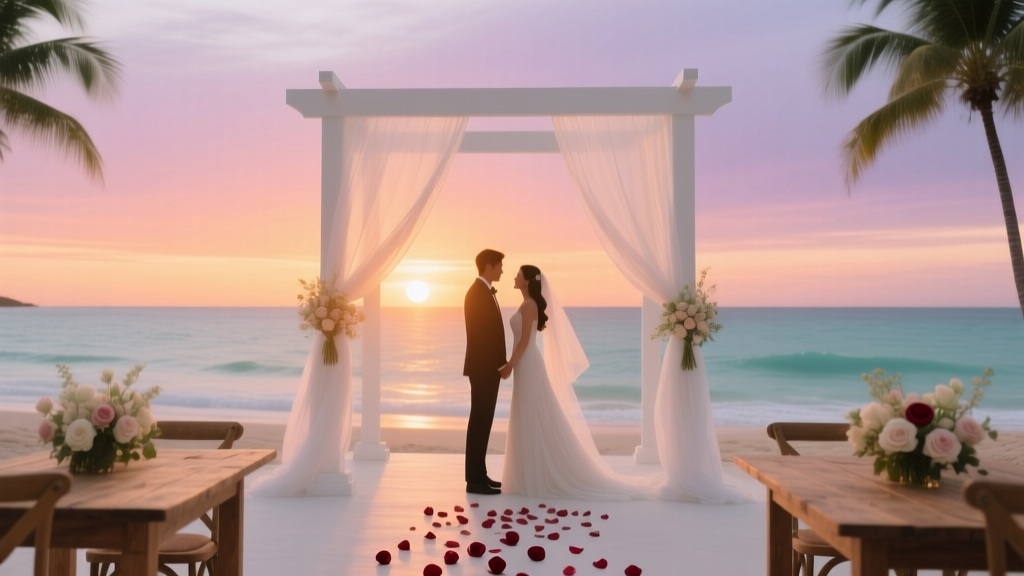
How to Plan a Wedding With a Sunset Ceremony
There’s something instantly cinematic about a sunset ceremony: the soft light, the golden glow on everyone’s faces, and that quiet pause in the day when everything feels a little more meaningful. If you’ve been picturing your vows with the sky turning pink behind you, you’re not alone—sunset weddings are popular for a reason.
They’re also a little trickier than a standard afternoon ceremony. Sunset changes every day, lighting fades fast, guests get hungry, and timelines can get tight. The good news? With the right plan, a sunset ceremony can feel effortless and magical—like the day simply unfolded exactly as it should.
This guide walks you through the logistics, timing, budget considerations, and the real-world decisions couples face when planning a wedding around sunset. Think of it like having a wedding planner friend in your corner, helping you avoid the usual pitfalls and get the glow you’re dreaming about.
Why Choose a Sunset Ceremony?
Before you build your timeline, it helps to know what you’re optimizing for. A sunset ceremony isn’t just about pretty photos—though yes, the photos can be unreal.
- Romantic atmosphere: Sunset naturally sets a warm, emotional tone.
- More comfortable temperatures: Especially helpful for summer weddings or outdoor venues.
- Flattering light for photography: “Golden hour” is a photographer’s favorite for a reason.
- A unique guest experience: It feels intentional and memorable, like you planned the day around a moment.
Trade-off: You’ll likely need a later start time, more lighting support, and a careful plan for guest comfort (food, flow, and warmth as the evening cools).
Step 1: Find Your Sunset Time (and Build the Whole Day Around It)
Sunset is not a vibe—it’s a specific time, and it changes by date and location. Start here before you book anything that depends on the ceremony time.
How to calculate your ideal ceremony start time
- Look up sunset time for your wedding date and location (many weather sites and photography apps list it).
- Decide what “sunset ceremony” means to you:
- Golden-hour ceremony: You start 45–75 minutes before sunset for warm light through vows.
- Sun-dipping ceremony: You start 20–40 minutes before sunset so the sun sets during or right after.
- Afterglow ceremony: You start right at sunset and lean into the soft twilight (more dramatic, but darker fast).
- Back up from the start time to schedule guest arrival, pre-ceremony music, and seating.
Quick rule of thumb: For a 20–25 minute ceremony, a start time about 30–45 minutes before sunset is often the sweet spot—romantic light without rushing.
Real-world example: Fall wedding with earlier sunset
Imagine you’re getting married in October and sunset is at 6:12 PM. A smooth plan might be:
- 5:15 PM: Guests begin arriving
- 5:45 PM: Ceremony starts
- 6:10 PM: Recessional + hugs
- 6:20–6:50 PM: Golden-hour portraits + cocktail hour
- 7:00 PM: Reception entrance + dinner
Notice the key: guests are never “waiting” while you chase light. The timeline gives you photo time without making the party feel paused.
Step 2: Choose the Right Venue for Sunset (Orientation Matters)
A sunset ceremony is only as good as your view—and the view depends on direction. The sun sets in the west, but the “best spot” varies by season, trees, buildings, hills, and coastline.
Venue features that make sunset weddings easier
- Clear western-facing space (ocean, lake, field, rooftop, vineyard edge)
- Backup indoor option with attractive windows or covered patio
- On-site lighting (string lights, bistro lights, uplighting, pathway lights)
- Nearby portrait locations so you’re not driving during golden hour
Ask these venue questions before you book
- Where does the sun set relative to the ceremony site?
- Are there any seasonal obstructions (trees with leaves, fields of tall grass, construction)?
- Is there noise or glare at that time (traffic, golfers, neighboring events)?
- What time do we have access for setup and photos?
- What lighting is included after dark, and what’s the power situation for rentals?
Scenario couples often face: You love the venue’s view, but the “pretty” ceremony lawn faces east—meaning you’ll be squinting into the sun if you place guests the wrong way. A simple fix is rotating the ceremony layout so guests face west and you face east, letting the sunset sit behind your guests rather than blasting them in the eyes.
Step 3: Build a Sunset-Friendly Wedding Day Timeline
This is the make-or-break section. Sunset ceremonies reward precision. You don’t need a strict minute-by-minute vibe, but you do want a timeline that protects the moments that matter—vows, photos, guest experience, and dinner.
A sample timeline that works for many sunset weddings
(Adjust based on your sunset time, travel, and whether you’re doing a first look.)
- 12:00–2:00 PM: Getting ready photos, details (invites, rings, attire)
- 2:00–3:00 PM: Hair/makeup finishing, dress on, final touch-ups
- 3:00–4:00 PM: First look + couple portraits (optional but helpful)
- 4:00–4:45 PM: Wedding party + family photos (if first look)
- 5:00 PM: Guests arrive, pre-ceremony drinks/water station
- 5:45 PM: Ceremony begins
- 6:10 PM: Ceremony ends, quick receiving line or private moment
- 6:15–7:00 PM: Cocktail hour + sunset portraits
- 7:00 PM: Reception entrance, first dance, welcome toast
- 7:20 PM: Dinner service begins
- 8:30 PM: Toasts, cake, open dancing
Pro timeline tips from wedding planners
- Consider a first look if you want relaxed portraits and more cocktail hour time with guests.
- Plan a “golden hour pocket” (15–25 minutes) for just the two of you. Your photographer will guide it quickly.
- Serve guests immediately after the ceremony (passed appetizers + drinks). Sunset ceremonies often happen later, and hunger is real.
- Make dinner earlier than you think if you have older guests or kids—7:00–7:30 PM dinner start is usually comfortable.
Step 4: Photography and Lighting—How to Get the Glow Without the Stress
Golden hour is short. Twilight is shorter. The goal is to plan so your photographer can capture the light while your guests feel cared for.
Work with your photographer on a “sunset plan”
Ask your photographer these questions during booking or your timeline call:
- What time should we start the ceremony for the best light?
- How much portrait time do you need at golden hour?
- Do you recommend a first look for this timeline?
- What lighting do you bring for reception coverage after dark?
Lighting upgrades that are worth budgeting for
- String/bistro lights: Makes outdoor receptions feel intentional, not “dark backyard.”
- Uplighting: Adds warmth and depth to indoor spaces once the sun drops.
- Pathway lighting: A safety and comfort must-have for evening events.
- Candles/lanterns (real or LED): Adds glow on tables and around lounge areas.
Budget note: If you’re choosing between extra florals and lighting, many planners will tell you lighting has a bigger impact on how the reception feels (and photographs) after sunset.
Step 5: Guest Comfort and Flow (So It Feels Like a Party, Not a Waiting Room)
Sunset ceremonies often push the day later. That’s fine—if you plan for it.
Keep guests happy with simple hospitality touches
- Pre-ceremony hydration: Water station, iced tea, or a signature lemonade
- Shade and seating: Particularly if guests arrive while the sun is still strong
- Warmth plan: Heaters, blankets, or a note in your dress code guidance for cooler evenings
- Bug control: Citronella, fans, or venue-approved repellents if you’re near water/grass
- Clear signage: “Ceremony this way,” restrooms, and bar/cocktail hour directions
Food timing: the most common sunset-wedding pain point
If your ceremony starts at 6:30 PM and dinner doesn’t start until 8:30 PM, guests will feel it. Fix it with one of these options:
- Heavier cocktail hour: More substantial passed bites (sliders, skewers, mini bowls)
- Welcome bites: A small grazing table available as guests arrive
- Earlier lunch guidance: A note on your wedding website: “We recommend a late lunch before the ceremony.”
Step 6: Ceremony Design for Sunset (Music, Layout, and Timing)
The best sunset ceremonies feel unhurried, but they’re usually tightly planned behind the scenes.
Sunset ceremony checklist
- Processional length: Keep it realistic (more attendants = more time)
- Microphone plan: Wind + outdoor spaces demand solid audio
- Aisle direction: Avoid guests staring into the sun
- Officiant positioning: Ensure faces are visible (great for photos)
- Unplugged ceremony sign: Helps keep faces clear and prevents screens in key moments
Real-world scenario: A longer ceremony + a fast-fading sunset
If your ceremony includes readings, cultural rituals, or multiple musical selections, you may need a slightly earlier start time. For example, a 35-minute ceremony that begins 15 minutes before sunset might end in dim light—beautiful, but challenging for photos and guest visibility. A planner fix is starting 45–60 minutes before sunset and using lighting (lanterns, aisle candles, or subtle uplights) to carry you through the last portion.
Weather, Plan B, and Seasonal Considerations
Outdoor sunset weddings can be dreamy—and unpredictable. Planning for changes doesn’t kill the romance; it protects it.
Seasonal tips
- Summer: Later sunsets mean later dinners; prioritize shade, water, and bug control.
- Fall: Earlier sunsets can make timing easier; plan for chilly temps after dark.
- Winter: Sunset may be very early; a “sunset ceremony” could happen at 4–5 PM, which can actually be guest-friendly.
- Spring: Weather swings are common; have a firm rain plan and communicate it.
Plan B that still feels intentional
- Covered patio ceremony: Keeps the outdoor feel with weather protection
- Indoor ceremony with big windows: Still captures glow and sky color
- Clear-top tent reception: Lets guests enjoy sunset and stars (budget higher, but stunning)
Budget consideration: Tents, heaters, and lighting can add up quickly. If your venue requires a tent as a rain plan, ask for rental quotes early so you’re not blindsided later.
Common Mistakes to Avoid (and What to Do Instead)
- Mistake: Starting the ceremony at “sunset” without considering how quickly light fades.
Do instead: Start 30–60 minutes before sunset for better photos and a calmer flow. - Mistake: Ignoring guest hunger because “cocktail hour will cover it.”
Do instead: Plan substantial appetizers or a welcome grazing option. - Mistake: Skipping lighting because the venue looks fine during the tour.
Do instead: Tour (or request photos) after dark and budget for bistro/pathway lights. - Mistake: Scheduling travel during golden hour (between ceremony and reception).
Do instead: Choose a venue with ceremony + reception on-site, or take portraits before the ceremony. - Mistake: Not having a clear rain plan.
Do instead: Decide your Plan B early and share it with vendors and guests.
Pro Tips to Make a Sunset Wedding Feel Effortless
- Build in “buffer time”: 10 minutes here and there saves the whole day when something runs long.
- Do a private last light moment: Step away for 5 minutes right after portraits to breathe together.
- Use your timeline like a hospitality tool: The best timelines keep guests fed, informed, and comfortable.
- Consider a planner or coordinator: Sunset timing is unforgiving; having a pro manage cues is worth it if your budget allows.
- Communicate dress code with the evening in mind: Guests appreciate knowing if it’ll cool off after sunset.
FAQ: Planning a Wedding With a Sunset Ceremony
What time should a sunset wedding ceremony start?
Many couples start the ceremony 30–60 minutes before sunset. That window usually gives you flattering light during vows and enough brightness afterward for family photos and the start of cocktail hour.
Should we do a first look for a sunset ceremony?
If you want a relaxed cocktail hour and more time with guests, a first look is often a great choice for sunset timelines. It allows you to take most portraits earlier, then sneak out for a short golden-hour session later.
How do we keep guests comfortable if the ceremony is later?
Plan for hunger, temperature changes, and visibility. Offer water and light bites before the ceremony, serve substantial appetizers at cocktail hour, and arrange lighting and heaters (or blankets) if the evening will cool down.
What if it’s cloudy or rains—will we still get sunset photos?
Cloudy skies can actually create gorgeous, soft light. If it rains, you may not see the sun, but you can still get romantic “after the storm” portraits and dramatic skies. The key is having a Plan B space that still feels special and looks good on camera.
Do sunset weddings cost more?
They can, mainly due to lighting rentals, potential tent/heater needs, and sometimes extended photography coverage into the evening. You can balance the budget by prioritizing lighting (high impact) and simplifying other décor elements.
How long should cocktail hour be if we’re doing sunset portraits?
Plan for 60–90 minutes. That gives you time for a quick portrait session while guests enjoy drinks and appetizers without feeling like the reception is delayed.
Your Next Steps: A Simple Sunset Ceremony Planning Checklist
- Look up the sunset time for your date and location.
- Choose your “sunset style” (golden hour, sun-dipping, or afterglow).
- Confirm venue orientation and a solid rain plan.
- Draft a timeline that protects: ceremony, guest arrival, cocktail hour, dinner.
- Align with your photographer on ceremony start time and golden-hour portraits.
- Budget for lighting, pathways, and guest comfort (warmth/bugs/hydration).
- Communicate timing and comfort notes on your wedding website.
A sunset ceremony is one of those choices that can make your wedding feel deeply personal—like the day is centered around a moment you’ll remember forever. With a clear timeline, thoughtful lighting, and a guest-friendly flow, you get the romance and the ease.
For more wedding planning timelines, ceremony tips, and reception ideas, explore the other planning guides on weddingsift.com.
More Articles
 Wedding Room Block Formula: Save $1,200+ (2026)
 Return Address on Wedding Invitations: 7-Step Checklist
 DIY Wedding Hairstyles for Medium Hair (2026)
 What to Wear for an Autumn Wedding (2026)
 Licensed Wedding Officiant: 5 Steps (2026)
 Who Puts Ring on First in Wedding? (2026)
 2026 Wedding Costs: 12 Real Couples’ Budgets
 Jolipoli Wedding Dress Cost in 2026
 How to Plan a Wedding in 6 Months Checklist (2026)
 Wedding Dresses Sold Per Year: 2026 Trends & Insights