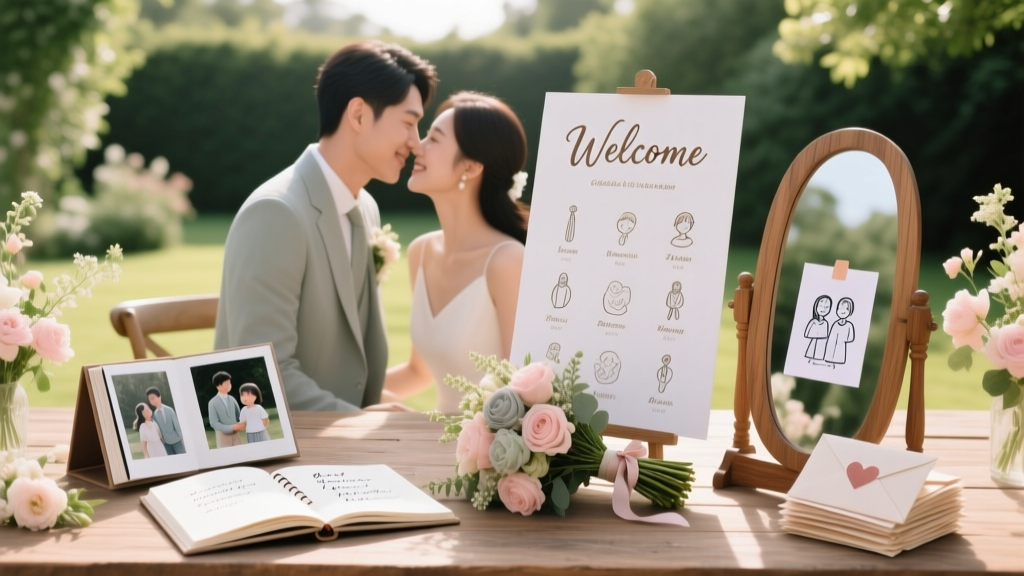
How to Plan a Wedding With a Personal Touch Everywhere
You know that feeling when you walk into someone’s home and immediately understand who they are—because of the photos on the wall, the music playing, the way they greet you, the little traditions you can sense without anyone explaining them? That’s what a wedding with personal touches everywhere feels like. Not “Pinterest-perfect,” not a copy-and-paste trend—just unmistakably you.
If you’re engaged and planning a wedding, you’ve probably already noticed the pressure: family opinions, budget constraints, and a flood of inspiration that can make you question what’s actually meaningful. The good news is you don’t need a huge budget or elaborate ideas to make your wedding personal. You just need intention—sprinkled thoughtfully across the day.
This guide will walk you through practical ways to create a wedding that reflects your story in the ceremony, reception, décor, guest experience, and even the logistics. You’ll get step-by-step planning help, realistic examples, common mistakes to avoid, and pro tips to keep your personalized wedding feeling cohesive (not cluttered).
Start With Your “Personal Touch” Blueprint (Before You Pick Décor)
Before you decide on a neon sign or specialty cocktail names, get clear on what “personal” actually means for you as a couple. This step saves money and prevents decision fatigue.
Step-by-step: Define your wedding identity in 30 minutes
- Write 5 words you want guests to feel (examples: cozy, joyful, elegant, playful, modern, romantic, family-centered).
- List 3 shared “us” things that shape your relationship (examples: Sunday hikes, salsa dancing, hosting game nights, long-distance love story, favorite city).
- Pick 1–2 themes of meaning to weave throughout the day (examples: “home,” “adventure,” “heritage,” “community,” “music”).
- Set a personalization budget (more on that below) so you can say yes to the right things and no guilt-free to the rest.
Budget tip: Create a “personalization fund” line item
Many couples overspend on random custom items because they didn’t plan for them. Add a dedicated line in your wedding budget—typically 3–8% of your total—for things like customized stationery, special guest experiences, heirloom details, or meaningful ceremony elements.
- On a $20,000 wedding: $600–$1,600 for personalization
- On a $40,000 wedding: $1,200–$3,200 for personalization
Personal Touches That Begin Before the Wedding Day
Your guests start forming feelings about your wedding the moment they receive your save-the-date. This is an easy place to show personality without a huge price tag.
Invitations & stationery that feel like you
- Use your story as design inspiration: skyline of where you met, a line drawing of your venue, or a pattern inspired by cultural textiles.
- Write a meaningful detail card: include a short note like, “We’re skipping favors—your presence is the gift. Please take a photo from our memory table instead.”
- Add a “why this place matters” line: especially for destination weddings or hometown celebrations.
Real-world example: A couple who met while studying abroad used vintage postcard-style save-the-dates, then continued the “postcard” idea with table numbers featuring places they traveled together. Same idea, repeated in different ways—cohesive and personal.
Wedding website personalization (simple but powerful)
- Create a short “Our Story” section that feels like your voice—not a resume.
- Add a “What to Expect” note (helpful for guests and reduces day-of questions).
- Include a Spotify playlist called “Road trips with us” or “Songs we played while planning.”
Make the Ceremony the Heart of Your Personal Wedding
If you want personal touches everywhere, start with the ceremony—because that’s where meaning matters most. Even small choices here make a big emotional impact.
Personal ceremony ideas (choose 2–3, not all)
- Custom vows: keep them to 60–90 seconds each if you’re nervous, and write one private promise for a letter exchange later.
- A reading from someone meaningful: not necessarily a “wedding” reading—could be a poem, book excerpt, or lyric that fits your story.
- Cultural or family traditions: tea ceremony, handfasting, jumping the broom, lasso ceremony, breaking the glass, blessing of the rings.
- A moment of remembrance: a short line in the program or a single flower on a seat, done thoughtfully and without turning it into a memorial service.
Pro tip: Ask your officiant for a “story arc”
Great ceremonies have flow: how you met, what you value, what you’re promising, and what happens next. Share 5–10 bullet points with your officiant so the ceremony sounds like you—not generic scripts.
Common mistake to avoid
Over-personalizing with inside jokes. A few are sweet, but if guests feel confused for most of the ceremony, you lose the room. Aim for personal and inclusive.
Reception Details Guests Actually Notice (and Remember)
The best personalized wedding receptions don’t rely on buying a hundred custom items. They focus on experiences, comfort, and meaningful “touchpoints” throughout the night.
Signature guest experience checklist
- Arrival: welcome sign with a line that sounds like you (“We’re so glad you’re here—grab a drink and find your seat”).
- Comfort: baskets with wraps, fans, tissues, or umbrellas based on season.
- Connection: a seating chart that encourages conversation (see below).
- Food & drink: at least one choice that reflects your roots, travels, or favorite date-night meal.
- Music: a “must play” list that represents both of you—plus a short “do not play” list to avoid awkward surprises.
Personalized seating that feels thoughtful, not forced
Guests feel “seen” when seating is intentional. You don’t need complicated themes—just a few well-placed touches:
- Table names tied to your story: favorite cities, books, movies, hiking trails, family recipes.
- Conversation starters: one card per table with prompts like “Tell your favorite family tradition” or “Share a travel tip.”
- Special shout-outs: reserve a table for friends who traveled far, with a simple note: “Thanks for making the trip.”
Real-world scenario: One couple had many guests meeting for the first time. They added a small line on escort cards like “College friend” or “Cousin from Seattle.” It helped people connect instantly and kept small talk easy.
Décor With Meaning: Personal Doesn’t Have to Mean “More Stuff”
When couples hear “personalized wedding décor,” they often picture expensive monograms on everything. Instead, think of décor as storytelling through a few intentional focal points.
High-impact, budget-friendly personalization points
- Memory table: framed family wedding photos, heirlooms, or a note about loved ones. Keep it simple and curated (5–10 items).
- Display of your shared life: travel photos, concert tickets, handwritten recipes, or a timeline of milestones.
- Meaningful florals: include flowers that appear in family gardens, cultural celebrations, or a first-date bouquet.
- Lighting and scent: candles (venue-permitting) and warm lighting create intimacy that guests feel.
Pro tip: Repeat a personal motif three times
Choose one visual or symbolic element and repeat it across the day so it feels intentional:
- Example motif: olive branches (heritage + peace) used in stationery border, ceremony arrangement, and table greenery.
- Example motif: stars (night sky proposal) used in escort cards, cake design, and a sparkly photo backdrop.
Common mistake to avoid
DIY overload. Personal touches should reduce stress, not increase it. If a project takes more than two evenings to finish, consider simplifying or outsourcing.
Food, Drinks, and Dessert With a Story
Your wedding menu is one of the easiest places to add personality because guests interact with it all night. Even one meaningful menu element can make the reception feel uniquely yours.
Personal menu ideas guests love
- Signature cocktails: named after pets, hometowns, or “first date” references (keep names understandable).
- Late-night snack: sliders, tacos, ramen cups, soft pretzels—especially if dancing is a big part of your night.
- Dessert that reflects your culture or favorites: baklava, mochi, churros, mini pies, or a donut wall.
Budget consideration: A late-night snack can replace pricey favors. If you’re deciding between custom trinkets and feeding people at 10:30 p.m., guests will remember the food.
Personal Touches in the Timeline (Not Just the Décor)
Some of the most meaningful personalization comes from how your wedding day flows—how much time you build in for each other, for family, and for guests.
Timeline moves that make your day feel more “you”
- Private first look or first touch: calm your nerves and create a real moment together.
- Private vow reading: for couples who want intimacy without performing everything in front of a crowd.
- Golden hour photos: carve out 15 minutes for sunset—many couples say it was their favorite part of the day.
- Intentional table visits: instead of trying to talk to everyone during dinner, schedule two short “rounds” to greet guests.
Mini checklist: A personalization-friendly wedding day schedule
- 10–15 minutes built in for a quiet moment together
- 5 minutes before the ceremony to breathe (no last-minute crowding)
- Time for a meaningful family photo grouping (and a list prepared in advance)
- One guest-interaction moment (toast, thank-you speech, or surprise performance)
Meaningful Favors and Guest Keepsakes (That Won’t End Up Left Behind)
Favors are optional. If you do them, pick something guests will use, eat, or genuinely want to take home.
Favors with heart (and practicality)
- Edible favors: local honey, jam, cookies from a family recipe, spice blends, mini olive oil bottles.
- Donation in lieu of favors: include a small sign: “In your honor, we donated to…”
- Photo booth prints with a note: doubles as a keepsake and an activity.
Pro tip: Tie favors to your logistics
Place favors at each seat if they’re small, or hand them out at the exit if you want to ensure they’re taken. Avoid putting them on a side table where they’ll be forgotten.
Common Mistakes Couples Make When Adding Personal Touches
- Trying to personalize everything. Not every item needs your names on it. Pick focal points and let the rest be clean and simple.
- Mixing too many themes. “Rustic + glam + tropical + minimalist” becomes visual noise. Keep one main aesthetic and one story thread.
- Forgetting guest comfort. The most personal wedding still needs clear signage, enough seating, water access, and a realistic schedule.
- Leaving personalization too late. Custom items take time. Order personalized stationery and signage earlier than you think.
- Not communicating with vendors. Your florist, DJ, planner, photographer, and caterer can reinforce personal touches—if they know what matters to you.
Wedding Planner Pro Tips for Making Personal Touches Feel Elevated
- Choose quality over quantity: One beautifully written welcome note can feel more luxurious than ten small trinkets.
- Use your people: Ask a talented friend to do a reading, play a song, or help curate a photo display (with clear boundaries).
- Make it easy for guests to participate: a “date night advice” card, audio guestbook, or recipe cards from family members.
- Keep your story readable: If you include a timeline of your relationship, keep it short and sweet—guests will skim.
- Personalize through sound: Start cocktail hour with songs from your first apartment days, or end the night with a meaningful “last song.” Music is instant emotion.
FAQ: Planning a Wedding With a Personal Touch
How do I make my wedding feel personal on a tight budget?
Focus on words and experiences: custom vows, a meaningful reading, a curated playlist, family recipes on the menu, and a small memory display. These create emotional impact without requiring expensive custom décor.
What are the easiest places to add personal touches that guests will actually notice?
The ceremony (vows, readings), food and drink (signature cocktail or cultural dish), music (must-play list), and guest comfort (welcome note, thoughtful timeline, clear signage) are the biggest “noticeable” areas.
How far in advance should we order personalized items?
For stationery, plan 3–6 months out depending on complexity. For signage and custom décor, 6–10 weeks out is usually safe. If anything is monogrammed or shipped internationally, add extra buffer time.
How do we balance personal details with family expectations?
Pick a few moments where family traditions are honored (a cultural ritual, a special dance, a family recipe) and keep the rest aligned with your vision. When you explain the “why,” many families become more supportive.
Can a big wedding still feel personal?
Absolutely. Prioritize touchpoints that scale: a well-written ceremony, thoughtful seating, a meaningful welcome from you, and a few strong focal-point details. You don’t need individualized items for 200 guests to create a personal wedding atmosphere.
How do we keep personalized details from feeling cluttered or gimmicky?
Repeat one motif, limit yourself to a few custom moments, and keep the design consistent. If a detail doesn’t connect to your story or guest experience, it’s okay to skip it.
Your Next Steps: A Simple Plan for Personal Touches Everywhere
- Choose your 5 feeling words and 1–2 story themes.
- Set a personalization budget (3–8% is a practical starting point).
- Pick your top 5 touchpoints (ceremony, menu, music, guest comfort, décor focal point).
- Build them into your timeline so they actually happen without stress.
- Share your priorities with vendors so your photographer, DJ, and planner can highlight what matters most.
Your wedding doesn’t need to look like anyone else’s to be beautiful. When the day reflects your relationship—your people, your values, your joy—guests feel it in every moment, from the ceremony to the last song.
Want more planning support? Explore more wedding planning guides on weddingsift.com for timeline tips, budget breakdowns, and ideas that make your celebration feel unmistakably yours.
More Articles
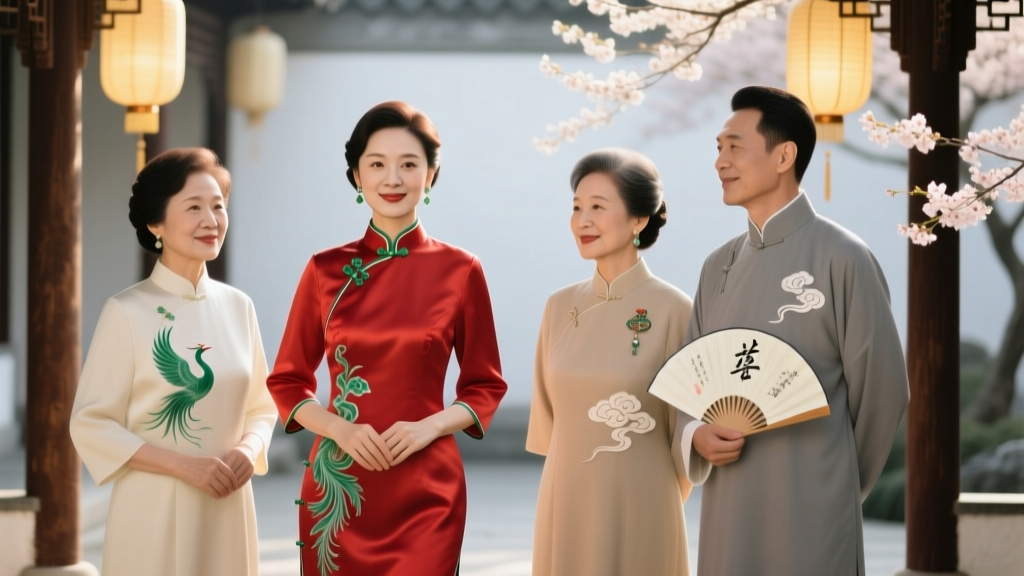 What to Wear at a Chinese Wedding (2026)
 Officiant Wedding Pay: Real 2026 Rates & Negotiation Tips
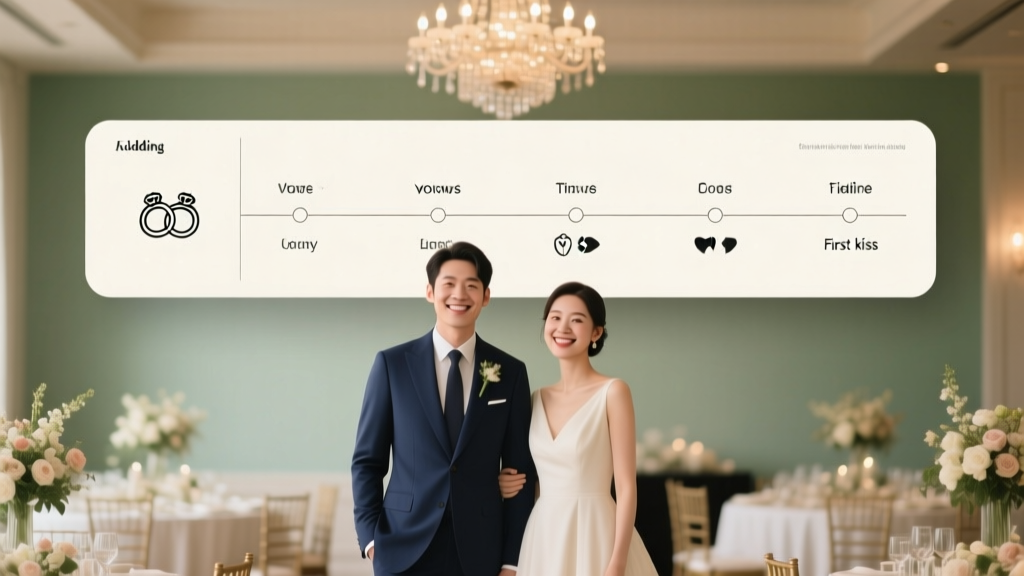 Wedding Speeches Timeline: When to Toast in 2026
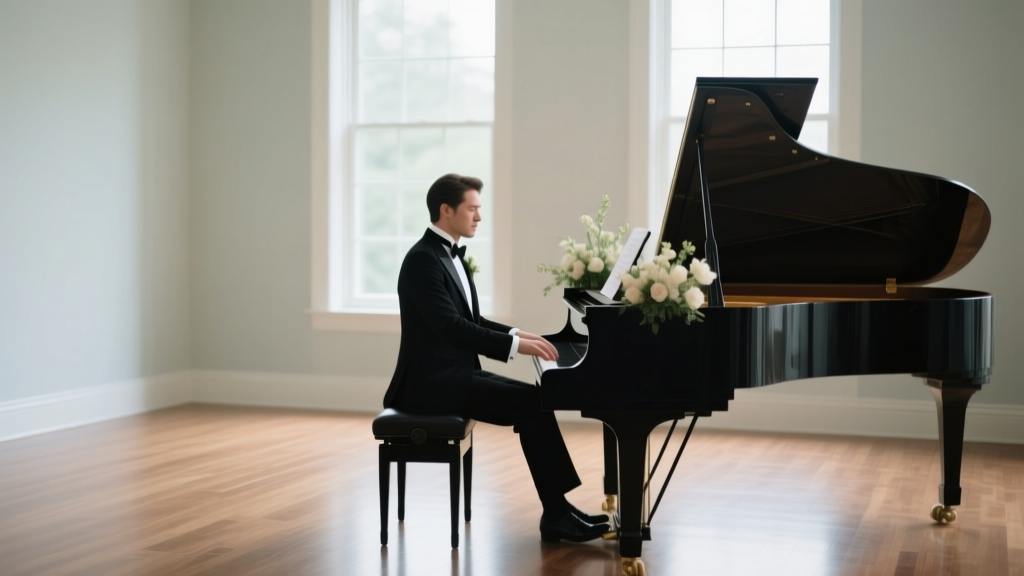 Wedding Pianist Cost in 2026: Real Pricing & Savings
 Wedding RSVP Deadline: Avoid $1,200+ Last-Minute Fees
 Who Pays for a Wedding in 2026? Real Data & Framework
 Open Bar at Weddings: Cost, Etiquette & Pitfalls (2026)
 How to Store Wedding Cake for a Year (2026)
 Wedding Alcohol Cost Guide: Real Prices & Savings
 Wedding Dress Alteration Cost: Real Prices (2026)