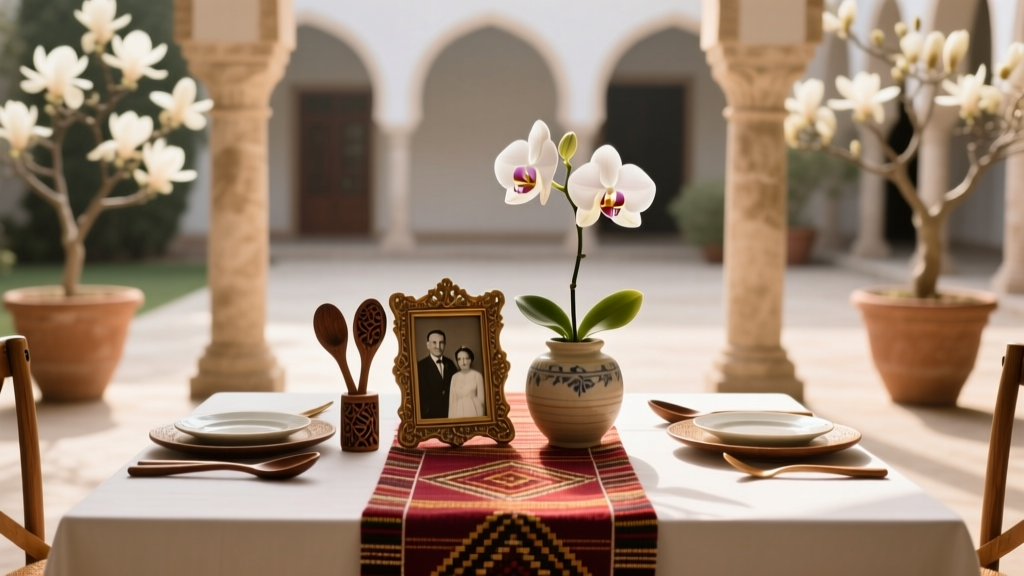
How to Plan a Wedding That Reflects Your Cultural Heritage
You know that feeling when a song from your childhood comes on and you’re instantly back in your grandmother’s kitchen, or at a holiday table, or at a family celebration? For many couples, that’s the exact feeling they want on their wedding day: not just a beautiful event, but a meaningful one—rooted in where you come from and who helped shape you.
At the same time, planning a culturally reflective wedding can come with pressure. You may be balancing expectations from parents and elders, navigating traditions you love (and a few you don’t), or blending two backgrounds into one celebration without turning it into a confusing “greatest hits” playlist. If you’re feeling a mix of excitement and stress, you’re not alone.
This guide will help you create a wedding that honors your heritage in a way that feels authentic to you as a couple—whether you’re planning a traditional ceremony, a modern fusion wedding, or something beautifully in between.
Start With Your “Why”: What Does Heritage Mean to You?
Before you choose outfits, music, or ceremony rituals, get clear on what you’re trying to express. “Cultural heritage” can mean religion, ethnicity, region, language, immigration stories, or even a blend of communities that raised you.
A quick alignment exercise (20 minutes)
- Separately, each write down:
- 3 traditions you love and want to include
- 3 traditions you feel neutral about
- 3 traditions you don’t want (and why)
- Together, circle the overlaps and talk through the differences.
- Choose your top 3 “must-haves” and top 3 “nice-to-haves”.
Real-world scenario: One couple (Punjabi + Irish) agreed early that they wanted a Sikh ceremony element and an Irish music moment, but didn’t want a full multi-day schedule. That decision guided everything: they planned a Saturday ceremony with one pre-wedding family dinner instead of multiple large events.
Build Your Cultural Wedding Vision (Without Overcomplicating It)
A wedding that reflects your heritage doesn’t have to include every tradition your families know. Think of it as designing a story: you’re choosing moments that feel true to you.
Pick 4 “heritage touchpoints” to anchor your day
Choose a few categories where cultural elements will show up clearly. For example:
- Ceremony rituals (blessings, unity rituals, readings in a heritage language)
- Attire (traditional outfits, jewelry, textiles, colors, or modern interpretations)
- Food and drink (regional dishes, late-night snacks, dessert traditions)
- Music and dancing (live musicians, cultural dances, a family dance set)
- Décor (patterns, florals, symbolism, tablescape details)
- Family roles (processions, parental blessings, elder acknowledgments)
Planner pro tip: If you’re worried about the day feeling “too themed,” keep your overall design cohesive (colors, floral style, lighting), and weave cultural details into the moments that matter most—ceremony, entrances, toasts, and food.
Talk to Family Early (And Set Expectations Kindly)
Many cultural weddings come with strong family opinions—often rooted in love, community, and “how it’s always been done.” The key is to invite collaboration without handing over the steering wheel.
A respectful script you can adapt
Try something like:
- “We want our wedding to honor our culture and also reflect who we are as a couple.”
- “What traditions feel most meaningful to you—and why?”
- “Here are our top must-haves. Can we build around these together?”
Make it practical: create a “Traditions List” document
Use a shared note with columns like:
- Tradition
- Who it matters to (parents, grandparents, you)
- When it happens (ceremony/reception/pre-wedding)
- Cost/complexity (low/medium/high)
- Decision (yes/no/modify)
Common mistake: Waiting until invitations go out to bring up cultural expectations. That’s when emotions run high and timelines are tight. Earlier conversations are almost always gentler.
Choose a Ceremony Format That Supports Your Traditions
Your ceremony is often where heritage is most visible. If you’re blending backgrounds, a thoughtful structure can make it feel cohesive rather than disjointed.
Three ceremony approaches that work well
- One integrated ceremony: A single officiant incorporates multiple traditions, readings, or blessings.
- Two-part ceremony: A cultural/religious ceremony followed by a shorter civil ceremony (or vice versa).
- One ceremony + one ritual moment: Keep the ceremony straightforward, then add a heritage ritual during cocktail hour or reception.
Timeline considerations
- Some traditions require specific times of day or extended rituals—confirm early with your officiant or religious leader.
- If you’re having a bilingual ceremony, plan on extra time for translations and readings (often +10–20 minutes).
- If your ceremony includes a procession with family members, schedule a rehearsal—even if you’re skipping a formal rehearsal dinner.
Real-world scenario: A couple wanted a tea ceremony to honor Chinese heritage but worried it would slow down the reception. Their planner scheduled it right after the ceremony with immediate family in a quiet room, while guests enjoyed cocktail hour. It stayed intimate and meaningful—without disrupting the flow.
Bring Heritage Into Your Wedding Style: Attire, Colors, and Details
Cultural style can be bold and joyful, subtle and elegant, or anything in between. The best results come from intentional choices that fit your comfort level and the overall wedding aesthetic.
Attire ideas (traditional, modern, and blended)
- Outfit changes: Traditional ceremony attire, then a reception look that’s easier for dancing.
- Heirloom pieces: Jewelry, a shawl, cufflinks, a veil, or accessories passed down in the family.
- Textile nods: Incorporate heritage patterns into a tie, pocket square, hairpiece, shoes, or embroidery.
Décor and stationery without overdoing it
- Use cultural motifs in invitation borders, envelope liners, or wax seals.
- Name tables after places important to your story (cities, villages, family regions).
- Include a small heritage display: family wedding photos, meaningful artifacts, or a “family tree” board.
Budget tip: If you’re watching costs, focus cultural design dollars where guests will notice most:
- Entrance/ceremony focal point
- Table centerpieces (even simple ones)
- Food presentation
Plan Food, Drink, and Music That Feel Like Home
When couples say they want their wedding to feel like family, they’re often talking about two things: what guests eat and what they dance to.
Food ideas guests will remember
- Signature cocktail(s) inspired by heritage ingredients
- Family-style courses if that matches cultural hospitality
- Late-night comfort food (street food, bakery treats, regional snacks)
- Dessert table with traditional sweets alongside cake
Real-world scenario: A Nigerian-American bride wanted jollof rice at the wedding, but the venue’s caterer didn’t offer it. They hired a licensed specialty caterer just for a “heritage station” during dinner—keeping the venue’s main kitchen plan intact.
Music and dancing: set everyone up to participate
- Tell your DJ/band which songs are non-negotiable and which are “nice to include.”
- If you’re doing a cultural dance, consider a short lesson or a guided “follow along” moment.
- Blend sets: 15–20 minutes of cultural music, then broader favorites—repeat later in the night.
Planner pro tip: For multicultural weddings, ask your DJ for a “bridge plan”—songs that transition well between genres so the dance floor stays full.
Step-by-Step Cultural Wedding Planning Checklist
9–12 months out
- Decide your top cultural priorities (must-haves and nice-to-haves)
- Confirm ceremony requirements with officiant/religious leader
- Choose venue(s) that can support your traditions (open flame, music volume, catering flexibility)
- Start attire research if you’re ordering from abroad or custom-making
- Draft your family “Traditions List” and schedule key conversations
6–9 months out
- Book key vendors familiar with cultural weddings (photographer, DJ, caterer)
- Plan ceremony structure and translation needs
- Decide on food plan: full menu, fusion menu, or heritage station
- Order attire and accessories (build in extra shipping/alteration time)
3–6 months out
- Finalize ceremony script, readings, and family roles
- Confirm special items: ceremonial décor, garments, symbols, instruments
- Plan your timeline with buffer for outfit changes and rituals
- Begin seating plan with cultural considerations (elder seating, family groupings)
1–3 months out
- Do a ceremony walk-through (in-person or virtual)
- Confirm music cues (processional, entrances, cultural dances)
- Prepare a “traditions kit” for the planner or day-of coordinator
- Write program notes explaining key rituals (helpful for guests unfamiliar with them)
Week of
- Pack heirlooms and ceremony items in a clearly labeled box
- Confirm who is responsible for each tradition (and when)
- Share the final timeline with family and wedding party
Budget and Logistics: Where Cultural Weddings Can Add Costs (and How to Manage It)
Some cultural elements are inexpensive (family recipes, symbolic items). Others require extra logistics. Planning for them early prevents budget surprises.
Common cost drivers
- Multiple outfits and tailoring
- Specialty catering or outside vendor fees
- Extended venue hours for longer ceremonies
- Extra floral/décor for ceremonial spaces
- Travel/shipping for items ordered internationally
- Live musicians or cultural performers
Ways to keep it affordable
- Choose one “hero” cultural moment (ceremony ritual or food) and scale back elsewhere
- Borrow or rent traditional items from family/community groups
- Use digital invites and invest savings into cultural attire or food
- Ask your venue about approved outside vendors before you sign the contract
Common Mistakes to Avoid (That Couples Regret Later)
- Trying to include every tradition. It can make the day long and emotionally exhausting. Curate intentionally.
- Not assigning owners. If no one is responsible for a ritual item or timing, it’s the first thing to get skipped.
- Assuming vendors “will figure it out.” Give clear instructions, reference videos, and a written schedule.
- Skipping translations. If guests don’t understand what’s happening, the meaning can get lost. Programs and short explanations help.
- Leaving family conversations too late. Earlier = calmer, kinder, and more collaborative.
Wedding Planner Pro Tips for a Smooth, Meaningful Day
- Create a one-page “Traditions Timeline.” Include what happens, who leads it, and what props are needed.
- Build buffer time. Cultural attire, greetings, and ceremonies often take longer than expected. Add 10–20 minutes to key transitions.
- Offer context, not a lecture. A short welcome from the officiant or MC can help guests connect to rituals.
- Plan for elders’ comfort. Prioritize seating, temperature, and meal timing—especially if traditions involve long ceremonies.
- Feed vendors if the day is long. This is a practical detail that keeps your team energized and your timeline on track.
FAQ: Planning a Wedding That Reflects Your Cultural Heritage
How do we blend two cultures without making the wedding feel disjointed?
Choose a cohesive overall wedding style (colors, florals, venue vibe), then intentionally place cultural moments into the timeline—ceremony, entrances, food, and music. It also helps to have an MC/DJ who can guide transitions and explain key moments briefly.
What if our families disagree about which traditions to include?
Start with your must-haves as a couple, then ask each family which traditions matter most and why. Often, you can find a compromise by including one meaningful ritual from each side, or adapting timing (private family ritual vs. public ceremony moment).
Do we need a wedding planner who specializes in cultural weddings?
It’s helpful, especially if your traditions involve complex timelines, multiple outfits, or specialty vendors. If that’s not in the budget, consider a day-of coordinator and provide a detailed traditions timeline, videos, and written instructions.
How do we explain cultural rituals to guests who aren’t familiar with them?
Use a simple ceremony program, a short note on your wedding website, and a brief announcement from the officiant or MC. Keep explanations warm and personal—focus on what the ritual symbolizes.
Can we incorporate heritage if we don’t know many traditions?
Absolutely. Start with family stories, recipes, music, or places that shaped you. Even small choices—like a reading in a heritage language, a family blessing, or a meaningful dish—can make the day feel deeply connected.
How far in advance should we order cultural attire or specialty items?
If you’re ordering custom pieces or shipping internationally, aim for 9–12 months out when possible. Build in time for delays and alterations, and keep photos/measurements organized in a shared folder.
Your Next Steps: Make It Real (and Keep It Yours)
If you do one thing this week, make it this: write down your top three cultural priorities and share them with each other—and then with your families. That single step will shape every other decision, from your ceremony structure to your wedding reception timeline and budget.
Your wedding doesn’t have to be a perfect representation of an entire culture. It just needs to be an honest reflection of you—your families, your history, and the life you’re building together. Choose the traditions that feel like home, adapt the ones that don’t, and give yourselves permission to celebrate in a way that’s both respectful and real.
Want more planning support? Explore more practical wedding planning guides, timelines, and budgeting tips on weddingsift.com.
More Articles
 Wedding DJ Must-Haves: 7 Non-Negotiables (2026)
 Custom Wedding Band Cost: $450–$8,500 (2026)
 How Many Garters for Wedding? Real Brides’ Guide
 How Involved Should the Groom Be in Wedding Planning? (2026)
 Tulum Wedding Cost Breakdown 2026
 What Colour Dress to Wear to a Wedding (2026)
 How Much Are Wedding Flowers
 Wedding Cake Top Tier Preservation Guide (2026)
 How Many Wedding Photos Should You Get? (2026)
 White Button-Up to Weddings: 5 Rules to Avoid Awkwardness