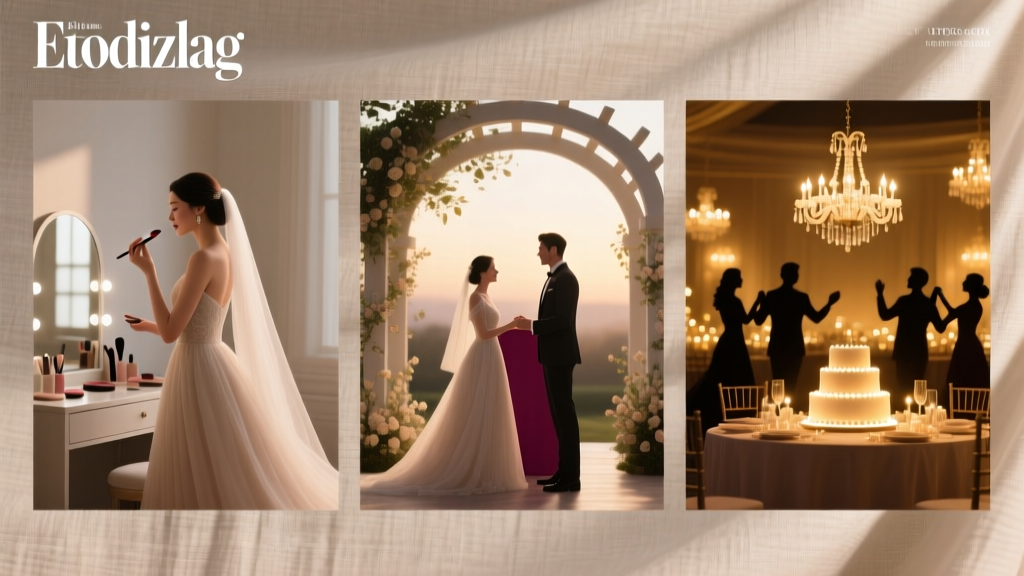
Wedding Day Coordination Timeline From Morning to Night
You’ve planned for months (maybe years). You’ve made a hundred tiny decisions no one else will ever notice—until they’re missing. And now you’re staring at the wedding day itself thinking, “How do we make this all flow without feeling rushed… or forgetting something important?”
That’s exactly what a wedding day coordination timeline is for. It’s the calm, behind-the-scenes plan that keeps your day moving from hair and makeup to the last dance—so you can stay present, enjoy your people, and actually feel your wedding as it happens.
Below is a practical, real-world wedding day timeline from morning to night, including what to schedule, who should do what, buffers to build in, and the common mistakes couples run into (so you can avoid them). Use this as your framework and adjust it to your ceremony time, travel distance, and whether you’re doing a first look.
Before You Build the Timeline: A Few Smart Ground Rules
Start with your “fixed” times
Your day has a few non-negotiables that everything else should support:
- Ceremony start time
- Venue access times (when you can enter, when vendors can load in)
- Hair and makeup start time (based on number of people)
- Photography coverage start/end times
- Reception end time and venue curfew
- Sunset time (major for photos, especially outdoors)
Plan realistic buffers (your future self will thank you)
A good wedding day timeline isn’t tight—it’s forgiving. Build in:
- 10–15 minutes buffer for every transition (getting dressed, travel, lining up)
- 20–30 minutes buffer before the ceremony begins for last-minute issues
- Extra time if you’re moving between locations or in a busy city
Assign a point person (not you)
If you don’t have a day-of coordinator or wedding planner, choose someone organized who isn’t in the wedding party (or who is comfortable stepping out when needed). Give them:
- A copy of the timeline
- Vendor contact list
- Tip envelopes (if you’re tipping)
- Authority to make small decisions without bothering you
Budget tip: coordination is one of the highest ROI wedding expenses
If your budget is tight, consider a “month-of” or “day-of” wedding coordinator. Many couples find this is the difference between feeling stressed vs. fully enjoying the day. If you’re DIYing, you can still mimic a coordinator’s system with a strong timeline, clear assignments, and a reliable point person.
The Full Wedding Day Coordination Timeline (Morning to Night)
This sample assumes a 4:30 PM ceremony and 6–7 hours of photo coverage. Adjust earlier or later depending on your ceremony time and season.
7:00–8:00 AM: Start the day gently
- Eat a real breakfast (protein + carbs) and hydrate
- Keep caffeine normal (too much can spike jitters)
- Do a quick “comfort check”: steamer, pain reliever, mints, deodorant
Real-world scenario: One of the most common wedding day issues is feeling lightheaded during the ceremony. It’s rarely emotional—it’s usually low blood sugar, dehydration, or standing too long without eating.
8:00–9:00 AM: Vendor arrival + getting-ready space setup
If you have a planner/coordinator, they’ll typically handle this. If not, assign someone to welcome vendors and keep the room functional.
- Hair/makeup team arrives and sets up lighting and stations
- Photographer arrives (often around this window if you booked “getting ready” coverage)
- Deliveries begin: florals, rentals, décor drop-offs
- Getting-ready space setup: hang dresses/suits, clear clutter, set aside a “detail photo” area
Checklist: Detail photo items to gather in one box
- Invitation suite (invite, RSVP card, envelope, any day-of stationery)
- Rings (all rings, including bands)
- Jewelry, hairpiece, perfume/cologne
- Vows (if written), heirlooms
- Shoes
- Special items: embroidered handkerchief, meaningful charm, etc.
9:00 AM–12:00 PM: Hair and makeup (with a timeline that won’t betray you)
Hair and makeup tends to be the biggest timeline domino. A realistic schedule keeps everyone calm.
Pro tips from wedding planners:
- Ask your HMUA for a service schedule (who goes when) at least 2 weeks in advance.
- Plan for the couple to finish 1–1.5 hours before they need to be dressed and ready for photos.
- Build in 15 minutes for touch-ups after everyone is done.
Common mistake: Scheduling the couple last because it “makes sense.” If anything runs late, the couple runs late—which affects the entire wedding day timeline. Many pros schedule the couple earlier, then do touch-ups at the end.
11:00 AM–12:30 PM: Lunch delivery + calm check-in
- Eat lunch before getting into tight outfits
- Assign someone to manage food and trash so photos stay clean
- Review the timeline with your point person/coordinator (quietly, not as a group meeting)
Budget-friendly idea: Order simple catering trays or boxed lunches instead of individual meals. It’s usually cheaper, and it keeps the getting-ready space less chaotic.
12:00–1:30 PM: Getting dressed + final prep
- Steam outfits (ideally earlier, but now is your final moment)
- Put on undergarments, then outfit (avoid makeup transfer)
- Plan 10 minutes for bustling the dress practice (yes, practice)
- Pin boutonnières and distribute bouquets
Real-world scenario: A zipper gets stuck, a button pops, someone can’t find their shoes. This is why your schedule needs buffer and a small emergency kit (or a coordinator who has one).
1:30–2:30 PM: Pre-ceremony photos (choose your path)
Option A: First look timeline
- 1:30 PM First look
- 1:45 PM Couple portraits
- 2:15 PM Wedding party photos
- 2:30 PM Immediate family photos (if available early)
Why couples love this: You’ll spend more time together, reduce post-ceremony photo time, and often feel calmer going into the ceremony.
Option B: No first look timeline
- 1:30 PM Individual portraits (each partner separately)
- 2:00 PM Wedding party photos (separately or together without the couple)
- 2:30 PM Immediate family photos (limited, as available)
Tradeoff: You’ll need more photo time during cocktail hour, so you may miss part of it.
2:30–3:30 PM: Travel + venue arrival + hideaway time
- Travel to ceremony venue (add extra time for traffic and parking)
- Final restroom break (seriously—do it)
- Stash personal items: phone, keys, wallet, vows, rings (confirm who holds what)
- 15 minutes “quiet time” before guests arrive or before you line up
Common mistake: No one knows who has the rings. Decide ahead of time (best man, honor attendant, or coordinator) and confirm again when you arrive.
3:30–4:15 PM: Guest arrival + ceremony prelude
While you’re tucked away, your coordinator/point person should be managing:
- Ceremony music start time
- Ushers and seating guidance
- Reserved rows and accessibility seating
- Programs, signage, and guestbook/table set-up
- Water station, fans/blankets depending on weather
Pro tip: If you’re doing an unplugged ceremony announcement, decide who says it (officiant, DJ, or coordinator) and when (before processional begins).
4:30–5:00 PM: Ceremony
Most ceremonies run 20–30 minutes. A few coordination notes that prevent awkward moments:
- Have a clear cue for musicians/DJ for each processional segment
- Confirm who holds the bouquet during vows (often the honor attendant takes it)
- Tell the officiant how to announce the first kiss (or not) and the recessional
5:00–6:00 PM: Cocktail hour + formal photos
This is where timelines can drift if you don’t have a plan. Keep it simple and structured.
Step-by-step: Family photo flow that works
- Send your photographer a family photo list (names, not just “bride’s family”).
- Assign a family wrangler (someone who knows faces and names).
- Start with largest groups, then dismiss people as you go.
- Keep combos realistic (10–15 groupings is plenty for most weddings).
Real-world scenario: Uncle Mike goes to the bar right when photos start. A wrangler saves you 20 minutes of searching and prevents you from missing your own cocktail hour.
6:00–6:15 PM: Reception doors open + couple refresh
- Bustle the dress, touch up makeup, quick water break
- Coordinator confirms vendor cues: DJ/band, catering, photo/video, venue
- Make sure your personal items are secured (cards/gifts especially)
6:15–6:30 PM: Grand entrance (optional) + first dance (optional)
If you’re doing entrances, keep them short and upbeat. If you’re skipping them, that’s also perfectly normal—just tell your DJ and photographer what you prefer.
Pro tip: If you’re doing a first dance, consider doing it early while guests are attentive and you’re not exhausted.
6:30–7:45 PM: Dinner service + toasts
Toasts are best when guests are seated and fed (or at least have salads).
- Limit toasts to 2–4 people
- Encourage 2–4 minutes each
- Confirm microphone plan and where speakers stand
Budget consideration: Extended dinner + open bar time can increase staffing costs and bar minimums. A tighter program often saves money because your vendor hours stay efficient.
7:45–8:30 PM: Special dances + open dancing
- Parent dances (if doing them)
- Open dance floor
- Golden-hour/sunset photos (10–15 minutes max)
Real-world scenario: Your photographer may pull you for sunset photos right when the dance floor gets good. This is normal—and worth it. Ask for a quick, timed photo break so you’re not gone too long.
8:30–9:15 PM: Cake cutting + dessert + late-night bites
There’s no rule that cake cutting must be late. Earlier cake cutting means:
- Your photographer captures it
- Venue staff can serve dessert efficiently
- You avoid forgetting it after a few hours of celebrating
9:15–10:30 PM: Peak party time + final events
- Open dancing
- Bouquet/garter alternatives (anniversary dance, last-call group photo, etc.)
- Final bar call per venue rules
10:30–11:00 PM: Last dance + send-off + breakdown
End-of-night coordination goes smoother when you assign responsibilities ahead of time.
Checklist: End-of-night responsibilities
- Card box: designate a trusted person to secure it early in the night
- Personal décor: who collects signage, guestbook, photos, favors
- Florals: are guests taking centerpieces? who manages distribution?
- Getaway: who confirms transportation and picks up your overnight bag?
- Vendor tips: who hands them out and when?
Common mistake: Leaving everything for the couple’s parents at the end of the night. Even if family offers, make a clear plan so no one is scrambling at 11 PM.
Common Wedding Day Timeline Mistakes (and How to Avoid Them)
- Underestimating travel/parking: Add 15–30 minutes for loading in/out, especially in cities or remote venues.
- Not padding hair and makeup: If you’re not done on time, everything else suffers. Build buffers and finish the couple early.
- Too many photo combinations: Keep family photos focused and assign a wrangler.
- Forgetting a meal plan: You need breakfast, lunch, and water—or your body will force a slowdown.
- No rain plan: Even indoor venues need a wet-weather arrival and photo plan.
- Overloading the reception schedule: Too many formal moments can interrupt the energy. Choose what matters most.
Wedding Planner Pro Tips for a Smooth, Stress-Less Day
- Print two timelines: one “big picture” for the wedding party and one detailed vendor timeline with contact numbers.
- Front-load the meaningful moments: Do important dances, toasts, and cake earlier so they don’t get skipped.
- Keep your phone away: Ask a friend to hold it. You’ll be more present—and photos look better.
- Pack an emergency kit: safety pins, fashion tape, stain remover pen, blister pads, snacks, tissues.
- Plan 5 minutes alone together: Right after the ceremony or during cocktail hour. It’s one of the most cherished pockets of the day.
Sample Timelines (Two Popular Options)
Sample Timeline A: 4:30 PM Ceremony with First Look
- 9:00 AM Hair & makeup begins
- 12:30 PM Getting dressed
- 1:30 PM First look + portraits
- 2:30 PM Wedding party + some family photos
- 4:30 PM Ceremony
- 5:00 PM Cocktail hour (fewer photos needed now)
- 6:15 PM Entrance + dinner
- 7:45 PM Open dancing
- 10:45 PM Last dance
- 11:00 PM Send-off
Sample Timeline B: 4:30 PM Ceremony Without First Look
- 9:00 AM Hair & makeup begins
- 12:30 PM Getting dressed
- 1:45 PM Individual portraits + wedding party (separate)
- 4:30 PM Ceremony
- 5:00 PM Cocktail hour + couple/family photos
- 6:30 PM Dinner
- 8:00 PM Dancing
- 11:00 PM Send-off
FAQ: Wedding Day Coordination Timeline
How early should hair and makeup start on the wedding day?
Most teams recommend starting 4–6 hours before you need to be fully ready for photos, depending on how many people are getting services. Your hair and makeup artist should create a schedule based on your group size and desired looks.
Do we need a first look to stay on schedule?
No, but a first look often makes the timeline easier because it shifts most portraits earlier. If you’re set on seeing each other at the ceremony, you can still stay on schedule—just plan a longer cocktail hour or accept that you may miss part of it for photos.
How long should the ceremony be?
Many ceremonies land between 20 and 30 minutes. Religious or cultural ceremonies may be longer, and that’s completely fine—just build your reception timing around it and communicate expectations to your photographer and catering team.
What’s the best length for cocktail hour?
60 minutes is standard. If you’re skipping a first look and doing many family photos after the ceremony, 75–90 minutes can feel more comfortable and less rushed for everyone.
How do we keep the reception flowing without too many interruptions?
Choose 2–4 “spotlight moments” (toasts, first dance, cake cutting) and group them logically—often right after dinner begins. Then let the rest of the night breathe so guests can relax and enjoy the dance floor.
Who should handle vendor tips and final payments?
Not you. Give labeled envelopes and a list to your planner/coordinator or a trusted person. If final payments are due on the wedding day, handle them the day before whenever possible.
Your Next Steps: Turn This Into Your Personal Timeline
Take this guide and do three quick things this week:
- Confirm your fixed times: ceremony start, venue access, photo coverage hours, sunset time.
- Ask vendors for timing input: HMUA schedule, catering service timeline, DJ/band cues.
- Assign your point person: someone who can answer questions and keep things moving so you can focus on getting married.
Your wedding day doesn’t need to be perfect to be beautiful. A thoughtful coordination timeline simply gives your day room to breathe—so you can laugh, cry, dance, and soak it all in.
Want more planning support? Explore more wedding planning guides and timelines on weddingsift.com—we’re cheering you on every step of the way.
More Articles
 How to Remember Deceased Loved Ones at a Wedding
 How Much to Tip Wedding Servers (2026)
 A Picture Perfect Wedding Full Movie: Red Flag?
 Leather Jacket to Wedding? Dress Code Decoder (2026)
 Candace Wu Wedding Dresses: Real Costs & Authenticity (2026)
 Formal Wedding RSVP Etiquette: 7-Step Checklist (2026)
 A-Line Wedding Dresses: Fit, Style & Budget Guide (2026)
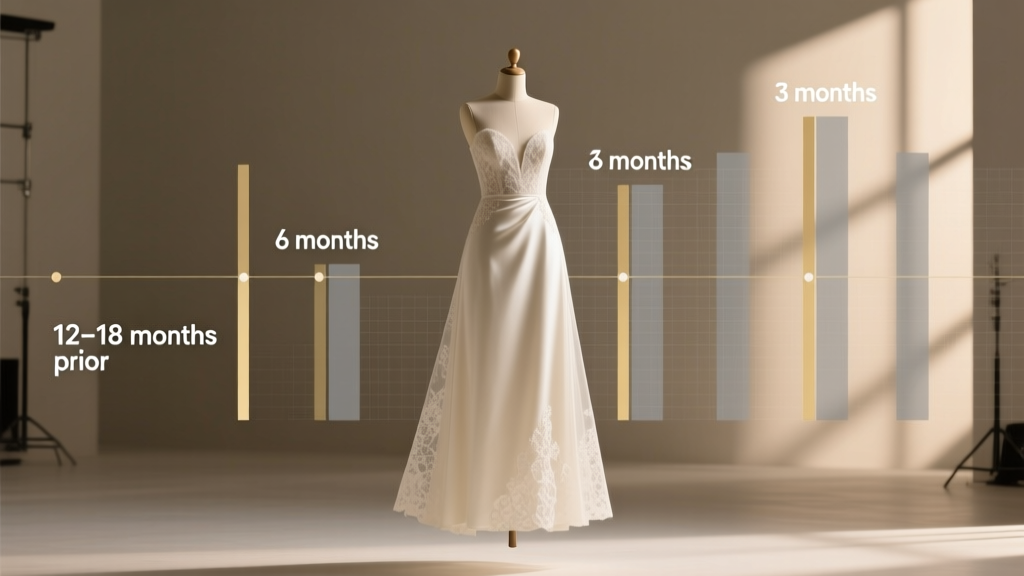 Wedding Dress Timeline: When to Start Shopping (2026)
 Oaxaca Wedding Cost Guide 2026: Real Local Prices
 RSVP Wedding Invitation: 7-Second Checklist (2026)