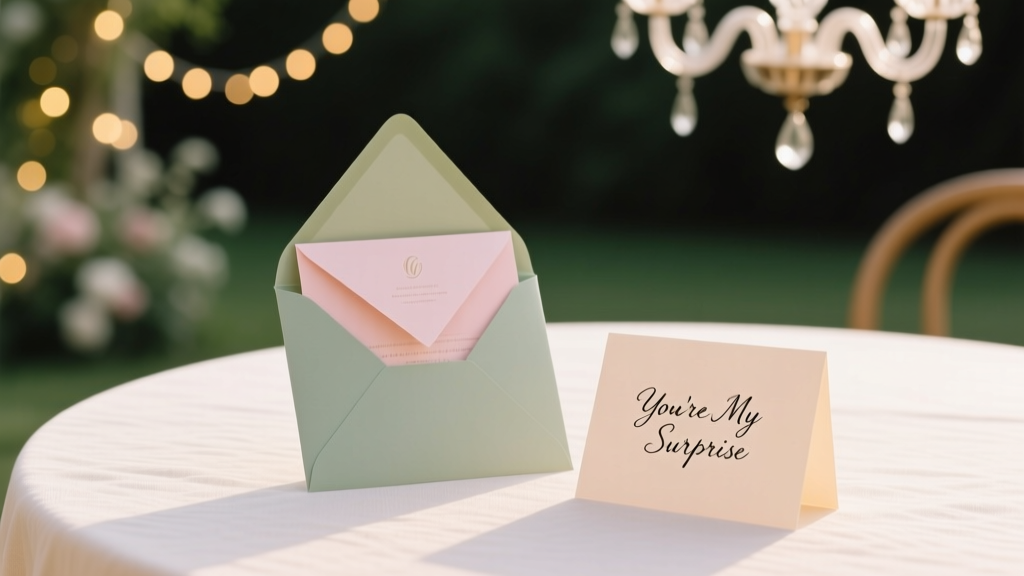
How to Plan a Wedding With a Surprise Element
You know that feeling when you’re planning a wedding and everything starts to look… a little predictable? The same ceremony structure, the same reception flow, the same “now we cut the cake” moment everyone expects. If you’re craving a wedding that still feels timeless but has a spark of “wait—what?!” you’re in the right place.
A surprise element can turn a beautiful wedding into a truly memorable one—without turning your day into a production or making your guests feel confused. The goal isn’t to shock people. It’s to create a shared moment of delight that feels like you: personal, thoughtful, and well-timed.
This guide walks you through choosing the right surprise, planning it smoothly, keeping it under wraps (without stressing yourself out), and avoiding the common pitfalls that wedding planners see all the time.
What Counts as a “Surprise Element” (and What Doesn’t)
A great wedding surprise is something guests don’t see coming, but once it happens, it feels natural—like it belonged in the day all along. It should enhance the experience, not interrupt it.
Surprise ideas guests love
- Unexpected entertainment: a roaming saxophonist during cocktail hour, a mariachi set during dinner, a late-night DJ switch-up, or a surprise fireworks moment (venue-permitting).
- A meaningful reveal: private vows turned into a short audio clip played during a first dance, a “we met here” photo wall, or a surprise tribute to a loved one.
- A guest experience twist: a secret dessert bar, late-night street food, a champagne toast delivered by servers at once, or a mini-festival corner with games.
- A couple-led moment: a choreographed dance that’s actually achievable, a surprise musical performance (even a short one), or a fun “second entrance” halfway through the reception.
- Surprise upgrade: a photo booth that prints magazines-style covers, a live event painter, or a lounge area that opens after dinner.
What usually doesn’t land well
- Surprises that delay food (guests get cranky fast when dinner is late).
- Surprises that confuse the timeline (like moving the ceremony start without clear communication).
- Anything that embarrasses a guest (public pranks, forced speeches, surprise “performances” from reluctant friends).
- Hard pivots in vibe (a heavy emotional tribute immediately followed by club-level party lighting can feel jarring unless it’s paced well).
Step 1: Choose the Right Surprise for Your Wedding Style
Before you pick the surprise, anchor it to your priorities. Ask yourselves:
- Do we want a romantic surprise, a funny surprise, or a high-energy surprise?
- Is our crowd more sentimental or more party-focused?
- Do we want a surprise that’s big and obvious (fireworks) or small but personal (a hidden letter exchange)?
- Are we comfortable being the center of attention, or should the surprise be more guest-focused?
Real-world matchups
- Classic ballroom wedding: a surprise live string trio that appears for your first dance, or a dramatic room reveal with upgraded lighting and candle walls after dinner.
- Backyard or outdoor wedding: a late-night s’mores station, a surprise acoustic set by a local musician, or a “golden hour” ice cream cart.
- Destination wedding: a surprise local cultural performance, welcome gift drop with personalized notes, or a sunrise brunch the day after.
- Micro-wedding: a private chef course reveal, a surprise mini-photo session “just the two of you” built into cocktail hour, or a video message montage from friends who couldn’t attend.
Step 2: Decide Who to Tell (Your “Surprise Circle”)
The best surprises are still professionally executed. That usually means someone needs to know. Create a small “surprise circle” so the plan stays secret but runs smoothly.
Your recommended surprise circle
- Planner/coordinator: your #1 secret-keeper and logistics brain.
- Venue contact: for access, timing, and restrictions (sound ordinances, pyrotechnics rules, load-in times).
- Key vendor(s): DJ/band, photographer, caterer—depending on the surprise.
- One trusted VIP: a sibling or best friend who can help without spilling.
Pro tip: If you don’t have a planner, consider hiring a day-of coordinator. Surprises are hardest when you’re also trying to host, take photos, and remember to eat.
Step 3: Build Your Surprise Into the Wedding Timeline (Without Derailing It)
Most surprises fail because they’re placed at the wrong time. You want high attention, low stress, and minimal conflict with key moments like dinner service or formal photos.
Best times to add a surprise
- Ceremony: a surprise musician for processional/recessional, a meaningful reading by an unexpected person, or a short confetti exit (venue-approved).
- Cocktail hour: perfect for interactive elements—roaming performers, signature drink reveal, live sketch artist, surprise passed appetizers.
- Grand entrance: a second “fake-out” entrance can be hilarious if it fits your personality (keep it short).
- After dinner/before dancing: ideal for a big wow moment when everyone is seated and paying attention—performance, slideshow, room flip reveal.
- Late-night: best for food surprises or party boosts—espresso martini cart, midnight snack, glow accessories, surprise DJ set.
Sample timeline placements
Scenario: Surprise dance set
- 7:15 pm: Dinner finishes
- 7:25 pm: Toasts (keep tight)
- 7:40 pm: First dance
- 7:45 pm: Surprise choreographed dance (90 seconds)
- 7:50 pm: Dance floor opens
Scenario: Surprise dessert reveal
- 8:15 pm: Cake cutting photo moment
- 8:20 pm: Band starts second set
- 8:45 pm: Secret dessert room opens (signage appears, doors open, staff guides guests)
Step 4: Budget for the Surprise (and Keep It Worth It)
A surprise doesn’t have to be expensive, but it does need a budget line. Otherwise, it becomes the thing that quietly pushes you over your wedding budget.
Common surprise costs to plan for
- Performance/entertainment fee: musicians, dancers, specialty acts
- Equipment: microphones, speakers, lighting, staging, power needs
- Labor: extra staffing for a reveal, attendants for a special station
- Permits/insurance: fireworks, sparklers, certain outdoor activations
- Delivery/setup: rental drop-offs, early access fees
- Photography/videography coverage: extra hour if the surprise is late-night
Budget-friendly surprise ideas (that still feel luxe)
- Signature drink “reveal”: announce your drink names and story, and have trays hit the room at once.
- Audio guestbook: a retro phone that records messages—fun, emotional, and easy.
- Late-night comfort snack: popcorn bar, mini grilled cheese, warm cookies and milk.
- Room reveal with lighting: uplighting change after dinner can transform the vibe for less than many entertainment add-ons.
Pro tip: If you’re choosing between a pricey surprise and guest comfort, pick comfort: food timing, enough seating, and a great DJ/playlist often create the biggest “wow” through energy alone.
Step 5: Plan the Logistics Like a Wedding Planner (Checklist)
Use this checklist to make sure your surprise is actually a success on the day.
Surprise planning checklist
- Define the surprise clearly: what happens, for how long, and what the “wow” moment is.
- Confirm venue rules: sound limits, access points, fire restrictions, curfews, vendor load-in policies.
- Assign an owner: one person (planner/coordinator or trusted VIP) is responsible for executing it.
- Write a run-of-show: a simple minute-by-minute plan including cues (“DJ fade song at 7:44”).
- Confirm tech needs: mic, aux cable, speaker placement, lighting cues, power supply.
- Tell photo/video team: where to stand, what lens helps, whether it’s a surprise to your partner.
- Plan guest flow: do people need to move rooms? Do you need signage or staff guiding?
- Build in a buffer: add 5–10 minutes around the surprise for real life.
- Create a “Plan B”: weather alternative, indoor option, or a simplified version.
- Confirm final details week-of: one final check-in with each vendor involved.
Keeping the Surprise a Secret (Without Losing Your Mind)
Secrets are tricky when you’re sending invitations, sharing schedules, and fielding family questions. The trick is to keep the surprise compartmentalized.
Ways to protect the secret
- Use neutral wording on your wedding website: “Join us for dancing and dessert” instead of “Meet the surprise taco truck at 10!”
- Create a private vendor note that says “CONFIDENTIAL: surprise element” and label it clearly.
- Limit group chats with too many helpers. One-on-one texts prevent accidental spillovers.
- Hide receipts and deliveries (especially if you share an email login). Consider a separate planning email for surprise vendors.
- Loop in family carefully if they’re hosting or paying. Give them the “need to know,” not the whole script.
Specific scenario: surprising your partner
If the surprise is for your fiancé(e) specifically (a song performance, a video, a gift), plan it with your coordinator and photographer. Your partner should not be the person approving the timeline document that includes the surprise cue.
Common Mistakes to Avoid (and How Pros Prevent Them)
Mistake #1: Making the surprise too long
Keep it tight. The sweet spot for most surprise performances is 60–180 seconds. Leave them wanting more.
Mistake #2: Placing the surprise during dinner service
If entrees are hitting tables, attention is split and the kitchen is under pressure. Schedule your surprise either before plates arrive or after they’re cleared.
Mistake #3: Forgetting sound and lighting
A surprise that guests can’t hear or see will fall flat. Always confirm:
- Who holds the mic?
- Where are speakers placed?
- What lighting change signals “pay attention”?
Mistake #4: Under-communicating to vendors
Your vendors don’t need the emotional backstory, but they do need the execution details. A one-page cue sheet saves the day.
Mistake #5: Prioritizing surprise over comfort
If guests are hungry, hot, cold, or searching for restrooms, no surprise will feel magical. Fix basics first, then add sparkle.
Wedding Planner Pro Tips for a Seamless Wow Moment
- Attach the surprise to a natural transition: end of cocktail hour, right after first dance, or when the band takes a break.
- Use a “soft reveal” first: dim lights, a quick announcement, or a musical cue to get attention without shouting.
- Practice once, not ten times: if you’re performing, do one confident run-through close to the wedding date so it stays fresh.
- Capture reactions: ask your photographer for a short “reaction sweep” shot list—parents, wedding party, grandparents, your best friends.
- Plan the reset: what happens immediately after? A great surprise ends with a clear next step (dance floor opens, dessert is served, couple exits).
FAQ: Planning a Wedding With a Surprise Element
How many surprise elements should we have?
One is usually perfect. Two can work if they’re different (example: surprise musician at cocktail hour and a late-night snack). More than that can start to feel like a show instead of a wedding.
Will guests feel “tricked” if we keep something secret?
Not if it’s an added delight, not a hidden inconvenience. Avoid surprises that change start times, remove expected activities, or make guests uncomfortable. Aim for “extra,” not “instead of.”
What’s the easiest surprise to execute?
A surprise food moment (late-night snack, dessert bar) or a surprise entertainment add-on during cocktail hour tends to be easiest because it doesn’t require your full attention and it fits naturally into the flow.
How do we keep the surprise from messing up the timeline?
Give it an owner (planner/coordinator), keep it short, and build in a 5–10 minute buffer. Also confirm with catering and the DJ/band so you’re not competing with meal service or scheduled sets.
What if the surprise depends on weather?
Always have a Plan B that still feels special—an indoor fireworks alternative could be cold sparks (venue-approved), a lighting moment, or a surprise performance inside. Your venue should confirm what’s allowed.
Should we tell our parents?
If parents are hosting, contributing financially, or likely to be impacted by the logistics, tell them a simplified version (“There’s a surprise performance after dinner—no action needed from you”). If they’re prone to accidentally share details, keep the circle smaller.
Your Next Steps: Make It Memorable, Not Stressful
If you want a wedding with a surprise element, start by choosing one moment that matches your vibe, then plan it like a pro: put it in the timeline, give it an owner, confirm the logistics, and protect guest comfort at every step.
Action plan for this week:
- Pick your surprise category (entertainment, reveal, guest experience, or couple-led moment).
- Confirm a realistic budget range and what you’re willing to trade off (if anything).
- Choose the best time slot in your reception timeline.
- Tell your “surprise circle” and assign one person to run it.
- Write a simple cue sheet for vendors.
You’re allowed to plan a wedding that feels classic and full of personality. A well-planned surprise is one of the easiest ways to create a story your guests will talk about for years—while still keeping the day unmistakably yours.
Looking for more timeline tips, budget guidance, and guest-friendly ideas? Explore more planning guides on weddingsift.com.
More Articles
 Wedding Videographer Cost (2026): What Really Drives Price
 What to Wear to a Barn Wedding (2026)
 All Black to a Wedding: When It’s Okay (2026)
 Grey Suit to Wedding: 5 Etiquette Mistakes to Avoid
 Facebook Wedding Page Guide (2026)
 Ring Bearers in a Wedding: How Many? (2026)
 40th Anniversary Party
 Where to Register for Wedding Gifts (2026)
 Destination Wedding Gift Amount: Real Data Guide
 Dodgers Stadium Wedding Guide (2026)