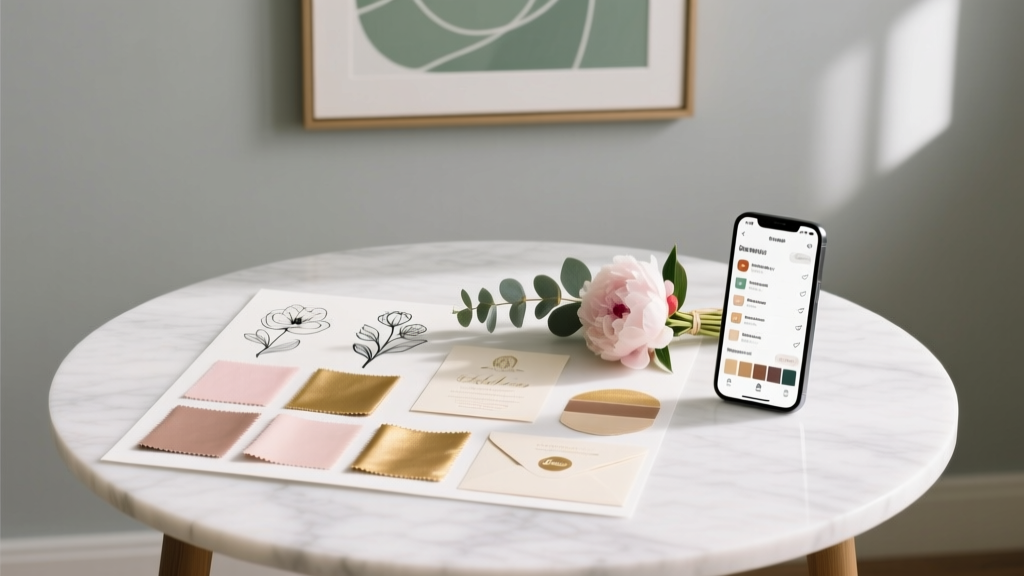
How to Plan a Themed Wedding From Concept to Execution
If you’re dreaming of a themed wedding, you’re probably picturing more than just “a color palette.” You’re imagining a whole feeling—the kind of day where your guests walk in and instantly understand you as a couple. Maybe it’s a cozy fall campfire vibe, a black-tie Art Deco celebration, a modern “city night” rooftop party, or a garden brunch that feels like a European holiday.
At the same time, themed weddings can bring up real planning nerves: Will it look cheesy? Will guests “get it”? Will it take over the budget? Here’s the good news: a themed wedding can be elegant, personal, and surprisingly practical—when you plan it like a pro. The secret is choosing one clear concept and carrying it through thoughtfully, rather than trying to decorate every inch.
This guide will walk you from your first idea to wedding day execution with timelines, budget considerations, and wedding planner-style tips to keep your theme cohesive (and stress levels low).
What “Themed Wedding” Really Means (and What It Doesn’t)
A themed wedding isn’t about costumes (unless you want that). It’s about creating a consistent, intentional experience using a few core design choices.
A strong theme has three parts
- Story: The “why” behind the look (shared hobbies, travel memories, a favorite era, family heritage, where you met).
- Design: Colors, textures, materials, florals, lighting, and styling choices that support that story.
- Experience: How it feels for guests—music, food, flow, signage, interactive moments.
What usually makes a theme feel “too much”
- Too many competing motifs (e.g., “boho + Gatsby + beach + celestial”)
- Literal, novelty décor everywhere instead of elevated nods
- Forgetting comfort and logistics (seating, lighting, weather plans, timing)
Step 1: Choose a Theme That’s Personal—and Plan-Friendly
Start with a theme that reflects you, not a trend you’ll be tired of by your first anniversary. Then pressure-test it against your venue options, budget, and guest list.
Quick theme brainstorm prompts
- Where did you meet or fall in love?
- What do you do on a perfect weekend together?
- What season feels most “you”?
- Is there a city, culture, or decade that inspires you?
- What do you want guests to say afterward: “That felt like…”?
Planning-friendly themes (with elevated examples)
- Coastal classic: Crisp white + blue, woven textures, seafood-forward menu, candlelit reception.
- Garden party: Floral-forward stationery, airy linens, market-style escort display, string lights.
- Old Hollywood: Black-tie dress code, dramatic lighting, glam lounge area, jazz trio.
- Rustic refined: Natural woods + soft neutrals, warm lighting, family-style dinner, greenery garlands.
- Modern minimal: Clean typography, sculptural florals, monochrome palette, statement lighting.
Real-world scenario
Scenario: You love travel, but you don’t want passport invitations and airplane centerpieces.
Elevated approach: Use place cards with meaningful locations (first trip, proposal city), a signature cocktail inspired by your favorite destination, and a seating chart titled “Where We’ve Been (and Where We’re Going).” It reads as personal, not themed-party.
Step 2: Define Your “Theme Rules” (So Everything Matches)
Wedding planners rely on simple guardrails to keep decisions fast and cohesive. Create a mini style guide you can share with your planner and vendors.
Your themed wedding style guide checklist
- 3-5 descriptive words: example: “romantic, European, candlelit, timeless”
- Color palette: 2-3 main colors + 1 accent + neutrals
- Materials/textures: velvet, glass, brass, linen, stone, rattan, wood
- Floral direction: airy vs. lush, wild vs. structured, seasonal priorities
- Lighting mood: soft/warm, dramatic, twinkle, overhead installs
- Do-not-use list: things that clash (e.g., “no burlap,” “no bright neons,” “no cartoon icons”)
Pro tip: Keep one “hero moment”
Pick one area to go big—then let everything else support it.
- Ceremony backdrop
- Floral installation over the dance floor
- Statement escort wall
- Over-the-top candle moment on the head table
Step 3: Align the Theme With Your Venue (Not Against It)
Your venue is the largest visual element of the day. The easiest way to make a theme look seamless is to choose a venue that already fits the vibe.
Venue + theme pairings that make planning easier
- Art Deco / Old Hollywood: historic hotels, theaters, ballrooms
- Garden party: conservatories, estates, botanical gardens
- Modern minimal: galleries, lofts, rooftops, contemporary event spaces
- Coastal: waterfront venues, yacht clubs, beach-adjacent spaces
- Rustic refined: barns with clean lines, wineries, mountain lodges
Budget note
If your venue already matches your theme, you’ll likely spend less on décor and draping. If it fights your theme (for example, a rustic barn for a sleek modern-minimal concept), your budget will need to cover major transformations like rentals, pipe-and-drape, and lighting upgrades.
Step 4: Build a Themed Wedding Budget That Actually Works
Themed weddings can be cost-effective or costly—it depends on where you put your money. Focus spending on items that guests notice most and that show up in photos.
High-impact areas to prioritize
- Lighting: uplighting, pin spots, candles, bistro lights (lighting changes everything)
- Florals/greenery: especially for your hero moment and personal flowers
- Rentals: chairs, linens, tabletop items that fit your theme
- Stationery/signage: a cohesive suite ties the theme together quickly
Lower-cost ways to communicate a theme
- Signature cocktails with themed names
- Spotify-style “welcome playlist” during arrival/cocktail hour (or live musician style choice)
- Custom matches, napkins, or drink stirrers (small, photo-friendly upgrades)
- Curated lounge furniture (often cheaper than large floral builds)
Simple budget guardrail
- Choose one splurge category tied to your theme (lighting or florals are common)
- Pick two “medium” categories (rentals + stationery, for example)
- Keep the rest clean and classic so the theme still feels intentional
Step 5: Turn the Concept Into a Planning Timeline
Theme decisions affect vendors early—especially your venue, florist, rental company, and stationery. Here’s a practical themed wedding planning timeline you can follow (adjust based on your engagement length).
12+ months before
- Confirm your theme direction and style guide
- Set budget and guest count target
- Book venue (ceremony + reception)
- Hire planner (full or partial), photographer, and caterer if needed
9–12 months before
- Book key vibe vendors: florist, DJ/band, rentals, lighting
- Start attire shopping with theme in mind (dress code, fabrics, formality)
- Draft your stationery plan (save-the-dates, invitations, day-of signage)
6–9 months before
- Finalize color palette and design details
- Book hair/makeup and officiant
- Plan guest experience moments (cocktail hour entertainment, photo booth style)
3–6 months before
- Order invitations and day-of paper goods
- Finalize rental lists (linens, chairs, tabletop, lounge)
- Confirm menu + signature drinks aligned with the theme
- Walkthrough with planner/venue to confirm layouts and flow
1–3 months before
- Create a detailed wedding day timeline
- Confirm design mockups with florist and rental team
- Finalize signage wording and seating chart plan
- Weather plan (especially for outdoor themed weddings)
2 weeks before
- Vendor confirmations and final payments
- Pack décor items with labeled bins (ceremony, cocktail hour, reception)
- Print timelines for key people and assign setup responsibilities
Step 6: Design the Guest Experience (Where Themes Really Shine)
Guests remember how your wedding felt. A theme comes alive through pacing, comfort, and thoughtful moments.
Experience checklist by wedding moment
- Arrival: welcome sign, water station, clear directions, a “first impression” vignette
- Ceremony: meaningful music choice, comfortable seating, sound system, shade/blankets as needed
- Cocktail hour: signature drinks, interactive food station, music that matches the vibe
- Reception: lighting shift, table styling, a strong entrance moment, dance floor energy
- Late night: snack that fits the theme (mini tacos, espresso bar, gelato cart, sliders)
Real-world scenario
Scenario: You want a “winter wonderland” theme, but you’re worried it will look like a holiday party.
Planner approach: Go for “winter romance” instead: mixed greens + white florals, candle clusters, textured linens, clear acrylic signage, and warm lighting. Add faux fur wraps for the wedding party and a hot chocolate bar as a cozy touch—then skip red-and-green everything.
Step 7: Communicate the Theme Clearly to Vendors (So It Executes Well)
Even the best concept falls apart if vendors are guessing. Give them clarity early to avoid mismatched choices.
What to share with every vendor
- Your 3-5 descriptive words + color palette
- Inspiration images (10–20 strong images, not 200)
- Your must-haves and your “absolutely not” list
- Budget range for that vendor category
- Venue photos and restrictions (open flame rules, hanging limitations, noise ordinances)
Pro tip: One “source of truth” document
Create a shared folder or PDF with: your style guide, floor plan, timeline, and inspiration. It saves time and avoids conflicting email threads.
Common Themed Wedding Mistakes (and How to Avoid Them)
- Mistake: Trying to show the theme in every single detail.
Fix: Choose 3–5 places to highlight the theme (invitations, ceremony backdrop, tabletop, bar, exit). - Mistake: Mixing too many fonts, colors, and patterns.
Fix: Keep stationery typography consistent and limit patterns to one “star” print. - Mistake: Ignoring guest comfort for aesthetics.
Fix: Plan for weather, accessible seating, clear signage, and realistic transitions. - Mistake: Underestimating setup time and labor costs.
Fix: Ask vendors how many staff hours your design requires and build it into the budget. - Mistake: Buying lots of themed décor early that doesn’t fit the final plan.
Fix: Finalize your style guide and venue first, then purchase intentionally—or rent instead.
Wedding Planner Pro Tips for a Theme That Feels Elevated
- Use “inspired by,” not “exact replica.” A Tuscany-inspired wedding can be olive branches, textured stone colors, and aperitivo hour—no need for fake vines everywhere.
- Let food and music carry the theme. A jazz trio + candlelight instantly signals “classic romance” without extra décor.
- Keep your wedding party attire coordinated, not identical. Mismatched textures in a cohesive palette looks richer in photos.
- Rent statement items. Specialty chairs, lounges, and tabletop pieces often look more polished than DIY purchases.
- Do a lighting check. Warm dimmed lighting makes most themes feel more expensive—especially in the reception space.
FAQ: Themed Wedding Planning
How do I choose a theme that won’t feel cheesy?
Pick a theme rooted in your story, then translate it into textures, colors, and mood rather than literal props. “Library romance” can be velvet linens, candlelight, and classic typography—no need for stacks of random books on every table.
How much extra does a themed wedding cost?
Not every themed wedding costs more. The biggest budget swings come from transforming a venue (draping, lighting, rentals) and complex installations (large florals, hanging pieces). A theme that works with your venue and uses rentals strategically can stay close to a classic wedding budget.
Can I do a themed wedding with a small budget?
Yes. Put your theme into a few high-visibility items: stationery, lighting (even just candles and string lights), bar signage, and one statement backdrop. Keep centerpieces simple and consistent, and rent key pieces instead of buying lots of décor.
How do I make sure my theme is cohesive across the whole day?
Create a style guide (colors, fonts, textures, “do-not-use” list) and share it with vendors. Reuse design elements: if your invitations use an arch motif, repeat it on signage and the seating chart for instant cohesion.
Should guests dress to the theme?
Only if it’s clear and comfortable. Instead of “costumes,” use a dress code that supports the vibe (cocktail, formal, garden party attire) and give examples on your wedding website so guests feel confident.
When should I book vendors for a themed wedding?
Book your venue first, then prioritize vendors that shape the look and feel: planner (if using), photographer, florist, rentals, lighting, and entertainment. The earlier you align these teams, the smoother your execution will be.
Your Next Steps: A Simple Action Plan
- Write down your theme in one sentence (example: “A candlelit, European-inspired garden party with timeless details”).
- Create your quick style guide: 3–5 words, palette, textures, and a do-not-use list.
- Choose your hero moment and allocate budget to make it shine.
- Match your venue and vendors to your theme—not the other way around.
- Build your timeline and share one “source of truth” document with your planning team.
You don’t need to do everything to create a themed wedding that feels unforgettable. You just need a clear concept, a few intentional design choices, and a plan that supports your budget and your guests.
For more wedding planning guides, timelines, and real-world tips you can actually use, explore the resources here on weddingsift.com.
More Articles
 Personal Loan for Wedding: Approval, Fees & Credit Tips
 How to Style a Wedding with Intention (2026)
 Wedding Gift Etiquette: What Guests Really Need to Know
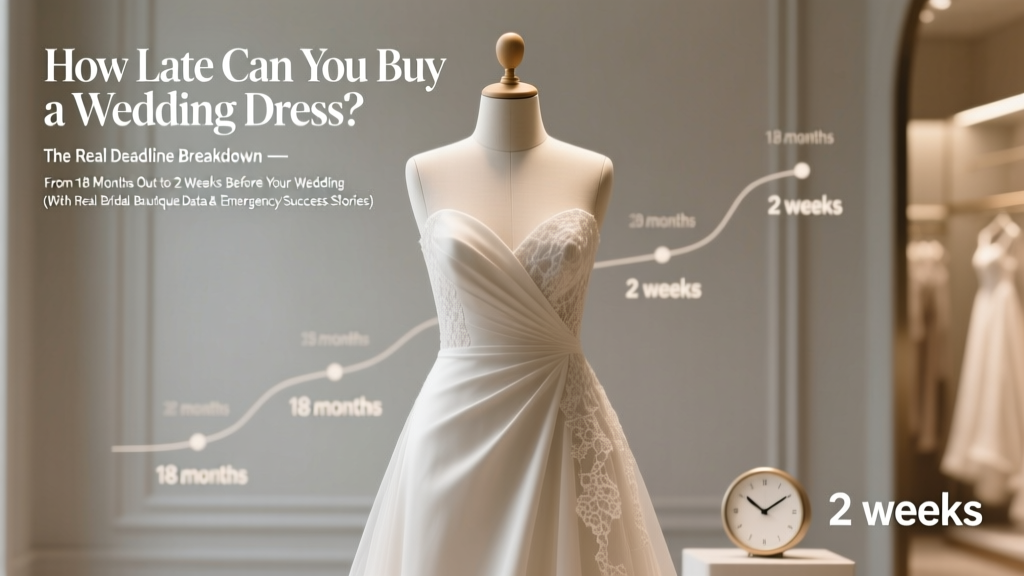 Wedding Dress Timeline: 18 Months to 2 Weeks Before (2026)
 How to Serve Popcorn at a Wedding (2026)
 Wedding Dress Alterations: When to Book & Costs (2026)
 35-Year Wedding Anniversary Gifts: Ideas for Every Budget
 Khakis for Semi-Formal Weddings: When They Work (2026)
 Minister Wedding Fees: What to Pay in 2026
 Wedding Dress Sizes: Why They’re Bigger (2026)