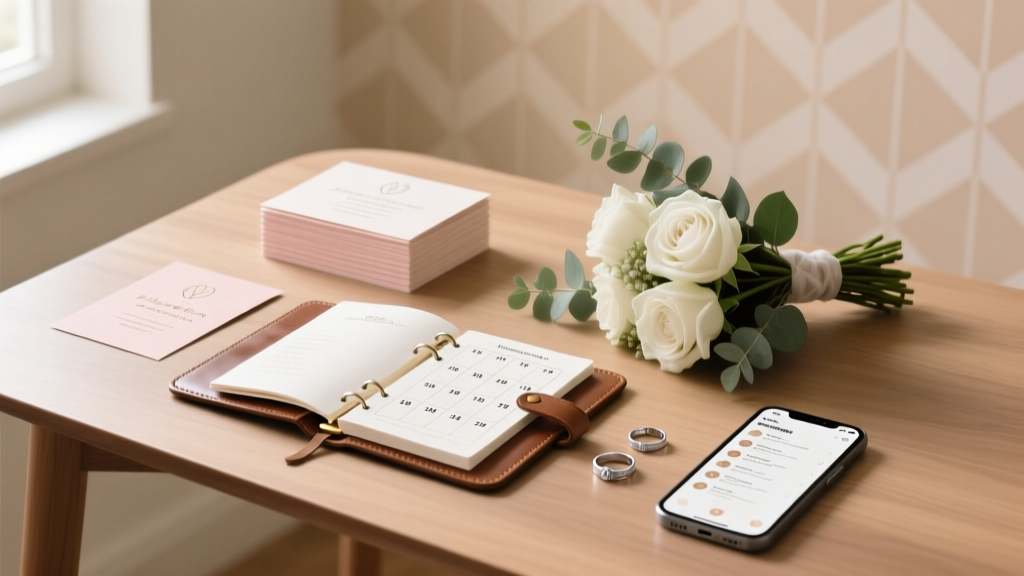
How to Plan a Wedding in 6 Months or Less
Six months (or less) can feel like a blink when you’re picturing a full wedding day—ceremony, reception, flowers, outfits, photos, family logistics, and a hundred little decisions you didn’t know existed until you got engaged. If you’re working with a short timeline because of a job change, military deployment, family health, a venue opening, or you simply don’t want a long engagement, you’re not alone.
The good news: a beautiful, meaningful wedding is absolutely possible on a faster timeline. The secret isn’t “doing everything.” It’s choosing what matters most, making a few strategic decisions early (venue, guest list, budget), and using a timeline that keeps you moving without feeling like wedding planning has taken over your entire life.
This guide walks you through a realistic 6-month wedding planning timeline, plus shortcuts, budget considerations, common mistakes to avoid, and planner-approved tips to keep stress low and joy high.
First: Get Clear on Your “Fast-Track” Wedding Priorities
When planning a wedding in 6 months or less, clarity beats perfection. Before you tour a venue or scroll a single Pinterest board, do a 30-minute planning huddle together.
Answer these 5 questions
- What are our top 3 priorities? (Examples: great food, live music, beautiful photos, a meaningful ceremony, keeping it under $15k.)
- What’s our realistic budget range? Include who is contributing and when payments are due.
- How many guests are we willing to host? Fast timelines often work best with 30–120 guests, but any size is possible with the right choices.
- What’s our ideal vibe? (Garden party, modern city, classic ballroom, cozy restaurant, destination weekend.)
- What do we want to simplify? (Skip favors, reduce décor, use digital invites, choose an all-inclusive venue.)
Pro tip: Use the “two yeses, one no” rule
If either partner feels strongly against something (a big bridal party, a late-night afterparty, a formal dress code), that’s a no. Fast planning goes smoother when you avoid overcommitting.
The Non-Negotiables You Should Book ASAP
With a short engagement, availability is the biggest challenge—especially for venues and top-tier vendors. These are your first moves, ideally within the first 1–2 weeks.
- Venue (ceremony + reception) or a ceremony site + separate reception location
- Catering (if not included)
- Photographer/videographer (at least photography)
- Officiant (or legal requirements for your area)
- Planner/coordinator (at minimum, a month-of coordinator)
- Music (DJ or band)
Fast-track venue options that save weeks
- All-inclusive venues (venue + catering + rentals + staffing)
- Restaurants with private dining (built-in food, bar, tables, ambiance)
- Hotels (ceremony, reception, and guest rooms in one place)
- Community spaces with preferred vendor lists
Real-world scenario: The “Saturday is booked” moment
You fall in love with a venue, but Saturdays are gone for the next six months. Consider:
- Friday or Sunday weddings (often lower minimums and more vendor availability)
- Brunch or luncheon weddings (fresh, different, and typically less expensive)
- Off-season dates (late fall/winter can be gorgeous and budget-friendly)
Your 6-Month Wedding Planning Timeline (Month-by-Month)
Use this as a checklist-style roadmap. If you have less than six months, compress the steps and prioritize booking first.
Month 6 (Weeks 1–4): Lock the Big Decisions
- Set a budget and decide who is paying for what.
- Create a target guest count and start a rough guest list.
- Book your venue and pick your date.
- Book photography, catering (if needed), planner/coordinator, DJ/band, and officiant.
- Choose your wedding party (or decide to skip it).
- Start dress/outfit shopping. For shorter timelines, focus on off-the-rack, sample sales, or designers with rush options.
Budget shortcut: Pick a “one-splurge” category
Decide where you’ll spend more (photos, food, or entertainment are common) and keep everything else simple. This avoids budget creep when planning moves quickly.
Month 5: Design, Guest Experience, and Communication
- Send save-the-dates or a “wedding announcement email” (especially for travel weddings).
- Book florist or decide on DIY/simplified florals.
- Choose your color palette and general décor plan.
- Secure rentals (chairs, linens, lighting) if not included.
- Book hair and makeup.
- Begin planning your ceremony (readings, vows, any cultural elements).
Real-world scenario: You’re inviting out-of-town guests
When planning a wedding fast, guests need clarity early. Set up a simple wedding website with:
- Venue address and timing
- Hotel block (even a small courtesy block helps)
- Parking/transport tips
- Dress code
- Registry info (if you want one)
Month 4: Attire, Menu, and Details That Make It Feel Like “You”
- Order attire: wedding dress/suit, partner outfit, accessories.
- Schedule alterations (rush appointments may be needed).
- Finalize key vendors: bakery, transportation, photo booth (optional).
- Plan your menu tasting (or finalize menu choices).
- Choose a day-of timeline draft with your coordinator.
- Start planning music moments: processional, first dance, parent dances.
Pro tip: Keep décor “high impact, low effort”
- Focus florals on bouquets + ceremony backdrop + a few statement pieces
- Let the venue do the work (great architecture, garden, view, or lighting)
- Use candles, greenery, and linen upgrades instead of lots of small décor items
Month 3: Invitations, Legal Requirements, and Final Vendor Checks
- Send wedding invitations (8–10 weeks out is ideal for a short timeline).
- Set your RSVP deadline for 3–4 weeks before the wedding.
- Apply for your marriage license based on your local rules (timing varies).
- Confirm vendor contracts, payment schedules, and arrival times.
- Book any remaining services: officiant meeting, ceremony musicians, day-of assistant.
- Plan a backup weather plan if any portion is outdoors.
Common mistake: Waiting too long on stationery
Printing and mailing can take longer than expected. If you’re behind, switch to:
- Digital invitations with online RSVPs
- Postcards instead of full invitation suites
- A simple printed invite plus a website for details
Month 2: Finalize the Guest Count and Build the Day-Of Plan
- Track RSVPs and follow up with non-responders.
- Finalize floor plan and seating approach (assigned tables are faster than assigned seats).
- Choose ceremony details: vows, readings, order of events.
- Confirm final menu and bar selections.
- Create a detailed wedding day timeline (getting ready, photos, ceremony, cocktail hour, reception highlights).
- Plan tips/gratuities and prepare envelopes if you’re tipping in cash.
Real-world scenario: Your guest list is changing weekly
This is common with quick planning. Protect your budget by:
- Setting a firm “max guest count” in writing
- Using an A-list/B-list approach
- Choosing a venue/caterer with clear per-person pricing and deadlines
Month 1: The Final Stretch (And How to Stay Calm)
- Provide final headcount to your caterer/venue by their deadline.
- Confirm vendor arrival times and share contact info.
- Finalize seating chart and print place cards (if using).
- Pack day-of essentials: vow books, rings, marriage license, shoes, emergency kit.
- Do your final attire fittings.
- Schedule a walk-through with your coordinator/venue if possible.
A Simple “Short Engagement” Budget Strategy
Planning quickly can either save money (fewer extras, faster decisions) or cost more (rush fees, limited choices). Keep it balanced with a clear spending plan.
Common wedding budget categories to plan for
- Venue + catering + bar (often 40–55%)
- Photography/videography
- Attire + alterations
- Entertainment
- Flowers + décor
- Planner/coordinator
- Stationery
- Hair and makeup
- Officiant + license fees
- Tips, taxes, and service charges
Pro tips to stay on budget with a 6-month timeline
- Choose fewer vendors: all-inclusive venues or restaurant weddings can reduce rentals, staffing, and coordination needs.
- Watch service charges: catering and venues may add 20–30% in fees and tax.
- Consider “pre-owned”: dresses, décor, signage, and even candles can be found through resale groups.
- Limit custom builds: custom installations and complex floral structures are hard to execute quickly and can balloon costs.
Shortcuts That Still Feel Elevated
You don’t need a year to create a wedding that feels thoughtful. These choices look polished and save time.
- Curated menu + signature drink instead of lots of add-ons
- Seasonal flowers and greenery to simplify sourcing
- One beautiful ceremony focal point (arch, floral ground piece, or statement backdrop)
- Digital RSVPs to reduce mailing time and tracking headaches
- Bridal party optional (or keep it small)
- Shorter photo list that prioritizes must-have family groupings
Common Mistakes to Avoid (From Wedding Planners)
- Trying to plan without a decision deadline. Fast planning needs firm “by this date” moments, especially for vendors.
- Underestimating alterations timelines. Even off-the-rack outfits often need tailoring. Book fittings early.
- Skipping a rain plan. If you’re outdoors, you need a real backup option—not a hope and a prayer.
- Not reading contracts closely. Know cancellation policies, overtime rates, and what’s included.
- Overcomplicating décor. Lots of small DIY projects can eat your weekends fast.
- Forgetting buffer time on the wedding day. Build in 10–15 minutes between major events. It reduces stress instantly.
Wedding Planner Pro Tips for a Calm, Organized 6-Month Plan
- Use one shared planning hub: a spreadsheet, planning app, or shared folder with contracts and vendor contacts.
- Schedule one weekly wedding check-in (30–45 minutes). Outside that window, be engaged, not consumed.
- Ask vendors for preferred partners. Fast timelines benefit from teams who already work well together.
- Build a “decision filter”: if it doesn’t support your top 3 priorities, it’s optional.
- Plan for payment timing: quick weddings can mean multiple deposits due at once. Keep a cash-flow calendar.
FAQ: Planning a Wedding in 6 Months or Less
Is 6 months enough time to plan a wedding?
Yes. Many couples plan a full wedding in 6 months by booking the venue and key vendors first, keeping design choices streamlined, and using a clear timeline. Flexibility on day of week and guest count helps a lot.
What’s the hardest part of planning a wedding quickly?
Vendor and venue availability. The earlier you book the “big four” (venue, catering, photography, entertainment), the smoother everything else becomes.
How do we plan a wedding in 3–4 months?
Use the same steps, just compressed: book venue and top vendors in the first week, choose attire off-the-rack, send digital invitations, and simplify décor. Consider an all-inclusive venue or restaurant reception to cut logistics.
Can we still have a traditional wedding with a short engagement?
Absolutely. You may need to be flexible on the date, choose vendors with availability, and avoid long lead-time items (custom attire, highly specialized décor). The structure can still feel classic and complete.
How can we save money when planning fast?
Focus spending on what guests experience most (food, drink, music) and keep the rest minimal. Choose an off-peak date, reduce rentals with an all-inclusive venue, use seasonal florals, and skip extras like favors and elaborate signage.
Do we need a wedding planner for a 6-month wedding timeline?
Not required, but strongly helpful—especially a month-of coordinator. Short timelines move fast, and having a pro manage vendors, timing, and last-minute changes can save you stress and prevent costly mistakes.
Next Steps: Your 6-Month Wedding Planning Game Plan
If you’re feeling overwhelmed, bring it back to the basics: pick your date, set your budget, confirm your guest count, and book the vendors that make everything else possible. Then move down the timeline one week at a time. A short engagement doesn’t mean a lesser wedding—it often means a more intentional one.
Start today with these three actions:
- Write down your top 3 wedding priorities and your maximum budget.
- Draft your guest list into an “A list” and “B list.”
- Reach out to 3–5 venues (and ask about Fridays/Sundays and all-inclusive packages).
When you’re ready for more help—timelines, budget templates, registry ideas, and guest communication scripts—browse more planning guides on weddingsift.com. We’re cheering you on every step of the way.
More Articles
 Cocktail Hour on Wedding Invitations: Where & How to List It
 Who Pays for What in a Wedding Traditionally (2026)
 Realistic Wedding Budget Guide (2026)
 Fake Flower Wedding Bouquet: 7 Realistic, Budget Steps
 Best Wedding Gifts That Couples Actually Use (2026)
 Wedding Invitation Checklist: 7-Step Guide (2026)
 How Do People Pay for Weddings? (2026)
 Elopement Wedding Cost Breakdown (2026)
 Do Wedding Venues Allow Outside Catering? (2026)
 Wedding Seating Plan: Stress-Free Guide (2026)