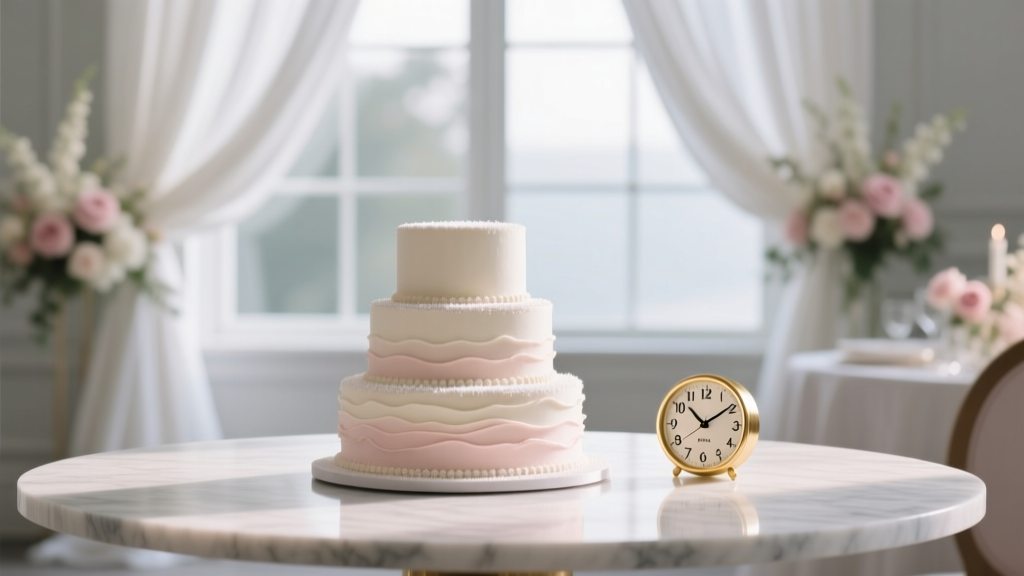
Wedding Planning How to Choose a Cake Cutting Time
You’ve picked the flavor (or three), you’ve fallen in love with a design, and you’ve probably had at least one spirited conversation about buttercream vs. fondant. Now comes a surprisingly tricky question that impacts your entire wedding reception timeline: when should you cut the cake?
Cake cutting is one of those moments that feels simple—until you’re staring at a schedule with a grand entrance, dinner, speeches, first dance, sunset photos, a packed dance floor, and a venue that shuts down at 10:00 p.m. The good news is there’s no single “right” time. There is, however, a best time for your wedding style, guest count, and flow.
This guide will help you choose a cake cutting time that feels natural, photographs beautifully, keeps guests happy, and supports your budget and catering plan—without turning your reception into a checklist marathon.
What the Cake Cutting Actually Does in Your Reception Timeline
The cake cutting isn’t just a photo op. It often acts like a “chapter break” in your wedding reception, signaling one of the following:
- Dessert is about to be served (cake, plated dessert, dessert bar, late-night sweets).
- The formal moments are wrapping up and it’s time to party.
- A cue for guests that something is happening—great for regathering everyone after mingling.
- A timeline anchor for your catering team to portion, plate, and serve efficiently.
Understanding what you want the cake cutting to accomplish makes it much easier to place it at the right time.
The Most Popular Cake Cutting Times (and Who They Work Best For)
Option 1: Right After Grand Entrance (Early Cake Cutting)
Best for: couples who want a relaxed evening, shorter receptions, or who are worried about guests leaving early.
How it usually flows:
- Grand entrance
- Quick welcome toast
- Cake cutting
- Dinner service begins
Why couples love it: Your hair and makeup are freshest, you’ll capture the moment before guests scatter, and the catering team has plenty of time to cut and plate cake.
Real-world scenario: A Sunday wedding with a 4:00 p.m. ceremony and a 7:30 p.m. wrap-up. Cutting early ensures everyone sees it, and dessert can be served right after dinner without rushing.
Watch-outs: Cake is traditionally a dessert moment, so cutting too early can feel slightly out of sequence if you’re doing a formal plated dinner. If you cut early, ask catering to wait to serve until after dinner so it still feels like dessert.
Option 2: After Dinner, Before Dancing (Classic Timing)
Best for: traditional reception timelines, mixed-age guest lists, and couples who want the cake moment to transition into partying.
How it usually flows:
- Dinner
- Toasts
- Cake cutting
- First dance / parent dances
- Open dance floor
Why it works: Guests are seated or nearby, it feels natural as dessert begins, and the cake cutting can “release” everyone to the dance floor right after.
Real-world scenario: A 150-guest Saturday wedding with a 6-hour reception. Guests enjoy dinner, listen to speeches, then you cut the cake and the DJ kicks off dancing—smooth and familiar.
Watch-outs: If speeches run long, cake cutting becomes one more thing guests wait for. Keep toasts tight (more on that below).
Option 3: During Golden Hour (Photo-First Cake Cutting)
Best for: couples prioritizing photography and sunset lighting, especially with outdoor venues.
How it usually flows:
- Dinner begins
- Couple sneaks out for sunset photos
- Cake cutting staged either just before or just after golden hour
- Dessert served later
Why couples choose it: You get gorgeous, flattering light and can take your time without feeling like the whole reception is watching the clock.
Real-world scenario: A vineyard wedding with sunset at 7:45 p.m. You plan cake cutting at 7:30 p.m. in a well-lit area near the reception, then head to sunset photos. Guests enjoy coffee, conversation, and dessert later.
Watch-outs: Make sure the cake table has proper lighting if you’re indoors or under tents. Photographers can work magic, but they can’t invent light where none exists.
Option 4: Late-Night Cake Cutting (Party-Forward)
Best for: couples with a high-energy dance floor, late-night snacks, and guests who will stay late.
How it usually flows:
- Dinner + toasts
- Dancing begins
- Cake cutting as a “late-night surprise”
- Dessert served with coffee or late-night bites
Why it can be fun: It breaks up dancing, gives guests a second wind, and pairs nicely with espresso, hot chocolate bars, or late-night snacks.
Real-world scenario: A city wedding with a live band and an 11:00 p.m. end time. You cut the cake at 9:45 p.m., serve it right after, and keep the party going.
Watch-outs: Some guests (especially older relatives) may leave earlier and miss it. If it matters to you that certain people see it, choose an earlier slot—or do a private cut plus a quick public photo moment.
Step-by-Step: How to Choose Your Best Cake Cutting Time
Use this checklist to land on a time that fits your wedding reception timeline and your priorities.
Step 1: Decide what matters most
- Do you want most guests to witness it?
- Do you want the best possible photos?
- Do you want dessert served immediately after?
- Are you trying to keep formalities short so you can dance?
- Do you need a buffer for outfit changes, bustle help, or vendor flips?
Step 2: Map your non-negotiables first
Place these into your timeline before you plug in cake:
- Ceremony start/end
- Cocktail hour (and any room flip)
- Dinner service style (buffet typically moves faster; plated can be longer)
- Toasts
- First dance + any parent dances
- Sunset time (if photos matter)
- Venue end time + last call
Step 3: Consider your catering and dessert plan
Your dessert strategy affects timing more than couples expect.
- Serving cake to everyone: cut earlier so staff has time to portion and plate.
- Small cutting cake + sheet cakes in the back: you can cut any time; service is easier and often cheaper.
- Dessert bar: cake cutting can be symbolic; schedule it as a photo moment and open dessert afterward.
- Plated dessert (not cake): you may cut cake whenever you want and serve it later as a takeaway or late-night sweet.
Step 4: Look at your guest energy (and exit patterns)
Guest flow is real. If you have a lot of families, older guests, or a long drive back to hotels, people tend to leave after these moments:
- After dinner
- After toasts
- After cake/dessert
If you’re concerned about guests leaving early, place cake cutting earlier so they feel included—and so dessert can be served before the crowd thins.
Step 5: Pick a time window, not just a minute
Instead of “8:17 p.m. cake cutting,” plan a 10–15 minute window. This reduces stress if dinner runs late or a speech goes long.
Planner-friendly wording for your timeline: “Cake Cutting (8:30–8:45 p.m.)”
Sample Timelines with Cake Cutting (Realistic and Guest-Friendly)
Traditional 5:00 p.m. Ceremony / 11:00 p.m. Reception End
- 5:00 Ceremony
- 5:30 Cocktail hour
- 6:30 Grand entrance + first dance
- 6:45 Dinner
- 7:45 Toasts (keep it to 10–12 minutes total)
- 8:00 Cake cutting
- 8:10 Dessert served
- 8:20 Open dancing
Short Reception (Perfect for Brunch or Sunday Evening)
- 3:00 Ceremony
- 3:30 Cocktail hour
- 4:30 Grand entrance
- 4:40 Cake cutting
- 4:45 Dinner
- 5:30 Toasts
- 5:45 Dancing
- 7:00 Send-off
Party-Forward Timeline with Late-Night Dessert
- 5:30 Ceremony
- 6:00 Cocktail hour
- 7:00 Dinner
- 8:00 Toasts
- 8:20 Dancing begins
- 9:45 Cake cutting
- 10:00 Dessert + coffee bar
- 11:00 Last song
Budget Considerations That Can Influence Cake Cutting Time
Timing affects labor and service logistics, which can affect cost—especially with full-service catering.
- Staffing for cutting and plating: If you want cake served quickly to a large guest count, you may need additional servers or prep time.
- Sheet cake vs. all-tier cake: Using a small cutting cake with sheet cake in the kitchen can lower costs and speed service. The cutting time becomes more flexible.
- Late-night service fees: Serving dessert late can require staff to stay longer or return to service stations, which may add overtime.
- Photography coverage: If your photographer leaves before the cake cutting, you may need extra coverage time—or move cake earlier.
Budget-friendly tip: If you love the look of a tall tiered cake but don’t need it to feed everyone, ask your bakery about a display cake (or partially faux tiers) plus sheet cake for serving.
Common Mistakes Couples Make (and How to Avoid Them)
Mistake #1: Scheduling cake cutting too late for your must-have guests
If it matters to you that grandparents or out-of-town family see it, do it earlier—either right after dinner or before dancing.
Mistake #2: Forgetting to tell the DJ/band and catering team the plan
Cake cutting needs coordination. If your DJ doesn’t announce it (when you want it announced) or catering isn’t ready to slice, it can stall the night.
Mistake #3: Putting it after a long series of speeches
Guests get restless. If you want cake after toasts, keep toasts short and spaced thoughtfully.
Mistake #4: Poor cake table placement and lighting
A cake shoved into a dark corner makes for awkward photos and a crowd bottleneck. Place it where guests can gather comfortably, and add lighting if needed.
Mistake #5: Not planning for the “what happens next” moment
Right after you cut, someone needs to:
- Move the cake to the kitchen (if required)
- Plate slices or open the dessert station
- Clear a small area so guests aren’t stuck standing around waiting
Wedding Planner Pro Tips for a Smooth, Beautiful Cake Cutting
- Ask your photographer what they need: A quick heads-up 5 minutes before cake cutting helps them position lighting and capture reactions.
- Use a “fake cut” slice if you’re nervous: Many bakers can create an easy-to-cut section (especially with dense cakes). It keeps the moment tidy.
- Do a private cake cut if you’re shy: You can cut the cake with just your photographer, then do a quick public pose with the cake for guests.
- Skip the smash conversation until you’re both aligned: If one of you hates the idea, decide in advance. No surprises—ever.
- Keep it short and sweet: The magic is in the moment, not the length. One photo-worthy cut, a bite, a kiss, and you’re done.
Quick Cake Cutting Checklist (Save This)
- Choose a cake cutting window (10–15 minutes)
- Confirm dessert service plan with catering (immediate vs. later)
- Confirm photographer coverage includes cake cutting time
- Tell DJ/band when to announce (or not announce) it
- Check cake table placement, lighting, and space for guests to gather
- Assign someone to bring the cake knife/server set (and wipe plate if needed)
- Decide: feed each other gently, playful bite, or no feeding
FAQ: Cake Cutting Time Questions Couples Ask All the Time
What is the “best” time to cut the cake at a wedding?
The most common sweet spot is after dinner and toasts, before open dancing. It feels natural, keeps guests engaged, and allows dessert service to roll out smoothly.
Do we have to serve cake immediately after we cut it?
No. You can cut the cake for photos and serve it later—especially if you’re doing a plated dessert, dessert bar, or late-night sweets. Just make sure catering knows your plan so nothing gets delayed.
Will guests leave right after cake is served?
Some will. Cake can signal “the night is winding down,” even if it isn’t. If you want guests to stay and dance, pair cake cutting with an energy shift—like opening the dance floor right after, or announcing a fun moment (bouquet toss, late-night snack, band set change).
What if our photographer leaves before the cake cutting?
You have three options:
- Move cake cutting earlier
- Add photography coverage time (often 1 extra hour)
- Do a private cake cut during coverage for photos, and serve cake later without the formal moment
We’re doing cupcakes or a dessert table—do we still need a cake cutting time?
Not necessarily. Many couples still do a small cutting cake for tradition and photos, but you can also skip the formal cake cutting and simply “open” the dessert table at a planned time.
How long does cake service take for a large wedding?
It depends on guest count and staffing. For 150–200 guests, portioning and plating can take 20–40 minutes if it starts after the cut. If you want dessert served quickly, cut earlier or ask catering about using sheet cake for faster service.
Your Next Steps: Choose a Time That Fits Your Wedding, Not a Rulebook
Pick the cake cutting time that supports your reception flow, your guest experience, and the parts of the night you care about most. If you’re torn between two options, choose the one that:
- keeps stress low
- works with your photo coverage
- makes dessert service easiest
- includes the guests you most want present
Once you decide, share the plan with your venue coordinator, caterer, photographer, and DJ/band so everyone is working from the same timeline.
Wishing you a celebration that feels effortless and joyful—one sweet moment at a time. For more wedding planning timelines, reception tips, and thoughtful guides, explore the planning resources on weddingsift.com.
More Articles
 Wedding Cash Gift Amounts: 2026 Region & Relationship Guide
 Wedding Letter for Best Friend: 7 Steps (2026)
 Fun Wedding Reception Without Dancing (2026)
 Freeze Wedding Cake Top Layer: 7 Mistakes to Avoid (2026)
 Wedding RSVP System: Boost Response Rate to 92% (2026)
 Wedding Dress Alterations Tip Guide (2026)
 Sew a Wedding Dress: 7 Realistic Steps (2026)
 My Entrance Cost Trap: Save 37% Without Losing Grandeur
 Wedding Room Block Formula: Save $1,200+ (2026)
 Wedding Invitation Stamps Guide (2026)