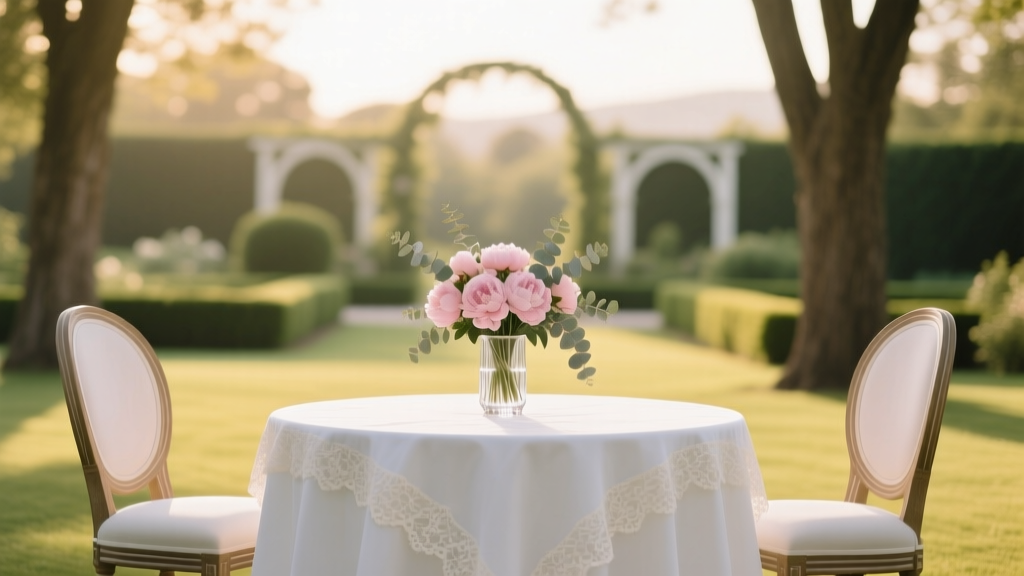
How to Plan a Wedding With a Sweetheart Table
You’ve probably pictured your reception a hundred different ways: laughing with friends, hugging family, sneaking a quiet moment together when the room gets loud. A sweetheart table can make that last part easier. It gives you a dedicated spot for the two of you to sit, eat, breathe, and actually take in the day you planned.
At the same time, many couples worry it might feel “separate” or awkward—like you’re too far from your guests, or it puts you on display. The good news: a sweetheart table can feel warm and connected when it’s planned thoughtfully. With the right placement, timing, and design, it becomes a cozy anchor for your reception instead of a stage.
This guide walks you through planning a wedding reception with a sweetheart table—layout options, décor ideas, budgets, timeline tips, and the most common mistakes wedding planners see (plus how to avoid them).
What Is a Sweetheart Table (and Why Couples Choose It)?
A sweetheart table is a small table for just the couple at the wedding reception—usually placed near the dance floor or in a central area so you’re still close to the celebration.
Reasons couples love sweetheart tables
- Quality time together: You’ll actually sit and connect, even if it’s just for a few minutes.
- Easier room planning: No need to decide which friends sit at the head table with you.
- More flexibility: Great for blended families, divorced parents, or complex dynamics.
- Photo-friendly focal point: A beautiful backdrop creates a “moment” without building a full head table.
When a sweetheart table might not be the best fit
- You really want a traditional head table experience with your wedding party beside you.
- You’re anxious about being the center of attention (a sweetheart table can feel more “spotlighted” depending on placement).
- Your venue has limited floor space, and the extra setup could make the room tight.
Step-by-Step: Planning Your Sweetheart Table Setup
Step 1: Decide the vibe—cozy and connected or dramatic and formal
Start with your reception style and guest count. A sweetheart table can look intimate and romantic, or elevated and grand—both work as long as it matches the room.
- Cozy + connected: Place it just off-center, near guest tables, with soft décor (candles, low florals) and comfortable chairs.
- Dramatic + formal: Center it with a statement backdrop, tall florals, or a patterned wall—perfect for ballroom weddings.
Real-world scenario: If you’re having a 70-person garden wedding, a sweetheart table tucked near the dance floor with café lights overhead feels natural. If you’re hosting 220 guests in a hotel ballroom, a symmetrical setup with a backdrop helps the sweetheart table feel intentional rather than “small in a big room.”
Step 2: Choose the right location in the room
Placement makes or breaks the experience. Your goal is to feel included while still having a dedicated space.
Best placement options:
- Near the dance floor: You’re close to action, guests can find you easily, and photos look lively.
- Centered on the long wall: Works well when guest tables face the same direction (classic reception layout).
- In front of a scenic feature: Fireplace, garden view, window wall—instant backdrop without extra rental costs.
Avoid these placements:
- Right next to the kitchen doors (noise, foot traffic, and staff movement can interrupt dinner).
- In a tight corner where guests have trouble approaching you.
- So far away that you feel like you’re not part of your own reception.
Step 3: Pick the table shape and size (comfort first)
Most sweetheart tables are 4–6 feet long. Round tables can work too, especially in smaller spaces.
- Rectangle (4–6 ft): Best for photos, décor, and a “head table” feel.
- Round (36–48 in): Great for intimate receptions or when space is limited.
- Serpentine or sweetheart-shaped specialty tables: Beautiful, but typically higher cost and not always necessary.
Comfort check: Make sure there’s room for your chairs to slide back without hitting a wall or décor. If you’re wearing a fuller dress, test how it feels sitting at a standard-height table.
Step 4: Decide what to do with your wedding party
One big reason couples choose a sweetheart table is freedom from the traditional head table. You have a few options:
- Wedding party at a “king’s table”: A long table near you, but you’re still seated together at your own table.
- Wedding party at guest tables: Lets them sit with partners and friends.
- Mixed approach: Maid of honor/best man at a nearby table, others with guests.
Real-world scenario: If half your wedding party is married and traveling with kids, seating them at guest tables with their families is often more comfortable—and they’ll appreciate it.
Step 5: Plan the sweetheart table décor (without overspending)
This table will be in a lot of photos, but you don’t need to overdo it. Choose 2–3 statement elements and keep the rest clean.
Sweetheart table décor checklist:
- Table linens: Floor-length linen or a textured overlay for a polished look.
- Floral arrangement: A low centerpiece, a garland, or bud vase cluster.
- Candles: Votives and tapers add warmth and elevate photos.
- Chair choice: Upgraded sweetheart chairs or simple chairs with subtle styling.
- Backdrop (optional): Draping, greenery wall, floral meadow, neon sign, or a venue feature.
- Personal touch: Your monogram, framed note, “Mr. & Mrs.” sign, or a shared detail (like a book stack for book lovers).
Budget-friendly styling ideas:
- Repurpose ceremony flowers (arch florals, aisle arrangements) behind or in front of your table.
- Use candles and bud vases instead of one large floral piece.
- Choose a naturally beautiful backdrop (a window view or greenery wall) and skip extra rentals.
Timeline Tips: When to Use the Sweetheart Table (and When Not To)
You don’t have to be glued to your sweetheart table all night. Most couples sit for dinner and key moments, then mingle.
A smooth reception flow with a sweetheart table
- Grand entrance: Go straight to your table or do a quick welcome first.
- First dance (optional now): Some couples do it right away to get nerves out.
- Dinner service: Sit and eat. This is your built-in breather.
- Toasts: Positioned well for photos and guest sightlines.
- Parent dances / open dance floor: After dinner, you’ll naturally leave the table more often.
Planner pro tip: Ask your coordinator or catering captain to plate your meals first. Couples with sweetheart tables are easy to serve quickly—use that advantage so you can eat while the room is calmer.
How long should you stay at your sweetheart table?
- Typical: 20–45 minutes during dinner, plus toasts.
- If you’re big minglers: Eat early, then do table visits between courses or immediately after dinner.
- If you need quiet time: Build in 10 extra minutes after the main course for just the two of you before formalities begin.
Guest Experience: Making a Sweetheart Table Feel Inclusive
The main concern couples have is, “Will guests feel like we’re far away?” You can prevent that with a few intentional choices.
Ways to stay connected
- Choose approachable placement: Near the dance floor or centered where guests can see you easily.
- Do quick table touches: Visit each table for a minute or two between courses or after dinner.
- Invite photos: Consider a brief “come say hi” moment after toasts for friends who want a quick picture.
- Keep the table open visually: Avoid overly tall florals that create a wall between you and guests.
Real-world scenario: At a 150-person reception, a couple placed their sweetheart table on a small riser for visibility. It looked great in photos—but guests felt hesitant to approach. A better fix is a ground-level table with a strong backdrop and good lighting so it photographs well without feeling untouchable.
Budget Considerations: What a Sweetheart Table Might Add (or Save)
A sweetheart table can be budget-neutral, and sometimes it saves money compared to a large head table. The cost depends on décor and rentals.
Potential costs
- Backdrop rental: Draping, wall panels, floral installs can add up quickly.
- Upgraded chairs: Statement chairs may require rentals.
- Extra florals: If you’re adding a special arrangement just for this table.
- Lighting: Pin spotting or a dedicated spotlight can be worth it for photos.
Potential savings
- Fewer florals across a long head table or wedding party table.
- Less complicated table design overall (only two place settings to coordinate).
- Simpler seating choices for the wedding party (they can sit at standard guest tables).
Money-smart approach: Put your “wow” budget into one focal element—either the backdrop or lush tabletop florals—not both, unless it fits your overall wedding budget comfortably.
Common Mistakes to Avoid (and What Wedding Planners Recommend Instead)
- Mistake: Placing the sweetheart table too far away.
Fix: Keep it within the natural “main zone” of dinner and dancing so guests feel connected. - Mistake: Over-decorating the table so you can’t comfortably eat or move.
Fix: Leave space for plates, glasses, and your legs—especially with a formal gown. - Mistake: Forgetting lighting.
Fix: Ask your venue or DJ about uplighting or a soft spotlight. The sweetheart table is a photo hotspot. - Mistake: Skipping a plan for guest interaction.
Fix: Add 10–15 minutes to the timeline for table visits or a casual mingle moment after dinner. - Mistake: Choosing uncomfortable chairs for the look.
Fix: Test-sit if possible. If the chairs are rentals, confirm seat height and comfort.
Wedding planner pro tips
- Do a “plate-and-phone” test: At your walkthrough, mimic a place setting and make sure there’s room for décor, your arms, and your outfit.
- Keep your vendor team in the loop: Photographer, DJ/band, and coordinator should all know where the sweetheart table is so key moments are framed well.
- Consider a sweetheart table microphone plan: If you’ll do a welcome speech or thank-you, ensure the mic can reach you easily (wireless preferred).
Sweetheart Table Layout Ideas for Different Wedding Styles
Small wedding (30–60 guests)
- Round sweetheart table near the center to avoid a “separate” feel.
- Skip the backdrop and use candles + bud vases for a romantic look.
Medium wedding (75–150 guests)
- Rectangle sweetheart table facing the room with guest tables angled toward it.
- Add a simple greenery backdrop or draping for photo impact.
Large wedding (150–300+ guests)
- Sweetheart table centered on a long wall or on the edge of the dance floor.
- Use lighting and a defined backdrop so the table doesn’t feel visually “lost.”
Sweetheart Table Planning Checklist
- Choose sweetheart table vs. head table based on your priorities and family dynamics
- Confirm placement on the floor plan (avoid kitchen/traffic zones)
- Select table size/shape and confirm linen needs
- Decide wedding party seating plan
- Plan décor: linens, florals, candles, chairs, backdrop (if any)
- Confirm lighting plan with venue/DJ
- Build timeline: when you’ll sit, eat, do toasts, and mingle
- Tell your photographer/videographer where key moments will happen
- Assign someone to guard your plates/drinks briefly if you’re pulled away (coordinator or trusted friend)
FAQ: Sweetheart Tables at Wedding Receptions
Is a sweetheart table rude or too “separate” from guests?
No. Guests typically understand you’ll want time together. It feels welcoming when it’s placed near the action and you plan a little time to mingle (table touches after dinner work beautifully).
Where should a sweetheart table go in the reception space?
Most couples place it near the dance floor or centered on a main wall with a clear view of the room. Avoid kitchen doors, tight corners, and heavy server traffic.
Can we still have speeches and toasts with a sweetheart table?
Absolutely. In fact, it often photographs better because you’re clearly framed. Just confirm microphone access and sightlines so guests can see and hear comfortably.
What do we do with our wedding party if we have a sweetheart table?
You can seat them at a nearby long table, scatter them among guest tables, or use a mix. Many couples choose guest-table seating so attendants can sit with their partners.
How do we decorate a sweetheart table without spending a fortune?
Pick one “hero” element (a backdrop or statement floral piece) and keep the rest simple. Repurposing ceremony florals and using candles + bud vases are two of the most budget-friendly upgrades.
Should we do a raised platform for the sweetheart table?
Usually no. A small riser can improve visibility in a large room, but it can also make guests hesitant to approach. Try lighting and a backdrop first; use a riser only if the venue layout truly needs it.
Next Steps: Turn Your Sweetheart Table Into a Moment You’ll Actually Enjoy
Start by pulling up your venue floor plan and marking two or three possible sweetheart table locations—then choose the one that feels closest to your guests without landing in a traffic zone. From there, decide your “wow” element (backdrop, chairs, or tabletop design), and build your reception timeline so you have time to eat, breathe, and still connect with everyone you love.
If you’re still deciding between a sweetheart table and a head table, ask yourself one simple question: do you want dinner to feel like a shared couple moment or a group moment with your wedding party? There’s no wrong answer—just the one that fits your day.
For more reception layout ideas, décor guidance, and timeline templates, explore our latest planning guides on weddingsift.com.
More Articles
 How to Plan a Wedding in Ireland (2026)
 Beach Wedding Planning Guide: Real-World Tips (2026)
 How Soon Do You Send Wedding Invitations (2026)
 Wedding Day Emergency Kit: Full Checklist
 Disney World Wedding Cost: Real Numbers (2026)
 Afternoon Wedding Outfit: The 7-Second Rule (2026)
 Wedding Hotel Room Block Guide (2026)
 Wedding Photographer Yearly Bookings: 22–35 Is Sweet Spot
 Palmetto Bluff Wedding Cost Breakdown (2026)
 Wedding Invitation Timeline: Avoid RSVP Chaos & Save $1,200