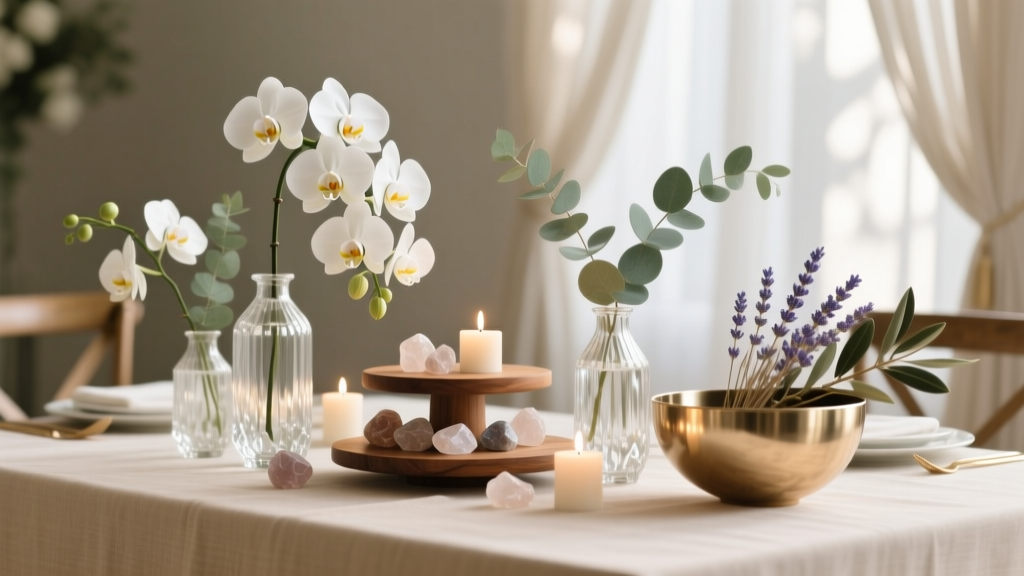
Wedding Planning How to Choose Centerpieces
You can spend months picking the perfect venue, the right band, and the dream dress—and then feel completely stuck when someone casually asks, “So what are you doing for centerpieces?” If you’re in that place, you’re not alone. Centerpieces sound like a small detail, but they sit right in the middle of your guests’ experience: they’re in every photo, they set the mood, and they can quietly make the whole room feel “you.”
The good news: choosing wedding centerpieces doesn’t have to be overwhelming or expensive. With a clear plan, a little inspiration, and a few practical guardrails (budget, table size, season, and venue rules), you can land on options that look stunning, feel personal, and work beautifully for your wedding day logistics.
This guide will walk you through how to choose centerpieces step by step, share real-world examples couples run into all the time, and help you avoid the most common mistakes wedding planners see.
Start With the Big Picture: Your Wedding Style, Venue, and Guest Experience
Before you pin 200 photos of tall floral arrangements, zoom out. Great wedding reception centerpieces aren’t just pretty—they fit the room, support your overall wedding decor, and make guests comfortable.
Match the centerpiece to your wedding style
- Romantic/classic: Lush florals, taper candles, neutral linens, soft textures.
- Modern/minimal: Sculptural arrangements, monochrome flowers, sleek vases, negative space.
- Rustic/garden: Bud vases, wildflower mixes, wood rounds, greenery runners.
- Glam: Tall arrangements, crystal, reflective bases, dramatic lighting, bold blooms.
- Beach/coastal: Airy greens, white flowers, soft blues, driftwood accents (used sparingly).
Let your venue guide you (and save you money)
Your venue already has a personality. Work with it, not against it:
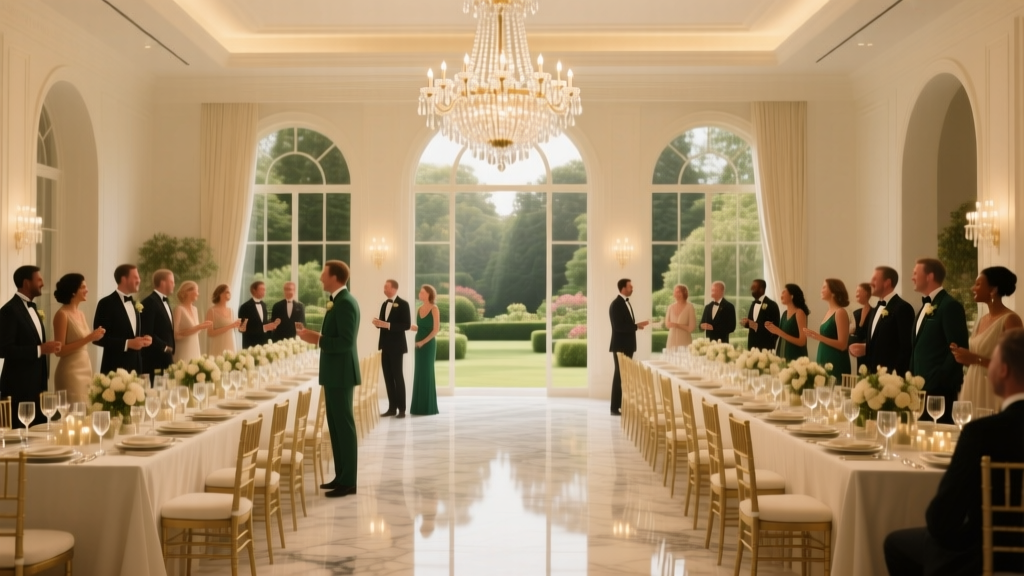
- Historic ballroom: Tall centerpieces can look right at home; candlelight reads beautifully.
- Barn or industrial loft: Mixed heights and textured elements soften the space.
- Tent wedding: You may need more visual “weight” on tables because the room is open and bright.
- Winery/restaurant: Often benefits from low, intimate centerpieces that encourage conversation.
Keep guest comfort front and center
Guests will remember whether they could see each other and talk comfortably. A simple rule many planners use: centerpieces should be either low enough to see over or high enough to see under.
- Low arrangements typically stay under 10–12 inches.
- Tall designs often start around 24 inches with a clear stem and arrangement above eye level.
Step-by-Step: How to Choose Centerpieces That Work (and Photograph Well)
Step 1: Confirm your table types and sizes
Centerpieces are not one-size-fits-all. Start with your layout:
- Round tables (60” or 72”): Great for one focal centerpiece in the middle.
- Long banquet tables: Often look best with garlands, clusters of bud vases, and candles spread out.
- Mixed table shapes: Plan a “family” of centerpiece styles that relate to each other.
Quick tip: Ask your venue or rental company for a sample floor plan and table measurements early. This saves you from ordering centerpieces that overwhelm (or disappear on) the table.
Step 2: Decide what “centerpiece” means for you
Centerpieces don’t have to be flowers in a vase. Think in categories:
- Floral-based: Full arrangements, bud vases, compotes, greenery runners.
- Candle-based: Tapers, pillars, floating candles, hurricane lanterns.
- Non-floral: Fruit, books, ceramic vessels, terrariums, lanterns, table lamps (very on-trend).
- Hybrid: A smaller floral moment + candlelight + texture (often the most budget-friendly and rich-looking).
Step 3: Pick a “hero” element and 1–2 supporting elements
This keeps your tables cohesive and prevents overbuying. A reliable formula:
- Hero: A floral arrangement OR a trio of statement candles OR a unique vessel.
- Support #1: Candlelight (almost always elevates the look).
- Support #2: Texture—like linen napkins, bud vases, greenery, or a subtle runner.
Step 4: Build a realistic budget per table
If you’re trying to keep wedding decor costs predictable, think in “per table” numbers. As a general planning guide (varies by region and florist):
- Simple bud vase clusters: often lower cost, especially with seasonal blooms.
- Medium low floral centerpieces: a mid-range option that photographs well.
- Tall floral arrangements: usually the highest cost due to structure, mechanics, and more stems.
Budget-friendly truth: Candlelight is usually cheaper than adding more flowers, and it makes everything feel more intentional and romantic.
Step 5: Choose flowers and colors that suit the season
Seasonality is one of the biggest drivers of cost and availability. If your heart is set on a specific flower, ask your florist for “look-alikes” for your date. You’ll often get the same vibe without the premium price.
- Spring: tulips, ranunculus, anemones, lilac (limited), sweet peas.
- Summer: garden roses, dahlias (late summer), zinnias, cosmos, lush greenery.
- Fall: dahlias, mums (modern varieties), marigolds, warm-toned roses, berries.
- Winter: roses, anemones, amaryllis, evergreen, branches, textural accents.
Step 6: Confirm venue rules and logistics
Before you finalize designs, check:
- Open flame rules: Many venues require hurricanes, votives, or LED candles.
- Ceiling height and chandeliers: Tall centerpieces can conflict with lighting or sightlines.
- Load-in timing: Complex centerpieces require more setup time.
- Who moves items: Make sure someone (planner, coordinator, florist) is assigned for flipping rooms or moving centerpieces.
Centerpiece Ideas by Wedding Scenario (Real-Life Examples)
Scenario 1: “We have 18 round tables and a tight budget.”
Go for a cohesive, repeatable design that still feels layered:
- 3–5 bud vases per table (mixed heights)
- 3 votives + 1 small pillar candle in a hurricane
- Consistent vase style (clear glass or a single color)
Why it works: It looks abundant in photos, spreads florals across the table, and costs less than one large arrangement per table.
Scenario 2: “We’re doing long banquet tables and want a modern look.”
- Greenery runner (or smaller “meadow” clusters instead of one long garland)
- Taper candles in simple holders spaced evenly
- Occasional floral moments every few feet
Pro tip: If you love the garland look, ask for “greenery clusters” instead of continuous garland. You get the same vibe with less labor and waste.
Scenario 3: “Our venue is already gorgeous—we don’t want to overdo it.”
- Low, airy centerpieces that don’t compete with architecture
- Soft candlelight (votives + hurricanes)
- Upgraded linens or textured napkins for richness
Why it works: Understated centerpieces can feel luxe when the venue is doing the heavy lifting.
Scenario 4: “We want drama, but only for a few tables.”
This is a smart strategy: use “moment tables” to create impact without paying for tall florals everywhere.
- Splurge on sweetheart table or head table florals
- Add statement centerpieces to escort card table and bar
- Keep guest tables simpler and cohesive
A Practical Centerpiece Checklist (Use This Before You Book Anything)
- Count your tables and note their sizes and shapes.
- Decide your centerpiece style (low, tall, mixed, or runner).
- Set a per-table budget range and a total decor number you’re comfortable with.
- Choose your “hero” element and supporting pieces (candles/texture).
- Confirm venue rules (flames, setup time, ceiling height).
- Plan lighting (candles + ambient lighting makes centerpieces look more expensive).
- Ask about rentals (vases, stands, hurricanes). Rental fees can add up—get a clear quote.
- Confirm who sets up and who takes items down at the end of the night.
Timeline Advice: When to Decide and Order Centerpieces
- 8–10 months out: Gather inspiration, confirm guest count range, and think through your overall wedding theme and color palette.
- 6–8 months out: Book your florist (or rentals) if you’re in a busy season or popular area.
- 3–4 months out: Finalize centerpiece styles, quantities, and rental needs.
- 4–6 weeks out: Provide final table count after RSVPs; confirm delivery/setup times and venue rules.
- 1–2 weeks out: Review your decor checklist with your planner/coordinator and confirm who’s responsible for breakdown.
Common Mistakes to Avoid (and What to Do Instead)
- Mistake: Choosing centerpieces before confirming table sizes.
Do this instead: Get the floor plan first, then design to scale. - Mistake: Centerpieces that block conversation.
Do this instead: Go low or truly tall; avoid “in-between” heights at eye level. - Mistake: Spending big on florals but forgetting candlelight and linens.
Do this instead: Balance your budget—candles + textiles can make smaller florals feel elevated. - Mistake: Ordering too many different styles (it looks chaotic and costs more).
Do this instead: Create 2–3 coordinated centerpiece variations max. - Mistake: DIY centerpieces without a setup plan.
Do this instead: Assign helpers, pack table-by-table bins, and do a full mock setup at home.
Wedding Planner Pro Tips for Centerpieces That Feel Expensive
- Repeat one detail everywhere: The same candle holders, the same vase style, or the same greenery ties the whole reception together.
- Mix heights intentionally: Even low centerpieces look dynamic when bud vases vary in height.
- Use fewer flower varieties: A tighter floral recipe often looks more high-end and photographs cleaner.
- Consider scent and mess: Avoid heavily scented flowers if many guests will be close together; skip anything that sheds excessively.
- Think about photo angles: Centerpieces show up behind toasts and across tables. Make sure they look good from all sides, not just the “front.”
FAQ: Choosing Wedding Centerpieces
How much should we budget for wedding centerpieces?
It depends on your location, table count, and style (low vs. tall vs. mixed). A helpful approach is to set a comfortable total decor number, then divide by the number of guest tables and prioritize what matters most (guest tables, head table, entry, bar). Many couples save by doing simpler guest table centerpieces and adding impact with candles and a few statement moments.
Are tall centerpieces worth it?
Tall centerpieces can be stunning in ballrooms and large spaces, but they’re often more expensive and require careful planning for sightlines and setup. If you love the look, consider using them on only a portion of tables, then keep the rest low and cohesive.
Can we DIY our centerpieces?
Yes—especially bud vase clusters, candle groupings, and non-floral centerpieces. The key is logistics: build them in advance, pack them by table, label everything, and assign a reliable setup team. If you’re DIYing fresh flowers, practice once and confirm cold storage and transport plans.
How do we make simple centerpieces look fuller?
Use clusters instead of a single small arrangement, add candlelight (votives and hurricanes), and vary heights. Also consider upgrading linens or adding textured napkins—those details make the whole table feel richer.
What if our venue doesn’t allow open flame?
You still have options: LED candles can look beautiful when you use high-quality versions and mix sizes. You can also focus on floral, greenery, table lamps, or reflective elements that catch ambient light.
Do centerpieces need to match the bridal bouquet exactly?
No. They should feel related, not identical. Many florists use similar colors and a few repeated flower varieties, then adjust the recipe to suit each design and your budget.
Next Steps: Make Your Choice Feel Easy
If you’re deciding between a few centerpiece ideas, try this simple plan:
- Choose one overall direction (low, tall, or mixed).
- Pick your hero element (florals, candles, or a unique vessel).
- Build one mock table at home using items you already have (or inexpensive stand-ins) to test scale.
- Finalize your table count and layout, then request a clear quote from your florist or rental company.
Centerpieces don’t have to be complicated to be meaningful. When they reflect your style, fit your room, and keep guests comfortable, they’ll do exactly what they’re meant to do: make the celebration feel warm, welcoming, and unmistakably yours.
Looking for more reception and decor planning help? Explore more practical wedding planning guides on weddingsift.com to keep your next decisions simple and stress-free.
More Articles
 Wedding Photographer Duration: Real Data (2026)
 Good Wedding Gift Framework (2026)
 Wedding Witnesses: How Many Are Legally Allowed?
 Avoid Period on Wedding Day: 7 Gynecologist-Approved Tips
 Haldi Paste for Wedding: 7-Step Stress-Free Recipe (2026)
 Wedding Flower Seasonality Chart: Save 40% In Season
 How Many Matchboxes to Order for Wedding (2026)
 Black Dress for Evening Wedding: 5 Stylist Rules (2026)
 Wedding Planning How to Create a Stress-Free Morning
 How Many People Is a Large Wedding? (2026)