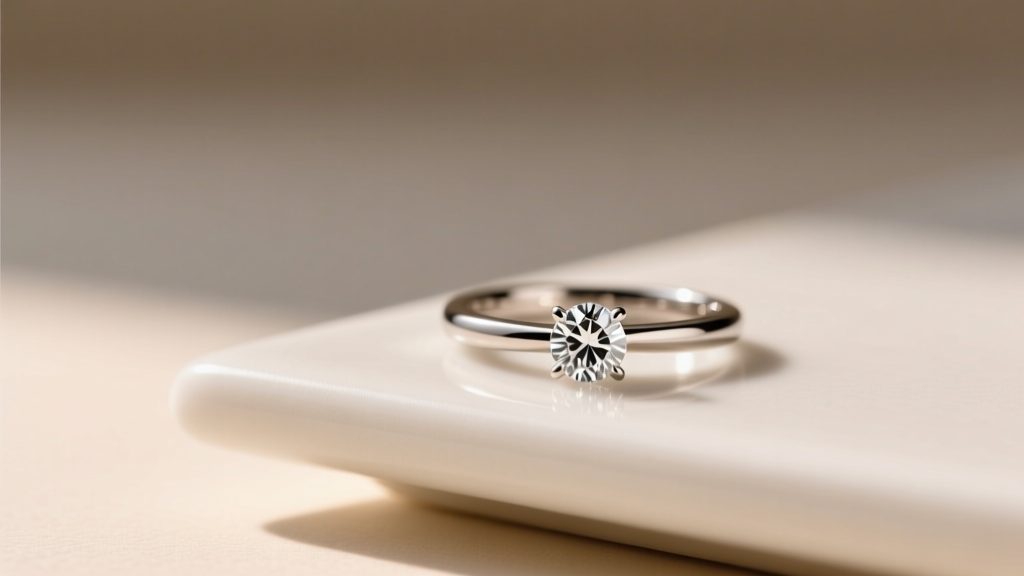
Modern Minimalist Engagement Ring Guide
A modern minimalist engagement ring has a certain confidence to it: clean lines, thoughtful proportions, and just enough detail to feel special without feeling busy. It’s a style that photographs beautifully, stacks well with a wedding band, and stays relevant long after the engagement photos are posted.
Minimalist doesn’t mean “plain,” though. The best modern minimalist bands are engineered for comfort and durability, designed to flatter the center stone, and finished with craftsmanship you can see in the light—crisp prongs, smooth edges, and a balanced silhouette. Choosing the right one is about understanding the metal, the setting, the stone, and how they’ll wear together every day.
This guide breaks down the key decisions—metals, settings, diamond shapes, quality factors, and practical buying tips—so you can choose a minimalist engagement ring that looks refined now and still feels like “the one” decades from now.
What Defines a Modern Minimalist Engagement Ring?
Minimalist engagement rings focus on purity of form: a slender or medium-width band, a single center stone (or very subtle accents), and a setting that looks intentional rather than ornate. “Modern” typically means one of the following:
- Sleek profiles (low to medium height, clean baskets, streamlined prongs)
- Simple geometry (knife-edge bands, flat-edge bands, straight shoulders)
- Contemporary finishes (high polish, satin/matte, brushed, or mixed finishes)
- Understated details (hidden halo, subtle cathedral, petite compass prongs)
Minimalist bands also pair naturally with today’s trend toward stackable wedding bands—thin contour bands, plain metal wedding bands, or delicate pavé bands that don’t overpower the engagement ring.
Choose the Right Metal for a Minimalist Band
Metal choice matters more in minimalist styles because there’s less design “noise.” The color tone, durability, and maintenance level are front and center.
Platinum: Premium, Dense, and Naturally White
- Look: Cool white with a soft sheen; develops a patina over time that many people love.
- Durability: Extremely durable and secure for prongs because it’s dense.
- Maintenance: Scratches show as a patina rather than metal loss; can be polished back to bright.
- Best for: Thin minimalist bands, high-value diamonds, active lifestyles, and long-term wear.
14K and 18K Gold: Classic With Options
- 14K gold: Great for everyday wear; slightly harder due to higher alloy content, often ideal for slim bands.
- 18K gold: Richer color (especially in yellow), slightly softer; luxurious feel and weight.
- Color choices: Yellow gold (timeless), white gold (bright and modern), rose gold (warm and romantic).
White gold is typically rhodium-plated for brightness. Plan on periodic re-plating depending on wear and skin chemistry—often every 12–36 months.
Alternative Metals (Titanium, Tungsten): Better for Bands Than Engagement Rings
These metals can be durable and budget-friendly, but they’re less common for engagement ring settings because resizing and delicate prong work can be challenging. For a minimalist engagement ring with a diamond, most couples are happiest with platinum or gold for long-term serviceability.
Band Width, Thickness, and Comfort: The Minimalist Balancing Act
Minimalist bands look effortless, but proportions matter. Too thin and the ring can feel delicate; too thick and it loses the airy modern look.
- Popular minimalist widths: 1.6mm–2.2mm for delicate; 2.3mm–3.0mm for a bolder minimal look.
- Thickness: Don’t neglect this. A well-made ring often has enough depth for strength even when the width is slim.
- Comfort fit: A comfort-fit interior (slightly rounded) helps the ring slide on and off smoothly and feels better for daily wear.
- Knife-edge: A classic-modern profile that catches light and makes the center stone feel more prominent without adding extra sparkle.
If you want a very thin band (under ~1.7mm), choose a sturdier metal (often platinum or 14K gold) and a setting designed to protect the stone and prongs.
Best Settings for a Modern Minimalist Engagement Ring
Solitaire (Prong Setting): The Minimalist Icon
A solitaire engagement ring is the go-to minimalist choice. The center stone becomes the statement, and the band stays quiet. For a modern feel, look for:
- Petite claw prongs for a refined outline
- Compass prongs (N/E/S/W) for a subtle geometric twist
- Streamlined basket with clean crossbars and balanced height
Bezel Setting: Sleek, Secure, and Truly Modern
A bezel wraps metal around the stone’s edge. It’s a favorite in current jewelry trends for its smooth profile and everyday practicality.
- Pros: Excellent security, fewer snag points, great for active hands.
- Style tip: A thin “micro-bezel” keeps the look light and contemporary.
- Consideration: Bezel can slightly reduce perceived sparkle compared to prongs, though a well-cut diamond still performs beautifully.
Hidden Halo or Subtle Pavé: Minimalism With a Secret
If you love minimalist bands but want a touch of extra shimmer, a hidden halo under the center stone or a very fine pavé on the band can add sparkle without changing the clean top view.
For pavé, prioritize craftsmanship: evenly spaced stones, smooth edges, and secure beadwork. Minimalist pavé should feel almost seamless, not bulky.
Picking the Center Stone: Diamond Cuts That Look Modern and Minimal
Minimalist bands highlight the center stone, so choose a shape that matches your style and lifestyle. These cuts are especially popular in modern engagement rings:
Round Brilliant: Timeless and Maximum Sparkle
Round diamonds remain the classic choice and pair beautifully with minimalist solitaires. They’re also forgiving in terms of hiding inclusions and delivering consistent brilliance.
Oval: Modern, Elongating, and Trend-Forward
Oval diamonds are a major engagement ring trend because they look larger per carat and flatter the finger. Pair with a simple band and consider prong placement to minimize the “bow-tie” shadow (a skilled jeweler can help).
Emerald Cut: Clean, Architectural Elegance
Emerald cut diamonds are the ultimate minimalist statement—long lines, mirror-like flashes, and a calm, sophisticated look. Because they’re step-cut, clarity matters more; inclusions can be easier to see.
Princess or Radiant: Crisp or Sparkly Geometry
Princess cut offers sharp symmetry; radiant cut blends shape with brilliant sparkle. Both look striking on streamlined bands, especially with claw prongs or a thin bezel for a modern edge.
Marquise and Pear: Vintage Shapes With a Fresh Minimalist Revival
These shapes are seeing renewed popularity when set simply—think a clean solitaire with minimal metal. V-prongs protect pointed tips and are worth prioritizing.
Diamond and Gemstone Quality: Where Minimalist Rings Need the Most Precision
With a simple band, you’ll notice the center stone quality and setting workmanship immediately. For diamonds, think in terms of the 4Cs with a minimalist lens:
- Cut: The top priority for sparkle. For round diamonds, look for Excellent/Ideal cut ranges on reputable grading reports (GIA or AGS-equivalent standards where available).
- Color: In white metals, many couples choose G–I for a bright look at good value; in yellow/rose gold, you can often go a bit warmer (H–J) and still look gorgeous.
- Clarity: “Eye-clean” is the goal. For round brilliants, SI1–VS2 is often a smart value range; for emerald cuts, consider VS2–VVS2 more often because step cuts reveal more.
- Carat: Choose a size that fits your hand and your budget. Minimalist settings can make a stone feel larger because there’s less distraction.
Lab-grown diamonds are also a major modern trend for couples who want a larger look or higher specs for the same budget. They offer excellent value, especially in larger carat sizes, though resale value and market pricing behave differently than natural diamonds.
If you’re considering alternative gemstones (like sapphire or moissanite), minimalist designs can be stunning. Just confirm the stone’s hardness and whether the setting protects edges and corners. Sapphires (including colorless “white sapphire”) are durable; moissanite offers exceptional sparkle; softer gems (like morganite) may require more cautious wear.
Matching a Minimalist Engagement Ring With a Wedding Band
A minimalist engagement ring should stack neatly with a wedding band, but the setting design determines how flush the bands sit.
- Flush fit: Lower baskets or certain solitaire designs allow a straight wedding band to sit close without a gap.
- Gap or contour: If the center setting sits low or wide, you may need a curved/contour band for a snug stack.
- Metal matching: Matching metals looks seamless and modern; mixing metals is also on-trend (yellow gold band with a platinum engagement ring can look intentionally contemporary).
- Width harmony: Many couples prefer a wedding band equal to or slightly thinner than the engagement band for a clean layered look.
Practical Buying Tips (What to Check Before You Buy)
- Ask about band measurements: Confirm band width and thickness, not just width. Minimalist rings need smart structural design.
- Inspect prongs: Prongs should be even, smooth, and securely tightened with no sharp edges. Claw prongs should look crisp, not bulky.
- Request a grading report: For diamonds, prioritize GIA (natural) and IGI/GIA (common for lab-grown) reports from reputable sellers.
- Check the ring’s profile: A very high-set solitaire can snag; a lower profile is often more wearable day to day.
- Confirm resizing policy: Especially important for eternity pavé bands or alternative metals, which can be difficult to resize.
- Try on similar widths: A 1.8mm band and a 2.2mm band can feel dramatically different on the hand.
Care and Maintenance for Minimalist Bands
Minimalist rings are easy to maintain, but they benefit from consistent care because small details—polish, prongs, symmetry—are the whole look.
- Weekly cleaning: Warm water, mild dish soap, and a soft toothbrush. Rinse well and dry with a lint-free cloth.
- Avoid harsh chemicals: Chlorine and strong cleaners can damage metal alloys and dull finishes.
- Remove for impact activities: Gym lifting, gardening, and heavy DIY can bend prongs or scratch metal—especially on slimmer bands.
- Schedule inspections: Have prongs checked about every 6–12 months, especially for prong settings and pavé.
- Re-polish as needed: High polish shows scratches; brushed finishes can be refreshed by a jeweler to maintain that modern texture.
Price Range and Value Tips
Pricing varies by metal, center stone, and craftsmanship. Here are realistic ranges many couples encounter when shopping for minimalist engagement rings:
- Setting only: Often $500–$2,500 for gold; $900–$3,500 for platinum, depending on brand, design complexity, and workmanship.
- Complete ring (lab-grown diamond): Commonly $1,800–$6,000+ depending on carat and quality.
- Complete ring (natural diamond): Often $3,500–$15,000+ depending on carat, cut, and color/clarity.
Best value moves:
- Prioritize excellent cut over higher color/clarity grades you can’t see.
- Consider 14K gold for slim minimalist bands if you want strong daily wear without the cost of platinum.
- Choose slightly under “milestone” carats (e.g., 0.90ct instead of 1.00ct) for better pricing.
- If you love emerald or oval shapes, compare stones in person or via detailed videos—performance varies more than many expect.
Common Mistakes to Avoid
- Going too thin for your lifestyle: Ultra-thin bands can warp over time, especially in softer metals or with high-set stones.
- Ignoring the setting height: A beautiful solitaire that sits very high can snag constantly and feel impractical.
- Choosing style over craftsmanship: Minimalist rings expose flaws. Uneven prongs, rough finishing, or poor symmetry will be noticeable.
- Not planning for the wedding band: If you want a flush stack, confirm it before buying—or expect to purchase a contour band.
- Assuming white gold is maintenance-free: Rhodium plating may need refreshing to keep that crisp modern white.
- Overpaying for “paper grades”: A higher clarity grade that looks identical to an eye-clean stone is rarely worth it.
FAQ: Modern Minimalist Engagement Rings
What band width is best for a minimalist engagement ring?
Many minimalist engagement rings land between 1.6mm and 2.2mm. If you want extra durability or a slightly bolder modern look, 2.3mm–3.0mm can still feel minimalist while wearing sturdier.
Is a bezel setting a good choice for an engagement ring?
Yes. A bezel setting is one of the most secure and modern options, with fewer snag points. If you want more visible diamond edge and lightness, ask for a thinner micro-bezel design.
Which diamond shape looks best with a minimalist band?
Round, oval, and emerald cuts are standout choices. Round is timeless and sparkly, oval feels current and elongates the finger, and emerald delivers sleek, architectural elegance that minimalist lovers often adore.
Should I choose platinum or gold for a minimalist ring?
Platinum is ideal if you want maximum longevity and strong prongs, especially for a thin band. 14K gold offers excellent durability at a lower price point and is a smart everyday choice. 18K gold is richer in color and feel but slightly softer.
Do minimalist engagement rings work with stackable wedding bands?
They’re one of the best styles for stacking. Just confirm whether your engagement ring allows a flush-fit wedding band or if you’ll need a curved/contour band for a tight stack.
How do I keep a minimalist ring looking new?
Clean it weekly with mild soap and a soft brush, remove it for heavy impact activities, and have the prongs inspected every 6–12 months. A quick professional polish or finish refresh can bring back that crisp minimalist look.
Next Steps: Find the Minimalist Ring That Fits Your Life
A modern minimalist engagement ring is at its best when the basics are done exceptionally well: a well-cut center stone, a durable metal choice, a setting designed for real life, and clean finishing that looks intentional from every angle. Start by choosing the metal and setting style that match your day-to-day routine, then focus your budget on the diamond (or gemstone) cut quality and craftsmanship.
If you’re comparing wedding bands, thinking about stackable sets, or deciding between platinum and gold, explore more jewelry guides on weddingsift.com to shop smarter and feel confident at every step.
More Articles
 Silver Wedding Rings: Risks & Better Alternatives
 Wedding Ring Insurance Costs What to Expect
 Pear-Shaped Diamonds Teardrop Elegance
 How to Choose a Wedding Band to Wear During Workouts
 Wedding Ring Tattoos Pros Cons and Alternatives
 How to Choose a Wedding Band With a Braided Design
 Moissanite vs Diamond: A Buyer's 2026 Guide
 Beach vs. Rustic Jewelry: Material Science, Aesthetic Logic, and Wearability Compared
 What Is a 10K Gold Wedding Band Worth? (2026)
 How to Choose an Engagement Ring With an East-West Setting