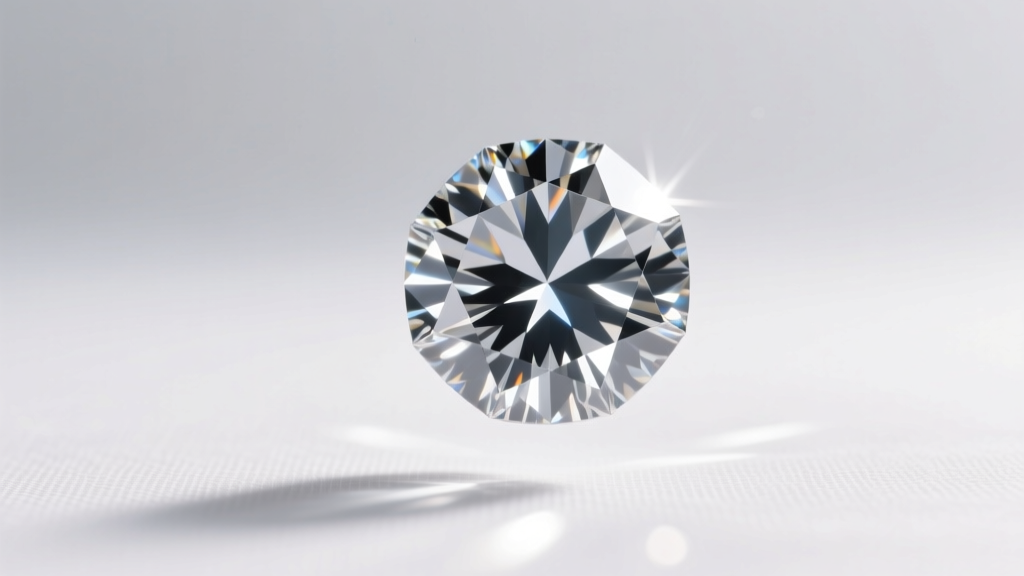
Radiant Cut Diamonds Maximum Fire and Brilliance
Some diamond shapes whisper; the radiant cut sparkles with a confident, lively energy. If you love the crisp outline of an emerald cut but want the “crushed ice” scintillation you see in brilliant cuts, radiant cut diamonds sit right in that sweet spot. They’re designed to catch light from multiple angles, making them a standout choice for engagement rings—especially for couples who want glamour without feeling overly traditional.
Choosing a radiant cut engagement ring (and the wedding band that pairs with it) isn’t only about getting a pretty shape. Proportions, facet pattern, length-to-width ratio, setting style, and metal choice all influence how the diamond performs—how bright it looks in everyday lighting, how large it appears on the finger, and how well it holds up over decades of wear.
This guide breaks down what makes radiant cut diamonds special, how to shop for quality, and how to get the best value—so you can choose a ring that looks breathtaking now and still feels right when it becomes part of your daily life.
What Makes a Radiant Cut Diamond So Brilliant?
The radiant cut is a rectangular or square diamond with trimmed corners and a facet pattern engineered for sparkle. Unlike step cuts (like emerald and Asscher) that create broad flashes and a hall-of-mirrors effect, radiant cuts use brilliant-style facets on the crown and pavilion to produce intense scintillation—those lively sparkles that dance as your hand moves.
Key Visual Traits
- Fire and brilliance: Strong light return and colorful flashes, especially in well-cut stones.
- Modern outline: Clean lines like a rectangle, softened by cut corners for a refined look.
- Versatility: Looks equally at home in classic solitaires, vintage halos, and bold three-stone settings.
Radiant vs. Emerald, Cushion, and Princess Cuts
- Radiant vs. emerald cut: Emerald cuts are step-cut and show clarity more easily; radiant cuts hide inclusions better and sparkle more.
- Radiant vs. cushion cut: Cushions are rounded-square and often softer in outline; radiants are sharper and more geometric.
- Radiant vs. princess cut: Princess cuts are square with sharp corners that need protection; radiant corners are clipped, generally more durable in daily wear.
Radiant Cut Quality Factors (The 4Cs, Plus What Matters Most)
Radiant cuts can look dramatically different from one stone to another, even with similar grading. Use the 4Cs as a framework, then focus on cut performance and face-up beauty.
Cut: The Biggest Driver of Sparkle
Radiant cuts don’t receive a formal cut grade from GIA (they do from some labs), so you’ll evaluate cut through proportions, facet pattern, and visual performance. Look for a diamond that appears bright across the entire surface with minimal dark areas (light leakage) and pleasing, balanced scintillation.
- Length-to-width ratio: Around 1.00–1.05 for a square radiant; 1.20–1.35 for a classic rectangular radiant. Longer shapes can look elegant and elongate the finger.
- Depth and table: Many attractive radiants fall around 61–67% depth and 61–69% table, but beauty matters more than hitting a “perfect” number. Avoid extremes that can make the diamond look smaller or glassy.
- “Crushed ice” vs. defined pattern: Some radiants show a splintery, crushed-ice shimmer; others have chunkier flashes. Choose the look you love by viewing videos in motion.
Color: What Looks Best in a Radiant Cut
Radiant cuts can show a bit more color than round brilliants because of their larger table and geometry—especially in larger carat weights. For a crisp, icy look in white metals (platinum or white gold), many couples prefer G–H or higher. In yellow or rose gold, H–J can look beautifully warm and offers strong value.
Clarity: Smart Places to Save
Thanks to their brilliant-style faceting, radiant cuts often disguise inclusions better than step cuts. Many buyers find excellent value in VS2–SI1 ranges, as long as the diamond is eye-clean—meaning you can’t see inclusions without magnification from a normal viewing distance. Pay extra attention near the center of the table, where inclusions are easiest to spot.
Carat Weight: Face-Up Size and Proportions
Radiant diamonds can face up smaller than some shapes at the same carat weight if the depth is excessive. When comparing options, consider millimeter dimensions (length and width) in addition to carat weight. A well-proportioned radiant can look larger and brighter than a heavier diamond with less efficient cut.
Best Settings for Radiant Cut Engagement Rings
The right setting highlights the radiant’s sparkle and protects its corners. Your lifestyle should guide the decision as much as aesthetics.
Solitaire Settings (Timeless Classic)
A solitaire radiant cut engagement ring keeps the look clean and modern. Choose four or six prongs with thoughtful corner coverage. A slightly tapered band can make the center stone look larger, while a cathedral adds height and presence.
Halo Settings (Maximum Sparkle, On-Trend)
Halo engagement rings remain popular for couples who want extra brilliance and a larger visual footprint. Radiant halos can be micro-pavé for a seamless shimmer or double halos for bold glamour. If you love a refined, contemporary look, consider a thin, precision halo with a delicate band.
Three-Stone Settings (Meaningful and Balanced)
A radiant center pairs beautifully with trapezoid or tapered baguette side stones for a structured, high-end look. For more sparkle, round or cushion side stones soften the geometry. Three-stone rings are also a practical way to add finger coverage without jumping dramatically in center carat size.
Bezel and Half-Bezel (Modern and Protective)
Bezel settings are trending with couples who want sleek design and daily durability. A full bezel frames the radiant and protects edges; a half-bezel keeps the look airy while still offering security. This is a strong option for active lifestyles.
Choosing the Right Metal: Platinum, Gold, and Current Trends
Metal choice affects color appearance, durability, and overall vibe. Two-tone engagement rings are also trending—pairing a platinum or white-gold head with a yellow or rose gold band for contrast and flexibility.
- Platinum: Naturally white, dense, and durable; great for prongs. Develops a soft patina over time that can be polished.
- 18K gold: Rich color and classic luxury feel; slightly softer than 14K, but excellent for fine jewelry.
- 14K gold: A popular choice for engagement rings and wedding bands due to strength and value.
- White gold: Bright and modern; typically rhodium-plated for extra whiteness (may need re-plating over time).
- Yellow gold: Timeless and currently very on-trend; flattering with warmer diamond colors.
- Rose gold: Romantic, vintage-leaning, and flattering on many skin tones.
Radiant Cut Wedding Bands: Pairing Tips
Radiant cut engagement rings can sit higher or lower depending on the setting. Before choosing a wedding band, check how flush it fits and how it feels stacked.
- Flush-fit bands: A cathedral or raised setting often allows a straight band to sit close.
- Curved/contour bands: Designed to hug the engagement ring and reduce gaps—popular with halos and low-set centers.
- Pavé bands: Add sparkle but require mindful maintenance. Match diamond size and setting style for a cohesive look.
- Channel-set or bezel-set bands: A practical option for daily wear with strong security for side stones.
- Timeless pairing: A radiant solitaire with a plain platinum or gold band never goes out of style.
Practical Buying Tips for Radiant Cut Diamonds
- Prioritize light performance: Choose a diamond that looks bright across the face. Request high-quality videos and multiple lighting views when possible.
- Compare millimeter measurements: Two 2.00 carat radiants can look noticeably different in size depending on depth.
- Confirm eye-clean clarity: Especially in SI1–SI2. Ask specifically if inclusions are visible from the top at 6–12 inches.
- Protect the corners: Use prongs or a bezel that properly covers corners and edges.
- Get a reputable grading report: GIA and AGS-style reporting (where available) are strong standards; stick with well-known labs for consistency.
- Check return and warranty terms: For peace of mind, especially when buying online.
Care and Maintenance: Keeping Your Radiant Sparkling
Radiant cuts have many facets, which can collect oils and residue. A little routine care keeps them bright.
- At-home cleaning: Soak in warm water with mild dish soap for 15–20 minutes, gently brush with a soft toothbrush, rinse, and pat dry with a lint-free cloth.
- Avoid harsh chemicals: Remove rings before using bleach, chlorine, or abrasive cleaners.
- Regular inspections: Have prongs checked every 6–12 months—especially with pavé bands or halo settings.
- Safe storage: Store separately to prevent scratching other jewelry, ideally in a soft pouch or ring box.
Price Range and Value Tips for Radiant Cut Diamonds
Radiant cut diamonds often cost less per carat than round brilliants, making them a strong value choice for couples wanting bigger visual impact. Pricing depends most on carat weight, color, clarity, and how desirable the shape and cut quality are.
- Value sweet spots: Consider H–I color (especially in yellow/rose gold) and VS2–SI1 clarity if eye-clean.
- Shape strategy: A slightly elongated radiant (higher length-to-width ratio) can look larger and more elegant without increasing carat.
- Setting budgeting: Intricate halos and pavé work add cost and ongoing maintenance—beautiful, but factor that into long-term value.
- Think in total ring budget: If you want a matched bridal set, allocate for the wedding band early so the engagement ring setting and height work well with stacking.
Common Mistakes to Avoid
- Buying by numbers alone: Proportions matter, but the diamond must look bright and lively in motion.
- Ignoring corner protection: Radiants are durable, but corners still need secure prongs or a bezel.
- Overpaying for clarity: Many radiants look stunning at VS2 or SI1 if eye-clean.
- Choosing a band that doesn’t sit well: If the wedding band won’t stack comfortably, you may end up with gaps or wear issues.
- Not considering metal color with diamond color: The wrong pairing can make a diamond look warmer or duller than expected.
FAQ: Radiant Cut Diamonds
Do radiant cut diamonds sparkle more than emerald cuts?
Yes. Radiant cuts use brilliant-style faceting designed for high scintillation and fire, while emerald cuts are step-cut and show broader, calmer flashes.
Are radiant cut diamonds durable for everyday wear?
They’re generally very wearable, especially because the corners are trimmed rather than sharp. Durability still depends on the setting—secure prongs or a bezel is key for long-term protection.
What is the best length-to-width ratio for a radiant cut engagement ring?
It depends on your style. Square radiants are around 1.00–1.05. Rectangular radiants often look balanced at 1.20–1.35. Try on both shapes to see what flatters your finger.
Is a radiant cut diamond a good choice for a halo engagement ring?
Absolutely. Radiant cuts pair beautifully with halos because the outline is clean and the center stone already has strong brilliance—together they create a high-sparkle look that’s both current and timeless.
What color grade should I choose for a radiant cut diamond?
For a bright white look in platinum or white gold, many people choose G–H or higher. In yellow or rose gold, H–J can look gorgeous and offers better value.
How do I keep my radiant cut diamond ring sparkling?
Clean it gently with warm soapy water and a soft brush, and have the setting inspected regularly. Oils and lotions can dull brilliance quickly, so routine cleaning makes a noticeable difference.
Radiant Cut Diamonds: A Confident Choice for Modern Bridal Jewelry
If you want a diamond engagement ring that delivers maximum fire and brilliance while keeping a clean, modern silhouette, the radiant cut is one of the strongest options on the market. Focus on face-up beauty, choose a setting that protects the corners, and pair it with a wedding band that stacks comfortably—those details are what turn a beautiful ring into a forever ring.
For more guidance on diamond shapes, bridal sets, and wedding ring styles, explore more jewelry guides on weddingsift.com.
More Articles
 Clean Diamond Wedding Band: 5 Mistakes & Quick Fixes (2026)
 How to Choose a Wedding Band for Sensitive Skin
 Engagement Ring Trends 2026 | What's In and Out
 Wedding Band or Engagement Ring First? (2026)
 Best Themes for Smart Jewelry: Functionality, Aesthetics, and Ethical Craftsmanship
 Wedding Ring Sizing: Safe, Affordable Methods (2026)
 Engagement Ring Trends Predictions for Next Year
 Wedding Band Thickness: The Science-Backed Sweet Spot
 How to Choose a Wedding Band With a Ceramic Material
 26th Wedding Anniversary: Traditional and Modern Gift Guide