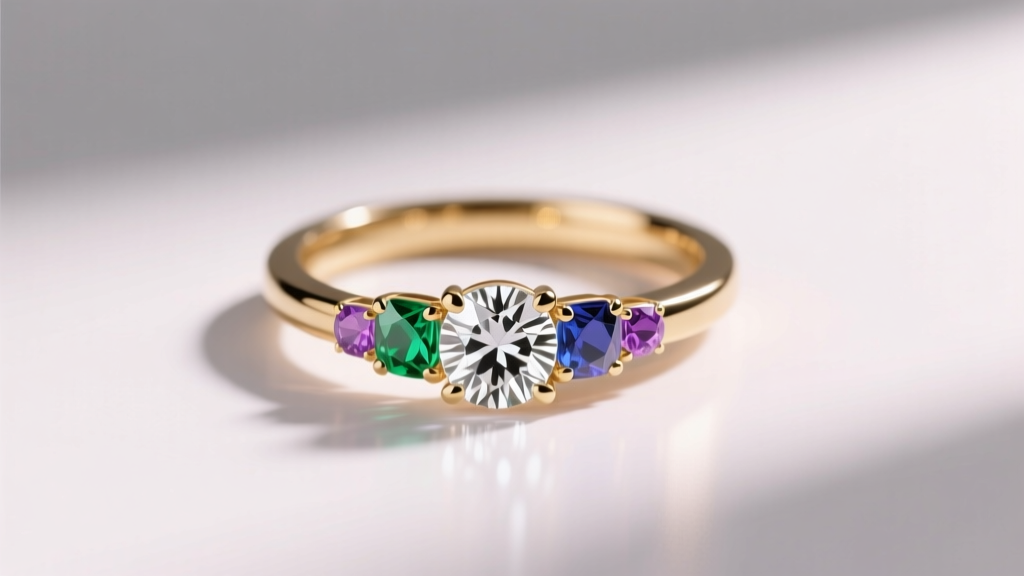
How to Choose an Engagement Ring With Colored Accent Stones
A classic diamond engagement ring will always have its place, but colored accent stones have become one of the most loved ways to add personality without straying too far from tradition. A small halo of sapphires, a pair of emerald side stones, or subtle ruby details along the band can change the entire mood of a ring—making it feel more “you,” while still looking timeless in photos decades from now.
Colored accents also let couples balance beauty, symbolism, and budget. They can highlight a center diamond, echo a partner’s favorite color, nod to a birthstone, or create contrast against a specific metal tone. The key is choosing stones and settings that hold up to everyday wear, complement the center stone, and age gracefully.
This guide walks you through gemstone options, ring styles, quality factors, practical buying tips, price expectations, and common mistakes—so you can confidently choose an engagement ring with colored accent stones you’ll love for a lifetime.
Why Colored Accent Stones Are Trending (and Why They’re Still Classic)
Today’s engagement ring trends lean toward customization: mixed metals, unique diamond shapes (oval, pear, marquise), and meaningful details. Colored accent stones fit right into that movement because they’re visually striking yet easy to wear. A hint of blue sapphire or green emerald can make a ring feel one-of-a-kind without being overly bold.
At the same time, colored stones are hardly “new.” Sapphires, rubies, and emeralds have been set in fine jewelry for centuries. When chosen thoughtfully—especially in durable gemstones and protective settings—colored accents read as refined rather than trendy.
Choosing Your Colored Accent Stones
Best Gemstones for Everyday Wear
Accent stones may be small, but they still take daily knocks from handwashing, cleaning, and general wear. Durability matters. Look for stones with good hardness and toughness:
- Sapphire (blue, pink, yellow, green, white): Mohs 9 hardness, excellent for daily wear. A top choice for engagement rings with side stones or halos.
- Ruby: Also corundum (Mohs 9). Rich red accents are bold, romantic, and durable.
- Spinel: Mohs ~8, great toughness, available in vivid colors (cobalt blue, hot pink, lilac). Increasingly popular in modern engagement rings.
- Garnet: Mohs ~6.5–7.5 depending on type. Beautiful but better for protected settings and mindful wear.
Stones That Need Extra Caution
Some gemstones are stunning but require more protective settings or occasional replacement:
- Emerald: Mohs 7.5–8 but typically included with natural inclusions; can chip if hit. Best in bezel or halo-protected designs.
- Opal: Softer and sensitive to water/chemicals; generally not ideal for daily-wear accent stones.
- Tanzanite: Mohs ~6–6.5; prone to abrasion and chips. Better for special-occasion jewelry.
Natural vs. Lab-Created Colored Stones
Lab-created sapphires and rubies are chemically identical to natural versions, often with excellent clarity and consistent color. They’re a smart value choice for accent stones because you get strong color without paying a premium for rarity. Natural colored stones can carry more romance and uniqueness, especially if you love subtle color zoning or one-of-a-kind tones.
If you’re already investing in a center diamond, choosing lab-created accent stones can free up budget for better craftsmanship, a more secure setting, or a higher-quality center stone.
How to Match Accent Colors to Your Center Stone
For a Diamond Center Stone
Diamonds pair well with nearly any accent color. The most timeless combinations include:
- Blue sapphire accents: Crisp contrast, vintage feel, and a royal-inspired look.
- Pink sapphire accents: Romantic, modern, and flattering on many skin tones.
- Green emerald accents: High-contrast and luxurious, especially with yellow gold.
To keep the ring cohesive, aim for accent stones that either complement the diamond’s color grade (cooler hues for icy diamonds, warmer hues for warmer diamonds) or intentionally contrast it for drama.
For a Colored Center Stone
If your center stone is already colored (sapphire, morganite, emerald, etc.), accent stones should support—not compete. Consider:
- White diamond accents: Always safe and bright; add sparkle without muddying the look.
- Tone-on-tone accents: Lighter or darker shades of the same color family for a layered effect.
- One contrasting pop: For example, a blue sapphire center with tiny diamond and ruby details can work—if kept delicate.
Ring Styles That Showcase Colored Accents
Three-Stone Rings (Center + Two Side Stones)
A three-stone engagement ring is a classic. Colored side stones—like pear-cut sapphires or tapered baguette rubies—can frame the center diamond beautifully. This style is timeless, photogenic, and easy to pair with many wedding bands.
Halo Rings (Colored Halo Around the Center)
A halo of small colored stones can make the center stone look larger and add a distinct outline. Blue sapphire halos remain a top trend because they sharpen a diamond’s whiteness and add depth. For wearability, prioritize secure micro-pavé work and a halo that sits low enough not to snag.
Pavé or French-Set Accent Stones on the Band
Colored pavé along the shank offers subtle sparkle with personality. This is ideal if you want a classic solitaire look from a distance, with color revealed up close. Choose a setting style with strong bead or shared-prong work done by an experienced jeweler—small stones are only as secure as the craftsmanship holding them.
Hidden Accents (Under-Gallery or Peekaboo Stones)
Hidden colored stones under the center setting are a modern favorite—especially for couples who want something meaningful but understated. A small birthstone tucked into the gallery can feel intimate and symbolic, while keeping the ring’s face traditional.
Metal Choices: What Looks Best and Wears Best
- Platinum: Dense, hypoallergenic, and very secure for tiny accent stones. Develops a patina over time rather than losing metal. Higher cost, excellent longevity.
- 18K Gold: Rich color and premium feel; slightly softer than 14K, so consider a sturdier setting style for pavé.
- 14K Gold: A popular sweet spot for engagement rings—durable, budget-friendly, and available in yellow, white, and rose.
Color pairing tip: Yellow gold makes blue sapphires and emeralds look warmer and richer. White gold or platinum makes blues and pinks look crisp and modern. Rose gold pairs beautifully with pink sapphires, morganite centers, and softer color palettes.
Quality Factors for Colored Accent Stones
Color: The Top Priority
For accent stones, strong, even color is usually more important than extreme clarity. You want accents that read as vibrant at a glance, not washed out. Ask to see the ring in different lighting (indoor, near a window, and under warmer lights) to check how the color shifts.
Cut and Matching
Small stones should match in size, shape, and color. Poorly matched side stones can make even a beautiful center diamond look less refined. For halos and pavé, consistency is the difference between “fine jewelry” and “mass-produced.” Look closely for even spacing, aligned stones, and symmetrical outlines.
Treatments: Know What You’re Buying
Many sapphires and rubies are heat-treated to improve color and clarity—this is common and generally stable. Emeralds are often oiled to minimize the look of inclusions. Ask the jeweler what treatments are present and whether they require special care. For peace of mind, request documentation for higher-value stones.
Practical Buying Tips for Couples
- Try on rings with your wedding band in mind: Halos and ornate side-stone settings can need a curved or custom band for a flush fit.
- Choose protective settings for softer stones: Bezels, halos, or thicker prongs can reduce chipping risk.
- Check the height and snag factor: A ring that catches sweaters or hair will be frustrating long-term.
- Ask about stone replacement and warranty: Especially for micro-pavé or channel-set accents.
- See the ring in person if possible: Photos can exaggerate or mute gemstone color.
Care and Maintenance for Colored Accent Rings
Regular care keeps colored stones bright and the setting secure:
- Clean gently: Warm water, mild soap, and a soft toothbrush are usually safe for sapphires, rubies, and diamonds. Avoid harsh chemicals and abrasive cleaners.
- Be cautious with ultrasonics: Ultrasonic cleaners can loosen pavé stones and may not be suitable for treated or included gemstones (especially emerald).
- Schedule inspections: Have prongs and pavé checked every 6–12 months. Accent stones are small; if one loosens, it can disappear quickly.
- Remove during risky activities: Gym workouts, gardening, heavy lifting, and cleaning are common times for chips or bent prongs.
Price Range and Value Tips
Engagement rings with colored accent stones can fit a wide range of budgets. Pricing depends on center stone type/size, metal choice, and the complexity of the setting:
- Entry to mid-range: 14K gold with small lab-created sapphire or ruby accents; simple pavé or three-stone designs often start around the cost of a comparable diamond-accent ring, with modest added cost for color.
- Mid to high: Natural sapphire side stones, platinum settings, intricate halos, or designer craftsmanship can increase cost significantly—especially when color matching and hand-setting are involved.
- Luxury: High-grade natural rubies/emeralds, custom designs, and premium center stones (larger diamonds or fancy shapes) sit at the top end.
Best value move: Put budget into craftsmanship and secure setting first (prongs, pavé work, band thickness), then decide whether natural or lab accents make more sense. A well-made ring with lab sapphires often outlasts a poorly made ring with “better” stones.
Common Mistakes to Avoid
- Choosing a soft gemstone for exposed accents: Emeralds and other softer stones need protection; avoid thin prongs on stones that chip easily.
- Ignoring matching and symmetry: Mismatched accent colors or uneven halos are hard to unsee once you notice them.
- Going too delicate for daily wear: Ultra-thin bands and very tiny prongs can look airy in photos but wear down faster.
- Overcomplicating the color palette: Too many colors can look busy. One accent color (or two at most) is usually the sweet spot.
- Forgetting the wedding band fit: Some settings create gaps or require custom bands—plan this early to avoid surprises.
FAQ: Engagement Rings With Colored Accent Stones
Are colored accent stones durable enough for everyday wear?
Yes, if you choose durable stones like sapphire, ruby, or spinel and use a secure setting. For emerald or softer gems, opt for protective designs (bezel, halo, or lower-profile settings) and plan on more careful wear.
Do colored accent stones make the ring look less “traditional”?
Not necessarily. Blue sapphire accents, diamond-and-sapphire halos, and three-stone designs are all classic. The overall silhouette (solitaire, halo, three-stone) and metal choice do more to determine how traditional the ring feels.
What metal is best for a ring with tiny pavé accent stones?
Platinum is excellent for stone security due to its density, though 14K gold is also a strong, popular choice. If you choose 18K gold, make sure the pavé work is robust and the band isn’t too thin.
How do I keep colored stones bright and clean?
Use warm water, mild soap, and a soft brush, then rinse and dry with a lint-free cloth. Avoid chlorine and harsh cleaners. Get the ring professionally cleaned and inspected once or twice a year to maintain sparkle and stone security.
Are lab-created sapphires or rubies a good choice for accent stones?
They’re an excellent choice. Lab sapphires and rubies offer strong color and durability at a lower cost, and they’re ideal when you want consistent color matching across multiple small stones.
Will a wedding band sit flush with a colored halo ring?
Sometimes yes, often no. Many halo settings need a curved/contoured band or a custom-fit wedding band to sit flush. If a flush fit matters to you, try on the engagement ring with band options before finalizing.
Next Steps: Choose Color With Confidence
The best engagement ring with colored accent stones balances three things: a durable gemstone choice, a secure setting with quality craftsmanship, and a design that feels true to your style—whether you love modern hidden accents or a timeless three-stone sapphire-and-diamond look. If you focus on wearability and stone security as much as beauty, you’ll end up with a ring that looks incredible on proposal day and stays that way through everyday life.
For more help comparing engagement ring styles, wedding band pairings, metals, and gemstone options, explore more jewelry guides on weddingsift.com.
More Articles
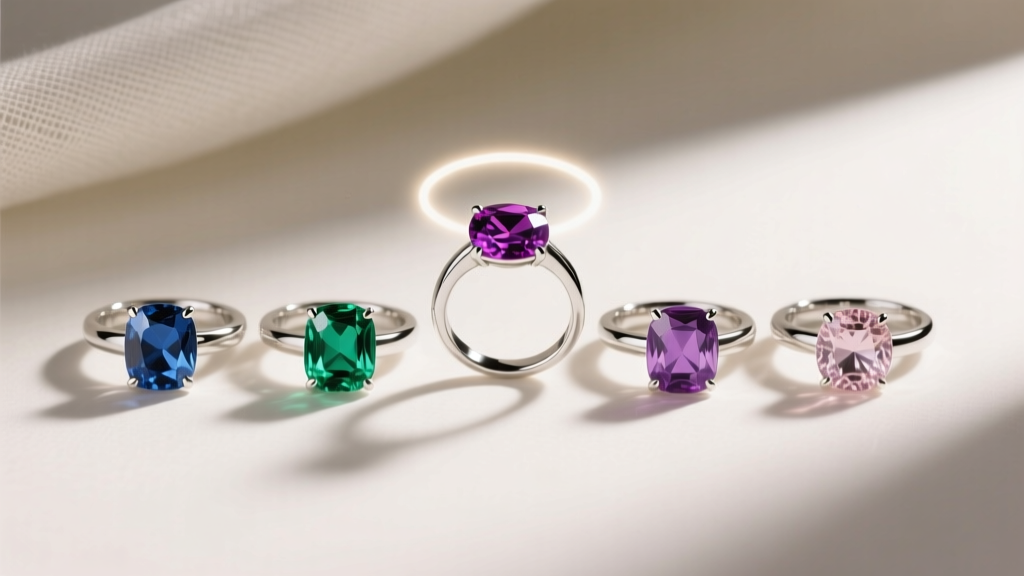 Colored Gemstone Engagement Rings Buying Guide
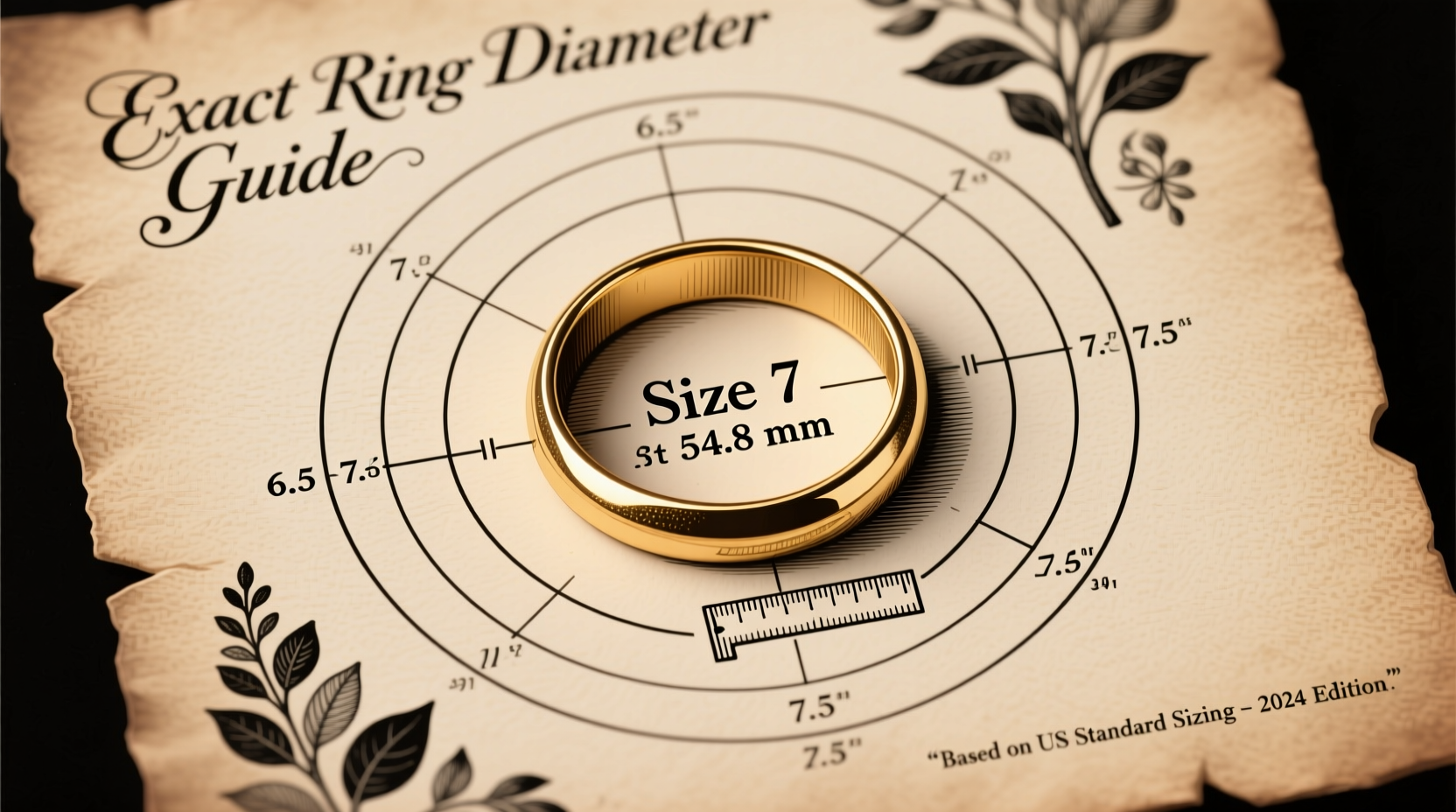 What Is a Size 7 Ring in Millimeters? (2026)
 Do People in China Wear Wedding Rings? The Truth Revealed
 How to Choose a Wedding Band With a Polished Finish
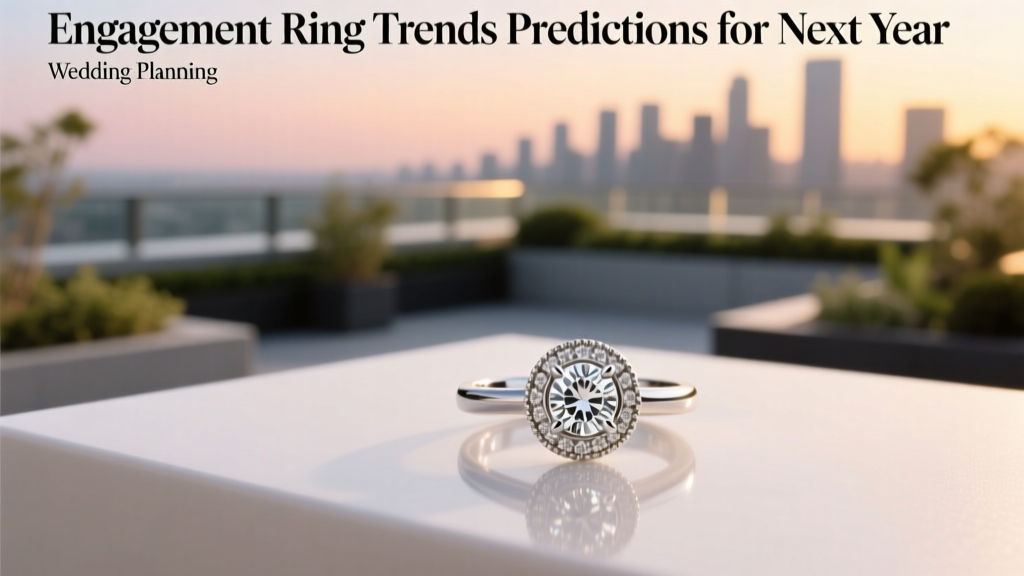 Engagement Ring Trends Predictions for Next Year
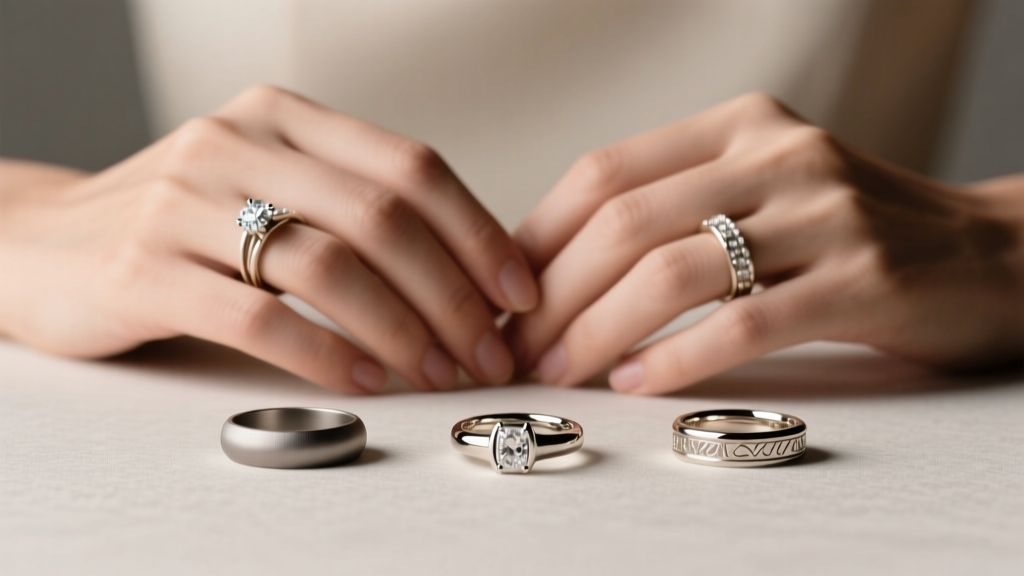 Wedding Ring Styling Rules: 7 Fixes for 2026
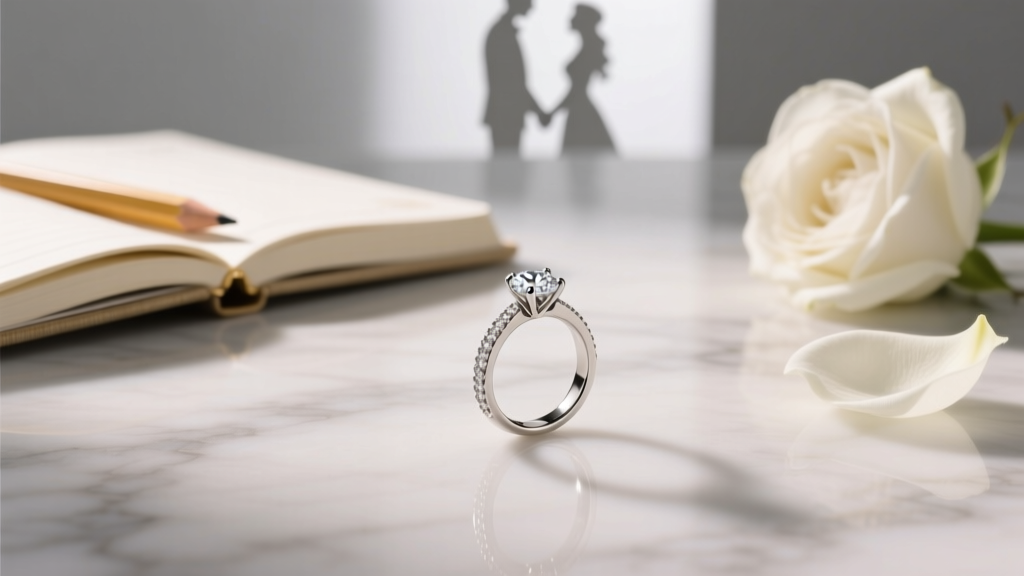 How to Shop for Engagement Rings Online Safely
 Complete Budget Essentials: A Practical Metalsmith’s Guide to Starting Jewelry Making Under $500
 How to Wear a Wedding Set: Rules & Cultural Tips
 Wedding Ring Size: Accurate At-Home Method (2026)