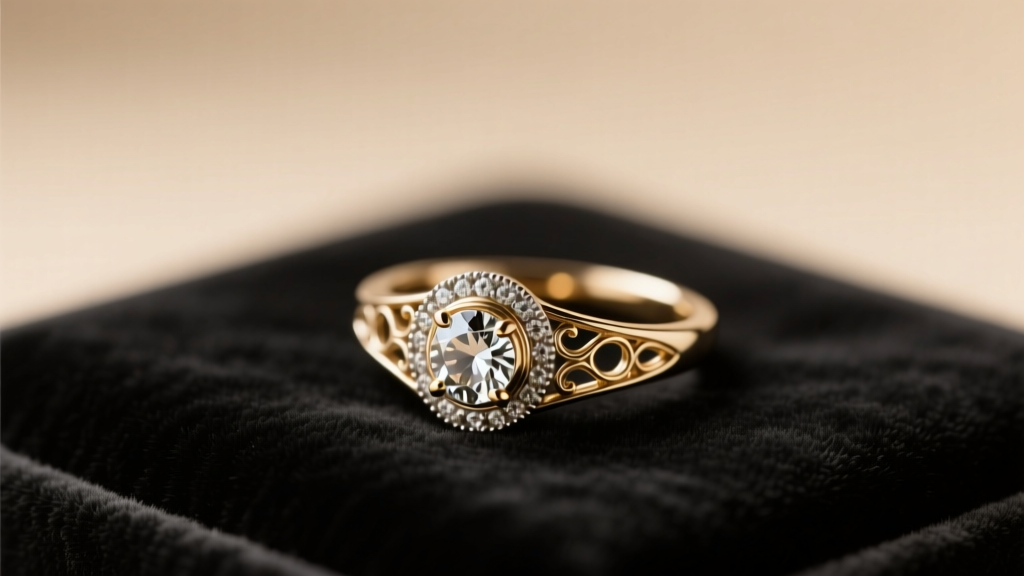
Vintage Engagement Rings A Complete Buying Guide
Vintage engagement rings have a way of feeling personal from the first glance. The details—hand-engraved scrollwork, delicate milgrain edges, old-world diamond cuts—often look and feel different from today’s sleek, mass-produced styles. For couples who want an engagement ring with character and romance, vintage and vintage-inspired rings are a natural fit.
That said, “vintage” can mean a few different things in jewelry. Some rings are true antiques with decades (or a century) of history. Others are newly made rings inspired by Art Deco geometry or Victorian lace-like filigree. Both can be beautiful, but they come with different price points, care needs, and quality considerations. This guide walks you through materials, eras, settings, gemstones, and practical buying tips so you can choose a vintage engagement ring you’ll love—and comfortably wear every day.
What Counts as a Vintage Engagement Ring?
Antique vs. Vintage vs. Vintage-Inspired
- Antique rings are typically 100+ years old (often Georgian, Victorian, Edwardian, early Art Deco).
- Vintage rings are generally 20–99 years old (mid-century, Retro, 1970s–1990s).
- Vintage-inspired rings are new rings designed with vintage elements—milgrain, filigree, hand engraving, halo settings, and antique-style diamond cuts.
When shopping online or in-store, ask sellers to clarify whether a ring is an original period piece or a modern reproduction. Both can be excellent choices; the key is knowing what you’re paying for and how it will wear.
Popular Vintage Eras and Signature Styles
Victorian (1837–1901): Romantic and Ornate
Victorian engagement rings often feature intricate metalwork and symbolic motifs. You’ll see:
- Old mine cut diamonds (chunky facets, soft sparkle)
- Rose cut diamonds (flat base, domed top—subtle shimmer)
- Yellow gold settings, sometimes with silver-topped diamond mounts
- Cluster styles and floral designs
These rings feel warm and sentimental—perfect for couples drawn to soft, antique charm.
Edwardian (1901–1915): Lace-Like Platinum Detail
Edwardian rings are known for airy, delicate craftsmanship, often in platinum. Expect:
- Filigree and piercework that resembles lace
- Milgrain edges and fine hand engraving
- Old European cut diamonds and slender profiles
Edwardian styles are timeless, especially for those who want vintage detail without heavy visual weight.
Art Deco (1920s–1930s): Bold Geometry and High Contrast
Art Deco engagement rings remain one of the most requested vintage ring styles today, and they align beautifully with current trends: crisp lines, symmetry, and statement settings. Look for:
- Geometric halos, step-like shapes, and architectural settings
- Emerald cut, asscher cut, and old European cut diamonds
- Platinum or white gold, sometimes paired with onyx, sapphire, or calibre-cut stones
If you love modern design but want a vintage soul, Art Deco is the sweet spot.
Retro (1940s–1950s): Sculptural Gold and Glamour
Retro era rings often feature bold yellow or rose gold, dramatic curves, and larger-looking designs. Common details include:
- Wide bands and sculpted settings
- Illusion settings that make center stones appear larger
- Ruby and sapphire accents
Choosing the Right Metal: Beauty, Durability, and Authenticity
Platinum
Platinum is a top choice for antique and vintage engagement rings, especially Edwardian and Art Deco pieces. It’s naturally white, dense, and holds prongs securely—ideal for protecting diamonds. Platinum develops a soft patina over time rather than wearing away quickly.
White Gold
White gold (often 14K or 18K) is popular in vintage-inspired engagement rings. It’s durable and bright, but it’s usually rhodium-plated to maintain its crisp white look. Plan on re-plating every 12–36 months depending on wear.
Yellow Gold
Yellow gold is a Victorian and Retro staple and a major current trend for couples who want a warm, classic look. For everyday wear, 14K yellow gold often balances durability and rich color well.
Rose Gold
Rose gold feels both vintage and modern. Many vintage-inspired rings use rose gold to highlight milgrain and engraving. It’s typically durable due to copper content, though very sensitive skin may prefer a lower-copper alloy.
Vintage Diamond Cuts and Gemstones: What to Look For
Old European Cut vs. Modern Round Brilliant
Old European cut diamonds (common in late Victorian through early Art Deco) have a smaller table and higher crown, producing a slower, “candlelight” sparkle. Modern round brilliant diamonds are engineered for maximum brilliance and fire under contemporary lighting. Neither is better—just different. If you want a true vintage look, an old European or old mine cut diamond delivers it instantly.
Old Mine Cut Diamonds
Old mine cuts are typically more cushion-like and can face up slightly smaller per carat than modern cuts, but many shoppers love their bold facets and character. Expect some individuality—these were not precision-cut to today’s tight standards.
Colored Gemstones: Sapphire, Ruby, Emerald
Vintage engagement rings often incorporate colored stones either as the center gem or as side accents.
- Sapphire: A durable choice for daily wear (often deep blue, but also available in pink, peach, and green).
- Ruby: Strong, romantic color; look for good transparency and even saturation.
- Emerald: Gorgeous and classic, but softer and more included—best for careful wear and protective settings.
For ethical and budget-friendly options, many couples choose lab-grown diamonds or lab-created sapphires in vintage-inspired settings. It’s a modern trend that pairs beautifully with old-world design.
Settings and Craftsmanship Details That Define “Vintage”
Filigree and Hand Engraving
True antique filigree is often hand-fabricated, not cast, which can make it more delicate and more valuable. Vintage-inspired rings may use casting plus hand finishing. Ask how the piece was made and whether the engraving is hand-done or machine-applied.
Milgrain
Milgrain is the tiny beaded edge detail seen on many vintage engagement rings and wedding bands. It adds softness and texture and helps hide minor wear over time. Check that milgrain beading is crisp and even along the edges.
Halo, Cluster, and Three-Stone Designs
Halo engagement rings remain popular today, and vintage halos—especially Art Deco styles—offer a refined, intricate look. Cluster rings (multiple stones forming a floral or starburst shape) can provide impressive finger coverage at a lower price than a single large diamond. Three-stone rings are a timeless classic that can feel vintage with the right cuts and engraving.
Quality Factors: How to Evaluate a Vintage Engagement Ring
Condition and Structural Integrity
Inspect prongs, gallery work, and shank thickness. With antique rings, it’s common to see wear at the bottom of the band. Ask whether the ring has been reshanked, rebuilt, or reinforced. A reputable jeweler should disclose repairs and provide clear photos of prongs and side profiles.
Stone Security and Prong Style
Older settings sometimes use finer prongs. If the ring will be worn daily, consider slightly sturdier prongs or a protective bezel—especially for emeralds or high-set stones.
Diamond Grading and Certification
Many antique diamonds aren’t certified, but you can request a grading report from labs like GIA or IGI for peace of mind. If a ring is sold with a report, confirm the report number matches the stone. For older cuts, expect broader ranges in symmetry and polish; focus on overall beauty and character rather than chasing “perfect” proportions.
Practical Buying Tips for Couples
Set Priorities: Era, Stone Type, or Daily Durability
Decide what matters most: a true antique ring, a specific era (Art Deco is a frequent favorite), a certain diamond cut, or a ring tough enough for active lifestyles. Vintage-inspired rings can be a smart solution when you want the look with modern durability.
Ask the Right Questions
- Is it antique, vintage, or vintage-inspired?
- Has the ring been resized, repaired, or re-tipped?
- What metal karat and alloy is used?
- Are the stones natural, lab-grown, treated, or replaced?
- What is the return policy and warranty coverage?
Match the Wedding Band Early
Many vintage engagement rings sit low or have ornate baskets that affect band fit. Consider ordering a curved wedding band, a custom contour band, or choosing a matching vintage wedding band set to avoid gaps and rubbing.
Care and Maintenance: Keeping Vintage Rings Beautiful
Cleaning at Home
For diamonds and sturdy gemstones (like sapphire), use warm water, mild dish soap, and a soft toothbrush. Rinse well and pat dry. Avoid harsh chemicals and abrasive cleaners—especially on antique metalwork and softer stones.
When to Avoid Ultrasonic or Steam Cleaning
Ultrasonic cleaners can loosen old prongs and may damage included or treated gemstones (common with emeralds). If your ring has delicate filigree, older settings, or unknown stone treatments, stick with gentle cleaning and professional inspections.
Professional Checkups
Have prongs and settings inspected every 6–12 months, especially for antique rings worn daily. A quick prong tightening is far less expensive than replacing a lost center stone.
Price Ranges and Value Tips
Vintage engagement ring pricing varies widely based on era, materials, maker, stone quality, and condition. Here are realistic ranges many couples encounter:
- Vintage-inspired rings: $800–$3,500 (14K/18K gold, smaller diamonds, lab-grown options)
- Authentic vintage rings: $1,500–$7,000 (often with period details and natural diamonds)
- Antique and designer/exceptional pieces: $5,000–$25,000+ (platinum, rare cuts, provenance, high-carat stones)
Value tips: consider old mine or old European cut diamonds slightly under popular carat marks (0.90ct instead of 1.00ct), explore near-colorless grades that still look bright in vintage settings, and compare platinum vs. 14K gold for budget flexibility. A well-made vintage-inspired ring can deliver the look with fewer maintenance concerns.
Common Mistakes to Avoid
- Buying “vintage” based on looks alone: Confirm age, authenticity, and any restoration work.
- Ignoring wear and thin shanks: A beautiful ring can become a costly project if the band is too thin.
- Skipping stone security checks: Loose prongs are common on older rings; plan for an inspection.
- Assuming all gemstones are daily-wear friendly: Emerald and opal require extra care; choose protective settings if you love these stones.
- Not planning for a wedding band fit: Ornate profiles often need a contoured band.
FAQ: Vintage Engagement Rings
Are vintage engagement rings durable enough for everyday wear?
Many are, especially rings with platinum settings and well-maintained prongs. Durability depends on the ring’s condition, how delicate the filigree is, and whether the band has been thinned by decades of wear. A professional inspection before purchase helps you avoid surprises.
What’s the difference between an old European cut and a round brilliant diamond?
Old European cuts have larger facets and a higher crown, creating a softer, slower sparkle often described as “candlelight.” Round brilliant diamonds are precision-cut for intense brilliance and fire. Choose based on the type of sparkle you love.
Can vintage rings be resized?
Most can, but some designs—especially those with engraving, eternity bands, or intricate shoulders—are more complex. Ask a jeweler what resizing range is safe without distorting details.
Is platinum better than gold for a vintage engagement ring?
Platinum is excellent for stone security and was common in Edwardian and Art Deco rings. Gold (especially 14K) can be very durable too and may better match a warm vintage aesthetic. “Better” depends on style, budget, and skin sensitivity.
Are lab-grown diamonds okay in a vintage-style setting?
Yes. Lab-grown diamonds are a popular modern trend and look stunning in vintage-inspired settings with milgrain, halos, and engraving. The key is quality craftsmanship in the setting and a well-cut stone.
How do I know if a vintage ring is authentic?
Look for hallmarks, maker’s marks, era-appropriate craftsmanship, and a seller who provides detailed documentation. Reputable jewelers should clearly state whether the ring is antique, vintage, or newly made in a vintage style.
Next Steps: Find the Right Vintage Ring for Your Story
The best vintage engagement rings balance beauty, wearability, and workmanship. Start by choosing an era that matches your style—Victorian romance, Edwardian delicacy, Art Deco geometry, or Retro glamour—then narrow down metal, setting type, and the gemstone or diamond cut that speaks to you. If you want the vintage look with modern peace of mind, a high-quality vintage-inspired ring can be a smart, budget-friendly path.
For more help comparing engagement ring settings, diamond shapes, wedding band pairings, and metal types, explore more jewelry guides on weddingsift.com.
More Articles
 How to Match a Gift With Couples: A Jewelry Expert’s Practical Guide
 Amethyst Engagement Rings February Birthstone Beauty
 Iolite Engagement Rings Violet Blue Cordierite
 Garnet Engagement Rings January Birthstone Deep Red
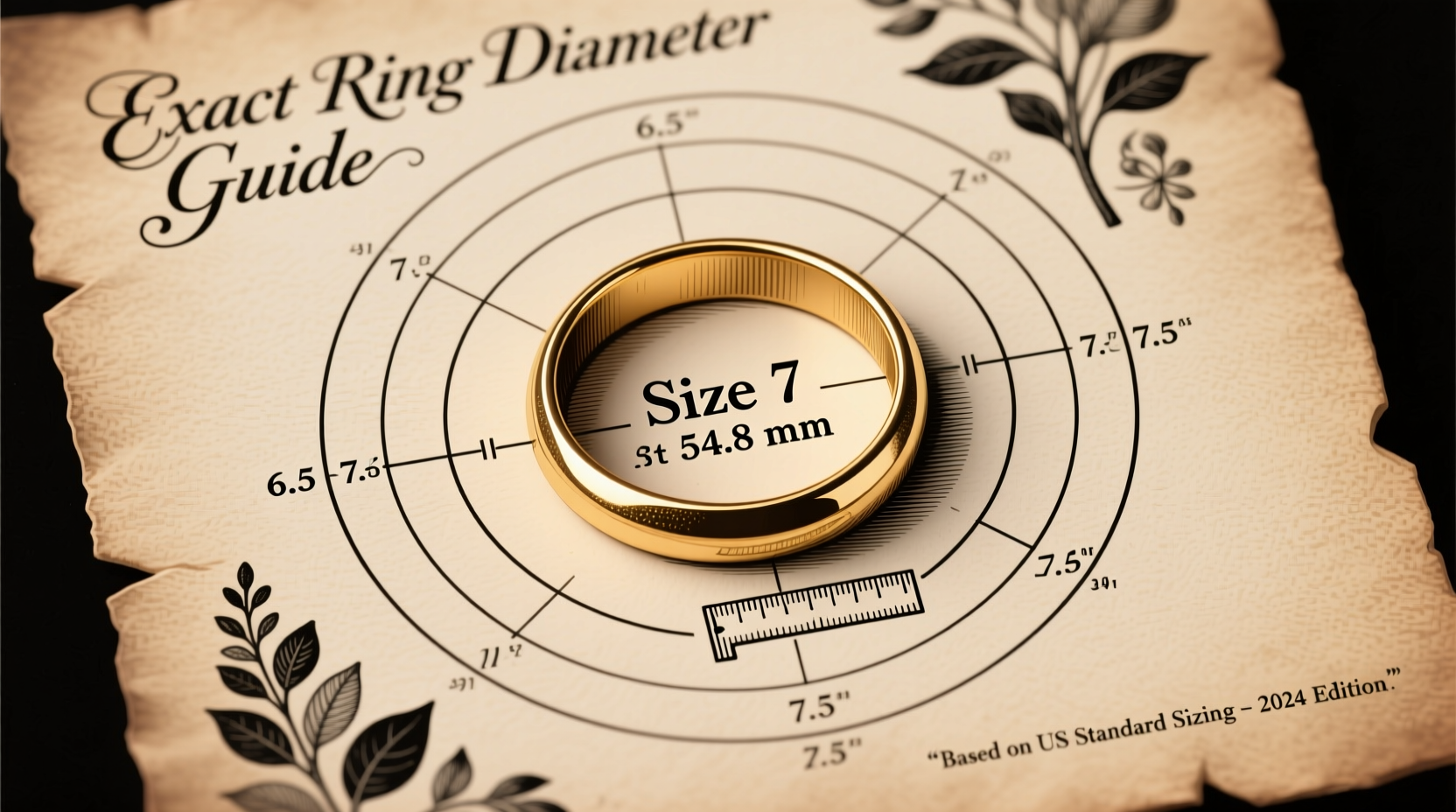 What Is a Size 7 Ring in Millimeters? (2026)
 Pink Diamond Rarity and Romance
 Wedding Ring Resizing Limits: Avoid Cracks & Damage
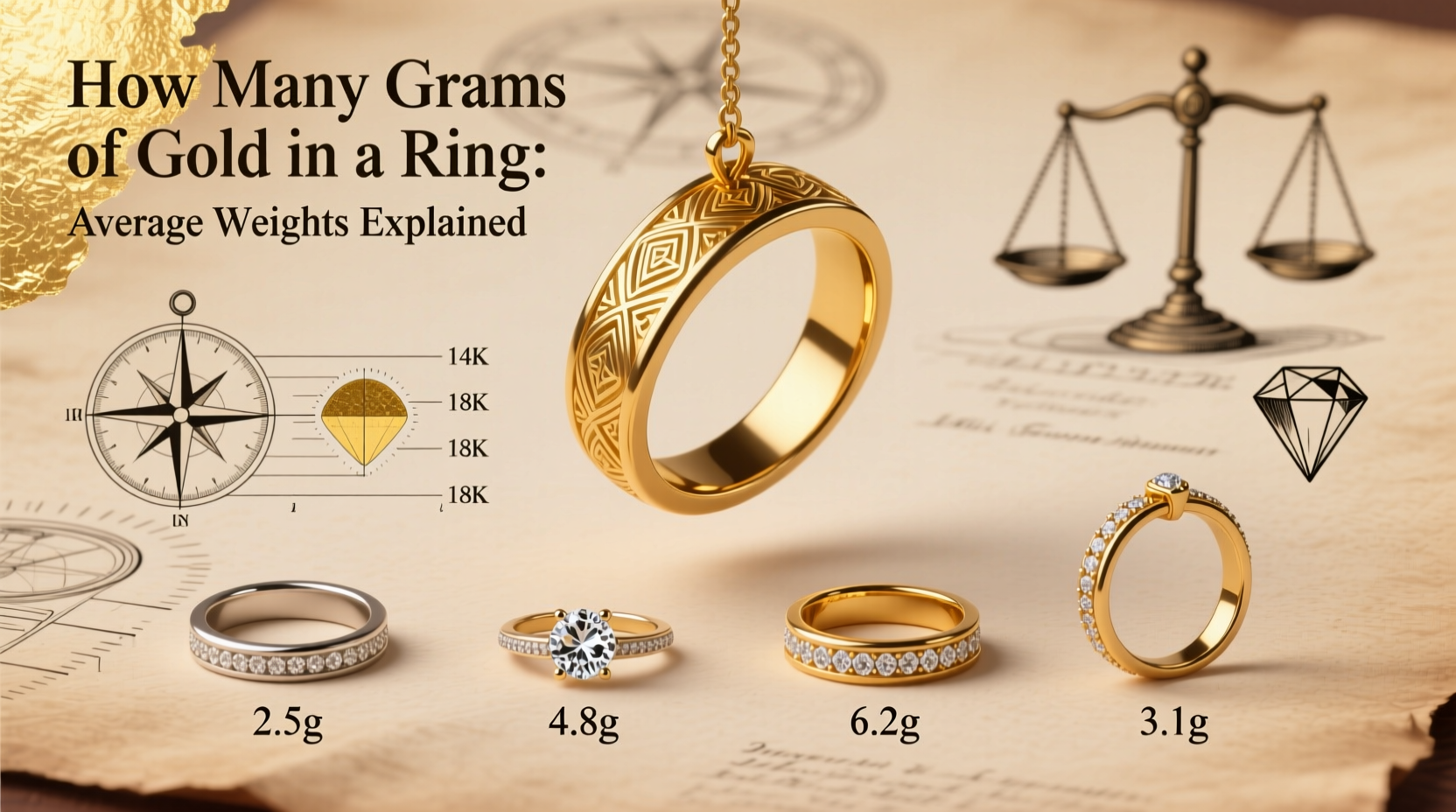 Gold Ring Weight: How Many Grams? (2026)
 Jewelry Sustainability Evolution: Real Change Tracked
 Wedding Bands: History, Symbolism & Modern Rules (2026)