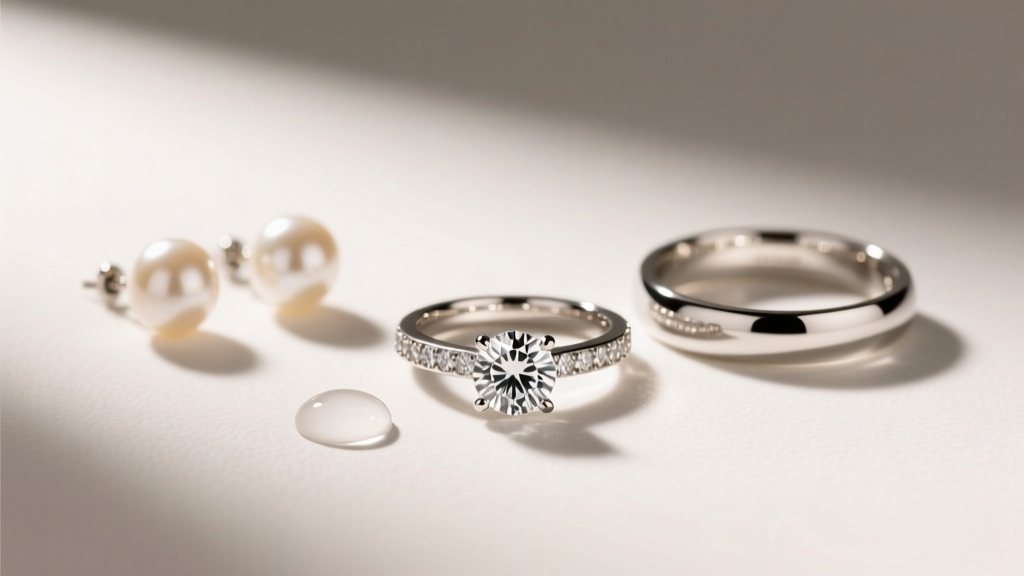
How to Maintain the Shine of Your Wedding Jewelry
Your engagement ring and wedding bands are designed to be worn, not stored. They catch the light during your proposal photos, sparkle at your ceremony, and become part of your everyday life—handshakes, commutes, workouts, cooking, travel. That daily wear is exactly why even the most beautiful wedding jewelry can start to look dull over time.
As a jeweler would tell you, “shine” isn’t just about how new a ring looks. It’s the result of clean gemstones, polished metal, secure settings, and smart habits that prevent damage before it happens. The good news: keeping your wedding jewelry bright is far simpler (and cheaper) than most couples expect—if you understand your materials and follow a few proven maintenance routines.
This guide covers how to care for diamonds, moissanite, sapphires, and popular metals like platinum, yellow gold, white gold, and rose gold. You’ll also learn how different settings (prong, halo, pavé, bezel) affect cleaning and durability, what to ask a jeweler for professional upkeep, and the common mistakes that cause rings to lose their sparkle.
What Makes Wedding Jewelry “Shiny” (and Why It Fades)
Gemstone sparkle vs. metal luster
Most people think a ring loses shine because the metal “goes bad.” More often, the sparkle disappears because a clear film forms on the gemstone—hand lotion, soap residue, cooking oil, sunscreen, and everyday grime. Diamonds and moissanite are especially prone to looking cloudy when oils coat the surface.
Metal shine is different. Gold and platinum don’t “wear out,” but their surfaces do scratch and develop micro-abrasions that soften reflections. White gold can also appear less bright if the rhodium plating wears thin.
Settings that hide (or reveal) dirt
- Prong settings expose more of the stone, maximizing brilliance—but prongs can collect residue near the girdle.
- Halo and pavé settings add intense sparkle, yet the tiny crevices between small stones trap debris and require more careful cleaning.
- Bezel settings are sleek and secure, great for active lifestyles, but can trap buildup around the rim if not cleaned regularly.
- Channel settings protect side stones well, though soap can sit between the channels and dull the look.
Know Your Materials: Best Care by Gemstone and Metal
Diamonds: brilliant, but oil-attracting
Diamonds (Mohs hardness 10) resist scratching, but they attract oils that quickly reduce sparkle—especially in round brilliant, oval, and pear cuts where brilliance depends on clean facets. A diamond that looks “dull” often just needs a proper degreasing clean.
Moissanite: high fire, still needs cleaning
Moissanite is durable (Mohs ~9.25) and known for rainbow fire. It can still look hazy when coated with residue, particularly in large center stones or elongated cuts like emerald and oval. Routine cleaning restores the crisp, lively look.
Sapphires and rubies: tough, great for everyday rings
Sapphires and rubies (corundum, Mohs 9) are excellent choices for engagement rings and wedding bands. They hold up well, but they can still lose “pop” when the surface gets dirty. Many colored stones are heat-treated (common and stable); some may be fracture-filled or coated—those need gentler care.
Emeralds, opals, pearls: beautiful but higher maintenance
If you’re drawn to vintage-inspired classics, keep in mind that emeralds (often treated), opals, and pearls are more delicate. They can be damaged by harsh chemicals, ultrasonic cleaners, or even rapid temperature changes. For these gemstones, mild soap-and-water cleaning and professional guidance are the safest approach.
Platinum vs. gold vs. white gold: what “wear” looks like
- Platinum develops a soft patina over time rather than wearing away quickly. Many couples love the lived-in glow; if you prefer mirror shine, periodic polishing brings it back.
- Yellow gold (14K/18K) scratches gradually; 14K is typically more scratch-resistant than 18K due to alloy content.
- Rose gold is often durable because of copper alloys, but it can still scratch and should be kept away from harsh chemicals.
- White gold usually has rhodium plating for a bright white finish. As plating wears, the ring can look warmer or slightly yellowed—this is normal and fixable with re-plating.
Daily and Weekly Care Routines That Preserve Shine
The best at-home cleaning method for most engagement rings
For diamonds, moissanite, sapphires, rubies, and most gold/platinum rings:
- Fill a bowl with warm water and a few drops of mild dish soap.
- Soak the ring for 15–20 minutes.
- Use a soft toothbrush to gently clean behind the center stone (the underside is where buildup hides).
- Rinse thoroughly with warm water (use a strainer or plug the drain).
- Pat dry with a lint-free cloth.
How often to clean wedding jewelry
- Weekly: If you wear your engagement ring daily, especially with lotion, hair products, or cooking.
- Every 2–3 weeks: If your ring is lower-profile or you remove it for chores and workouts.
- Monthly: Many couples set a “first weekend” reminder—simple, consistent maintenance keeps sparkle effortless.
Quick touch-ups between cleanings
A soft, dry microfiber jewelry cloth can restore metal luster and remove fingerprints. Avoid abrasive “polishing cloths” intended for heavy tarnish unless you know they’re safe for your metal and finish. For brushed or matte wedding bands (a popular modern trend), polishing aggressively can alter the intended texture.
Professional Maintenance: What to Schedule and Why
Ring inspections: your best defense against stone loss
Prongs can catch on sweaters, gym bags, or hair—small bends add up. Have a jeweler inspect your engagement ring and wedding bands every 6–12 months. Ask for:
- Prong tightening (especially for solitaire and pavé settings)
- Checking pavé beads and channel walls for wear
- Stone security test and a quick clean/polish
Polishing and refinishing: shine vs. preserving metal
Polishing removes a tiny amount of metal. Occasional professional polishing is fine, but frequent polishing—especially on thin bands or vintage-style filigree—can soften details over time. If your ring has milgrain edges or hand-engraving (a timeless classic that’s trending again), request a conservative polish and discuss preserving craftsmanship.
Rhodium re-plating for white gold
If you have a white gold engagement ring or wedding band, rhodium plating typically lasts 6–24 months depending on wear, skin chemistry, and exposure to chemicals. Re-plating is a normal maintenance step that restores a bright, crisp white finish.
Style Matters: Maintenance by Ring Design
Pavé, micro-pavé, and halo rings
These styles deliver maximum sparkle (a continuing trend for modern bridal sets), but they need more attention. Dirt hides between stones, and the small prongs can wear faster. Clean gently, avoid harsh brushing, and prioritize regular inspections.
Bezel and low-profile settings
Bezel-set engagement rings are popular for active couples because they protect the stone and reduce snagging. Keep an eye on buildup around the bezel edge and clean the underside thoroughly to keep light return strong.
Classic solitaires and timeless three-stone rings
Round brilliant solitaires remain the most timeless engagement ring style, and they’re comparatively easy to maintain. Three-stone rings add meaning and presence, but check side-stone prongs often since they’re more likely to catch than the center setting.
Smart Buying Tips That Make Long-Term Shine Easier
Choose practical craftsmanship details
- Good prong coverage: For diamonds and moissanite, look for prongs that protect corners on fancy shapes (pear, marquise, princess). V-prongs on sharp corners prevent chipping.
- Comfort-fit wedding bands: A comfort-fit interior reduces friction and makes it easier to wear consistently without irritation.
- Quality finishing: Clean edges, even symmetry, and smooth under-gallery details signal careful workmanship that holds up better.
Consider your lifestyle and stacking habits
Many couples stack an engagement ring with a wedding band (and sometimes an anniversary band). Stacking increases metal-on-metal contact, which can create wear and dullness faster. If you love stacking, ask about:
- Spacer bands to reduce rubbing
- Matching metal hardness (e.g., platinum with platinum) for more even wear
- Contoured or notched bands that sit flush without grinding against prongs
Price Range Considerations and Value Tips
Budget for ownership, not just purchase
Wedding jewelry value includes maintenance. Typical costs (vary by region and jeweler):
- Professional cleaning/inspection: Often free with purchase or $25–$60 without a service plan
- Rhodium re-plating (white gold): Commonly $50–$150
- Polishing/refinishing: Often $50–$200 depending on complexity
- Prong retipping/repair: Can range from $100–$400+ depending on damage and metal
Where to spend for lasting shine
- Prioritize setting quality over extra tiny accent stones if you’re choosing between the two.
- Pick durable metals for daily wear—14K gold and platinum are popular for a reason.
- For diamonds: A well-cut stone (excellent/ideal cut in round brilliants) often looks brighter than a larger stone with weaker cut quality. Cut is the “sparkle multiplier.”
Common Mistakes That Make Wedding Rings Look Dull (or Get Damaged)
- Wearing rings during heavy chores: Gardening, lifting weights, moving furniture, or using harsh cleaners can scratch metal and loosen stones.
- Using harsh chemicals: Chlorine (pools/hot tubs), bleach, and strong household cleaners can damage finishes and weaken some alloys over time.
- Relying on toothpaste or baking soda: These are abrasive and can scratch metal, especially high-polish gold and detailed vintage settings.
- Overusing ultrasonic cleaners: Ultrasonic cleaning can loosen stones in pavé settings and may harm treated or fracture-filled gemstones. If you use one, confirm your ring is suitable and keep sessions short.
- Skipping inspections: Many lost center stones start as a slightly lifted prong that could have been tightened in minutes.
- Storing rings together: Diamonds can scratch other jewelry. Store pieces separately in soft pouches or ring boxes.
FAQ: Maintaining the Shine of Engagement Rings and Wedding Bands
How can I make my diamond ring sparkle again quickly?
Warm water + mild dish soap + a soft toothbrush is the fastest safe method for most diamond rings. Focus on brushing behind the diamond and under the setting where oils collect.
How often should I get my engagement ring professionally cleaned?
Every 6–12 months is a good baseline, especially for prong, pavé, and halo settings. If you wear your ring through workouts or hands-on work, lean closer to every 6 months.
Why does my white gold ring look yellow?
White gold is commonly rhodium-plated for a bright white finish. As the plating wears, the natural warm tone underneath can show through. Re-plating restores the white look.
Is platinum better than gold for keeping a shiny look?
Platinum is very durable, but it often develops a soft patina rather than staying mirror-polished. Gold can keep a high polish too, but it scratches. “Better” depends on whether you prefer crisp shine (polished gold/white gold) or a classic, slightly satin platinum patina.
Can I wear my wedding band and engagement ring in the shower?
Occasional showering won’t ruin most rings, but soaps and shampoos leave residue that dulls gemstones. If you want consistent sparkle, remove rings or plan to clean them more frequently.
What’s the safest way to clean a pavé or halo engagement ring?
Use mild soap and a very soft brush with gentle pressure, then rinse well. Avoid aggressive scrubbing and be cautious with ultrasonic cleaners—small stones and delicate prongs can loosen over time.
Next Steps: Keep Your Bridal Set Bright for a Lifetime
If you want wedding jewelry that keeps its “just polished” look, the formula is simple: choose durable materials, pick a setting that matches your lifestyle, clean gently and consistently, and schedule routine inspections to keep stones secure. That approach protects both beauty and value—whether you’re wearing a classic round solitaire, a vintage-inspired halo with milgrain, or a modern bezel-set diamond or moissanite.
For more practical guides on engagement rings, wedding bands, gemstone choices, and long-term jewelry care, explore the latest articles on weddingsift.com.
More Articles
 How Much Is My Wedding Band Worth? (2026)
 How to Shop for Engagement Rings Online Safely
 Wedding Band Metals Compared: Pros and Cons
 Wedding Bands: History, Symbolism & Modern Rules (2026)
 How to Keep Wedding Rings Together Without Soldering
 Artisan Wedding Bands: 7 Handcrafted Sources (2026)
 Men’s Wedding Rings Materials: Top 7 (2026)
 Can I Shower With My Wedding Ring? (2026)
 Can You Wear a Wedding Ring in an MRI? (2026)
 Wedding Band Size: Truth About Fit & Harmony