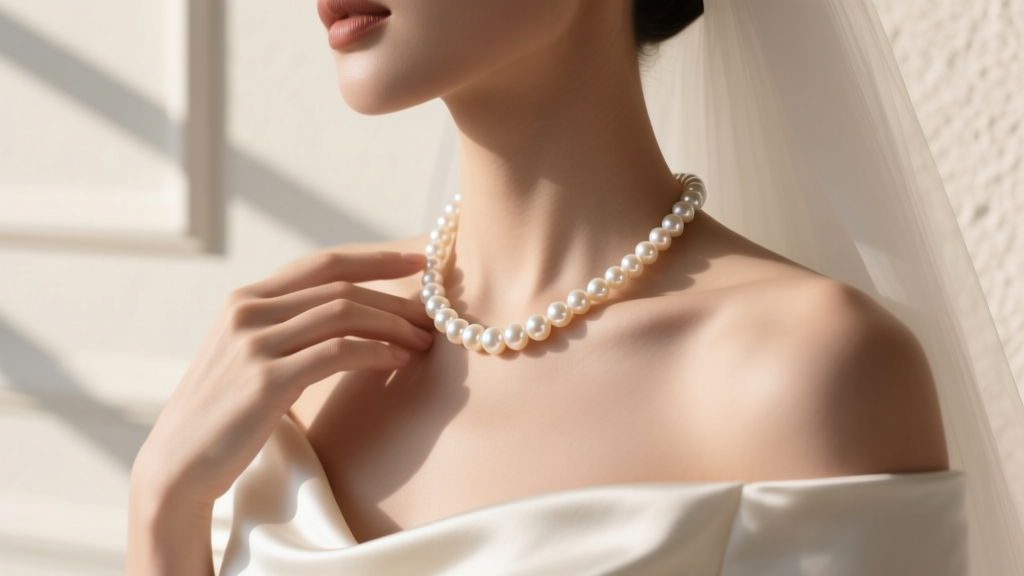
Pearl Wedding Jewelry Timeless Elegance for Your Big Day
Pearls have a way of making wedding jewelry feel instantly elevated—soft, romantic, and refined without trying too hard. Whether you’re choosing an engagement ring, wedding band, or bridal set with pearl accents, pearls bring an unmistakable “bridal” mood that pairs beautifully with diamonds, white gold, yellow gold, and modern minimalist settings.
At the same time, pearls are different from most gemstones couples shop for. A diamond engagement ring is built for everyday wear; a pearl ring needs more thoughtful design choices and gentler care. Understanding pearl types, quality factors, and durable setting options helps you get the look you love while avoiding pieces that won’t hold up.
This guide breaks down pearl wedding jewelry styles, how to judge quality, what metals and settings work best, and how to shop smart for engagement rings and wedding bands that feel timeless—yet current.
Why Pearls Belong in Wedding Jewelry
Pearls are associated with love, purity, and new beginnings—classic wedding symbolism that never feels outdated. They also flatter nearly every skin tone and photograph beautifully, especially in natural light. That’s why pearls remain a staple for bridal earrings, necklaces, and hair accessories, and why pearl engagement rings and pearl-accent wedding bands are seeing a steady resurgence.
Trend-wise, couples are leaning into softer, organic elements: baroque pearls, mixed metals, delicate pavé diamonds paired with pearls, and vintage-inspired details like milgrain. At the same time, timeless classics—round white pearls with diamond accents—remain a go-to for formal ceremonies and heirloom-style bridal sets.
Pearl Types: Freshwater vs. Akoya vs. South Sea vs. Tahitian
Not all pearls are equal. Pearl origin and type affect luster, durability, size availability, and price—key considerations when choosing wedding jewelry meant to last.
Freshwater Pearls
- Look: Often creamy white, soft blush, or lavender; can be round or slightly off-round.
- Why couples love them: Excellent value and wide style range.
- Best for: Bridal earrings, pendants, and pearl accents on wedding bands.
Akoya Pearls
- Look: Classic bright white with strong mirror-like luster; typically round.
- Why couples love them: That traditional “bridal pearl” glow—polished and formal.
- Best for: Timeless necklaces, stud earrings, and refined pearl-and-diamond pieces.
South Sea Pearls
- Look: Larger pearls (often 10–15mm), satiny luster; white to golden tones.
- Why couples love them: Statement-level elegance and rarity.
- Best for: Luxury bridal jewelry, especially earrings and pendants.
Tahitian Pearls
- Look: Naturally dark—charcoal, peacock green, aubergine; often very lustrous.
- Why couples love them: Dramatic, modern alternative to white pearls.
- Best for: Contemporary bridal styles, mixed-metal looks, and evening-forward weddings.
Pearl Quality Factors: What Actually Matters
Pearls aren’t graded like diamonds, so you’ll compare them using a few consistent factors. For wedding jewelry—especially engagement rings and wedding bands—prioritize durability and appearance together.
Luster
Luster is the sharpness and brightness of reflections on the pearl’s surface. High-luster pearls look crisp and luminous in photos. If a pearl looks chalky or dull, it will read flat next to diamonds or polished metal.
Surface Quality
All pearls have some natural markings. Look for cleaner surfaces if the pearl is a centerpiece (like a pearl engagement ring). Minor blemishes are more acceptable on side pearls or pieces where the pearl sits lower on the hand.
Nacre Thickness
Nacre is what gives pearls their glow and longevity. Thicker nacre generally means a pearl that wears better over time. Ask the seller for details, especially with Akoya pearls and any pearl meant for frequent wear.
Shape
Round pearls are the classic and typically the most expensive. Near-round offers a similar look with better value. Baroque pearls (irregular shapes) are trending—perfect for couples who want a one-of-a-kind, organic feel.
Size
For rings, 6–8mm often balances elegance and practicality. Larger pearls can look stunning, but they sit higher and are more exposed to impact—something to consider for an engagement ring you plan to wear daily.
Metals and Settings That Work Best With Pearls
Pearls are softer than most gemstones (around 2.5–4.5 on the Mohs scale), so the metal and setting do more than influence style—they protect the pearl.
Best Metal Choices
- Platinum: The most durable option for engagement rings and wedding bands; excellent for secure prongs and long-term wear.
- 14K Gold (white, yellow, or rose): Strong enough for daily jewelry; a top choice for pearl-and-diamond ring settings.
- 18K Gold: Rich color and luxury feel, but slightly softer; better for occasional-wear pearl rings or pieces with protective design.
Settings to Prioritize for Pearl Rings
- Bezel or half-bezel: A metal rim encircles and shields the pearl’s edges—one of the safest options.
- Halo settings with diamonds: A diamond halo can act as a buffer, reducing direct knocks to the pearl.
- Low-profile designs: The lower the pearl sits, the less likely it is to catch on clothing or hit surfaces.
Settings to Be Careful With
- High-set solitaire pearl engagement rings: Beautiful, but more vulnerable to impact and abrasion.
- Exposed prong-only designs: Pearls can loosen or suffer surface wear more easily without surrounding protection.
Popular Pearl Wedding Jewelry Styles (Classic and Current)
Pearl Engagement Rings
Pearl engagement rings are for couples who love softer romance over sparkle-first tradition. The most wearable designs pair a pearl center with protective details—bezel edges, diamond halos, or a slightly recessed setting. Pairing with diamonds (brilliant cut melee, pavé, or baguette side stones) adds structure and light reflection that complements pearl luster.
Pearl Wedding Bands and Stackable Rings
For daily wear, consider a wedding band with pearl accents rather than a full pearl center. Tiny seed pearls or protected flush-set pearl details (less common, but possible in custom work) create a romantic look with fewer durability concerns. Many couples love a pearl-accent band stacked with a traditional diamond wedding band for balance.
Bridal Earrings and Necklaces
If you want pearls without worrying about daily hand wear, earrings and pendants are ideal. Classic options include Akoya pearl studs in 14K white gold, drop earrings with diamond hooks, and a single-pearl pendant that sits cleanly at the collarbone. Baroque pearl drops are a current favorite for modern bridal styling.
Buying Tips for Couples Shopping Wedding Rings and Bridal Jewelry
- Decide how often you’ll wear it. A pearl engagement ring worn daily should be low-set and protective; a ceremony-only ring can be more delicate.
- Ask about treatments and care expectations. Many pearls are gently treated (like bleaching) to improve color uniformity; that’s common and acceptable when disclosed.
- Match pearl tone to your metal. White pearls look crisp in platinum/white gold; cream or golden pearls glow in yellow gold; blush pearls pair beautifully with rose gold.
- Balance pearl size with lifestyle. Larger pearls are more exposed; smaller pearls tend to be easier to live with.
- Request clear photos in natural light. Luster is easier to judge without heavy studio lighting.
Care and Maintenance: Keep Pearls Looking Radiant
Pearls are organic gemstones and require gentler care than diamonds, sapphires, or moissanite.
- Last on, first off: Put pearl jewelry on after hairspray, perfume, and makeup. Remove it first when you get home.
- Avoid chemicals: Household cleaners, chlorine, and even some hand sanitizers can damage nacre and dull luster.
- Wipe after wear: Use a soft, slightly damp cloth to remove oils and residue.
- Store separately: Keep pearls away from diamonds and other gemstones that can scratch them.
- Professional checkups: For pearl rings, have the setting inspected to ensure the pearl is secure. For strands, restringing is recommended periodically depending on wear.
Price Ranges and Value Tips
Pearl wedding jewelry can fit a wide range of budgets. Pricing depends on pearl type, size, luster, surface quality, matching (for pairs/strands), metal, and craftsmanship.
- Freshwater pearl jewelry: Often the best value for bridal earrings, pendants, and accent rings; expect affordable to mid-range pricing depending on metal and diamond accents.
- Akoya pearl pieces: Mid-range to premium for high-luster, round pearls—especially in matched pairs for earrings and classic necklaces.
- South Sea and Tahitian pearls: Premium to luxury, driven by size, rarity, and natural coloration.
Value tips: Choose near-round instead of perfectly round for subtle savings, prioritize luster over “flawless” surfaces, and invest in stronger metals (platinum or 14K gold) for rings. For bridal sets, consider a traditional diamond wedding band paired with pearl earrings or a pearl pendant—often the most practical way to get pearls into your wedding look.
Common Mistakes to Avoid When Shopping Pearl Wedding Jewelry
- Buying a high-set pearl engagement ring for daily wear. If you love the look, choose a low-profile setting or a halo/bezel design.
- Assuming all white pearls match. Pearl undertones vary (cool white, cream, blush). Match to your dress fabric and metal color.
- Overlooking luster. Luster is the difference between “glowy” and “flat,” especially in wedding photos.
- Storing pearls with diamonds. Diamonds can scratch pearls easily—separate storage matters.
- Using ultrasonic or steam cleaners. These can damage pearls and loosen settings.
FAQ: Pearl Wedding Jewelry
Are pearl engagement rings durable enough for everyday wear?
They can be, but they require the right design and realistic expectations. Choose a low-profile, protective setting (bezel or halo), avoid harsh chemicals, and remove the ring for workouts, cleaning, gardening, and swimming.
What metal looks best with pearls: white gold, yellow gold, or platinum?
Platinum and white gold emphasize a crisp, classic bridal look, especially with bright white Akoya pearls. Yellow gold warms up cream and golden tones (including South Sea). Rose gold pairs beautifully with blush or creamy pearls for a romantic, modern style.
Do pearls pair well with diamonds in wedding rings?
Yes—diamonds are the most common pairing. Round brilliant diamonds in a halo add sparkle and help protect the pearl. Baguette diamonds or channel-set accents create a sleek, vintage-meets-modern look with strong lines.
How can I tell if a pearl is high quality?
Look for strong luster (sharp reflections), a clean surface relative to the price point, and an even, flattering color tone. For rings, also evaluate how securely the pearl is mounted and whether the design shields it from impact.
What’s the best pearl jewelry choice if I want something timeless but low-maintenance?
Pearl stud earrings or a simple pearl pendant in 14K gold or platinum are the easiest to wear and care for. For rings, consider pearl accents rather than a large center pearl if you want more everyday practicality.
Your Next Step: Choose Pearls with the Right Design and Expectations
Pearl wedding jewelry delivers a look that’s both classic and current—soft luster, romantic symbolism, and effortless elegance in photos. For engagement rings and wedding bands, prioritize protective settings, durable metals like platinum or 14K gold, and pearls with excellent luster. If you want the pearl look with less maintenance, lean into pearl earrings, pendants, or pearl-accent wedding bands paired with a traditional diamond band.
For more ring-shopping advice, metal comparisons, and style guides for engagement rings and wedding bands, explore the latest jewelry guides on weddingsift.com.
More Articles
 Vintage Engagement Rings A Complete Buying Guide
 How Much Is My Wedding Band Worth? (2026)
 The Practical, Ethical, and Timeless Proposal Ring Buying Guide
 Wedding Ring and Band Stacking Rules (2026)
 How to Start a Jewelry-Making Budget: A Practical, Step-by-Step Guide for Beginners
 How to Choose a Silicone Wedding Band for Active Days
 Wedding Ring Stack Styling: 7-Step Guide (2026)
 Lab Diamond vs Moissanite: The 2026 Buyer's Complete Guide
 How to Choose a Wedding Band With a Carbon Fiber Inlay
 Custom Engagement Rings Design Your Dream Piece