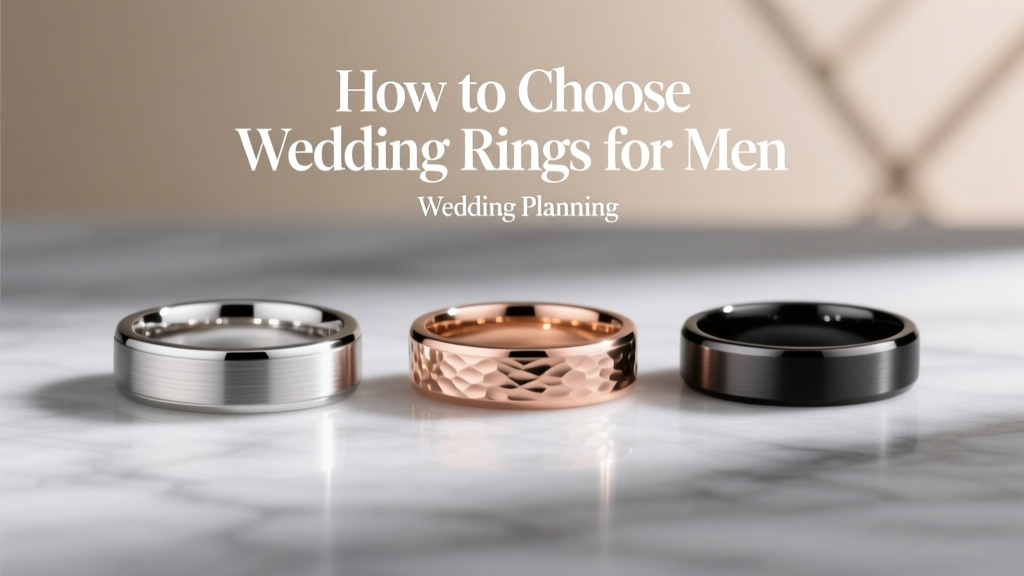
How to Choose Wedding Rings for Men
Men’s wedding rings used to be a simple choice: a plain gold band and you were done. Today, couples shopping for engagement rings and wedding bands have far more to consider—metal choices beyond yellow gold, comfort-fit interiors, mixed finishes, diamond or gemstone accents, and modern materials like tungsten and titanium.
That variety is a good thing. A men’s wedding band is one of the few pieces of jewelry he’ll wear every day, often for decades. The right ring should match his lifestyle, feel comfortable, hold up to daily wear, and still look like “him” when the trends shift.
This guide breaks down the most practical (and most overlooked) factors: choosing the best metal, finding a flattering width, deciding whether stones make sense, and spending wisely without sacrificing craftsmanship.
Start With Lifestyle: The Most Practical First Step
Before comparing styles, ask how the ring will be worn. This one decision often narrows the best metal and construction immediately.
Hands-on work, sports, or frequent lifting
- Durability and scratch resistance matter most. Tungsten carbide is highly scratch-resistant; platinum and gold will scratch but can be refinished.
- Consider comfort fit. A comfort-fit wedding band has a slightly rounded interior, making it easier to wear during long days.
- Think about safety. Tungsten is extremely hard but can crack under sharp impact; titanium is lightweight and tough. If workplace safety is a concern, ask a jeweler about emergency removal and whether a silicone band is a smart backup for work or workouts.
Office wear and occasional use
- Nearly any metal works, so you can prioritize aesthetics: classic yellow gold, modern white metals, or two-tone men’s wedding rings.
- Gemstone accents and finer finishes (high polish, satin, brushed) tend to stay looking “newer” with lighter daily abrasion.
Choosing the Best Metal for a Men’s Wedding Ring
Metal choice affects everything: color, weight, scratch pattern, maintenance, resize options, and price. Here’s how the most popular men’s wedding ring metals compare.
Gold (10K, 14K, 18K): classic and resizable
Gold remains a timeless classic for men’s wedding bands. It’s easy to resize, repair, and refinish—major advantages if you want a ring that can be serviced for decades.
- 14K gold is the go-to balance for durability and color. It holds up well and is widely available.
- 18K gold has richer color and a slightly heavier feel, but it’s softer and shows wear sooner.
- 10K gold is harder and more budget-friendly, though it can look a bit less rich in tone.
Color options: Yellow gold (traditional warmth), white gold (modern, bright), and rose gold (contemporary but increasingly classic). White gold is typically rhodium-plated for a bright finish; that plating may need refreshing over time.
Platinum: premium, naturally white, and heirloom-ready
Platinum is dense, naturally white, and prized for longevity. It develops a soft patina rather than losing metal quickly, and it’s a favorite for couples who want an heirloom-quality ring.
- Pros: Hypoallergenic for most wearers, heavy/solid feel, excellent for long-term wear.
- Cons: Higher price, scratches show as patina (which many people love), and it benefits from occasional professional polishing.
Titanium: lightweight, modern, and low maintenance
Titanium men’s wedding bands are popular for comfort and a sleek look. It’s very light on the finger and resists corrosion.
- Pros: Lightweight, strong, affordable.
- Cons: Limited resizing and more limited repair options than gold or platinum.
Tungsten carbide: extremely scratch-resistant with a bold feel
Tungsten is one of the most scratch-resistant wedding ring materials, which makes it appealing for active lifestyles. It typically has a substantial weight and a crisp, modern appearance.
- Pros: Outstanding scratch resistance, often very affordable for the look.
- Cons: Not easily resized; can crack under a hard impact (rare, but possible).
Palladium and alternative metals
Palladium sits in the “white metal” family like platinum, with a lighter feel. It can be a smart middle ground when you want a naturally white look but a different weight and price point than platinum. Also consider cobalt chrome (bright white, durable) and stainless steel (budget-friendly, modern).
Style Decisions: Shape, Width, and Finish
When couples search for men’s wedding ring styles, they often focus on photos first. For daily wear, comfort and proportion matter just as much as looks.
Band width: how wide should a men’s wedding ring be?
- 4–6mm: Classic, versatile, and comfortable for slimmer fingers or minimal styles.
- 7–9mm: A bolder, modern look; popular in tungsten and contemporary designs.
- 10mm+: Statement territory; best for larger hands or those who like a substantial ring.
Tip: Wider bands feel tighter. If he’s between sizes and choosing 8mm+, ask to try both sizes in a comfort-fit profile.
Ring profile: comfort-fit vs. standard-fit
Comfort-fit bands have a rounded interior and are easier to slide over the knuckle. Standard-fit bands have a flatter interior and can feel slightly snugger. Comfort-fit is one of the best upgrades for men who aren’t used to jewelry.
Finishes: polished, brushed, satin, hammered, and matte
- High polish: Timeless, reflective, and easy to refresh with professional polishing (though it shows fine scratches).
- Brushed/satin: Modern and hides minor wear; can be re-brushed as needed.
- Hammered: Popular trend with an artisan, handcrafted look; great for disguising small scratches.
- Matte: Contemporary, understated; may need periodic refinishing to maintain the look.
Edge details: a small choice that changes everything
Edges can be rounded (soft and classic), beveled (modern and structured), or knife-edge (a crisp ridge down the center). Rounded edges are the most universally comfortable; beveled edges are a current favorite for modern men’s wedding bands.
Do Men’s Wedding Rings Need Diamonds or Gemstones?
Diamond accents are a strong trend in men’s wedding bands, especially subtle designs: a single flush-set diamond, a short channel of stones, or black diamond details. The key is choosing a setting that protects the stones.
Best gemstone options for men’s rings
- Diamonds: The hardest option and best for daily wear. Look for well-matched stones and secure setting work.
- Black diamonds: Modern and masculine; usually treated. Choose a protective setting like flush or bezel.
- Sapphires: A durable colored gemstone (Mohs 9). Blue sapphire is timeless; black sapphire gives a similar look to black diamond with a different texture.
Most secure settings for daily wear
- Flush (gypsy) setting: Stone sits level with the band—excellent for active lifestyles.
- Bezel setting: A metal rim surrounds the stone—very protective and sleek.
- Channel setting: Stones sit between metal walls—secure if well-made, but can require more cleaning.
Pavé styles can look stunning, but they’re usually better for lighter wear and require more careful maintenance.
Quality and Craftsmanship: What to Check Before You Buy
Two rings can look identical online and wear completely differently in real life. Focus on these quality indicators:
- Even symmetry: The band should look balanced from all angles with consistent width and thickness.
- Smooth interior: Especially on comfort-fit bands—no sharp edges or rough seams.
- Clean setting work: For diamond wedding bands, stones should sit straight with no snagging points.
- Hallmarks and metal stamps: Look for “14K,” “18K,” “PT950,” etc., plus a maker’s mark when possible.
- Inlay construction: If choosing a ring with wood, meteorite, or carbon fiber inlay, ask how it’s sealed and protected from moisture and impact.
Price Ranges and Smart Value Tips
Men’s wedding ring pricing depends heavily on metal, width, and whether you add diamonds. General ranges (varies by brand and market):
- Budget-friendly ($50–$300): Stainless steel, silicone, simple titanium, or basic tungsten bands.
- Mid-range ($300–$1,200): Wider tungsten/titanium, 10K–14K gold bands, simple mixed-finish designs.
- Fine jewelry ($1,200–$3,500): 14K–18K gold with diamond accents, substantial weights, premium craftsmanship.
- Luxury ($3,500+): Platinum, intricate detailing, larger diamond layouts, designer or custom work.
How to get the most value
- Prioritize metal quality and fit first. A perfect comfort fit in a serviceable metal often outperforms extra styling details.
- Choose 14K gold for daily wear. It’s a sweet spot for durability and long-term maintainability.
- Go flush-set for stones. You’ll spend less on repairs over time compared to more delicate settings.
- Consider a “set” approach. If you’re shopping engagement rings and wedding bands together, matching metals and finishes creates a cohesive look in photos and everyday wear.
Maintenance and Care: Keeping a Men’s Wedding Band Looking Sharp
- Clean at home: Warm water, mild dish soap, and a soft toothbrush. Rinse and dry with a lint-free cloth.
- Avoid harsh chemicals: Chlorine and strong cleaners can damage finishes and weaken some metals over time.
- Remove for risky tasks: Heavy lifting, power tools, or abrasive work can scratch gold/platinum and damage inlays.
- Schedule checkups: For diamond or gemstone wedding rings, have settings inspected periodically to prevent stone loss.
- Refinishing: Polished and brushed finishes can be restored by a jeweler; platinum can be repolished or left to develop patina.
Common Mistakes to Avoid When Shopping for Men’s Wedding Rings
- Choosing width based only on photos: Try multiple widths; 6mm vs. 8mm feels very different.
- Ignoring resize realities: Many tungsten and titanium rings can’t be resized easily. If finger size fluctuates, choose gold or platinum.
- Overlooking comfort: A sharp edge or standard-fit band can become annoying fast. Comfort-fit is worth it for most men.
- Picking trendy finishes without a plan: Matte and brushed looks are stylish, but they may need refinishing to stay crisp.
- Not matching lifestyle to stones: A delicate pavé ring isn’t ideal for heavy daily wear; opt for flush-set or bezel details instead.
- Buying the wrong size: Finger size changes with temperature and time of day. Get sized properly and re-check close to the wedding.
FAQ: Men’s Wedding Rings
What is the best metal for a men’s wedding ring?
For most men, 14K gold is the best all-around choice because it’s durable, resizable, and easy to service long-term. If you want a naturally white premium metal, platinum is a top-tier option. For scratch resistance on a budget, tungsten carbide is popular.
Is tungsten better than gold for everyday wear?
Tungsten is more scratch-resistant than gold, but gold is more serviceable (resizing, repairs, refinishing). If long-term adjustability matters, gold wins. If you want a ring that stays looking scratch-free with minimal upkeep, tungsten can be a great fit.
How wide should a men’s wedding band be?
Most men choose 6–8mm. A 6mm band is classic and comfortable; an 8mm band looks more modern and substantial. The best choice depends on hand size, comfort preference, and the ring’s profile.
Are diamonds in men’s wedding bands practical?
Yes—if the setting is right. Flush-set or bezel-set diamonds are practical for daily wear and less likely to snag or loosen than raised settings.
Should his wedding ring match the engagement ring metal?
They don’t have to match, but coordinating metals often looks more intentional—especially in wedding photos and when wearing rings side by side. Many couples choose the same metal family (yellow gold with yellow gold, or platinum/white gold together) and vary the finish for individuality.
How do I keep a men’s wedding ring from scratching?
No ring is truly scratch-proof in daily life. To minimize wear, remove it for abrasive tasks, store it separately from other jewelry, and choose a finish that hides wear (hammered or brushed). For maximum scratch resistance, consider tungsten carbide.
Next Steps: Choose the Ring He’ll Love Wearing Every Day
The best men’s wedding ring is the one that fits his life and feels right on his hand: a durable metal he can maintain, a comfortable profile, and a style that will still look good years from now. If you want a safe, timeless route, a comfort-fit 14K gold band in a 6–8mm width is a proven classic. If he prefers a modern look, explore brushed finishes, beveled edges, and flush-set diamonds for a current trend that still wears well over time.
For more help comparing metals, ring styles, diamond settings, and matching wedding bands to engagement rings, explore more jewelry guides on weddingsift.com.
More Articles
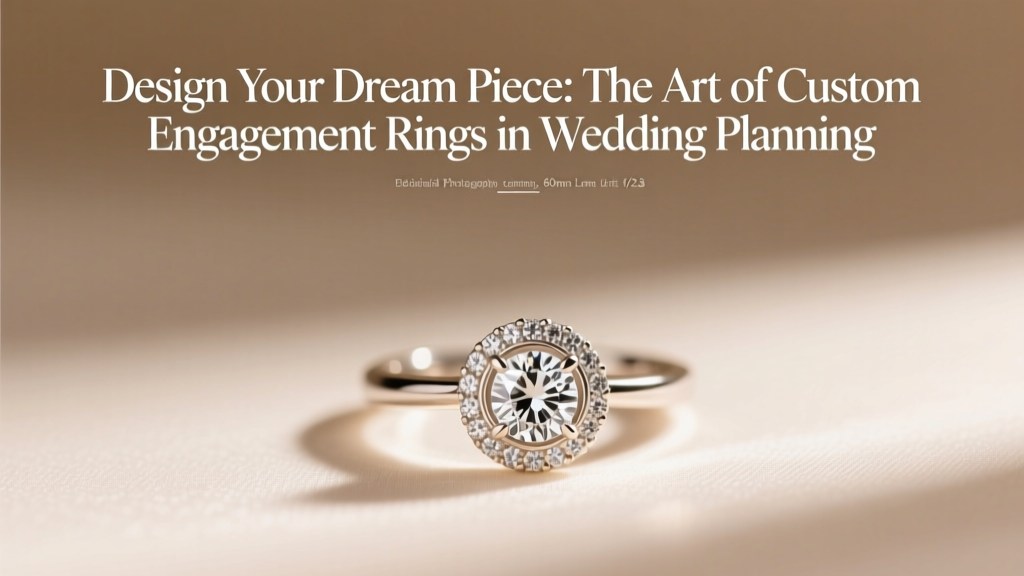 Custom Engagement Rings Design Your Dream Piece
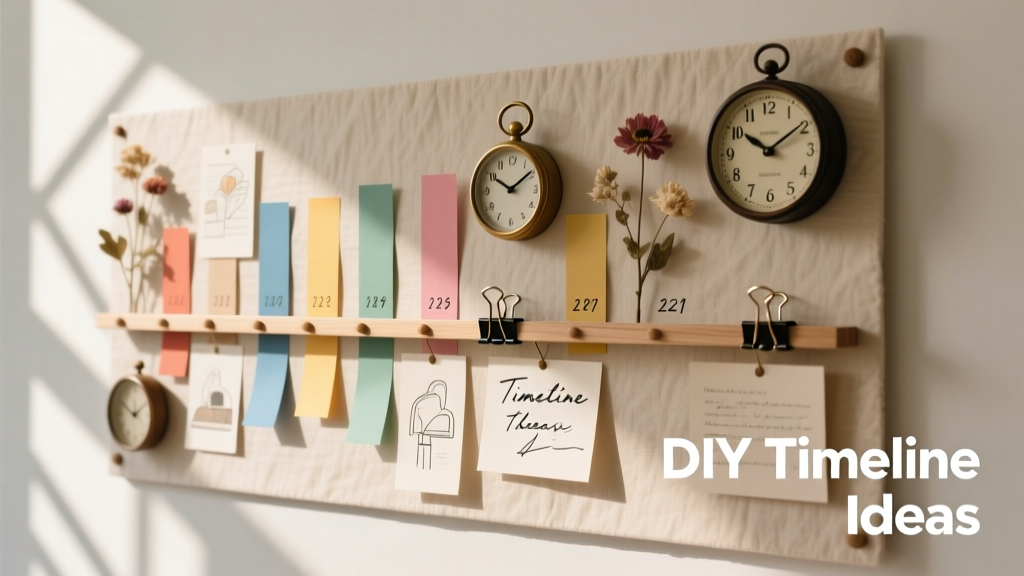 DIY Timeline Ideas for Jewelry Making: A Practical, Step-by-Step Framework
 Lab Diamond vs Moissanite: The 2026 Buyer's Complete Guide
 Wedding Band or Engagement Ring First? (2026)
 How to Choose an Engagement Ring With an Oval Diamond
 Engagement vs Wedding Ring Order: What to Know
 How to Make a Ring Smaller Without Resizing (2026)
 Complete Budget Essentials: A Practical Metalsmith’s Guide to Starting Jewelry Making Under $500
 How to Start a Jewelry-Making Budget: A Practical, Step-by-Step Guide for Beginners
 Can You Wash Hands With Wedding Ring On? (2026)