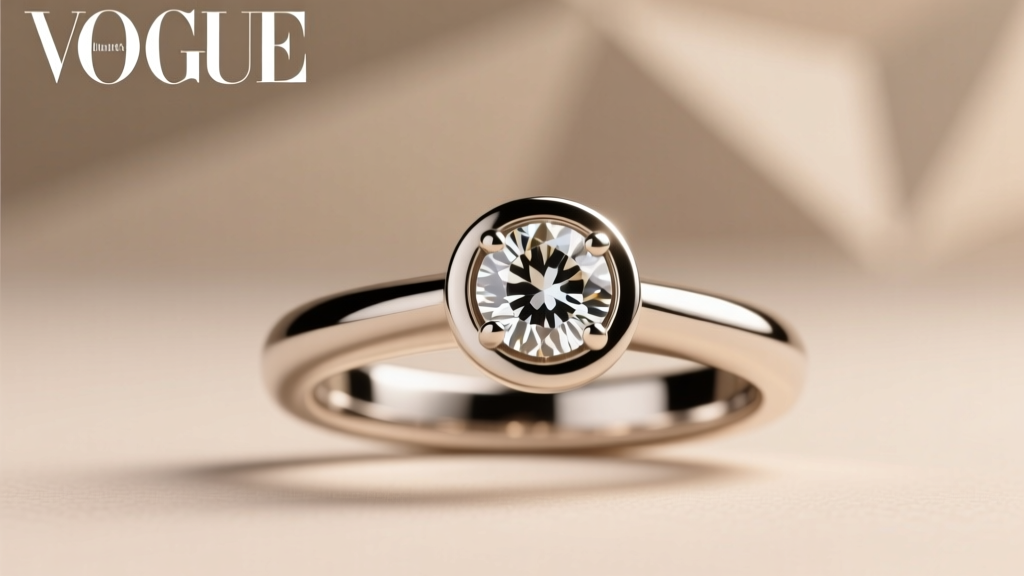
How to Choose an Engagement Ring With a Bezel Setting
A bezel setting is one of those engagement ring styles that looks effortless—clean, modern, and beautifully finished—yet it’s also one of the most practical choices you can make. Instead of holding a center stone with prongs, a bezel uses a smooth rim of metal that wraps around the gemstone’s edge. The result is a ring that feels secure on the hand, resists snags, and protects the stone during daily wear.
Couples often land on bezel engagement rings for real-life reasons: active jobs, frequent travel, working with hands, or simply wanting a sleek silhouette that layers well with a wedding band. The best part is that “bezel” isn’t one look. It can be bold or delicate, vintage-inspired or minimal, and it works with everything from round diamonds to emerald-cut moissanite to colorful sapphires.
This guide breaks down how bezel settings work, what to look for in craftsmanship, how to choose the right gemstone and metal, and how to get the best value—so you can confidently select a bezel-set engagement ring you’ll love for decades.
What Is a Bezel Setting (and Why Couples Love It)?
A bezel setting is a band of metal (often called a “collar” or “rim”) that surrounds the perimeter of a gemstone. There are two main types:
Full Bezel vs. Partial (Half) Bezel
- Full bezel: The metal encircles the entire stone. This offers maximum protection, a very smooth profile, and a contemporary look.
- Partial bezel (half bezel): The metal wraps only partway around the stone—often at two sides. It keeps the stone secure while allowing more light in from the sides, creating a slightly airier, more “open” appearance.
Key Benefits of Bezel Engagement Rings
- Excellent security: Great for daily wear and for gemstones with vulnerable corners.
- Lower snag risk: Ideal if you wear knitwear, gloves, or work with your hands.
- Stone protection: The rim shields edges from chips and knocks.
- Modern, timeless style: Minimalist and architectural, yet classic enough to stay relevant.
Choosing the Right Gemstone for a Bezel Setting
Bezel settings work with almost any center stone, but different gemstones and shapes benefit in different ways. Consider durability, sparkle preferences, and how the bezel will influence the face-up look.
Diamond: Crisp Brilliance and Long-Term Durability
A bezel-set diamond engagement ring is a favorite for couples who want maximum longevity. Diamonds rank 10 on the Mohs hardness scale, making them the most scratch-resistant gemstone for everyday wear. A bezel can also subtly emphasize a diamond’s outline, giving it a “finished” look—especially in yellow gold or platinum.
Cut tips: Prioritize a well-cut diamond over higher carat weight. With bezel settings, a great cut is what keeps the stone looking bright and lively.
Moissanite: High Sparkle and Strong Value
Moissanite is popular in modern engagement ring trends because it offers strong brilliance and durability at a lower price than diamond. It pairs beautifully with bezel settings, especially in sleek, minimal designs. If you love a crisp white look, consider colorless or near-colorless moissanite grades, and ask about how the stone performs in different lighting.
Sapphire and Other Colored Gemstones: A Bezel’s Best Friend
Bezel settings are especially smart for gemstones like sapphires, rubies, and spinels—stones chosen for color and personality. A bezel helps protect edges and corners and can frame the hue beautifully. Blue sapphire engagement rings are a timeless classic, while peach sapphires, green sapphires, and teal shades reflect current jewelry trends.
Durability note: Sapphire and ruby (corundum) rank 9 on Mohs and wear well. Softer gems (like opal or emerald) require more careful lifestyle consideration even in a bezel.
Selecting a Shape: What Looks Best in a Bezel?
Bezel settings can make a stone appear slightly smaller because the metal rim takes up visual space. The trade-off is a bolder outline and superior protection. Choosing the right shape can maximize the look you want.
Round Brilliant
Round stones are a natural match for full bezels—symmetrical, smooth, and timeless. If you want a bezel ring that feels classic rather than trendy, round is a safe bet.
Oval and Pear
Elongated stones are popular in engagement ring trends because they can look larger per carat and flatter the finger. A bezel around an oval or pear creates a sleek, “capsule” silhouette. Make sure the point of a pear is protected with a well-made rim, and consider a partial bezel if you want a lighter look.
Emerald Cut and Asscher
Step cuts look striking in bezel settings. The clean lines pair well with modern metals and minimal bands. Because step cuts show clarity more easily, consider a higher clarity grade (or a careful eye-clean selection) than you might with a round brilliant.
Princess, Radiant, and Marquise
Shapes with corners or tips benefit from bezel protection. A well-fitted bezel can reduce the risk of chipping compared to corner prongs. For marquise, check symmetry—bezels will highlight any imbalance.
Metal Choices: How the Band and Bezel Change the Look
The metal you choose affects color, durability, maintenance, and overall style. Since a bezel uses more metal around the stone than prongs do, the metal’s tone and finishing matter even more.
Platinum: Premium, Strong, and Naturally White
Platinum is a top pick for bezel engagement rings because it’s dense, secure, and naturally white (no rhodium plating required). It develops a soft patina over time rather than wearing away quickly. It’s also excellent for holding stones safely—great for heirloom-quality craftsmanship.
14K Gold vs. 18K Gold
- 14K gold: A popular choice for everyday engagement rings. It’s durable, budget-friendly, and resists scratching better than 18K due to higher alloy content.
- 18K gold: Richer color and a more luxurious feel, especially in yellow gold. Slightly softer than 14K, but still very wearable for most lifestyles.
White Gold: Bright Look with Periodic Maintenance
White gold bezel rings look crisp and modern, but most white gold is rhodium-plated for that bright white finish. Expect to re-plate every 12–36 months depending on wear and skin chemistry.
Yellow and Rose Gold: Warm, Romantic, and Trend-Forward
Yellow gold bezel settings can make diamonds look warmer and vintage-leaning, while rose gold adds a romantic glow that’s been a strong trend in recent years. Both can be timeless when paired with clean lines and a classic stone shape.
Bezel Setting Style Options: From Minimalist to Detailed
High-Polish vs. Matte/Brushed Bezel
A high-polish bezel reflects light and looks dressy. Matte or brushed finishes feel modern and help minimize the appearance of small scratches. For very active lifestyles, a brushed bezel with a polished shank is a popular balance.
Thin Bezel vs. Bold Bezel
A thinner bezel can look delicate and maximize the visible gemstone, but it requires precise craftsmanship. A bold bezel makes a confident statement and can visually “frame” the center stone like a piece of fine design.
Bezel with Accent Stones (Halo or Side Stones)
If you love extra sparkle, consider a bezel-set center with pavé diamonds on the band, a bezel halo, or a tapered baguette side-stone design. These can feel both on-trend and timeless when the proportions are clean and the craftsmanship is high.
Quality Factors: What to Inspect Before You Buy
Because a bezel is all about precision, small details matter. Here’s what separates a well-made bezel engagement ring from one that won’t age as well.
Fit and Symmetry
The bezel should hug the stone evenly without gaps, waviness, or lopsided thickness. On fancy shapes (oval, pear, emerald), symmetry is especially noticeable.
Edge Finish and Comfort
Run a finger along the bezel rim (or ask for macro photos). The edge should feel smooth, not sharp. A comfort-fit interior can make a wider band feel easier to wear.
Light Performance and Stone Visibility
Bezels can slightly reduce side light, but a well-cut stone will still sparkle beautifully. If you’re concerned about brightness, consider a partial bezel or ask for an open gallery design beneath the stone to allow more light return.
Diamond and Gemstone Specs (Beyond Carat)
- Cut: The biggest driver of sparkle for diamonds; prioritize Excellent/Ideal cut where applicable.
- Color: Bezels can emphasize warmth, especially in yellow or rose gold. Consider a slightly higher color grade if you want a crisp white look in white metals.
- Clarity: Step cuts typically need higher clarity than brilliant cuts for a clean look.
- Certification: For diamonds, look for reputable grading reports (GIA or AGS where available). For sapphires, ask about treatment (heat-treated is common; diffusion or glass-filled should be disclosed).
Practical Buying Tips for a Bezel Engagement Ring
- Try it on with a wedding band: Some bezel settings sit low and may require a contoured wedding band to fit flush. If stacking is important, plan the bridal set together.
- Decide on profile height: Low-profile bezel rings are comfortable and snag-resistant, but they may show less of the stone from the side.
- Ask about resizing: Intricate bezel designs, eternity pavé, or very wide bands can limit resizing options. Confirm before purchasing.
- Check the underside (gallery): An open gallery helps cleaning and light. A fully closed back may trap residue more easily.
- Match lifestyle to finish: If you’re hard on jewelry, consider platinum or 14K gold and a brushed finish to keep the ring looking fresh.
Care and Maintenance: Keeping a Bezel Ring Bright
Bezel settings are secure, but they still need routine care to look their best.
- Clean regularly: Use warm water, mild dish soap, and a soft toothbrush. Pay attention to the underside where lotion can collect. Rinse thoroughly and pat dry with a lint-free cloth.
- Avoid harsh chemicals: Chlorine and strong cleaners can damage metals and certain gemstones.
- Get professional checkups: Have a jeweler inspect the bezel edge for wear and confirm the stone is snug, especially if you notice rattling or movement.
- Re-polish as needed: High-polish bezels can show fine scratches. A jeweler can re-polish and refresh finishes during routine servicing.
Price Range and Value Tips
Bezel engagement rings can be cost-effective or premium depending on metal, stone type, and detailing. The bezel itself may use slightly more metal and labor than a simple prong solitaire, but it can also save money by protecting the stone and reducing snag-related repairs over time.
- Budget-friendly (approx. $800–$2,500): 14K gold with moissanite or a lab-grown diamond; clean, minimalist bezel solitaire.
- Mid-range (approx. $2,500–$6,000): Lab-grown diamond with higher specs, platinum or 18K gold, or sapphire center with diamond accents.
- Premium (approx. $6,000+): Natural diamond with excellent cut and higher color/clarity, platinum craftsmanship, designer-level finishing, or complex accent work.
Value tip: If you want a larger look without jumping in price, consider an elongated shape (oval, marquise) or a lab-grown diamond. For colored stones, ask about treatment and origin transparency—quality disclosure protects your investment.
Common Mistakes to Avoid
- Choosing style over proportions: A bezel that’s too thick can make the center stone look smaller than expected. Aim for balanced rim width.
- Ignoring band and wedding band compatibility: A low bezel can create a gap with straight wedding bands. Decide whether you want a flush fit, a curved band, or a deliberate gap.
- Overlooking stone cut quality: A bezel won’t “fix” a poorly cut diamond. Prioritize cut for the best sparkle.
- Assuming all bezels are equally secure: Craftsmanship matters. Uneven metal, thin vulnerable points, or poor finishing can lead to problems over time.
- Skipping maintenance because it feels “bulletproof”: Bezels are protective, but regular cleaning and inspections keep them looking sharp and secure.
FAQ: Bezel Setting Engagement Rings
Do bezel settings make a diamond look smaller?
They can. The metal rim takes up some visible surface area, especially with a thicker bezel. A thin, well-proportioned bezel or an elongated stone shape can offset this and still give a substantial look.
Are bezel settings good for active lifestyles?
Yes. Bezel-set engagement rings are among the best choices for active wear because they reduce snagging and protect the stone’s edges. Platinum or 14K gold are especially practical for everyday use.
Can a bezel-set ring be resized?
Usually, yes—depending on the band design and how the bezel is integrated. Rings with lots of pavé diamonds, very wide bands, or intricate details may have limits. Always confirm resizing policies before buying.
Does a bezel setting reduce sparkle?
A bezel can reduce some side light compared to prongs, but sparkle mainly comes from the stone’s cut quality and light return. A well-cut diamond or moissanite will still look brilliant, and an open gallery can help with brightness.
What wedding band pairs best with a bezel engagement ring?
A simple straight band often works if the engagement ring sits high enough. For low-profile bezels, a contoured or notched wedding band creates a flush, comfortable fit. Many couples choose matching bezel-accented wedding bands for a cohesive bridal set.
Is a bezel setting timeless or trendy?
Both. Minimal bezel solitaires are timeless, while design variations—like east-west settings for emerald cuts, mixed finishes, and chunky gold bezels—reflect current engagement ring trends. The core style has been popular for decades because it’s elegant and practical.
Next Steps: Choosing Your Bezel Ring with Confidence
If you want an engagement ring that’s sleek, secure, and made for real daily wear, a bezel setting is hard to beat. Start by choosing a gemstone and shape that match your lifestyle and sparkle preferences, then select a metal that fits your budget and maintenance comfort. Finally, focus on craftsmanship—an even, well-finished bezel is what makes the ring look refined for the long haul.
For more help comparing engagement ring settings, diamond shapes, metal types, and wedding band pairings, explore our latest jewelry guides on weddingsift.com.
More Articles
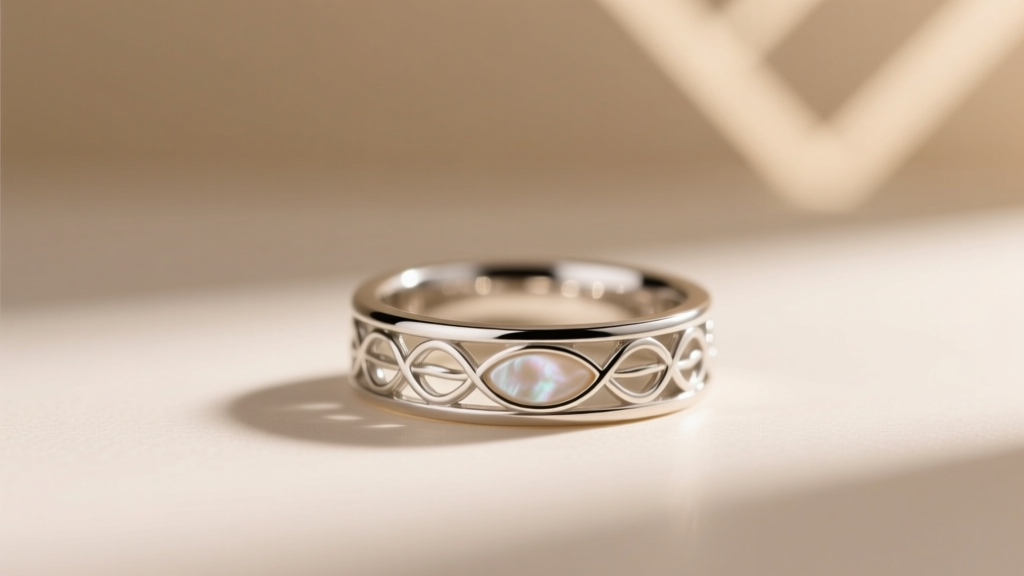 How to Choose a Wedding Band With an Inlaid Design
 The Practical, Ethical, and Timeless Proposal Ring Buying Guide
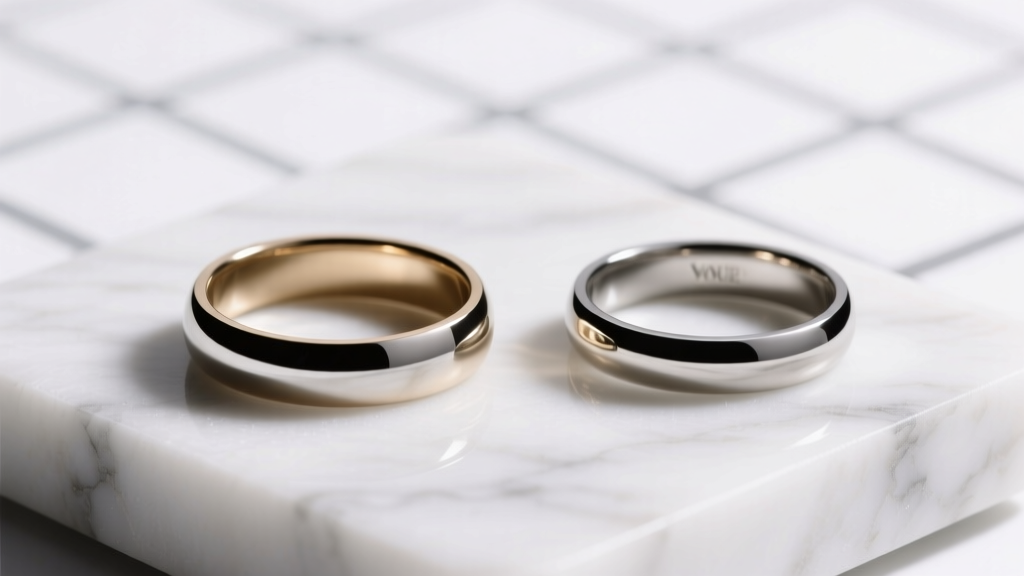 Wedding Band Order: Top or Bottom? (2026)
 Wedding Set Order: How to Stack Rings Correctly (2026)
 Paris Hilton's Ring: The 20-Carat Truth
 How to Choose a Wedding Band With a Polished Finish
 How to Choose an Engagement Ring With a Twisted Band
 How to Disinfect Wedding Ring Safely (2026)
 Marquise Diamonds Elongating Finger Appearance
 Essential Jewelry Making Tools Guide