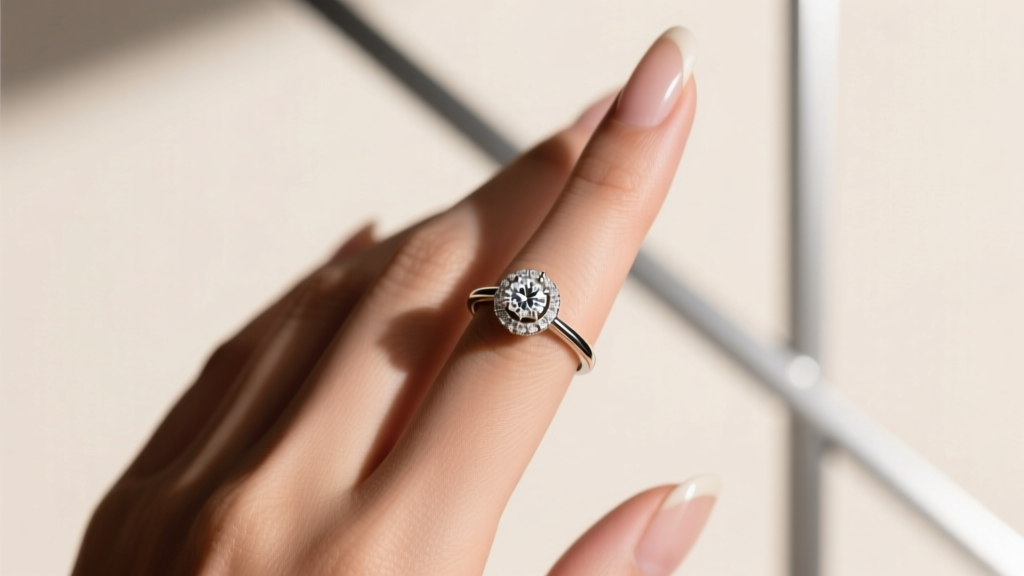
How to Choose an Engagement Ring for Long Fingers
Long fingers are a dream canvas for engagement rings. They tend to make diamonds look larger, allow more design flexibility, and flatter styles that can overwhelm shorter hands. The downside? With more “real estate,” certain ring proportions can feel too narrow, too small, or visually lost if the setting and stone shape aren’t balanced.
This guide breaks down the most flattering engagement ring styles for long fingers, how to choose gemstone shapes and settings that look intentional (not undersized), and what to consider for comfort, durability, and budget. Whether you’re shopping for a classic solitaire, a modern oval diamond ring, or a vintage-inspired halo, the goal is the same: a ring that looks proportional, feels comfortable, and suits your lifestyle.
Along the way, you’ll also find practical tips on metal choice, craftsmanship, and how to pair the engagement ring with a wedding band for a cohesive set.
What Makes Long Fingers Unique for Ring Shopping?
Long fingers often have a naturally elegant look, but the ring needs enough presence to match the hand’s scale. The key factors are:
- Proportion: Very small center stones or ultra-thin bands can look delicate to the point of disappearing.
- Coverage: Shapes and settings that provide surface area—like oval, emerald, marquise, and halos—tend to shine.
- Comfort and fit: Long fingers are often paired with slimmer knuckles or larger knuckles; either way, correct sizing and band width matter.
Best Diamond Shapes and Gemstone Cuts for Long Fingers
Most shapes work well, but a few cuts are especially flattering because they emphasize length and create elegant finger coverage.
Oval Cut
The oval cut is one of the most popular engagement ring trends right now—and for good reason. It elongates the look of the hand, offers excellent “spread” (surface area), and can appear larger than a round diamond of the same carat weight. Pair an oval with a medium-width band (around 1.8–2.2mm) for a balanced look on long fingers.
Emerald Cut
Emerald cut diamonds deliver crisp, mirror-like flashes (step-cut sparkle) and a refined, architectural vibe. On long fingers, an emerald cut looks intentional and sophisticated. Because step cuts reveal inclusions more easily, prioritize clarity (often VS2 or higher depending on the stone).
Marquise Cut
Marquise diamonds are a timeless classic that’s having a comeback in modern minimalist settings. Their pointed ends create dramatic finger coverage—perfect for long fingers. Choose protective prongs (V-prongs) on the tips to reduce chipping risk.
Pear Shape
Pear-shaped diamonds can be worn with the point toward the fingertip to elongate even more, or reversed for a bold look. A pear with a halo or tapered baguette side stones offers excellent coverage and a high-end, custom feel.
Round Brilliant (with the Right Setting)
Round diamonds are universally loved, but on long fingers they often look best when paired with design elements that add presence—think a halo setting, side stones, a wider band, or a cathedral setting that gives height and visual structure.
Radiant and Cushion Cuts
Radiant cuts combine brilliant sparkle with a rectangular outline, which can look striking on long fingers. Cushion cuts can lean vintage or modern depending on the faceting style; they’re beautiful in halos, three-stone settings, and antique-inspired designs.
Ring Styles That Flatter Long Fingers
Solitaire (Classic and Timeless)
A solitaire engagement ring is never out of style. For long fingers, consider slightly increasing band width or selecting a center stone with more spread (oval, pear, marquise, emerald). A cathedral solitaire adds presence from the side view and can make the ring look more substantial without adding many extra stones.
Halo Settings (Great for Coverage)
Halos remain popular because they boost sparkle and make the center stone look larger. On long fingers, a halo can prevent the ring from feeling undersized. For a modern look, try a hidden halo (a ring of diamonds beneath the center stone) rather than a full outline around the face.
Three-Stone Rings (Balanced and Meaningful)
Three-stone engagement rings provide strong finger coverage and visual balance. Popular combinations include oval center with pear sides, emerald center with tapered baguettes, or round with half-moon side stones. This style also transitions beautifully into a matching wedding band set.
East-West Settings (Modern Trend)
East-west settings place elongated shapes (oval, emerald, marquise) horizontally across the finger. This is a current trend that suits long fingers well, adding width and a contemporary edge. It’s also a smart choice if you want something distinctive without going overly ornate.
Split Shank and Tapered Bands
A split shank creates a broader look on the hand and adds detail without requiring a huge center stone. Tapered bands draw the eye toward the diamond while still offering enough structure to look proportional on long fingers.
Metal Choices: What Looks Best and Wears Well?
Your metal affects both aesthetics and durability. For engagement rings worn daily, choose a metal that matches lifestyle and maintenance preferences.
Platinum
Platinum is dense, naturally white, and highly durable—excellent for securing diamonds. It develops a soft patina over time rather than wearing away quickly. Platinum is a top pick for prong-heavy settings (solitaires, halos, three-stone rings) because it holds stones securely.
White Gold (14K or 18K)
White gold has a bright, reflective finish and is usually rhodium-plated for extra whiteness. It’s a popular option for diamond engagement rings, often more budget-friendly than platinum. Expect occasional replating to maintain the bright white look.
Yellow Gold
Yellow gold is a timeless classic and a strong trend again, especially with oval and emerald cut diamonds. It flatters warm skin tones and gives a vintage-meets-modern feel. Many couples choose a yellow gold band with white prongs to keep the diamond looking bright.
Rose Gold
Rose gold offers a romantic blush tone and pairs beautifully with vintage settings, halos, and morganite. It’s also forgiving with minor scratches. If choosing a diamond, consider a slightly higher color grade if you want a crisp contrast against the warm metal.
Quality Factors That Matter (Cut, Color, Clarity, Carat)
Cut: The Sparkle Maker
Cut quality has the biggest impact on brilliance. For round diamonds, aim for Excellent/Ideal cut. For fancy shapes (oval, pear, marquise), prioritize strong light performance and pleasing proportions. Ask for videos in different lighting, not just studio photos.
Color: Matching Your Metal and Style
For white metals, many shoppers land in the G–H range for a bright look with good value. For yellow or rose gold, you can often go slightly lower (H–J) while still looking white in the setting, especially if the diamond is well-cut.
Clarity: Buy Eye-Clean, Not a Grade
Many VS2 and even some SI1 diamonds are “eye-clean” depending on the shape and inclusion placement. Step cuts (emerald, Asscher) show inclusions more easily, so a higher clarity can be worth it.
Carat and Finger Coverage
Long fingers can carry larger stones gracefully. If you’re deciding between sizes, consider the diamond’s measurements in millimeters, not just carat weight. Ovals, pears, and marquise often look larger face-up than rounds at the same carat.
Band Width, Setting Height, and Comfort
For long fingers, a very thin band (like 1.4–1.6mm) can look extremely delicate. That can be pretty, but it may also bend more easily over time. A balanced everyday range is often 1.8–2.4mm, depending on the design and center stone size.
- Low-set or comfort-forward: Bezel settings and lower prongs reduce snagging and protect the stone.
- More presence and drama: Cathedral settings, halos, and taller baskets add visual weight and side profile beauty.
- Consider a comfort-fit interior: Slightly rounded inner edges can feel better for daily wear.
How to Pair an Engagement Ring with a Wedding Band
Couples often shop engagement rings and wedding bands together to avoid fit issues. Consider:
- Flush fit: If you want the wedding band to sit straight, ask for a setting that allows it—or plan for a curved/contoured band.
- Mixed metals: A popular modern approach is a yellow gold band with a platinum or white gold engagement ring head.
- Stacking: Long fingers look great with ring stacks—try a diamond band plus a plain wedding band for balance.
Price Range Considerations and Value Tips
Engagement ring pricing varies widely, but these guidelines help you spend smart:
- $1,000–$3,000: Small diamond solitaires, lab-grown diamond rings, or alternative gemstones (moissanite, sapphire) in 14K gold.
- $3,000–$8,000: Larger lab-grown diamonds, natural diamond solitaires around 0.5–1.0ct (depending on quality), halos, and simple three-stone designs.
- $8,000–$20,000+: Higher-carat natural diamonds, premium cut grades, platinum settings, and detailed craftsmanship (custom settings, intricate halos, high-quality side stones).
Value tips:
- Consider lab-grown diamonds for more size and cut quality within budget.
- Choose near-colorless grades (G–I) for strong value, especially in yellow gold.
- For long fingers, prioritize millimeter spread and setting presence over chasing a specific carat number.
- Put budget into cut quality—a smaller, well-cut diamond often outshines a larger poorly cut one.
Care and Maintenance for Daily Wear
Even the best-made engagement ring needs routine care:
- Clean at home weekly: Warm water, mild dish soap, and a soft toothbrush work well for diamond rings and most settings. Rinse thoroughly and pat dry with a lint-free cloth.
- Avoid harsh chemicals: Remove rings for cleaning products, chlorine, and heavy lotions that can dull sparkle.
- Schedule professional checks: Have prongs and settings inspected every 6–12 months, especially for pavé or halo styles.
- Store safely: Keep rings in a fabric-lined box to avoid scratching other jewelry.
Common Mistakes to Avoid When Shopping for Rings for Long Fingers
- Choosing a center stone that’s too small for the hand’s scale: Long fingers often look best with a little more presence—either a larger stone, a halo, or a wider band.
- Going ultra-thin on the band without considering durability: Very thin bands can warp over time, especially with larger stones.
- Ignoring finger coverage measurements: Compare diamond length/width in millimeters to see how it will actually look on the hand.
- Not planning for the wedding band: Some settings prevent a straight band from sitting flush, leading to surprises later.
- Overlooking craftsmanship details: Uneven prongs, sloppy pavé work, or weak baskets can cause long-term issues—ask about stone security and finishing.
FAQ: Engagement Rings for Long Fingers
What engagement ring shape looks best on long fingers?
Oval, emerald, marquise, and pear shapes are especially flattering because they offer elegant coverage and emphasize length. Round diamonds also look great when paired with a halo, side stones, or a slightly wider band.
Should I choose a thicker band if I have long fingers?
Often, yes. A band around 1.8–2.4mm tends to look balanced and holds up well for everyday wear. Ultra-thin bands can look delicate but may be less durable, especially with larger center stones.
Do halos look outdated, or are they still in style?
Halos are still popular, but today’s trend leans toward more refined versions: thin halos, hidden halos, and vintage-inspired halos with delicate details. A well-proportioned halo is also a great way to add finger coverage on long hands.
Is platinum worth it for an engagement ring?
If you want maximum durability and strong stone security, platinum is an excellent choice—especially for prong-heavy designs like solitaires, halos, and three-stone rings. White gold can be a great value alternative if you don’t mind occasional rhodium replating.
What’s the best way to make a diamond look bigger on long fingers?
Choose shapes with more spread (oval, pear, marquise), consider a halo setting, and look at the diamond’s millimeter dimensions rather than only carat weight. A well-cut diamond with strong light performance also appears more impressive.
Can I wear multiple bands with an engagement ring if I have long fingers?
Yes—long fingers are ideal for stacks. Many couples pair the engagement ring with a wedding band plus an anniversary band or diamond band for a balanced, styled look.
Confident Next Steps
For long fingers, the most flattering engagement rings combine strong finger coverage with intentional proportions—think oval and emerald cuts, three-stone settings, tasteful halos, and band widths that feel substantial without being bulky. Start by narrowing your favorite shape, then choose a setting style that matches your lifestyle (low-profile for hands-on daily wear, cathedral or halo for more presence), and finish by selecting a durable metal and quality cut.
If you’re comparing styles or building a coordinated engagement ring and wedding band set, explore more jewelry guides on weddingsift.com for expert tips on diamonds, gemstones, ring settings, and timeless ways to shop with confidence.
More Articles
 How to Propose With a Family Heirloom Ring
 Wedding Ring Size Measurement: 7 Accurate Methods
 Wedding Ring Size: Accurate At-Home Method (2026)
 How Wide Should a Woman's Wedding Band Be? (2026)
 Does Priscilla Presley Still Have Elvis’s Wedding Ring?
 How To Remove A Wedding Ring From A Swollen Finger
 Eternity Ring vs Wedding Ring: Key Differences (2026)
 How to Clean Your Engagement Ring
 How to Choose an Engagement Ring She Will Never Take Off
 Diamond Color Scale What Grade Should You Choose