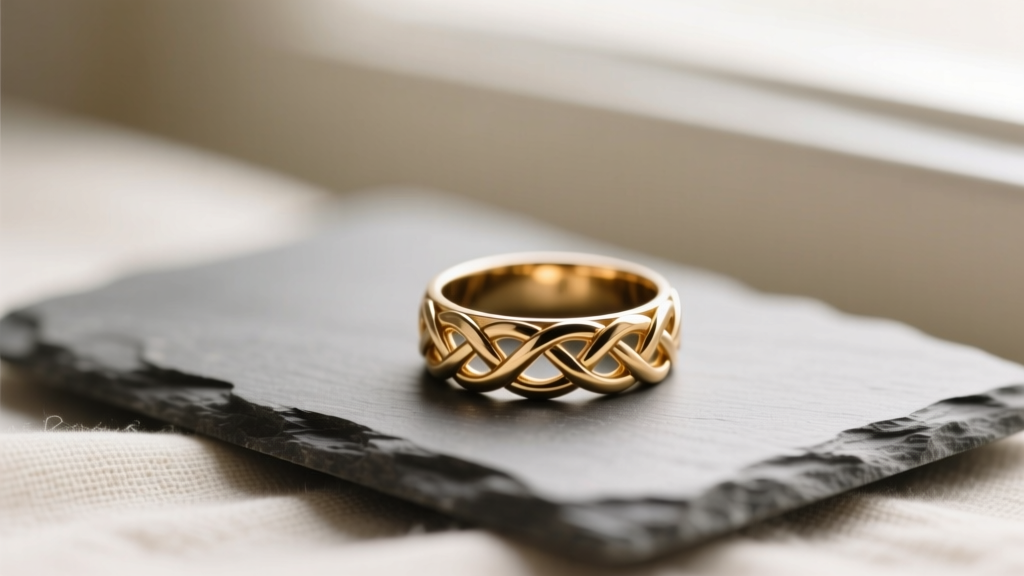
Celtic Wedding Bands Heritage and Meaning Explained
Celtic wedding bands are more than decorative rings with beautiful knotwork—they’re wearable symbols of heritage, devotion, and continuity. For many couples, choosing a wedding band is the most personal jewelry decision they’ll make, and Celtic designs offer a way to weave meaning into a piece you’ll wear every day.
These bands draw from centuries of Irish, Scottish, and broader Celtic artistry, featuring patterns meant to represent eternity, loyalty, and the unbroken bond between two people. Whether you’re honoring family roots or simply drawn to timeless craftsmanship, a Celtic wedding ring can feel both classic and distinctly yours.
This guide explains the history behind Celtic wedding bands, the most popular motifs, the best metal and gemstone choices, how to judge quality, what you can expect to pay, and how to avoid common shopping mistakes.
What Makes a Wedding Band “Celtic”?
A Celtic wedding band is defined by its design language—interlacing knots, braided patterns, spirals, and symbolic motifs originating in Celtic art. While many people associate these rings with Ireland, similar patterns appear across Scotland, Wales, and other regions influenced by Celtic culture.
Celtic knotwork: the signature look
Celtic knots are interwoven lines with no obvious beginning or end. In wedding jewelry, they’re commonly interpreted as eternity, interconnected lives, and commitment. You’ll see knotwork rendered in relief (raised patterns), engraved into the metal, or formed as openwork cutouts.
Claddagh and other iconic motifs
- Claddagh: Hands (friendship) holding a heart (love) crowned (loyalty). It’s most recognized as an Irish ring style and is sometimes incorporated into wedding bands or paired with a Claddagh engagement ring.
- Trinity knot (Triquetra): A three-cornered knot often associated with enduring love and unity. Many couples connect it to “past, present, future” or “mind, body, spirit.”
- Spirals and triskele: Spiral forms symbolize growth, energy, and life’s evolving path—popular for couples who want a meaning-forward ring that doesn’t feel overly traditional.
Heritage and Meaning: Why Couples Choose Celtic Wedding Rings
Celtic wedding bands are often chosen for two reasons: symbolism and craftsmanship. The symbolism is immediate—endless knots, braided forms, and ancient motifs feel naturally aligned with lifelong commitment. The craftsmanship matters because these patterns require precision to look crisp and balanced, especially on a narrow band.
They also fit a wide range of wedding aesthetics. Celtic rings can look rustic in antiqued silver, refined in polished platinum, or modern in matte black titanium with a clean knot inlay. That flexibility makes them ideal for couples who want something personal without straying too far from timeless classics.
Popular Styles of Celtic Wedding Bands
1) Engraved knot bands
Engraved Celtic wedding bands feature the knot pattern etched into the surface. This style is often more affordable than deep relief carving and tends to feel smooth on the finger—great for everyday wear. Look for clean linework and consistent depth so the design doesn’t fade visually over time.
2) Carved relief and sculpted bands
Relief designs have raised knotwork that stands out from the background. This creates strong texture and a traditional look, but it can catch on fabric if the pattern is very high. A well-made relief band will have softened edges (comfortable) while keeping the design sharp (detailed).
3) Inlay bands (knot inlay, wood, or colored accents)
Modern Celtic wedding ring trends include inlay styles: a knot pattern in a contrasting metal, or an inlay channel featuring wood, carbon fiber, or colored resin. These can look striking, but durability depends on how the inlay is protected (a flush inlay with a protective edge is usually best).
4) Two-tone Celtic wedding bands
Two-tone rings—such as yellow gold with white gold knotwork—are popular for couples who want a traditional precious metal look with extra dimension. Two-tone designs also pair easily with mixed-metal engagement rings, a common trend in contemporary bridal sets.
5) Celtic diamond or gemstone bands
Some couples choose Celtic bands accented with diamonds or colored gemstones. A slim row of stones can add sparkle without overpowering the knotwork. The key is choosing a setting that protects the stones and keeps the band comfortable.
Metals and Materials: How to Choose the Best One for Daily Wear
The metal you choose affects comfort, maintenance, longevity, and price. Celtic designs often have fine details, so metal hardness and finish matter.
Yellow gold (14K or 18K)
Best for: classic warmth and traditional heirloom appeal.
Consider: 14K yellow gold is more durable for everyday wear; 18K has a richer color but is slightly softer. High-polish gold highlights engraved knot patterns beautifully.
White gold
Best for: a bright, contemporary look that pairs well with diamond engagement rings.
Consider: many white gold rings are rhodium plated for a bright finish. Over time, replating may be needed—especially on high-contact areas of a patterned band.
Rose gold
Best for: romantic tone and vintage-inspired style.
Consider: rose gold’s copper content makes it relatively durable. Knotwork looks especially defined against rose gold’s warm hue.
Platinum
Best for: maximum longevity, naturally white metal, and premium feel.
Consider: platinum develops a patina rather than wearing away quickly, which many couples love for an “aged” look. It’s excellent for fine Celtic detailing and secure gemstone settings.
Silver
Best for: budget-friendly Celtic style, especially for wider bands.
Consider: sterling silver can tarnish and is softer than gold or platinum; detailed patterns may soften with years of heavy wear. Great for occasional wear or for couples who prefer low upfront cost.
Titanium, tungsten, and alternative metals
Best for: modern minimalism, scratch resistance (tungsten), and lighter weight (titanium).
Consider: alternative metals can be difficult or impossible to resize. If your Celtic wedding band has an inlay, confirm how it’s sealed and whether it can handle daily exposure to water and chemicals.
Gemstones and Settings: Adding Sparkle Without Sacrificing Meaning
Celtic wedding bands can include diamonds or colored gemstones—either as accent stones or as a focal detail integrated into the knotwork.
- Diamonds: Round brilliant melee diamonds (small accent stones) are the most common for bands. They offer maximum sparkle and suit both classic and modern Celtic designs.
- Sapphires: A popular alternative gemstone for wedding rings, often in deep blue, but also available in white, pink, and green. Sapphires (Mohs 9) are excellent for daily wear.
- Emeralds and rubies: Beautiful and meaningful, but consider durability. Emeralds are more prone to chipping and often need protective settings like bezel or semi-bezel.
Best settings for band stones:
- Bezel: Metal surrounds the stone—excellent protection and smooth feel.
- Channel: Stones set between two rails—secure and sleek, great for active lifestyles.
- Pavé: Lots of sparkle, but ensure the beads/prongs are well-finished and that the ring is thick enough to support them.
Quality and Craftsmanship: What to Look for in a Celtic Band
Because Celtic rings rely on intricate patternwork, quality is visible in the details. Here’s how to judge craftsmanship like a jeweler:
- Crisp pattern definition: Knots should look clean, symmetrical, and consistent all the way around.
- Comfort fit interior: A comfort-fit band has a gently rounded inside edge—especially helpful for wider Celtic designs.
- Appropriate thickness: Very thin bands can lose detail and wear faster. Ask about band thickness (not just width).
- Finishing: High polish makes engraving pop; matte or brushed finishes create a modern look but can soften contrast. Milgrain edges can add vintage character.
- Hallmarks and metal verification: Look for stamps like 14K, 18K, PT950, or S925. For platinum, PT950 is a common high-quality standard.
Practical Buying Tips: Fit, Pairing, and Personalization
- Try the width you want: Celtic designs often look best at 5mm–8mm. Wider rings can feel tighter, so sizing matters.
- Match or complement the engagement ring: If the engagement ring has a lot of detail, choose a simpler Celtic pattern. If the engagement ring is minimal, a bolder knot band can shine.
- Consider a custom engraving: Many couples add an inside engraving—wedding date, initials, or a short phrase. Keep it short if the ring includes comfort-fit shaping.
- Ask about resizing: Intricate patterns around the full circumference can be harder to resize without disrupting the design. Half-eternity pattern bands may resize more easily.
- Check lifestyle compatibility: If you work with your hands, consider low-profile patterns, comfort fit, and protective gemstone settings (or skip stones entirely).
Care and Maintenance: Keeping Knotwork Sharp and Beautiful
Celtic wedding bands have grooves and edges where residue can collect. A simple routine keeps the pattern crisp:
- Weekly cleaning: Warm water, mild dish soap, and a soft toothbrush. Clean along the grooves of the knotwork, then rinse and dry with a lint-free cloth.
- Avoid harsh chemicals: Chlorine and strong cleaners can damage metals and finishes. Remove your ring for pools, hot tubs, and cleaning sessions.
- Professional checkups: If your band has gemstones, have prongs and settings checked at least once a year.
- Refinishing: Polished rings can be repolished; brushed finishes can be restored. Expect some softening of very fine details over many years—choosing a slightly deeper pattern helps.
Price Range and Value Tips
Celtic wedding band prices vary widely based on metal, width, and whether stones are included. These ranges are general guidelines:
- Sterling silver: ~$75–$300 (higher for heavier, artisan-made pieces)
- Alternative metals (titanium/tungsten): ~$150–$500 (more with inlays or custom work)
- 14K gold: ~$400–$1,500 (depending on width and detail)
- 18K gold: ~$700–$2,200
- Platinum: ~$900–$3,000+
- With diamonds/gemstones: add ~$200–$2,000+ depending on total carat weight, setting style, and quality
Value tips: Choose 14K gold for the best balance of durability and cost, prioritize comfort fit for daily wear, and invest in crisp craftsmanship over extra width. If you want sparkle, small channel-set diamonds often deliver the best durability-per-dollar for a wedding band.
Common Mistakes to Avoid
- Buying too thin for the level of detail: Tiny knotwork on a very thin band can wear down faster and look less defined.
- Ignoring resizing realities: Full-pattern or inlay rings may be hard to resize. Confirm your options before purchasing.
- Choosing a high-relief design for an active lifestyle: Deep texture can catch on clothing and collect debris. Engraved or low-profile patterns are often more practical.
- Overloading the design with stones: Too many diamonds can compete with the Celtic motif. A few well-placed accents usually look more refined.
- Not considering pairing with the engagement ring: Some Celtic bands sit flush, others don’t. If you want a seamless bridal set, check how the rings fit together.
FAQ: Celtic Wedding Bands
Are Celtic wedding bands appropriate for both men and women?
Yes. Celtic wedding bands are naturally unisex—knotwork and braided patterns look great across widths from slim (3–4mm) to bold (8–10mm). Many couples choose matching bands in different widths for a coordinated look.
What’s the difference between a Celtic knot ring and a Claddagh ring?
A Celtic knot ring focuses on interlacing knot patterns, while a Claddagh ring features the hands-heart-crown motif. Both are rooted in Irish tradition; Claddagh styles are more figurative, knot rings more abstract and pattern-based.
Do Celtic wedding bands go out of style?
They’re considered timeless classics. Current trends lean toward cleaner knotwork, two-tone metals, and subtle diamond accents, but traditional engraved bands remain consistently popular.
Which metal is best for an intricate Celtic design?
Platinum and 14K gold are excellent for detail and durability. Platinum holds up well over time, while 14K gold offers a strong balance of cost and daily-wear toughness.
Can I add a gemstone to a Celtic wedding band?
Yes. Many designs incorporate small round brilliant diamonds or sapphires using channel, bezel, or pavé settings. For everyday wear, prioritize protective settings like bezel or channel.
How do I make sure I’m getting a high-quality Celtic ring?
Look for crisp, symmetrical knotwork, a comfortable interior, sufficient thickness for the pattern depth, verified metal hallmarks, and (if applicable) secure stone setting work with smooth, well-finished edges.
Next Steps: Choosing a Celtic Wedding Band You’ll Love for Life
The best Celtic wedding bands combine meaningful design with practical durability. Start by choosing a motif that resonates—knotwork for eternity, trinity knots for unity, or a Claddagh element for heritage—then pick a metal that matches your lifestyle and maintenance preferences. If you want a modern twist, consider two-tone metals or a subtle row of channel-set diamonds; if you prefer tradition, a classic engraved knot band in yellow gold or platinum rarely misses.
When you’re ready, explore more wedding ring guides, metal comparisons, and engagement ring tips on weddingsift.com to help you choose with confidence.
More Articles
 How to Propose With a Family Heirloom Ring
 Green Diamond Extremely Rare Natural Color
 Wedding Band Sizing vs Engagement Ring: Avoid $200+ Resizing
 Do People Wear Wedding Rings on the Right Hand? The Truth
 Plan Themes Essentials: A Metalsmith’s Practical Framework for Jewelry Design Consistency
 How to Accessorize a Strapless Wedding Dress
 Wear Wedding Ring on Necklace: Safe & Meaningful Ways
 How to Choose an Engagement Ring With a Halo Setting
 How to Choose an Engagement Ring for Long Fingers
 Wedding Band vs Engagement Ring: Key Differences Explained