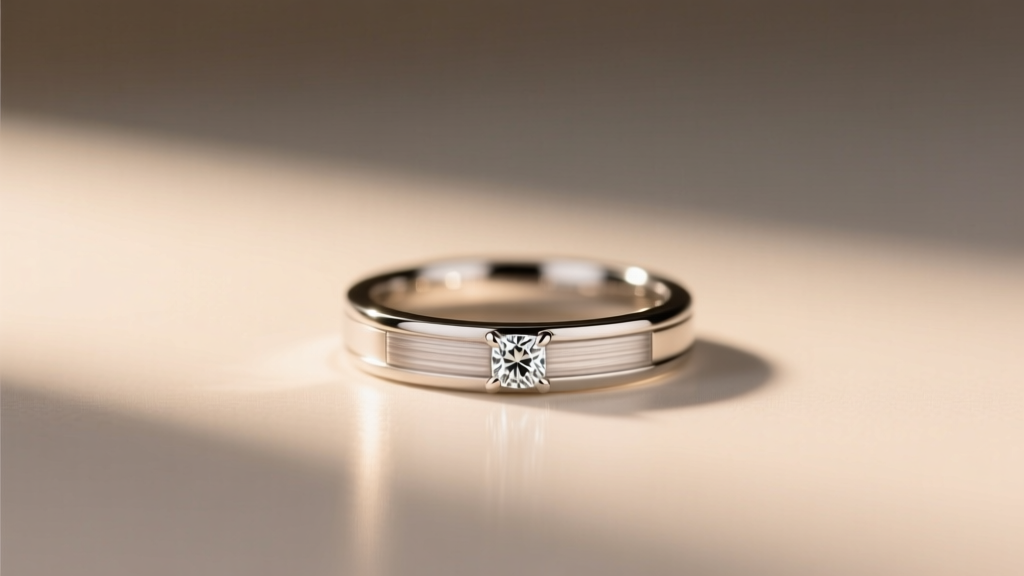
How to Choose an Engagement Ring With an East-West Setting
Engagement rings are full of tiny design decisions that make a big difference: how the stone is cut, how it sits on the finger, and whether the ring feels classic, modern, or a bit of both. An East-West setting—where the center stone is set horizontally across the finger rather than vertically—has become a standout choice for couples who want something distinctive without drifting too far from timeless engagement ring style.
Why does orientation matter? Because it changes everything from how large the gemstone looks to how the ring pairs with wedding bands and how it wears day to day. East-West engagement rings can flatter a wide range of hand shapes, create a sleek, contemporary look, and offer a fresh take on well-known cuts like oval, marquise, emerald, and pear.
This guide walks you through how to choose an East-West setting with confidence—covering gemstone shapes, setting styles, metal choices, craftsmanship checkpoints, price ranges, and the common mistakes shoppers make when they fall in love with the look but skip the details.
What Is an East-West Setting (and Why Couples Love It)?
An East-West setting places the center gemstone horizontally—its long axis runs parallel to the band. This contrasts with the traditional North-South orientation, where elongated stones point toward the fingertip. The East-West style is popular for modern bridal jewelry because it feels unexpected, minimal, and architectural while still showcasing a classic stone shape.
Current trends vs. timeless appeal
- Trending now: East-West emerald cuts, bezel-set ovals, and low-profile settings designed to sit flush with wedding bands.
- Timeless route: A simple East-West solitaire in platinum or 14k gold, especially with a well-cut oval or emerald diamond.
Best Gemstone Shapes for East-West Engagement Rings
Not every cut looks balanced when turned sideways. East-West settings shine most with elongated shapes, where the horizontal orientation highlights the stone’s length and clean lines.
Oval cut
Oval diamonds are a favorite for East-West solitaires because they read elegant and bright, and the horizontal placement can make the ring feel wider across the finger. Look for symmetry and minimal “bow-tie” (a dark shadow across the center that can appear in some ovals).
Emerald cut
Emerald cuts are all about hall-of-mirrors step facets. In an East-West setting, the long, crisp shape becomes a design statement. Prioritize clarity (emerald cuts show inclusions more readily) and strong craftsmanship in the setting to protect the corners.
Marquise cut
Marquise stones bring drama in any orientation. East-West marquise rings can look sleek and fashion-forward. Choose well-protected tips (V-prongs or a bezel) to reduce chipping risk.
Pear shape
East-West pear settings feel artistic and less traditional. They can also create a flattering line across the hand. Check that the pear’s tip is secure and the stone looks balanced (no “lopsided” shoulder).
Radiant and elongated cushion
If you want sparkle similar to a round brilliant but prefer a stretched silhouette, radiant cuts and elongated cushions work beautifully. These are great options for couples who want an East-West ring that still flashes like a classic brilliant cut.
Gemstone alternatives: sapphire, moissanite, and more
- Sapphire: Durable (9 on the Mohs scale) and available in blue, pink, peach, and white. A step-cut sapphire in an East-West setting looks especially refined.
- Moissanite: High sparkle and strong durability (9.25). Consider an emerald-cut moissanite if you want cleaner flashes than the “disco” effect some brilliant cuts show.
- Lab-grown diamonds: A popular choice for value—often allowing larger carat sizes within the same budget, while still being a real diamond.
Choosing the Right East-West Setting Style
The setting does more than hold the stone—it controls wearability, how the ring stacks with wedding bands, and how protected the gemstone is.
Bezel setting (full or partial)
A bezel wraps metal around the gemstone’s perimeter, offering excellent protection and a smooth profile. East-West bezel engagement rings are especially on-trend for couples who want a clean, modern look and a practical everyday ring. A partial bezel can keep the design lighter while still protecting vulnerable edges.
Prong setting (2, 4, or 6 prongs)
Prongs show more of the gemstone and can make the stone look slightly larger. For East-West settings, pay close attention to prong placement:
- V-prongs: Ideal for marquise and pear tips.
- Double prongs: Add a vintage-leaning detail and extra security for corners.
- Low, sturdy prongs: Reduce snagging on clothing and hair.
Half-halo or full halo
A halo can amplify sparkle and visual size. East-West halos often look more contemporary than traditional halos because the outline feels graphic. Make sure the halo is well-aligned with the center stone; uneven spacing becomes obvious in horizontal designs.
Cathedral vs. low-profile
Cathedral shoulders can add elegance and support, but East-West rings often look best in a low-profile style for comfort and modern appeal. If you’re very active with your hands, a lower profile is usually the smarter choice.
Metal Choices: What Works Best for East-West Rings?
Because East-West designs emphasize silhouette, metal color and strength matter. The metal also impacts long-term maintenance and how the ring complements wedding bands.
Platinum
Platinum is dense, durable, and naturally white. It’s a strong choice for an East-West setting because it holds prongs securely over time. It develops a soft patina rather than losing metal, and it’s ideal for daily wear.
14k gold vs. 18k gold
- 14k gold: A go-to for durability and value. Great for slimmer bands and secure prongs.
- 18k gold: Richer color and slightly softer. Beautiful for bezels and thicker bands, but may show wear sooner in high-contact areas.
Yellow, white, and rose gold
Yellow gold is a timeless classic and pairs well with vintage-inspired prongs or milgrain details. White gold offers a bright, modern look but usually requires occasional rhodium plating to maintain its whiteness. Rose gold can look romantic and contemporary, especially with oval or pear stones, but consider how it complements your skin tone and other jewelry.
Quality Factors That Matter More in East-West Settings
Turning a stone sideways changes how your eye reads proportions and symmetry. These are the checkpoints that separate a beautiful East-West engagement ring from one that feels “off.”
Stone proportions and symmetry
Elongated stones should look balanced left-to-right in the setting. With ovals and pears, ask to see the diamond from multiple angles to confirm symmetry and minimize bow-tie.
Secure craftsmanship
Because the stone spans across the finger, it can be more exposed to side impacts. Inspect:
- Even, well-finished prongs (no sharp edges)
- A snug seat for the stone (no rattle)
- Strong gallery/understructure for support
Band width and thickness
Many East-West rings look best with slightly wider bands (around 1.8–2.3mm) for visual balance and durability—especially with larger stones. Ultra-thin bands can bend over time, which may loosen the setting.
How an East-West Engagement Ring Pairs With Wedding Bands
Stacking is a key part of modern wedding ring shopping. East-West settings can pair beautifully with:
- Contour or curved wedding bands: Designed to hug the center setting for a seamless fit.
- Open or gap bands: Leave space for the horizontal center stone while creating a clean stack.
- Simple straight bands: Best when the engagement ring is low-profile or built to allow flush stacking.
If a flush fit matters to you, confirm it early. Many East-West rings sit in a way that forces a small gap with straight wedding bands unless the setting is designed for stacking.
Price Range and Value Tips
East-West settings can be surprisingly flexible in budget. The design itself isn’t automatically more expensive, but certain choices affect price.
Typical price considerations
- Center stone: The biggest driver. Diamond price rises with carat weight, cut quality, and rarity factors like high color/clarity.
- Setting style: Bezels and halos can cost more than simple prongs due to labor and metal weight.
- Metal: Platinum typically costs more than gold; 18k gold often costs more than 14k.
Smart value moves
- Choose an elongated shape: Ovals and marquise often face up larger than rounds at the same carat weight, giving more visual size for the price.
- Consider lab-grown diamonds: Excellent for maximizing size and quality within budget.
- Prioritize cut and craftsmanship: A well-made setting and a bright stone will look “expensive” even at moderate carat sizes.
Practical Buying Tips (Try-On, Comfort, and Lifestyle)
- Try different orientations: Some people love the East-West look in photos but prefer North-South on their own hand. Try both.
- Check snag risk: Run the ring lightly across a knit sweater in-store. High prongs can catch; bezels usually glide.
- Think about your job and hobbies: If you use your hands a lot, prioritize a low-profile setting and a protective bezel or sturdy prongs.
- Confirm resizing options: Intricate shanks, eternity bands, and certain tension-like designs can limit resizing.
- Ask for setting specs: Band width, thickness, and approximate setting height help you compare rings objectively.
Care and Maintenance for East-West Engagement Rings
Daily wear adds up. Keep an East-West ring looking sharp with simple, consistent care.
- Clean weekly: Warm water, mild dish soap, and a soft toothbrush. Rinse well and dry with a lint-free cloth.
- Avoid harsh chemicals: Chlorine and abrasive cleaners can damage metals and dull some gemstones.
- Store separately: Diamonds can scratch other jewelry; keep rings in a soft pouch or a divided box.
- Schedule checkups: Have prongs and bezels inspected every 6–12 months, especially if the ring sits higher or you’re very active.
Common Mistakes to Avoid
- Choosing ultra-thin bands for large stones: They look delicate but can bend and compromise stone security.
- Ignoring bow-tie in ovals and pears: A strong bow-tie can make the stone look darker in the center.
- Skipping protection on pointed shapes: Marquise and pear tips need V-prongs or a bezel to reduce chipping risk.
- Not thinking about the wedding band early: East-West rings sometimes need a contour band for a clean stack.
- Overlooking comfort: A wide horizontal stone can feel different on the finger—try it on and wear it around the store.
FAQ: East-West Engagement Ring Settings
Do East-West engagement rings make a diamond look bigger?
They can. Horizontal orientation emphasizes width across the finger, and elongated shapes (oval, marquise, emerald) often have strong “spread,” meaning they face up larger than other cuts at the same carat weight.
Is an East-West setting secure for everyday wear?
Yes—when it’s well made. Look for sturdy prongs or a bezel, adequate band thickness, and a supportive gallery under the stone. Regular inspections keep it secure long-term.
What’s the best wedding band to pair with an East-West ring?
Contour bands and open bands are the easiest matches. If you want a straight wedding band, choose a low-profile East-West setting designed to allow flush stacking—or expect a small gap.
Which metal is best for an East-West engagement ring?
Platinum is excellent for durability and prong security. For value and strength, 14k gold is a favorite. Choose based on lifestyle, color preference, and how much maintenance you want (white gold may need rhodium plating).
Are East-West rings considered trendy or timeless?
They’re both. The orientation feels modern and fashion-forward, but when paired with a classic solitaire or a bezel in a traditional metal like yellow gold or platinum, it reads timeless and refined.
Your Next Step: Find the East-West Ring That Fits Your Style
An East-West engagement ring is a smart choice for couples who want a fresh silhouette, a comfortable everyday design, and a look that stands out in a sea of traditional settings. Focus on the right elongated gemstone shape, choose a setting that protects the stone, and make sure the band and wedding band pairing work for your lifestyle.
For more guidance on engagement rings, wedding bands, gemstones, and metal choices, explore additional jewelry guides on weddingsift.com.
More Articles
 How to Wear a 2-Piece Wedding Ring (2026)
 Wedding Ring Care: Keep It Shining Forever
 Does The Wedding Band Go Inside Or Outside (2026)
 Wedding Band vs Engagement Ring: Key Differences Explained
 Emerald Cut Diamonds Step Cut Elegance
 Wedding Ring Fit: 5-Second Test & 3 Red Flags (2026)
 Jewelry Making for Beginners: First Projects
 Men’s Wedding Ring Resizing Limits (2026)
 Champagne Diamond Warm Earthy Elegance
 Wedding Ring Photos: What They Hide (2026)