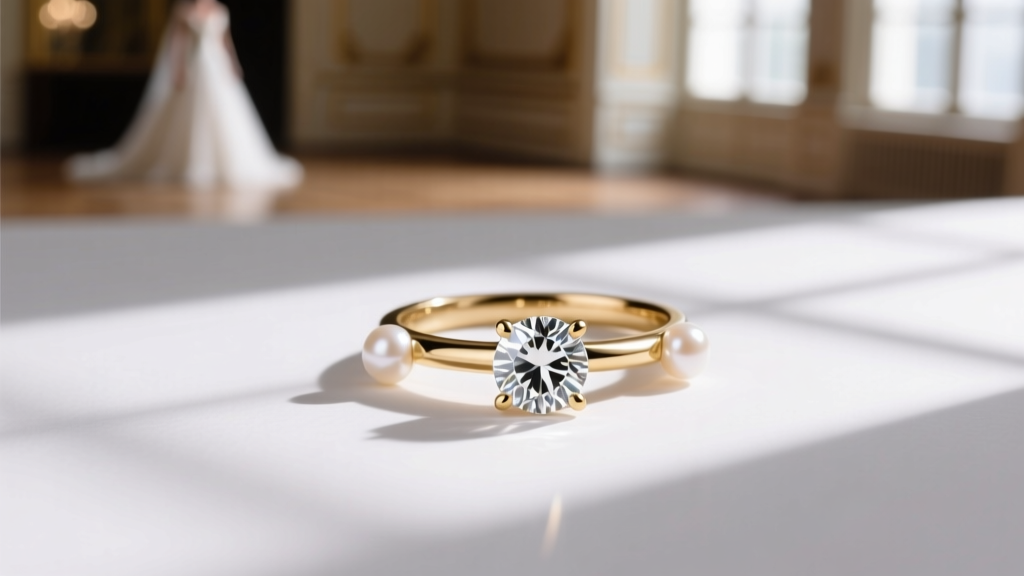
Pearl and Diamond Engagement Rings Classic Combination
Pearls and diamonds speak two different design languages—soft glow and crisp sparkle—yet they pair beautifully in engagement rings. A diamond brings the familiar brilliance most couples expect in a bridal set, while a pearl adds a romantic, heirloom-like charm that feels both vintage and fresh. When the two are balanced well, the result is an engagement ring that looks intentional, elevated, and unmistakably personal.
This combination also matters because pearls are not “set it and forget it” gemstones. They require more thoughtful design, careful wear habits, and the right setting choices to hold up to real life. If you’re shopping for a pearl and diamond engagement ring (or coordinating wedding bands), understanding pearl types, diamond quality, metal choices, and craftsmanship will help you choose a piece that stays beautiful for years.
Below is a jeweler-style guide to materials, styles, quality factors, pricing, and the most common mistakes couples make—so you can shop with confidence and build a bridal set you’ll love.
Why Pearls and Diamonds Work So Well Together
Diamonds are prized for their fire and scintillation; pearls are prized for their luster—an inner glow created by light reflecting through layers of nacre. When you place them side-by-side, diamonds provide definition and sparkle, and pearls provide softness and dimension. This contrast is especially flattering in engagement rings because it reads “bridal” without feeling ordinary.
From a style standpoint, pearl and diamond rings can lean:
- Timeless classic: a single pearl with a halo or tapered diamond shoulders in yellow or white gold.
- Vintage-inspired: milgrain edges, filigree, and old-world details paired with rose-cut or Old European-style diamonds.
- Modern minimalist: a high-luster pearl with two small accent diamonds or sleek bezel details.
- Trend-forward: toi et moi (“you and me”) designs pairing a pearl and a diamond as equal focal points.
Pearl Basics: Types, Shapes, and What to Look For
Common Pearl Types Used in Engagement Rings
- Akoya pearls: Known for bright, mirror-like luster and classic white/cream tones. Typically smaller than South Sea, often 6–8.5mm. A favorite for traditional bridal looks.
- Freshwater pearls: More variety in shape and price. High-quality freshwater pearls can be very lustrous, and they’re often a value-friendly option.
- Tahitian pearls: Naturally dark colors (charcoal, green, peacock). Dramatic with diamonds, especially in white gold or platinum settings.
- South Sea pearls: Larger sizes (often 9–13mm+) with a luxurious satiny glow, in white or golden hues. Premium pricing and a bold presence.
Pearl Quality Factors (The “Jeweler Checklist”)
When comparing pearl engagement rings, these factors matter most:
- Luster: The most important trait. Look for sharp reflections and a lively glow, not a chalky surface.
- Surface quality: Small blemishes are normal; avoid heavy pitting near the top of the pearl where it’s most visible.
- Shape: Round is rare and typically pricier. Near-round can look just as beautiful in a ring. Baroque pearls offer artistic, one-of-a-kind appeal and are trending in modern bridal jewelry.
- Nacre thickness (where applicable): Especially relevant for saltwater pearls. Better nacre generally means better durability and depth of luster.
- Color and overtone: White pearls may show rose, silver, or ivory overtones; Tahitians can show green or peacock. Choose what complements your skin tone and metal choice.
Diamond Details: Cuts, Settings, and How They Complement Pearls
Best Diamond Cuts for Pearl Pairings
- Round brilliant: Maximum sparkle; ideal for halos or accent stones that frame a pearl.
- Old mine / Old European-style: A softer, romantic sparkle that suits vintage-inspired pearl rings.
- Rose-cut diamonds: Low profile and elegant; excellent when you want shimmer without overpowering the pearl.
- Baguette and tapered baguette: Clean, architectural lines that highlight a pearl’s softness—great for Art Deco or modern looks.
Diamond Quality Tips (The Practical Version)
For accent diamonds, you can usually prioritize cut quality and overall visual match over strict grading perfection. Look for:
- Cut: Even in small stones, well-cut diamonds look brighter and crisper.
- Color: Near-colorless (G–I) often pairs beautifully with white/cream pearls. Warmer diamonds can be stunning with golden South Sea pearls or yellow gold.
- Clarity: VS–SI is commonly ideal for value, especially in small sizes where inclusions are difficult to see.
Metal Choices: Yellow Gold, White Gold, Rose Gold, and Platinum
- 14K/18K yellow gold: A timeless bridal choice that warms up white pearls and looks rich with creamy Akoya or South Sea pearls. 14K is a bit harder and often more practical for daily wear.
- 14K/18K white gold: Gives a crisp, bright backdrop for diamonds and makes pearls look clean and luminous. Requires periodic rhodium plating to maintain a bright white finish.
- Rose gold: Romantic and trending; flattering with blush overtones in pearls and vintage-inspired settings.
- Platinum: Premium, naturally white, and durable. Excellent for protecting diamond settings and prongs; ideal if you want maximum longevity and low maintenance color-wise.
For pearl and diamond engagement rings, durability is a real consideration. If you’re hard on your hands or want a ring you can wear daily with fewer worries, consider 14K gold or platinum and a design that protects the pearl.
Ring Styles and Settings That Make Pearls More Wearable
Halo Settings
A diamond halo around a pearl is one of the most classic pearl engagement ring styles. It frames the pearl, adds sparkle, and can provide a subtle “buffer” against knocks. Look for a halo that sits slightly higher than the pearl’s widest point, offering some protection without hiding the pearl.
Bezel and Semi-Bezel Details
Full bezels are rare for pearls (pearls need careful handling), but some designers use protective metal lips or semi-bezel elements to reduce edge exposure. This is a smart, modern approach for couples prioritizing wearability.
Toi et Moi (Pearl + Diamond Duo)
This trend-forward style pairs a pearl with a diamond (often oval, pear, emerald cut, or round) as two focal points. It’s symbolic, distinctive, and very current in engagement ring trends. Ask for a low-profile design so the pearl isn’t sitting too high.
Diamond Shoulder and Three-Stone Looks
Diamond-accented shoulders or a three-stone layout can create a strong bridal silhouette while keeping the pearl as the star. Tapered baguettes or pear-shaped side diamonds are especially elegant next to a round or near-round pearl.
Vintage-Inspired Craftsmanship
Milgrain edges, hand-engraving, and delicate filigree give pearl and diamond rings a timeless, antique feel. These details are also popular for couples seeking unique engagement rings that still feel classic.
Practical Buying Tips for Pearl and Diamond Engagement Rings
- Decide how “daily-wear” your ring needs to be: If you plan to wear it constantly, choose a more protective setting and consider a slightly smaller pearl (often less exposed and easier to balance in a setting).
- Ask about the pearl mounting method: Many pearls are set on a post with adhesive. Quality craftsmanship matters—ask if the pearl can be re-mounted in the future and whether the design allows safe servicing.
- Check the ring’s profile: High-set pearls catch on clothing and bump into hard surfaces. A lower, well-engineered profile is your friend.
- Match your wedding band early: Some pearl settings don’t sit flush with straight wedding bands. Consider a curved/contour band, a chevron band, or a custom-fit wedding band for a seamless bridal set.
- Request close-up photos or videos in natural light: Pearl luster and surface quality show best in soft daylight, not only in studio lighting.
Care and Maintenance: Keeping Pearls and Diamonds Beautiful
Pearls are softer than most engagement ring stones (pearls rank around 2.5–4.5 on the Mohs scale). That doesn’t mean they’re too delicate for bridal jewelry—it means they need different habits.
Daily Care Rules
- Last on, first off: Put your pearl ring on after hairspray, perfume, lotion, and makeup. Take it off first when you get home.
- Avoid water exposure when possible: Remove before showering, swimming, washing dishes, or hot tubs. Chemicals and heat can damage nacre and loosen adhesive-mounted pearls.
- Wipe gently after wear: Use a soft, slightly damp cloth to remove skin oils and product residue.
Cleaning Tips
- Skip ultrasonic and steam cleaners: Great for diamonds alone, risky for pearls and some settings.
- Use mild soap only when needed: A tiny amount of gentle soap in lukewarm water, applied with a soft cloth. Keep it brief, rinse lightly, and dry thoroughly.
Storage and Servicing
- Store separately: Diamonds can scratch pearls. Use a soft pouch or a fabric-lined box.
- Schedule checkups: Have a jeweler inspect prongs, settings, and the pearl mounting about once a year—especially if you wear the ring often.
Price Range and Value Tips
Pearl and diamond engagement rings span a wide range depending on pearl type, diamond quality, metal, and brand craftsmanship. Typical pricing you may see:
- $300–$900: Freshwater pearl rings with small diamond accents in sterling silver or 10K/14K gold. Great for fashion-forward looks; confirm stone security and metal quality.
- $900–$2,500: Higher-luster freshwater or Akoya pearls with diamond halos or pavé in 14K gold. Often the sweet spot for couples wanting a true bridal feel with quality materials.
- $2,500–$6,000+: South Sea or Tahitian pearls, larger sizes, higher diamond totals, platinum settings, and detailed craftsmanship. Ideal for statement designs and premium materials.
Best Ways to Maximize Value
- Prioritize pearl luster over perfect surface: A slightly blemished pearl with excellent luster often looks more beautiful than a “clean” pearl with dull shine.
- Use diamonds strategically: A bright halo or well-cut accent diamonds can deliver major sparkle without the price of a large center diamond.
- Choose 14K gold for durability and cost balance: Especially if the design is delicate or you’re active day-to-day.
Common Mistakes to Avoid
- Assuming pearls are as tough as diamonds: Pearls scratch easily. If you work with your hands, consider a protective setting or reserve the ring for special occasions.
- Buying a very high-profile pearl ring without trying it on: Comfort and snagging issues are real. A lower profile usually wears better.
- Ignoring wedding band fit: Many pearl engagement rings need a contour band. Plan the bridal set together to avoid surprises.
- Cleaning the ring like a standard diamond ring: Ultrasonic cleaners and harsh chemicals can damage pearls and loosen mountings.
- Overpaying for “round” when near-round looks identical on the hand: Unless you’re very particular, near-round can be a smart value move.
FAQ: Pearl and Diamond Engagement Rings
Are pearl engagement rings durable enough for everyday wear?
They can be, but they’re not as worry-free as traditional diamond engagement rings. Choose a protective setting, keep the profile low, remove it for chores and workouts, and follow gentle care. Many couples wear pearl rings daily with mindful habits.
What’s the best metal for a pearl and diamond engagement ring?
Platinum and 14K gold are excellent for durability. Platinum stays naturally white; 14K gold is hard and practical. If you love white gold, plan for occasional rhodium replating to keep its bright finish.
Do pearls need special cleaning compared to diamonds?
Yes. Pearls should not go in ultrasonic or steam cleaners. Clean with a soft cloth and mild soap only when needed, and avoid chemicals like bleach, ammonia, and strong jewelry dips.
Can I pair a pearl engagement ring with a diamond wedding band?
Absolutely. Diamond bands look beautiful next to pearls. The key is band shape: many pearl settings require a curved or contour wedding band so the two sit comfortably together.
Which pearl type is best for an engagement ring: Akoya, freshwater, Tahitian, or South Sea?
For a classic bridal look, Akoya is a favorite. For value and variety, freshwater is strong. For bold, modern contrast, Tahitian is stunning. For a luxe statement and larger size, South Sea leads—at a higher price point.
Will a pearl lose its shine over time?
With proper care, good pearls retain their luster for a long time. The biggest threats are chemicals, abrasion, and improper storage. Gentle handling and regular wipe-downs make a noticeable difference.
Choosing Your Ring: A Confident Next Step
If you love the idea of a ring that feels romantic, distinctive, and bridal without blending into the crowd, a pearl and diamond engagement ring is a beautiful choice. Focus on high luster, a protective setting, durable metal, and a wedding band plan that fits the ring’s shape. You’ll end up with a bridal set that photographs like a dream and feels meaningful every time you wear it.
For more help comparing engagement ring styles, wedding bands, gemstone options, and metal choices, explore additional jewelry guides on weddingsift.com.
More Articles
 How to Sell Wedding Band Safely & Profitably (2026)
 Men’s Wedding Ring Resizing Limits (2026)
 How to Remove a Stuck Wedding Ring Safely
 Wedding Ring Resizing: Safe, Affordable & Which Metals Work
 Jewelry Buyer Guide: What to Know First
 Jewelry Making Safety Tips for Beginners
 Clean Wedding Band at Home: 5 Safe, Pro Methods (2026)
 Oura Ring as Wedding Band: 7 Truths (2026)
 5 Year Anniversary Jewelry Gifts: Sapphire and Wood Ideas
 How to Choose an Engagement Ring With Colored Accent Stones