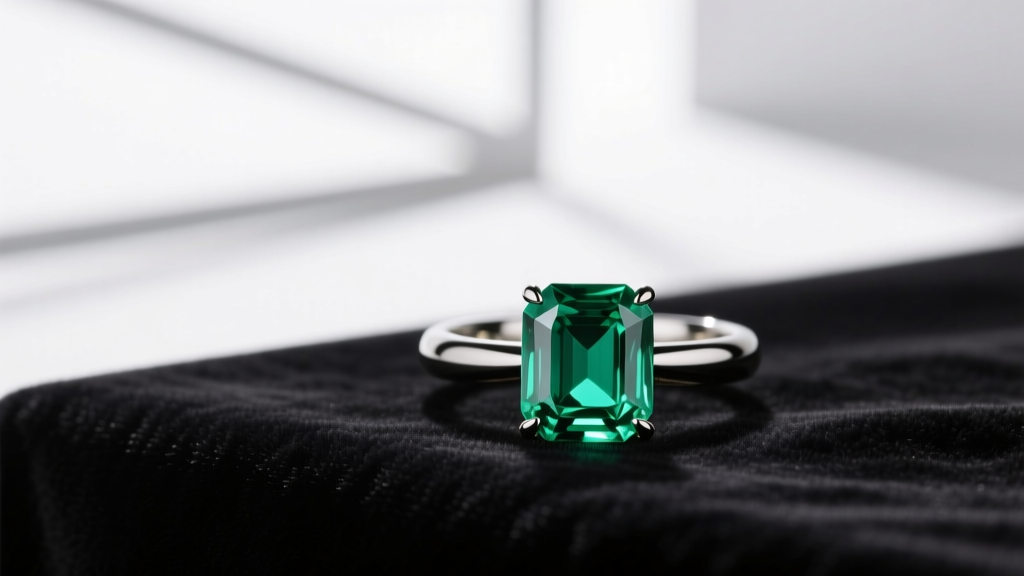
Emerald Engagement Rings Symbolism and Care Guide
Emerald engagement rings have a presence that’s hard to miss. That rich green color feels romantic, distinctive, and a little unexpected—perfect for couples who want a ring that stands apart from the classic diamond solitaire while still feeling timeless. Emeralds have been treasured for centuries, and today they’re showing up everywhere from vintage-inspired halos to sleek, modern bezel settings.
Choosing an emerald for an engagement ring is also a practical decision, not just a style one. Emeralds are durable enough for lifelong wear when they’re chosen carefully, set thoughtfully, and cared for properly. The trade-off is that emeralds require a bit more consideration than harder gemstones. Knowing what the stone symbolizes, how quality is graded, and what settings best protect it helps you buy with confidence—and keep that green glow looking its best for years.
What Emerald Engagement Rings Symbolize
Emeralds have long been associated with love, renewal, and commitment. The color green naturally evokes growth and fresh starts, which is why emerald engagement rings often feel like a meaningful choice for a new chapter together. Historically, emeralds were linked to loyalty and enduring relationships, making them a fitting centerpiece for an engagement ring.
Many couples also choose emeralds because they feel personal. Green can represent shared values (nature, travel, family heritage) or simply a color that feels “right.” In modern jewelry trends, emerald engagement rings also signal confident taste—especially when paired with clean lines, minimalist settings, or mixed-metal wedding bands.
Emerald Basics: What You’re Really Buying
Natural Emerald vs. Lab-Grown Emerald
Natural emeralds are mined gemstones—most famously from Colombia, Zambia, and Brazil. They commonly contain natural inclusions (often called “jardin,” French for garden), which can look like delicate internal landscapes. In emeralds, inclusions are expected, and a perfectly clean natural emerald is extremely rare.
Lab-grown emeralds have the same chemical composition and crystal structure as natural emeralds, but they’re created in controlled conditions. They typically offer cleaner appearance and strong color at a lower price point. For many couples, lab-grown emerald engagement rings are a smart value move—especially if you want a larger center stone without sacrificing looks.
Emerald Hardness, Toughness, and Everyday Wear
Emerald is a variety of beryl, rated 7.5–8 on the Mohs hardness scale. That’s reasonably hard, but emeralds are more prone to chipping or cracking than diamonds or sapphires because they often have inclusions and internal features. For engagement rings (worn daily), the setting choice matters as much as the stone choice.
Emerald Quality Factors: Color, Clarity, Cut, and Carat
Color: The #1 Driver of Beauty and Price
Color is the main reason people fall in love with emeralds—and the biggest factor in pricing. Look for:
- Hue: A balanced green (sometimes with a slight bluish-green). Too yellow-green can appear grassy; too blue-green can read cooler.
- Tone: Medium to medium-dark is often ideal. Very dark stones can look inky in low light.
- Saturation: Strong, vivid saturation creates the “emerald glow.” Weak saturation can look washed out.
Clarity: “Eye-Clean” Means Something Different in Emeralds
Unlike diamonds, emeralds are not typically judged by expecting flawless clarity. A certain amount of inclusions is normal. What matters is whether inclusions are:
- Visible face-up without magnification
- White or cloudy (can reduce sparkle and transparency)
- Surface-reaching near corners and edges (higher risk for chips)
Ask to see the emerald in multiple lighting conditions—bright store lighting can make inclusions harder to spot.
Cut: Why “Emerald Cut” Isn’t the Same as “Emerald Gemstone”
An emerald gemstone can be cut into many shapes: oval, round, pear, cushion, and more. The emerald cut is a rectangular step cut with clipped corners, designed to highlight color while reducing stress on the stone. It’s also one of the most classic, timeless choices for emerald engagement rings.
Other popular cuts for emeralds:
- Oval: Elongates the finger and can show more brilliance than step cuts.
- Cushion: Soft vintage vibe; hides inclusions well with mixed facets.
- Pear: Elegant and modern; best paired with protective prongs.
- Round: Bright, classic look; can be pricier due to cutting loss from rough.
Carat Weight: Face-Up Size and Setting Impact
Emeralds are often cut a bit deeper to improve color. Two emeralds with the same carat weight can look different in size depending on cut proportions. Compare measurements in millimeters, not just carats, especially if you’re coordinating with wedding bands or designing a matching set.
Best Metals and Settings for Emerald Engagement Rings
Metal Choices: Platinum, White Gold, Yellow Gold, and Rose Gold
- Platinum: Durable and naturally white; ideal for prong security and long-term wear. Great for heirloom-quality craftsmanship.
- 14K White Gold: Strong, budget-friendly, and popular for modern engagement ring styles. May need rhodium re-plating over time.
- 18K Yellow Gold: Warm and timeless; enhances rich green tones and suits vintage-inspired rings.
- Rose Gold: Romantic and on-trend; creates a soft contrast with green, especially with halo designs.
Protective Settings That Make Emeralds More Wearable
Because emeralds can chip at edges and corners, prioritize settings that offer protection:
- Bezel setting: A metal rim surrounds the stone; one of the best choices for daily wear and a modern, clean look.
- Half-bezel: Sleek and contemporary while still shielding key edges.
- Halo setting: A frame of diamonds adds sparkle and buffers the center stone from knocks (especially helpful for step cuts).
- Prong setting with V-prongs: For emerald-cut, pear, or marquise shapes, V-prongs protect vulnerable corners and tips.
Trending now: east-west emerald settings (stone set horizontally), minimal bezels, and mixed-metal ring stacks pairing an emerald engagement ring with a contrasting wedding band.
Emerald Treatments: What to Ask Before You Buy
Most emeralds are oiled or resin-treated to improve clarity by filling surface-reaching fractures. This is an accepted industry practice, but you should understand the extent of treatment.
- Ask if the emerald has minor, moderate, or significant clarity enhancement.
- Request a report from a respected lab when possible, especially for higher-value stones.
- Know that treatments can require extra care—heat, harsh chemicals, and ultrasonic cleaning can damage filled fractures.
Buying Tips for Emerald Engagement Rings (That Actually Help)
- Prioritize color over “perfect” clarity: A vivid green with minor inclusions often looks better than a pale, cleaner stone.
- Choose a protective setting: If you’re active or hard on jewelry, consider bezel, half-bezel, or halo.
- Check the corners: Emerald-cut stones should have well-protected clipped corners; avoid stones with chips or thin edges.
- Match the wedding band early: Halos and certain settings can create gaps. Consider a contour band or custom fit.
- Compare in real lighting: View the emerald in shade, indoor light, and daylight to see tone and transparency.
Care and Maintenance: How to Keep an Emerald Ring Beautiful
Daily Wear Guidelines
- Remove your emerald engagement ring for gym workouts, gardening, heavy cleaning, and anything involving impact.
- Avoid lotions, hairspray, and perfumes directly on the stone—product buildup can dull shine.
- Store it separately in a soft pouch or lined box to prevent scratching from harder gemstones like diamonds.
Safe Cleaning at Home
Emeralds do best with gentle cleaning:
- Use lukewarm water, a small amount of mild dish soap, and a soft toothbrush.
- Gently brush behind the stone where oils collect, then rinse thoroughly and pat dry with a lint-free cloth.
- Avoid ultrasonic cleaners, steam cleaning, bleach, acetone, and harsh detergents—especially for treated emeralds.
Professional Checkups
Have a jeweler inspect prongs and settings every 6–12 months. Emerald rings benefit from regular tightening checks because a loose stone is more likely to chip. If your emerald has oil treatment, ask your jeweler about appropriate servicing options over time.
Emerald Engagement Ring Price Ranges and Value Tips
Emerald engagement ring pricing varies widely based on natural vs. lab-grown, color quality, treatment level, and craftsmanship. As a general guide:
- Lab-grown emerald rings: Often start around $800–$2,500 depending on size and setting (14K gold vs. platinum, halo vs. solitaire).
- Natural emerald rings (commercial to good quality): Commonly $1,500–$6,000+.
- Fine natural emeralds (vivid color, desirable origin, minimal treatment): Can reach $8,000–$20,000+, especially with diamond accents and premium metalwork.
Best value tips:
- Consider a slightly smaller stone with top color instead of a larger, darker emerald.
- Choose 14K gold for strength and value if you want to put more budget into the gemstone.
- Use halo or side stones (diamonds or moissanite) to add presence without paying for a much larger emerald.
- For everyday wear, invest in craftsmanship: sturdy prongs, a well-made gallery, and a comfortable shank matter.
Common Mistakes to Avoid When Shopping for Emerald Rings
- Assuming emeralds are as “tough” as diamonds: They can be worn daily, but they’re not carefree. Setting choice and lifestyle matter.
- Buying the biggest stone without checking transparency: A large emerald that looks too dark or cloudy won’t give the lively green most people want.
- Ignoring treatments: Significant clarity enhancement can affect durability and care requirements.
- Choosing delicate prongs for a vulnerable cut: Emerald-cut corners, pear tips, and marquise points need protection.
- Forgetting the wedding band fit: Some engagement ring settings won’t sit flush with a straight band.
FAQ: Emerald Engagement Rings
Are emerald engagement rings suitable for everyday wear?
Yes, if you choose a protective setting (bezel, halo, or secure prongs) and you’re mindful during high-impact activities. Emeralds are durable, but they’re more prone to chipping than diamonds.
What’s the best metal for an emerald engagement ring?
Platinum and 14K gold are top choices for durability. Yellow gold is a classic match for emerald’s green, while white metals feel sleek and modern. The “best” option depends on your style and how hard you are on your ring.
Do emeralds sparkle like diamonds?
Emeralds shine differently. They’re prized for saturated color and a softer glow rather than the bright, fiery sparkle of a diamond. Cuts like oval or cushion can increase brilliance compared to step cuts.
How do I know if an emerald has been treated?
Ask the jeweler directly and request documentation when available. Most natural emeralds are oiled to improve clarity. The level of treatment (minor/moderate/significant) matters for value and care.
Should I choose a natural or lab-grown emerald?
Natural emeralds have rarity and unique character (including natural jardin). Lab-grown emeralds offer excellent color and clarity for the price. If budget and size are priorities, lab-grown can be a strong choice; if rarity and origin matter, natural may be worth it.
What setting best protects an emerald?
A bezel setting is one of the most protective, followed closely by a well-built halo or secure prong setting with V-prongs at corners. Protection is especially important for emerald-cut stones.
Your Next Step: Choosing a Ring That Lasts
An emerald engagement ring can be every bit as meaningful and enduring as a traditional diamond—especially when you pick a stone with beautiful color, pair it with a protective setting, and commit to simple, regular care. If you love the idea of a gemstone engagement ring with rich symbolism and a standout look, emerald is one of the most classic choices you can make.
Explore more expert jewelry guides on weddingsift.com to compare gemstone engagement rings, learn about wedding bands that pair well with colored stones, and find the best styles for your budget and lifestyle.
More Articles
 How to Choose a Wedding Band With a Milgrain Edge
 Wedding Ring Sizing: Safe, Affordable Methods (2026)
 How to Maintain the Shine of Your Wedding Jewelry
 How to Wear Your Wedding Ring and Band the Right Way
 How to Choose an Engagement Ring With Ethical Sourcing
 How to Wear Wedding Ring with Band (2026)
 Moissanite vs Diamond: A Buyer's 2026 Guide
 How to Make a Ring Smaller Without Resizing (2026)
 How Many Songs for a Wedding Ceremony? (2026)
 Vintage-Inspired Engagement Rings: How to Choose (2026)