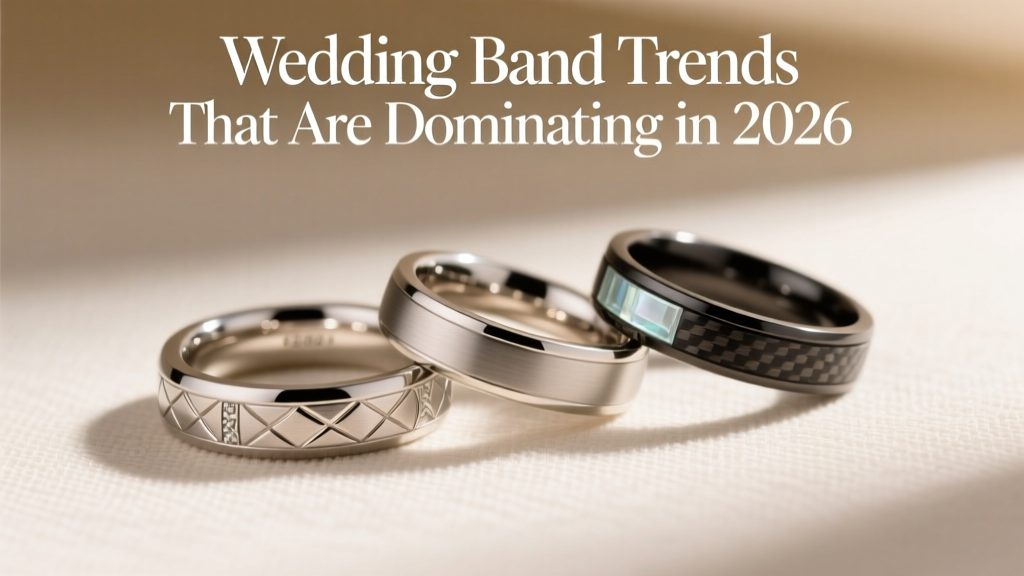
Wedding Band Trends That Are Dominating in 2026
Shopping for wedding bands used to feel straightforward: pick a metal, choose a width, and call it done. In 2026, couples are still buying timeless classics—but they’re also expecting more from a ring they’ll wear every day. Comfort, durability, personalization, ethical sourcing, and a cohesive look with an engagement ring all matter as much as sparkle.
The biggest wedding band trends for 2026 reflect that shift. We’re seeing a strong move toward “designed-for-real-life” details (comfort-fit interiors, low-profile settings, scratch-resistant finishes), plus bolder aesthetics like mixed metals, sculptural silhouettes, and gemstone accents beyond the traditional diamond eternity band. If you’re comparing wedding rings, this guide breaks down what’s trending, why it works, and how to buy a band that looks great now and still feels right in 20 years.
1) Mixed Metals and Two-Tone Wedding Bands
Two-tone and mixed-metal wedding bands are dominating in 2026 because they solve a real styling problem: many couples wear multiple jewelry tones day-to-day. A band that combines yellow gold with white gold or platinum pairs easily with both warm- and cool-toned jewelry—and it can tie together an engagement ring stack that doesn’t match perfectly.
Popular two-tone combinations
- 14K or 18K yellow gold + platinum: warm glow with a bright, cool edge; excellent for durability.
- Rose gold + white gold: romantic contrast; pairs beautifully with morganite or blush-toned center stones.
- Yellow gold + white gold: classic, often more budget-friendly than platinum mixes.
Craftsmanship details to look for
Ask how the metals are joined. High-quality mixed-metal rings are typically fused or mechanically interlocked rather than simply plated. Plating can wear over time, especially on high-contact surfaces. Clean transitions, crisp edges, and consistent finishing are signs of good bench work.
2) Slim Stacks, Curved Bands, and “Built to Layer” Sets
Stacking wedding bands is no longer just a fashion choice—it’s a practical way to customize over time (anniversary bands, birthstone bands, or seasonal swaps). In 2026, the trend leans toward slim, stackable wedding bands (often 1.5mm to 2.2mm) paired with contour and chevron shapes designed to hug an engagement ring.
Best band shapes for common engagement rings
- Solitaire with a low basket: a curved or notched band prevents gaps and rubbing.
- Oval, pear, or marquise: chevron (V-shaped) bands echo elongated silhouettes and frame the center stone.
- Halo settings: a contour band helps avoid “metal-on-metal” wear that can loosen small pavé stones.
Quality factor: thickness matters
Ultra-thin bands look delicate, but a ring still needs enough metal to withstand years of wear. As a general rule, a thin band should maintain adequate thickness (not just width). If you want a very slim look, consider a sturdier metal like platinum or keep the design simple (no exposed micro-pavé along the edge).
3) East-West Details and Modern Geometry
One of the most noticeable 2026 wedding band trends is a move toward clean geometry: east-west set stones, elongated baguettes, negative space, and architectural lines. These styles feel modern without being loud, and they photograph beautifully in ring-stacking shots.
Trending stone shapes in wedding bands
- Baguette diamonds: crisp, linear sparkle; great for channel settings or bar-set designs.
- Emerald-cut diamonds: elegant flashes rather than glittery scintillation; perfect for minimalist luxury.
- Marquise accents: leaf-like shapes that add a vintage-meets-modern feel.
Settings that hold up
For active lifestyles, prioritize channel, bezel, or flush (gypsy) settings where stones sit protected. Prong-set pavé can be stunning, but it needs careful craftsmanship and occasional maintenance to stay secure.
4) Bezel-Set and Low-Profile Diamond Bands
Bezel settings have moved from “alternative” to mainstream. In 2026, couples want wedding rings that don’t snag sweaters, catch on hair, or feel sharp during daily wear. A bezel-set diamond wedding band wraps each stone in a rim of metal, creating a smooth silhouette and excellent protection.
Bezel vs. prong: a quick comparison
- Bezel-set: best for durability and a sleek profile; slightly less light enters from the sides, but well-cut stones still look bright.
- Prong-set: maximum sparkle and airiness; can snag more and may require more frequent prong checks.
5) Alternative Gemstones (Still Practical) and Meaningful Color
Diamond wedding bands remain the #1 choice, but 2026 is bringing more color—done thoughtfully. Couples are choosing gemstones that hold personal meaning, like a birthstone, or simply want a signature look that stands out next to classic engagement rings.
Best gemstones for daily-wear wedding bands
- Sapphire (often blue, but also pink, yellow, and white): excellent hardness and durability; a top choice for a colored wedding band.
- Ruby: striking red with strong durability; pairs beautifully with yellow gold.
- Spinel: durable and available in rich colors; a smart choice for couples who want something less common.
Gemstones to use with caution
Emerald, opal, and tanzanite can be more delicate for everyday wear, especially in exposed settings. If you love the look, consider a protective bezel or a “special occasion” ring rather than a daily wedding band.
6) Metal Choices in 2026: What’s Trending and What Lasts
The right metal impacts comfort, longevity, maintenance, and price. Here’s what couples are choosing most in 2026—and why.
Platinum wedding bands
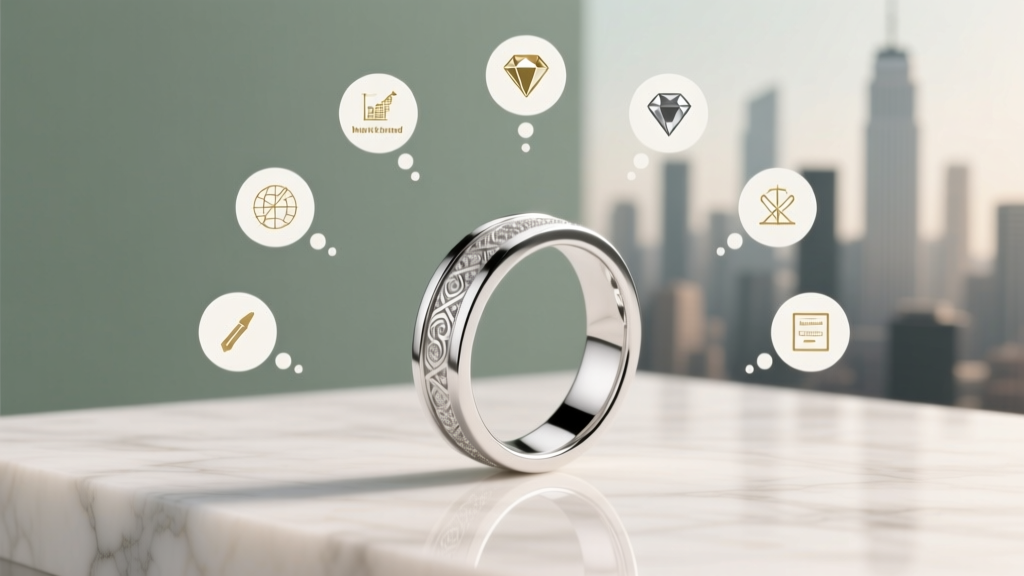
Platinum remains a premium favorite for durability and natural white color. It develops a soft patina over time rather than wearing away quickly. It’s ideal for secure stone settings and for anyone with sensitive skin (it’s usually very hypoallergenic).
14K vs. 18K gold
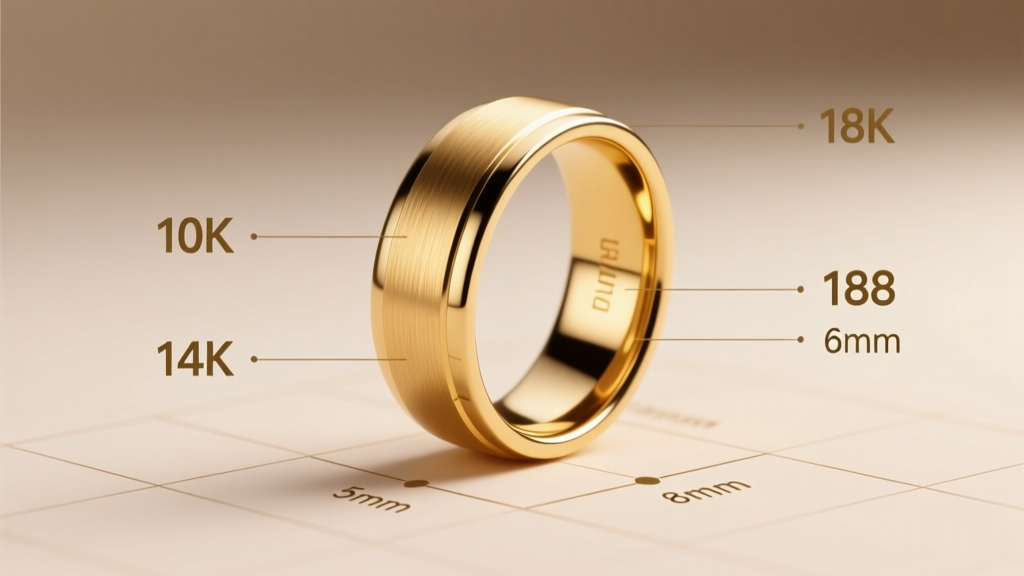
- 14K gold: slightly harder and more scratch-resistant than 18K; excellent for everyday wear and a strong value.
- 18K gold: richer color and higher gold content; can show scratches a bit more easily, especially in high-polish finishes.
Modern favorites: titanium and tungsten
Titanium is lightweight and budget-friendly. Tungsten is very scratch-resistant, which appeals to many couples. The tradeoff: these metals are harder to resize. If your finger size tends to fluctuate or you want flexibility long-term, gold or platinum is usually the safer choice.
Pricing and Value Tips: What Wedding Bands Cost in 2026
Wedding band pricing depends on metal, width, and whether you’re adding diamonds or gemstones. Here are realistic ranges most couples see when shopping for wedding rings:
- Plain 14K gold band: typically $300–$1,200 depending on width and weight.
- Plain platinum band: often $900–$2,500+ depending on weight.
- Pavé diamond wedding band: commonly $800–$3,500 based on total carat weight and craftsmanship.
- Channel-set or bezel-set diamond band: frequently $1,200–$5,000+ depending on diamond size and metal.
- Designer or custom wedding band: varies widely, often $2,000–$10,000+.
Where to spend for the best value
- Prioritize metal weight: a slightly heavier band often lasts longer and feels more substantial.
- Choose quality setting work: especially for pavé, channel, and eternity rings.
- Don’t overpay for “invisible upgrades”: for small accent diamonds, excellent cut is great, but you rarely need the top grade in every category. Aim for eye-clean, well-matched stones and a secure setting.
Practical Buying Tips for the Right Wedding Band
Match the band to your lifestyle
If you work with your hands, travel frequently, or wear gloves often, choose a comfort-fit interior and a low-profile design. Bezel, flush, and channel settings tend to be the easiest day-to-day.
Think about how it sits with your engagement ring
Bring your engagement ring when shopping. Check for gaps, rubbing points, and how the rings line up when your hand moves. A small gap may not bother you, but metal-on-metal contact can accelerate wear over years.
Confirm resizing options before you buy
This matters most for eternity bands (often difficult or impossible to resize) and alternative metals like tungsten. If you’re between sizes, ask about sizing beads, a comfort-fit interior, or half sizes.
Care and Maintenance: Keeping Wedding Bands Looking New
- Clean at home: warm water, mild dish soap, and a soft toothbrush work for most gold and platinum rings. Rinse well and dry with a lint-free cloth.
- Avoid harsh chemicals: chlorine and strong cleaners can damage metal finishes and weaken prongs over time.
- Schedule checkups: for diamond bands, have prongs and settings inspected about once a year (or sooner if you notice snagging).
- Store separately: keep rings in soft pouches or separate compartments to prevent scratching.
Common Mistakes to Avoid When Shopping for Wedding Bands
- Choosing a trend over comfort: a ring you love but hate wearing won’t become your everyday favorite.
- Going too thin for your lifestyle: ultra-slim bands can bend or wear faster, especially with exposed stones.
- Ignoring the engagement ring fit: a poor match can cause long-term wear, loosening, or annoying gaps.
- Skipping craftsmanship details: pavé that looks “too airy,” uneven stone matching, or rough finishing can signal future maintenance issues.
- Not asking about policies: resizing, warranty coverage, maintenance services, and upgrade options all affect long-term value.
FAQ: 2026 Wedding Band Shopping Questions
What wedding band style is most popular in 2026?
Stackable bands, mixed metals, and low-profile diamond bands (especially bezel-set and channel-set styles) are leading the trend. Couples want rings that look current and wear comfortably every day.
Is platinum better than gold for a wedding band?
Platinum is extremely durable and naturally white, making it a top pick for long-term wear—especially with diamonds. Gold (especially 14K) offers excellent durability too and can be a better value. The “better” choice depends on your budget, color preference, and lifestyle.
Are eternity bands still in style?
Yes—eternity bands are a timeless classic. In 2026, many couples choose updated versions like half-eternity bands (more comfortable and easier to resize) or bezel-set eternity designs for a smoother profile.
What diamond shape looks best in a wedding band?
Round diamonds give classic sparkle and hide small inclusions well. Baguette and emerald-cut diamonds create a sleek, modern look with elegant flashes. The best choice depends on whether you want glittery brilliance (round) or refined shine (step cuts like baguette/emerald).
How do I choose the right width for a wedding band?
Try on multiple widths. Many people love 2mm–3mm for a refined look, while 4mm–6mm feels bolder and more substantial. Finger length, hand size, and your engagement ring’s proportions all affect what looks balanced.
Can I mix a yellow gold wedding band with a white gold engagement ring?
Absolutely. Mixed-metal stacks are one of the biggest wedding ring trends for 2026. A two-tone band can also “bridge” the colors and make the pairing feel intentional.
Next Steps: Choose a Trend That Will Still Feel Like You
The wedding band trends dominating in 2026 have one thing in common: they’re designed for real life. Whether you love a classic gold band, a diamond pavé stack, a bezel-set eternity ring, or a modern mixed-metal design, prioritize comfort, craftsmanship, and a fit that works with your engagement ring. A well-made wedding band should feel effortless on your hand and look even better as it becomes part of your everyday story.
For more help comparing metals, settings, diamond band styles, and ring care, explore more jewelry guides on weddingsift.com.
More Articles
 How to Choose a Wedding Band With a Milgrain Edge
 Beauty Question Essentials: What Every Jewelry Buyer and Wearer Needs to Know
 How to Pair Engagement and Wedding Rings Together
 How Many Songs for a Wedding Ceremony? (2026)
 Wedding Ring Cleaning: 90-Second Pro Method (2026)
 How to Tighten Wedding Ring Safely (2026)
 Titanium Wedding Bands Are They Right for You
 Platinum Wedding Ring Value: Real 2026 Worth
 Wedding Ring Insurance Costs What to Expect
 Men’s Gold Wedding Band Weight Guide (2026)