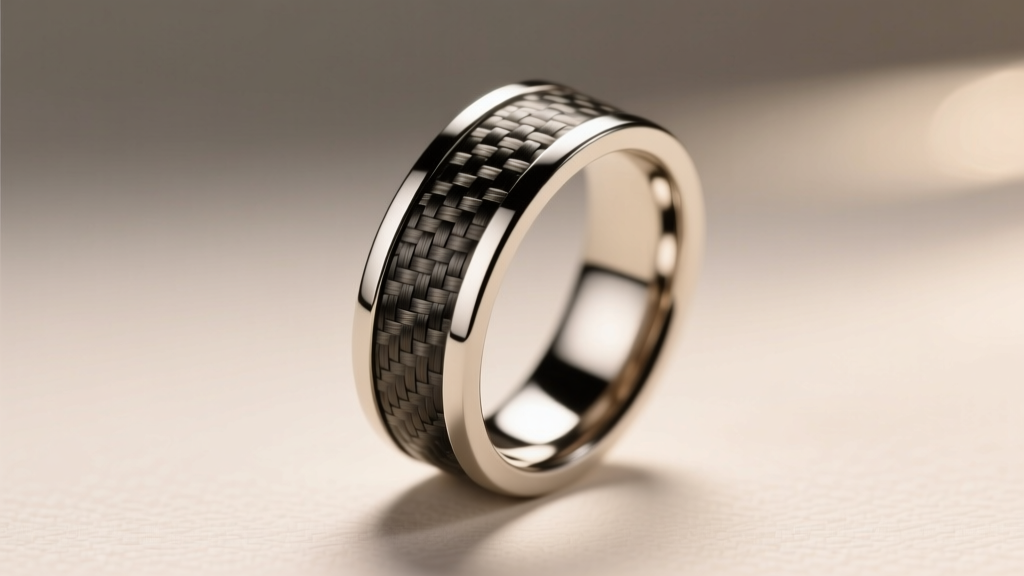
How to Choose a Wedding Band With a Carbon Fiber Inlay
Carbon fiber inlay wedding bands have moved from niche “tech” jewelry to a modern classic for couples who want a ring that feels sleek, lightweight, and a little unexpected. The look is distinctive: a dark, woven inlay that catches light in a subtle pattern—paired with precious metals like yellow gold, white gold, platinum, or contemporary favorites like titanium and tungsten. For many couples, it’s the perfect middle ground between traditional wedding ring styling and a more personal, design-forward statement.
Choosing the right carbon fiber wedding band matters because the inlay isn’t just decorative—it affects durability, maintenance, comfort, and even how the ring can be resized in the future. The metal you pair it with also changes the ring’s weight, wear resistance, and long-term value. If you’re shopping for matching wedding bands or coordinating with an engagement ring, a little upfront knowledge helps you choose a ring that looks great on day one and still feels right years later.
This guide breaks down materials, construction, design options, and practical buying tips—so you can confidently choose a carbon fiber inlay band that fits your lifestyle, budget, and style.
What Is a Carbon Fiber Inlay Wedding Band?
Carbon fiber is a high-strength composite made from tightly woven carbon strands. In jewelry, it’s typically used as an inlay: a channel or recessed area in the ring where carbon fiber is set and sealed. You’ll often see a signature woven pattern (sometimes called “twill weave”) that creates a refined, technical look—dark charcoal to near-black, depending on the resin and finishing.
Carbon fiber is popular for wedding bands because it’s:
- Lightweight compared with most metals
- Modern-looking without being flashy
- Comfortable for daily wear
- Visually distinctive—especially paired with polished precious metal edges
Choose the Right Base Metal for Your Carbon Fiber Inlay
The inlay is only part of the story. The ring’s base metal determines most of its wear performance, maintenance needs, and price. Here’s how the most common options compare.
Platinum + Carbon Fiber: Timeless Luxury With a Modern Edge
Platinum is naturally white, dense, and prized for longevity. It develops a soft patina over time rather than “wearing away” like plated metals. With a carbon fiber inlay, platinum creates a clean, high-contrast look—especially with a brushed finish.
- Best for: Couples wanting a premium, heirloom-quality wedding band
- Consider: Platinum is heavier and typically more expensive
14K/18K Gold + Carbon Fiber: Classic Warmth, Contemporary Detail
Yellow gold paired with black carbon fiber is one of today’s strongest trends—warm meets modern. White gold offers a bright, classic look, while rose gold gives a romantic, on-trend contrast.
- 14K gold: More durable for everyday wear; excellent value
- 18K gold: Richer color and higher gold content; slightly softer
- Consider: White gold is usually rhodium plated and may need re-plating over time
Titanium + Carbon Fiber: Lightweight, Comfortable, Understated
Titanium is lightweight and highly corrosion resistant, making it a favorite for people who want a barely-there feel. Carbon fiber inlay complements titanium’s modern vibe.
- Best for: Active lifestyles and those who dislike heavy rings
- Consider: Titanium is difficult to resize; choose sizing carefully
Tungsten + Carbon Fiber: Scratch Resistance and Bold Presence
Tungsten carbide is known for its impressive scratch resistance and substantial weight. A carbon fiber inlay adds visual texture to tungsten’s smooth, dark-gray sheen.
- Best for: People hard on their hands who want a ring that keeps a crisp finish
- Consider: Tungsten is typically not resizable and can chip if struck hard
Stainless Steel or Cobalt + Carbon Fiber: Budget-Friendly and Contemporary
These metals can be a good value option, especially for travel rings or backup bands. They offer a clean look with solid durability at a lower price point.
Inlay Construction and Craftsmanship: What Quality Looks Like
Not all carbon fiber inlay rings are made the same. Since carbon fiber is set into a channel, the build quality determines how well the inlay holds up to everyday life.
Inlay Depth and Secure Channel Setting
A well-made ring has a properly recessed channel where the carbon fiber sits flush (or slightly protected) rather than raised and exposed. A deep, clean channel helps prevent edge lifting and reduces the risk of chipping or snagging.
Resin Finish: Smooth, Even, and Durable
Carbon fiber jewelry uses resin to bind and seal the weave. Look for a smooth, consistent finish without cloudy patches, bubbles, or uneven gloss. A high-quality resin finish improves water resistance and makes the inlay easier to clean.
Clean Seams and Crisp Transitions
Inspect where the carbon fiber meets the metal. Clean, tight seams signal better workmanship. Poorly finished seams can collect dirt and lead to premature wear.
Style Options: From Timeless Profiles to Current Trends
Carbon fiber inlay bands come in a wide range of silhouettes—so you can keep it classic or lean into current wedding ring trends.
Band Width: 4mm to 8mm (and How to Choose)
- 4mm–5mm: Sleek and refined; great for smaller hands or a minimalist look
- 6mm: Most popular “balanced” width for men’s wedding bands and unisex styles
- 7mm–8mm: Bold statement; shows off the carbon fiber pattern more clearly
Finish Choices: Polished, Brushed, or Matte
Brushed and matte finishes are trending because they hide everyday micro-scratches and look modern next to carbon fiber. High-polish edges are a timeless detail that frames the inlay and adds contrast.
Ring Profiles: Comfort Fit vs. Standard Fit
Comfort fit rings have a rounded interior that slides on more easily and feels smoother for all-day wear—especially helpful in wider bands (6mm+). If you’re choosing a tungsten or titanium carbon fiber inlay wedding band, comfort fit is often a smart upgrade.
Gemstone Accents: Diamonds, Black Diamonds, and Sapphires
If you want a little sparkle, look for flush-set (gypsy-set) diamonds or small bezel-set stones that won’t snag. Popular options include:
- Round brilliant diamonds: Bright, classic, and timeless
- Black diamonds: A bold, trend-forward match with carbon fiber’s dark tone
- Sapphires: Durable and available in classic blue or modern black/white
For durability, prioritize excellent setting work and stones set low into the band.
Practical Buying Tips for Couples
Match Your Engagement Ring (Without Over-Matching)
If one partner has a diamond engagement ring, you can coordinate by echoing the same metal color (yellow gold, white metal, or rose). Carbon fiber adds contrast, so you don’t need identical designs for the rings to look cohesive as a set.
Get Sizing Right—Especially for Tungsten and Titanium
Because tungsten and titanium are difficult or impossible to resize, confirm your size with a professional ring sizer. If your knuckles are larger than the base of your finger, comfort fit and slightly wider bands may feel tighter—factor that into sizing.
Check the Warranty and Repair Options
Ask what the maker covers: inlay lifting, resin cracking, stone tightening, and refinishing. A strong warranty is a good sign of confident craftsmanship.
Care and Maintenance: Keeping Carbon Fiber Inlay Rings Looking Sharp
- Cleaning: Use warm water, mild dish soap, and a soft toothbrush. Rinse and dry with a microfiber cloth.
- Avoid harsh chemicals: Chlorine, strong solvents, and abrasive cleaners can dull finishes and may affect resin over time.
- Remove for heavy impacts: Especially with tungsten bands, avoid dropping the ring on tile or concrete.
- Professional checkups: If your ring has gemstones, have a jeweler check settings periodically.
Price Range and Value Tips
Carbon fiber inlay wedding bands are available across a wide budget spectrum. Typical price ranges vary by metal, brand, and added gemstones:
- Stainless steel / cobalt + carbon fiber: ~$75–$250
- Titanium + carbon fiber: ~$150–$400
- Tungsten + carbon fiber: ~$150–$500
- 14K gold + carbon fiber: ~$500–$1,500+
- Platinum + carbon fiber: ~$900–$2,500+
- Diamond-accented styles: Add ~$150–$1,000+ depending on total carat weight, cut, and setting
Best value tips:
- Choose 14K gold over 18K for a stronger daily-wear balance of durability and cost.
- If you want maximum scratch resistance, tungsten offers strong performance per dollar—just accept the resizing limits.
- Prioritize craftsmanship (clean seams, secure inlay) over extra design details you won’t notice day to day.
Common Mistakes to Avoid
- Buying the wrong size in a non-resizable metal: Tungsten and many titanium rings can’t be resized. Double-check sizing before ordering.
- Assuming “scratchproof” means indestructible: Tungsten resists scratches but can chip with sharp impacts.
- Ignoring the ring’s edge style: Sharp edges can feel uncomfortable; consider beveled edges or comfort-fit interiors for daily wear.
- Choosing style over lifestyle: If you work with your hands, a low-profile design with flush-set stones is safer than raised details.
- Not asking about repairs: Inlay rings depend on good construction and service options. A warranty and clear repair policy matter.
FAQ: Carbon Fiber Inlay Wedding Bands
Are carbon fiber inlay wedding bands durable for everyday wear?
Yes, when made well. The base metal takes most of the wear, while the carbon fiber inlay is protected by a recessed channel and resin seal. Choose reputable craftsmanship and avoid harsh chemicals for best longevity.
Can a carbon fiber inlay ring be resized?
It depends on the metal and construction. Gold and platinum rings may be resizable in some designs, but resizing can be limited by the inlay channel. Tungsten and many titanium bands are typically not resizable.
Does carbon fiber scratch or fade?
The carbon fiber pattern itself won’t “fade,” but the resin finish can pick up fine wear over time. Proper cleaning and avoiding abrasive cleaners help keep it looking crisp.
What wedding ring styles look best with carbon fiber inlay?
Timeless favorites include comfort-fit bands with polished edges and a single center inlay. Current trends include mixed finishes (brushed metal + glossy inlay), black diamond accents, and two-tone metals like yellow gold with a dark inlay.
Is carbon fiber safe for sensitive skin?
Carbon fiber is generally skin-friendly, but sensitivity is more often related to the base metal (for example, nickel in some alloys). If you have allergies, ask about metal composition—platinum and high-quality titanium are common hypoallergenic choices.
How do I clean a carbon fiber inlay wedding band at home?
Use warm water, mild soap, and a soft brush, then rinse and dry thoroughly. Avoid ultrasonic cleaners unless a jeweler confirms it’s safe for your specific ring and any gemstones.
Final Recommendation and Next Steps
A carbon fiber inlay wedding band is a smart choice for couples who want a ring that feels modern but still wearable for decades. Start by choosing the right base metal for your lifestyle—platinum and gold for classic heirloom appeal, titanium for lightweight comfort, tungsten for scratch resistance—then evaluate the inlay craftsmanship, comfort fit, and finish. If you’re adding gemstones, keep them low-profile with flush or bezel settings for long-term durability.
Once you’ve narrowed your options, confirm sizing, review warranty coverage, and choose a design that complements (not competes with) your engagement ring. For more help comparing metals, finishes, and wedding ring styles, explore more jewelry guides on weddingsift.com.
More Articles
 Why Aaron Rodgers Wears a Wedding Ring
 26th Wedding Anniversary: Traditional and Modern Gift Guide
 Men's Wedding Band Weight: Real-World Sizing Guide (2026)
 Wedding Ring and Band Stacking Rules (2026)
 Green Diamond Extremely Rare Natural Color
 How to Match a Gift With Couples: A Jewelry Expert’s Practical Guide
 Wedding Band Width: 7mm Myth vs. Comfort Fit (2026)
 When Men Started Wearing Wedding Bands (2026)
 Vintage-Inspired Engagement Rings: How to Choose (2026)
 Do You Wear Wedding Band On Top Or Bottom (2026)