## You Might Be Surprised Who Wears a Wedding Ring on the Middle Finger
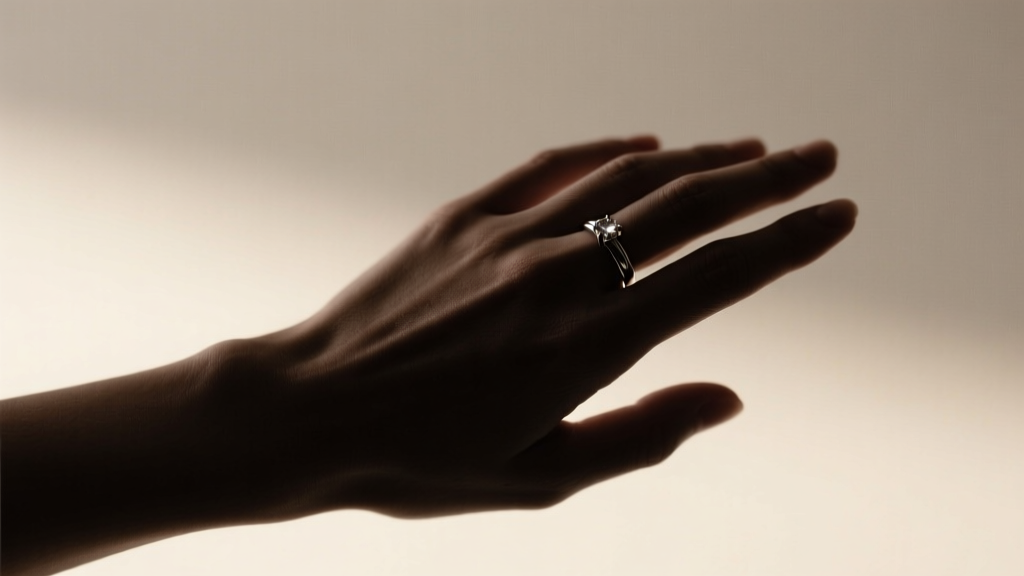
You spot a gorgeous band on someone's middle finger and wonder — is that a wedding ring? The tradition of wearing wedding rings on the fourth finger runs deep in Western culture, but a growing number of couples are breaking that convention. Whether driven by cultural heritage, personal meaning, or pure practicality, the middle finger is becoming a deliberate and meaningful choice for wedding jewelry.
## Cultural and Historical Roots of Middle Finger Rings
The idea that wedding rings belong exclusively on the ring finger is largely a Western tradition tied to the ancient Roman belief in the *vena amoris*, or "vein of love," supposedly running from that finger directly to the heart. Modern anatomy has debunked this, yet the custom persists.
In several Eastern European and South American cultures, ring placement follows entirely different rules. Some Jewish wedding ceremonies involve placing the ring on the index finger during the ceremony itself, with couples later moving it to whichever finger they prefer. In parts of Northern Europe, engagement rings and wedding bands are sometimes distributed across multiple fingers, including the middle one, to distinguish between betrothal and marriage.
Historically, the middle finger has been associated with balance and responsibility — it is the longest finger, sitting at the center of the hand. In palmistry traditions, it connects to Saturn, representing structure and commitment. For couples who value symbolism beyond Western norms, wearing a wedding ring here carries its own powerful meaning.
## Practical Reasons Couples Choose the Middle Finger
Not every middle-finger wedding ring is a cultural statement. Many couples land on this choice for surprisingly practical reasons.
**Sizing and comfort issues** top the list. Some people have a ring finger that is unusually thin or unusually thick, making it difficult to find a band that stays secure without feeling tight. The middle finger, being slightly larger and more uniform in shape, can offer a better fit. After surgery, injury, or conditions like arthritis that change finger size over time, switching fingers keeps the ring wearable instead of sitting in a drawer.
**Lifestyle and profession** also play a role. Musicians, surgeons, athletes, and people who work with their hands often find that a ring on the fourth finger interferes with grip or dexterity. Moving the band to the middle finger can reduce irritation while still keeping the symbol visible and close.
**Stacking and styling** is another factor. With the rising popularity of stacking multiple rings, some brides and grooms wear fashion rings or family heirlooms on the traditional ring finger and reserve the middle finger for the wedding band. This lets each piece stand out without crowding a single finger.
## The Symbolic Power of Breaking Convention
For many modern couples, choosing the middle finger is an intentional departure from tradition — and that is exactly the point. Weddings today increasingly reflect the unique identity of the couple rather than a one-size-fits-all template. Wearing a ring on a non-traditional finger can represent independence, equality, or a rejection of outdated norms.
Same-sex couples, non-binary individuals, and partners in non-traditional relationships sometimes choose alternative ring placement as a way to define their own visual language of commitment. The meaning of the ring does not change; only the location does.
## Common Misconceptions Worth Correcting
**Misconception 1: A ring on the middle finger means you are not really married.**
This is simply false. No universal law or religious doctrine dictates which finger validates a marriage. The ring is a symbol, and its power comes from the commitment behind it, not its GPS coordinates on your hand.
**Misconception 2: Moving your wedding ring off the ring finger is disrespectful to your partner.**
In healthy relationships, both partners discuss and agree on how they express their bond. Many couples who choose the middle finger do so together, finding shared meaning in the decision. Respect is about communication, not conformity.
## Make the Choice That Feels Right for You
There is no wrong finger for a wedding ring. Whether you are honoring a cultural tradition, solving a practical problem, or simply love how a band looks on your middle finger, the choice is yours to make with your partner. The best wedding ring placement is the one that carries meaning for the two of you — no one else gets a vote.
If you are considering a non-traditional ring placement, visit a jeweler who can help you find the perfect fit for whichever finger you choose. Your love story is unique, and your ring should reflect that.
 How to Choose an Engagement Ring for Short Fingers
 How to Choose an Engagement Ring With a Cathedral Setting
 How to Choose a Wedding Band With a Matte Finish
 How to Insure Your Wedding Jewelry Properly
 Claddagh Ring Pronunciation Guide (2026)
 What Is a Comfort Fit Wedding Band?
 Wedding Ring Stacking Order: Finger Placement Rules (2026)
 How to Keep Wedding Rings Together Without Soldering
 Signet Wedding Bands Classic Style for Modern Couples
 Solder Wedding Rings Together? (2026 Guide)