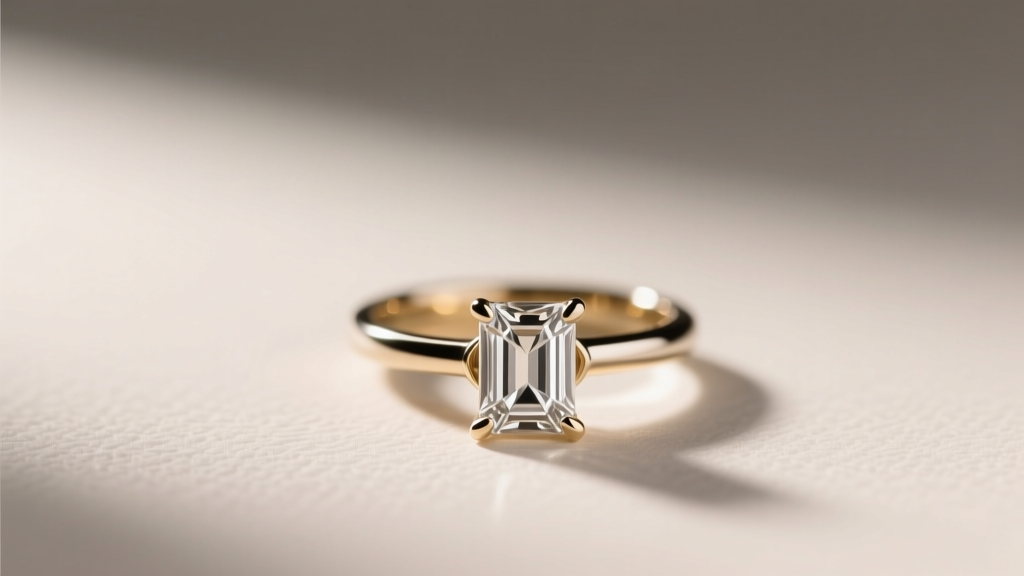
How to Choose an Engagement Ring With a Cathedral Setting
A cathedral setting is one of those engagement ring styles that looks instantly “complete.” The center stone appears elevated and framed by graceful arches of metal—similar to the sweeping lines of cathedral architecture—creating a romantic silhouette that reads elegant from every angle. For couples shopping for an engagement ring and wedding band set, it’s a classic choice that still feels current, especially as higher-profile, hand-friendly ring designs trend again.
That said, cathedral settings aren’t one-size-fits-all. The height of the arches, the thickness of the shank, the type of prongs, and even how the wedding band sits next to the ring can make the difference between a ring that’s breathtaking and a ring that’s annoying to wear. This guide breaks down how to choose a cathedral engagement ring that fits your lifestyle, your center stone, and your long-term plans for stacking wedding bands.
What Is a Cathedral Setting (and Why Couples Love It)?
A cathedral setting uses raised shoulders that sweep upward from the shank to support the center stone. Instead of relying only on prongs coming from the head, the ring’s structure “cradles” the stone with arches, adding visual drama and often extra stability.
Key benefits
- Elegant profile: The elevated look makes many center stones appear larger and more prominent.
- Support: Cathedral shoulders can help protect the head and distribute stress better than some low-profile solitaire designs.
- Styling flexibility: Works with classic solitaires, pavé bands, vintage-inspired details, and many modern diamond shapes.
Potential trade-offs
- Height: Some cathedral engagement rings sit higher, which can catch on sweaters, gloves, or hair.
- Wedding band fit: Depending on the architecture, a straight wedding band may not sit flush without a contour band.
- Cleaning: More angles and crevices can mean more buildup if not maintained.
Cathedral Setting Styles: From Timeless to Trend-Forward
Classic cathedral solitaire
This is the enduring favorite: a clean band with cathedral shoulders and a simple prong head. It pairs well with nearly any wedding band style and never feels dated. If you want a “forever” look, this is the safest bet.
Cathedral with pavé or micro-pavé
Small diamonds set along the band (and sometimes up the cathedral shoulders) add sparkle and a more luxe feel. This style is very popular right now, especially with round brilliant or oval center stones. Choose excellent craftsmanship here—poor pavé work can lead to lost accent stones over time.
Cathedral with hidden halo
A hidden halo places a circle of small diamonds beneath the center stone’s girdle, visible from the side. It’s a modern trend that adds “surprise sparkle” without changing the ring’s top view.
Split shank cathedral
The band splits as it rises toward the center, creating an airy, high-end look. It can visually widen the ring and balance elongated stones like oval, pear, and marquise.
Vintage-inspired cathedral
Look for milgrain edging, engraved shoulders, or filigree under-gallery details. These rings feel heirloom-like and pair beautifully with antique cushions, old European cuts, or even modern round brilliants for contrast.
Choosing the Right Center Stone for a Cathedral Ring
Cathedral settings can complement almost any gemstone, but the best match depends on durability, cut, and how much you want the stone to stand out.
Diamond shapes that shine in cathedral settings
- Round brilliant: The most classic pairing. A cathedral setting enhances the round’s light return and creates a balanced silhouette.
- Oval: A top trend for engagement rings. Cathedrals help ovals look even more elongated and prominent; consider a slightly lower cathedral if you’re active with your hands.
- Emerald cut: Cathedral shoulders frame the hall-of-mirrors look beautifully. Prioritize clarity (step cuts show inclusions more easily).
- Princess cut: Crisp lines with a classic cathedral give a structured, timeless vibe. Ensure secure corner protection with V-prongs.
- Pear and marquise: Very flattering and distinctive; cathedral lines can make the shape feel intentional and elegant. Use V-prongs at tips for protection.
Gemstone options beyond diamonds
- Sapphire: A durable, wedding-friendly choice (especially blue, but also peach, pink, or parti sapphires). Cathedral settings elevate a sapphire’s color presence.
- Ruby: Strong and romantic. Choose a protective prong style and consider a slightly lower profile for daily wear.
- Moissanite: Bright and fiery, often excellent value. Cathedral designs can make moissanite look especially “high jewelry.”
If you’re considering softer gems like morganite or opal, be cautious: cathedral rings can sit higher, and softer stones can scratch or chip with everyday knocks.
Metal Matters: Platinum vs Gold (and What Works Best)
The metal you choose affects durability, maintenance, color harmony, and price. Cathedral settings involve structural arches, so metal strength and craftsmanship matter.
Platinum
Best for: Maximum durability and secure stone settings. Platinum is naturally white, dense, and excellent for prongs. It develops a soft patina over time rather than wearing away quickly.
Considerations: Higher cost; patina can be polished if you prefer a brighter shine.
14K gold
Best for: A strong balance of durability and value. 14K is often the sweet spot for engagement rings, especially with pavé cathedral styles.
Color options: Yellow gold (warm, classic), white gold (bright, rhodium-plated), rose gold (romantic, vintage-friendly).
18K gold
Best for: Rich color and a luxe feel. 18K is slightly softer than 14K, which can matter for very thin cathedral shoulders or delicate pavé.
Trend watch: mixed metals
Two-tone cathedral rings—like a yellow gold shank with platinum prongs—are having a moment because they combine warmth with a crisp, protective head. It also makes a colorless diamond look brighter against a white metal setting.
Quality Factors: What to Look for in Cathedral Craftsmanship
Cathedral height and comfort
Ask how high the center stone sits above the finger. A slightly lower cathedral can still look elegant but be far more wearable. If you snag rings often or wear gloves at work, prioritize a moderate profile.
Prongs and head security
Common options include 4-prong, 6-prong, claw prongs, and double prongs. For round stones, 6 prongs add security and a classic look. For fancy shapes, ensure vulnerable points are protected (V-prongs for pear, marquise, and princess corners).
Band width and structural balance
Many cathedral styles look best with a band width around 1.8–2.2 mm for a balanced, durable feel, especially for daily wear. Ultra-thin bands can look delicate but may bend over time—particularly with a higher center setting.
Pavé setting quality (if applicable)
Look for evenly spaced stones, smooth beadwork, and no sharp edges. Ask whether the pavé is hand-set and what the warranty covers for side stone loss.
Choosing a Wedding Band That Works With a Cathedral Engagement Ring
Not every cathedral engagement ring allows a straight wedding band to sit flush. Before you commit, think like a set-builder:
- Flush fit: Some cathedral shoulders and heads are designed to allow a straight band to nest closely.
- Gap is okay: Many couples don’t mind a small space between bands; it can even protect delicate pavé from rubbing.
- Contour or curved band: Great when you want a seamless look without redesigning the engagement ring.
- Shadow band: A fitted band that mirrors the engagement ring’s outline—ideal for higher cathedral settings.
If stacking is part of your plan (wedding band + anniversary band), choose a cathedral ring with enough clearance and a practical profile.
Practical Buying Tips for Cathedral Engagement Rings
- Try it on with a band: Don’t choose the engagement ring alone. Test it with the wedding band style you want (straight, pavé, plain, curved).
- Check snag points: Run the ring gently against a knit fabric at the jeweler. If it catches easily, consider a lower profile or different prong style.
- Prioritize a lab report: For diamonds, look for GIA or IGI grading. Compare cut quality carefully (excellent/ideal cut often delivers the most sparkle).
- Balance the 4Cs with the setting: A cathedral setting can make a stone look larger, so you may be able to choose a slightly smaller carat weight and invest in cut quality.
- Ask about maintenance: Get clear guidance on prong tightening, pavé inspections, and what the warranty covers.
Care and Maintenance: Keeping a Cathedral Ring Beautiful
Cathedral rings stay stunning with simple habits:
- Clean regularly: Soak in warm water with mild dish soap, gently brush with a soft toothbrush, rinse, and pat dry. This helps remove lotion and soap buildup under the head and arches.
- Remove for impact activities: Gym workouts, heavy lifting, gardening, and cleaning with harsh chemicals can bend prongs or dull metals.
- Schedule inspections: Have prongs checked about every 6–12 months, especially for higher-set cathedral styles or pavé bands.
- Store properly: Keep it separate from other jewelry to avoid scratches, especially with gold.
Price Range and Value Tips
Cathedral settings vary widely in price based on metal, accent stones, and craftsmanship. These are realistic ranges for the setting alone (not including the center stone), though local pricing and brand premiums vary:
- Simple 14K gold cathedral solitaire: $700–$1,800
- Platinum cathedral solitaire: $1,200–$2,800
- Cathedral pavé (14K/18K): $1,500–$3,500
- Platinum pavé or designer/vintage details: $2,500–$6,000+
Where value is strongest
- Spend on structure: A well-made head and prongs matter more than extra decorative flourishes.
- Choose 14K for durability: If you want a thinner pavé band, 14K gold often holds up better than 18K at the same delicate dimensions.
- Consider lab-grown diamonds: If your priority is a larger carat look in a cathedral setting, lab-grown diamonds can offer significant savings while keeping a classic diamond appearance.
Common Mistakes to Avoid
- Choosing a cathedral that’s too high for your lifestyle: Higher isn’t always better—comfort and snag-resistance matter for everyday wear.
- Ignoring wedding band compatibility: Many couples fall in love with the engagement ring, then struggle to find a wedding band that sits nicely.
- Going too thin on the band: Extremely thin cathedral shoulders can warp, especially with larger carat center stones.
- Overlooking prong design: Fancy shapes need the right prongs for protection; aesthetics shouldn’t compromise security.
- Not planning for maintenance: Pavé and higher settings benefit from periodic inspections—factor that into your long-term ownership.
FAQ: Cathedral Setting Engagement Rings
Is a cathedral setting secure for an engagement ring?
Yes, when properly made. Cathedral shoulders add structural support to the head, and well-finished prongs (especially in platinum or sturdy gold) can be very secure. Routine prong checks are still recommended.
Do cathedral settings make a diamond look bigger?
They often do. The lifted profile and architectural framing draw the eye to the center stone, which can enhance presence—especially with round, oval, and cushion cuts.
Can a wedding band sit flush with a cathedral engagement ring?
Sometimes. It depends on how the head and shoulders are built. Many cathedral rings allow a straight band with minimal gap, but others need a curved contour band or shadow band for a seamless look.
What’s the best metal for a cathedral setting?
Platinum is excellent for durability and prong security, while 14K gold is a strong value choice that holds up well for daily wear. White gold requires occasional rhodium replating to keep a bright white finish.
Are cathedral settings trendy or classic?
They’re both. Cathedral solitaires are timeless classics, while updated versions—hidden halos, pavé shoulders, and mixed-metal heads—reflect current engagement ring trends.
How do I keep a cathedral ring from snagging?
Choose a moderate height, consider smoother prong tips (not overly sharp claws), and avoid extremely high-set heads. Trying the ring on with sweaters and daily clothing is a practical test.
Next Steps: Finding the Right Cathedral Engagement Ring for You
If you want an engagement ring that feels romantic, structured, and undeniably “engagement,” a cathedral setting is a confident choice—especially when you match the height and craftsmanship to your lifestyle. Start by selecting the center stone shape you love, choose a durable metal, confirm wedding band compatibility, and prioritize secure prongs and balanced proportions.
For more guidance on engagement ring settings, wedding band pairing, diamond shapes, and metal choices, explore additional jewelry guides on weddingsift.com.
More Articles
 Engagement Ring Upgrade Options for Anniversaries
 Necklace Tips for Strapless Wedding Dresses
 Topaz Engagement Rings November Birthstone Options
 DIY Wedding Centerpiece Flowers on Any Budget
 What Is a Wedding Ring and Why Does It Really Matter
 How to Choose a Wedding Band With a Mixed Metal Design
 How to Choose an Engagement Ring for Short Fingers
 How to Keep Wedding Ring and Engagement Ring Together
 How Wide Should a Woman's Wedding Band Be? (2026)
 How to Choose a Silicone Wedding Band for Active Days