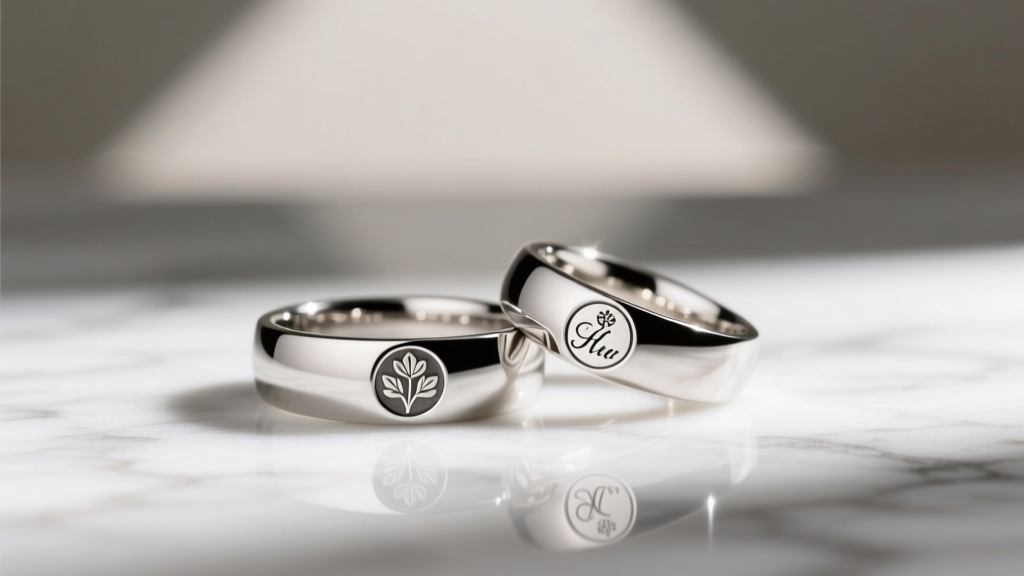
Signet Wedding Bands Classic Style for Modern Couples
Signet jewelry has always carried a quiet confidence. Traditionally, a signet ring was a personal seal—an emblem pressed into wax to mark documents and family crests. Today, that same design language translates beautifully into a wedding band: bold but refined, meaningful without being flashy, and built for everyday wear.
For modern couples shopping for wedding bands and engagement rings, signet wedding bands offer something many styles can’t quite match: a distinct face (the “signet”) that feels intentional and customized, paired with a comfortable band that ages well over decades. Whether you prefer a minimalist flat-top signet in brushed gold or a gemstone-accented design with hand engraving, this style bridges timeless tradition with current wedding ring trends.
This guide breaks down materials, craftsmanship, fit, pricing, and practical buying advice—so you can choose a signet wedding band you’ll love wearing long after the wedding day.
What Makes a Signet Wedding Band Different?
A classic wedding band is uniform in width all the way around. A signet wedding band adds a “head” or slightly widened top section—often oval, round, cushion, or geometric—designed to hold engraving, a monogram, a crest, or even gemstones. Some modern signet bands are subtle, with a barely raised plateau; others are clearly architectural, with a strong top face and tapered shoulders.
Why couples love signet wedding bands
- Personalization: Initials, wedding date, coordinates, fingerprints, family symbols, or meaningful motifs look natural on a signet face.
- Statement without sparkle overload: A signet reads “designed” even when it’s all metal.
- Comfort and durability: Many signet bands are made with solid weight and a comfort-fit interior.
- Works with engagement rings: Signets can stack, offset, or be worn on the opposite hand depending on your set.
Trending Now: Modern Takes on a Timeless Classic
Current wedding ring trends lean toward individuality, mixed finishes, and low-maintenance luxury. Signet wedding bands fit right in—especially when they feature clean lines and thoughtful details.
Popular modern signet band styles
- Minimalist flat-top signets: Sleek, slightly raised face with brushed or satin finish.
- Soft-square and cushion signets: A vintage nod that still feels contemporary.
- Signet bands with a single stone: A flush-set diamond or sapphire centered on the face.
- Two-tone signets: White gold face with yellow gold shank, or vice versa, for contrast.
- Engraved and textured bands: Florentine finish, hand-engraved scrollwork, or knife-edge shoulders.
At the same time, classic signet proportions—balanced width, smooth shoulders, and a well-defined top—remain a timeless choice for couples who want a wedding band that never feels dated.
Best Metals for Signet Wedding Bands
Metal choice shapes everything: color, durability, maintenance, and how well the signet face holds engraving. For wedding bands you’ll wear daily, prioritize strength and serviceability (how easily a jeweler can resize or refinish it).
Yellow gold (10K, 14K, 18K)
Best for: Traditional warmth, engraving clarity, long-term wearability.
- 14K yellow gold is the most common sweet spot: durable enough for daily wear with rich color.
- 18K yellow gold offers deeper color but is softer—better for those gentle on jewelry.
- 10K gold is more budget-friendly and tough, but paler and may feel less “luxury” in color.
White gold (typically rhodium plated)
Best for: A bright, modern look that pairs with platinum or white metal engagement rings.
Most white gold wedding bands are rhodium plated for a crisp white finish. Over time, plating can wear, especially on edges of the signet face. Plan for occasional replating (often every 1–3 years depending on wear).
Rose gold
Best for: Romantic tone, vintage-meets-modern styling.
Rose gold’s copper content makes it relatively durable. It also highlights engraving beautifully, especially with satin or brushed finishes.
Platinum
Best for: Heirloom durability, naturally white metal, low allergy risk.
Platinum develops a soft patina instead of losing metal quickly; it’s an excellent choice for signet bands with sharp geometry. It is heavier and typically pricier than gold.
Titanium and tungsten
Best for: Scratch resistance (tungsten) and lightweight wear (titanium).
- Tungsten is very scratch resistant but can’t be resized and may chip if hit hard.
- Titanium is lightweight and strong but also difficult to resize and not ideal for intricate hand engraving.
Gemstones, Cuts, and Settings That Work on Signet Faces
Signet wedding bands don’t need gemstones, but a well-placed stone can add symbolism and sparkle while staying practical for daily wear.
Best gemstone choices
- Diamonds: The classic choice for hardness and brilliance (look for good cut quality even in small sizes).
- Sapphires: Durable and available in blue, green, peach, and white—great for a personal color story.
- Rubies and emeralds: Striking, but emeralds are softer and may require extra care.
- Onyx: Bold black look, especially in inlay or tablet style, but can scratch/chip more easily than corundum (sapphire/ruby).
Stone cuts that suit a signet
- Round brilliant: Maximum sparkle, easy to center on a signet face.
- Princess or square: Crisp geometry for modern designs.
- Step cuts (emerald, baguette): Sleek and architectural, best in protected settings.
Settings to prioritize for daily wear
- Flush (gypsy) setting: Stone sits level with the metal—excellent for active lifestyles and snag-free wear.
- Bezel setting: Metal rim protects the stone—great for sapphires, step cuts, and a clean modern look.
- Pavé on the shoulders: Beautiful but higher maintenance; consider it if you’re comfortable with periodic checks and gentle wear.
Quality and Craftsmanship: What to Look For
Two signet wedding bands can look similar online but wear very differently in real life. Here’s what separates a “nice ring” from a true lifetime piece.
Weight and thickness
A signet band should feel substantial, especially at the face. Ultra-thin signets may warp or lose crisp edges over time. Ask for band thickness (often 1.6–2.2 mm is a good everyday range, with more for bold styles) and whether the ring is solid or lightly hollowed.
Comfort-fit interior
A comfort-fit band has a softly rounded interior edge that slides on easily and feels smoother during long wear—especially helpful for wider signet bands.
Engraving method
- Hand engraving: Crisp, artistic, and heirloom-level; ideal for monograms and ornamental work.
- Laser engraving: Precise for dates, coordinates, fingerprints, and fine lines; excellent for modern personalization.
Finish quality
Popular finishes include high polish (bright and classic), satin/brushed (modern and scratch-camouflaging), and hammered/textured (artisan feel). A clean, even finish with tidy edges is a strong indicator of good workmanship.
How to Choose the Right Signet Wedding Band for Your Engagement Ring
Many couples shop for wedding ring sets, and a signet band can either match seamlessly or create intentional contrast.
Pairing tips
- Consider ring height: A taller signet face may bump a low-set engagement ring. Try them together or check measurements.
- Match metal color—or mix thoughtfully: Two-tone signets are a smart bridge if your engagement ring and everyday jewelry differ.
- Stacking strategy: If you love stacking, choose a signet with tapered shoulders so it nests comfortably beside other bands.
- Alternative wear: Many people wear a signet wedding band on the opposite hand for comfort and balance, especially if the engagement ring is substantial.
Price Range and Value Tips
Signet wedding bands span a wide price range depending on metal, weight, gemstones, and customization.
Typical price ranges (general guidance)
- 10K/14K gold, simple signet: often $300–$1,000 depending on weight and brand.
- 14K/18K gold, heavier signet or custom engraving: often $800–$2,500.
- Platinum signet: often $1,200–$3,500+ based on weight and finish.
- Gemstone signet (flush diamond/sapphire, bezel, or small accents): add roughly $200–$2,000+ depending on stone size/quality and setting labor.
Where the best value is
- Prioritize metal weight and comfort: A well-proportioned solid band outlasts a trendy lightweight one.
- Choose 14K gold for daily wear: It balances durability, color, and price for most couples.
- Use meaningful engraving instead of extra stones: Personalization often delivers more long-term satisfaction than small accents that require extra maintenance.
- Ask about resizing and maintenance: A ring that can be easily serviced holds value in real life.
Care and Maintenance for Signet Wedding Bands
Signet rings are built to be worn, but a few habits keep them looking sharp.
Daily wear tips
- Remove your ring for heavy lifting, weight training, gardening, or abrasive work to protect edges and finishes.
- Avoid harsh chemicals (chlorine, bleach, strong cleaners) that can damage metals and dull finishes.
- If your signet has a gemstone, check for snagging or unusual movement and have it inspected promptly.
Cleaning at home
- Use warm water, mild dish soap, and a soft toothbrush to clean around engraving and stone settings.
- Rinse well and dry with a soft cloth.
- For onyx or softer stones, skip ultrasonic cleaners and keep it gentle.
Professional upkeep
- Schedule a yearly check for gemstone settings (especially pavé or bezels).
- Consider refinishing every 1–3 years depending on your preferred look—polished rings show scratches more, brushed rings hide them better.
- White gold may need periodic rhodium replating to stay bright.
Common Mistakes to Avoid When Shopping
- Choosing a ring that can’t be resized without thinking ahead: Tungsten and some titanium styles aren’t resizable. If your size fluctuates, choose gold or platinum.
- Ignoring the face dimensions: A signet that looks balanced on a product page can feel too wide or too tall in daily life. Check measurements in millimeters.
- Overpaying for surface detailing on a lightweight ring: Deep engraving on thin metal can soften quickly with wear.
- Picking high-profile stones for a “band” ring: A tall prong setting on a signet face can snag and chip. Flush and bezel settings are safer.
- Forgetting lifestyle: If you work with your hands, prioritize comfort-fit, durable metal, and low-set stones.
FAQ: Signet Wedding Bands
Are signet wedding bands only for men?
No. Signet wedding bands are fully unisex. Many couples choose matching signet shapes in different widths, or complementary designs that share the same engraving style.
Can a signet wedding band be worn with an engagement ring?
Yes. If you plan to wear them on the same hand, check how the signet face sits next to the engagement ring. Tapered shoulders or a lower-profile face often pair most comfortably.
What’s the best metal for a durable signet wedding band?
For most people, 14K gold is the best balance of durability and value. Platinum is excellent for long-term wear and a naturally white look, especially if you like a heavier ring.
Do engraved signet bands wear down over time?
All rings show wear, but engraving depth and metal thickness matter. Hand engraving on a solid signet face tends to age beautifully. Very shallow engraving on thin metal can soften faster with daily abrasion.
Are gemstone signet wedding bands practical for everyday wear?
They can be, especially with flush-set or bezel-set diamonds or sapphires. If you want minimal maintenance, avoid high prongs and delicate pavé on a ring you’ll wear daily.
How do I pick the right width for a signet band?
Try 4–6 mm for a subtle, classic band presence; 6–8 mm for a bolder modern look. The best width also depends on finger length and knuckle size—comfort-fit interiors help wider rings feel better.
Choosing Your Signet Wedding Band: A Confident Next Step
If you want a wedding band that feels personal, looks distinctive, and holds up to everyday life, a signet wedding band is one of the smartest choices available. Start by choosing a durable metal (often 14K gold or platinum), decide whether you want engraving or a flush-set gemstone, and pay close attention to face dimensions and comfort-fit construction. The right signet band doesn’t just complement your engagement ring—it becomes part of your daily identity.
For more guidance on wedding bands, engagement ring styles, metal comparisons, and care tips, explore more jewelry guides on weddingsift.com.
More Articles
 How to Choose a Wedding Band With a Zirconium Material
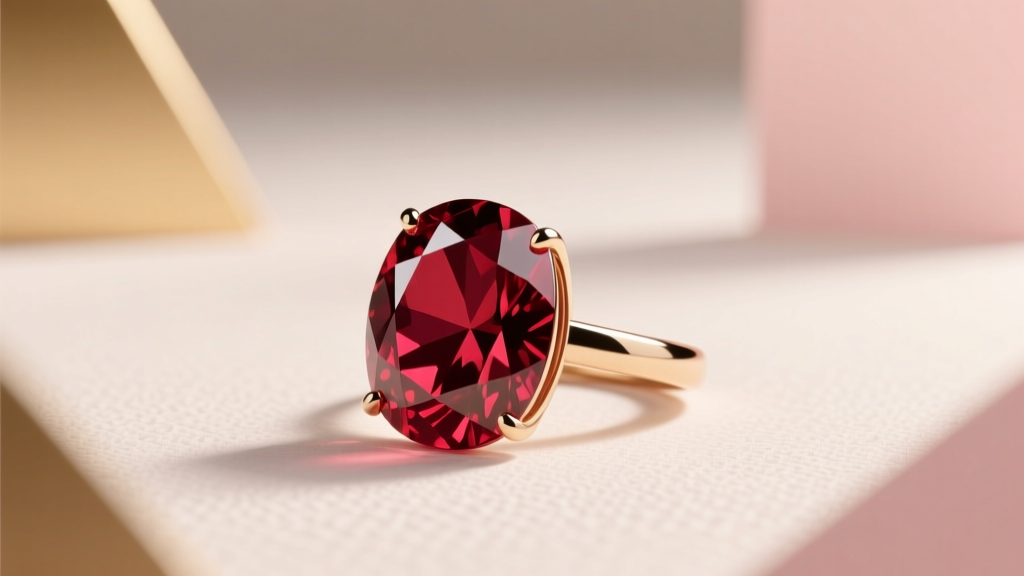 Garnet Engagement Rings January Birthstone Deep Red
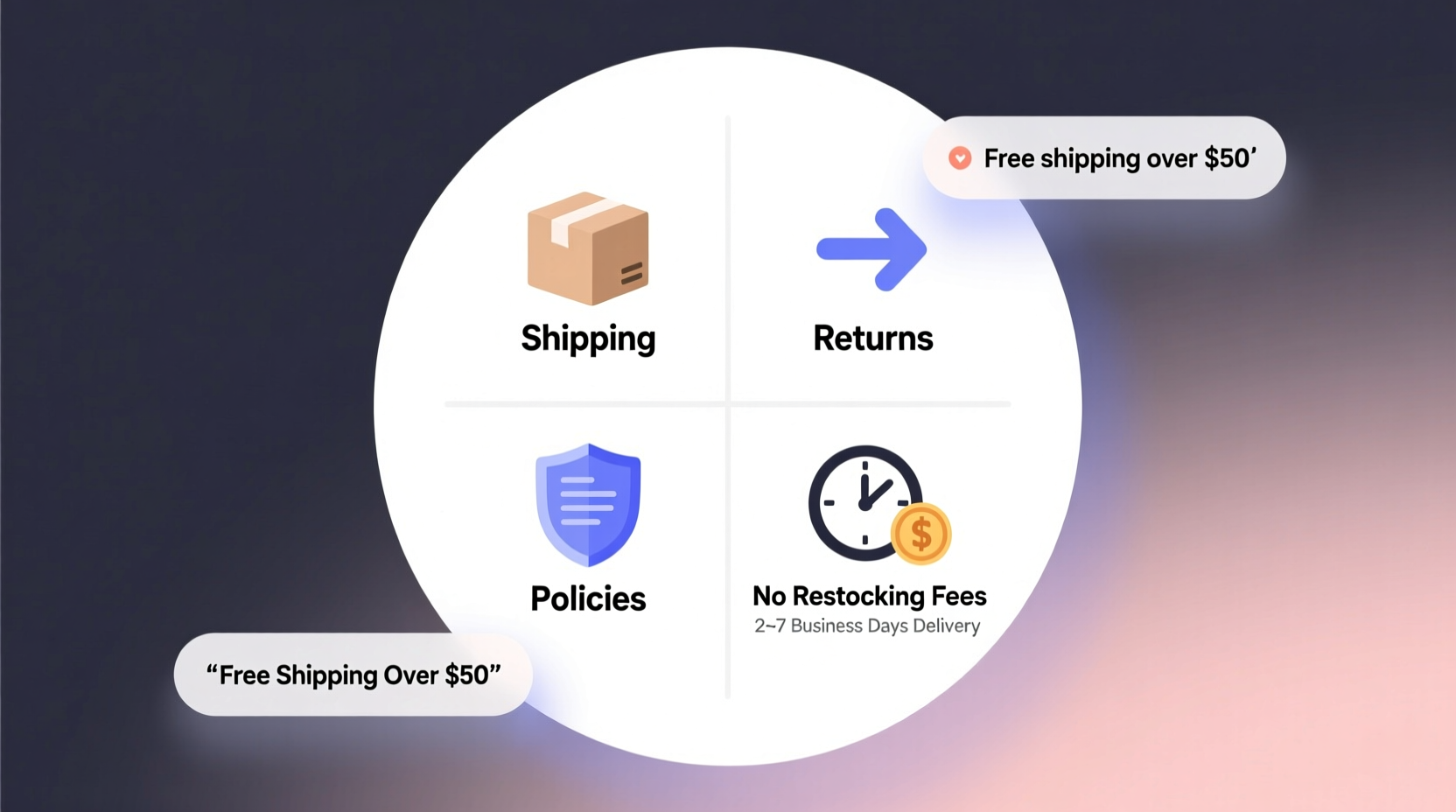 Ring Returns Made Simple: No Fees, No Hassle
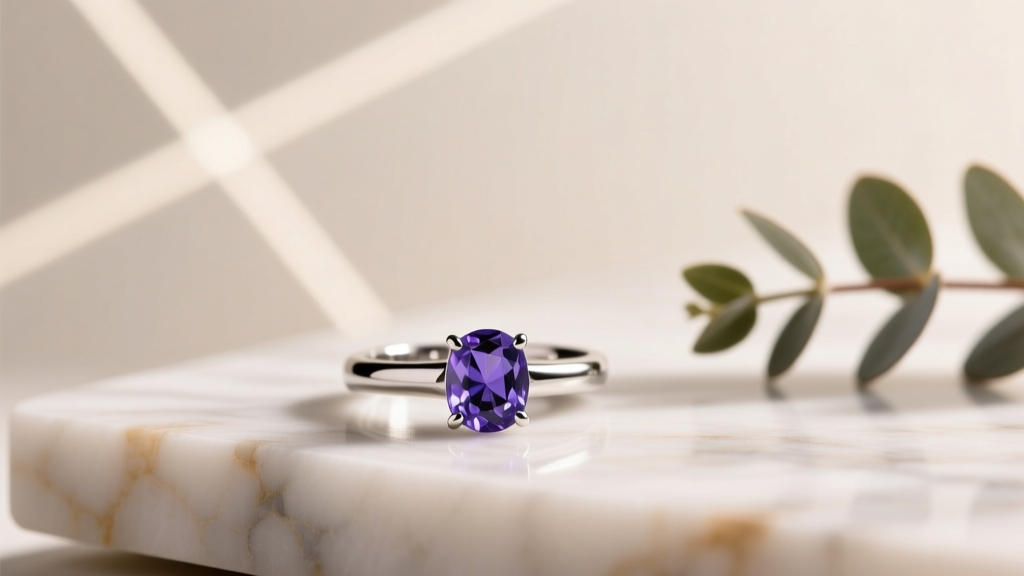 Iolite Engagement Rings Violet Blue Cordierite
 How to Clean Gold Wedding Ring at Home Safely
 Radiant Cut Diamonds Maximum Fire and Brilliance
 Radiant Cut With Corner Cutouts Modern Elegance
 How to Choose a Ring That Matches Her Style
 How Wide Should a Woman's Wedding Band Be? (2026)
 Best Places to Find Artisan Wedding Bands