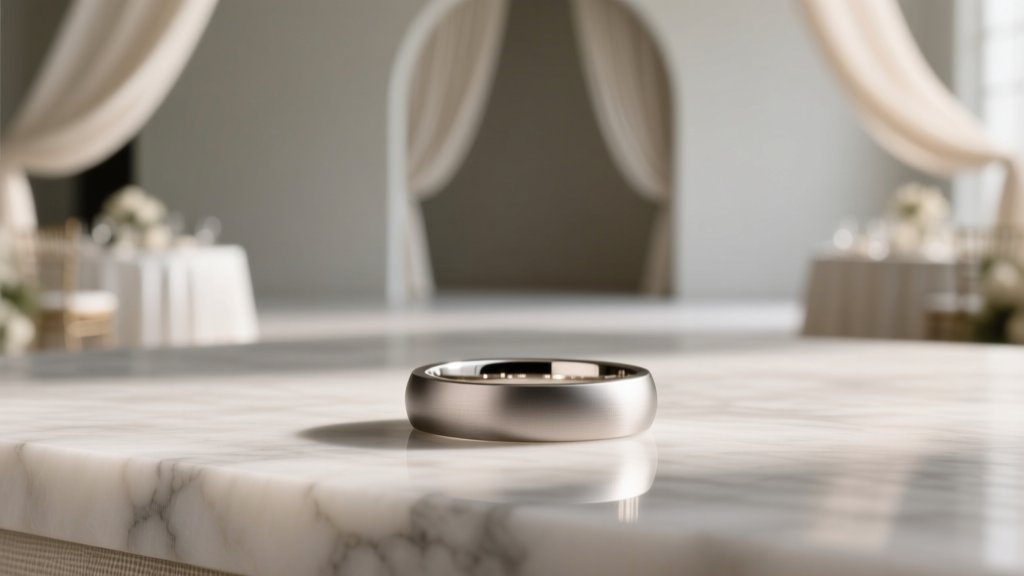
How to Choose a Wedding Band With a Matte Finish
A matte finish wedding band has a quiet confidence that many couples find irresistible. Instead of a mirror-bright shine, matte rings offer a soft, velvety surface that feels modern, subtle, and wearable—especially for anyone who prefers understated luxury or a more contemporary wedding ring style.
Matte bands also photograph beautifully in both natural and indoor light, pairing well with everything from minimalist solitaire engagement rings to ornate vintage-inspired settings. The trade-off is that matte finishes behave differently than high-polish metal: they can show burnishing, develop “shine spots,” and may need occasional refreshing depending on your lifestyle. The goal is choosing a matte wedding band that fits your daily routine, your engagement ring, and your long-term expectations for how the ring will age.
This guide breaks down the most popular matte finishes, the best metals for a satin or brushed wedding band, how to evaluate craftsmanship, and what to budget—plus the common mistakes that lead to disappointment.
What Does “Matte Finish” Mean on a Wedding Band?
A matte wedding band is any ring finished to reduce surface reflectivity. Rather than bouncing light like a polished ring, a matte surface diffuses light. Jewelers create this look by adding controlled texture or micro-abrasions to the metal’s surface.
Common Matte Finish Types (and How They Look)
- Brushed finish: Fine, directional lines (usually lengthwise around the band). Clean, modern, and one of the most popular matte wedding ring finishes.
- Satin finish: A softer, smoother matte than brushing, with less visible grain. Often chosen for a refined, “silky” look.
- Sandblasted finish: A more uniform, frosted matte created by blasting fine media at the surface. Very contemporary, but can wear faster on high-contact areas.
- Bead-blasted finish: Similar to sandblasting but typically with rounder media; can look slightly more granular.
- Matte hammered finish: Hand-applied dimples paired with reduced shine. Great for couples who want texture with artisan character.
If you like a matte look but worry about maintenance, a hybrid design is a smart trend: matte center with polished edges, or a matte band with a polished groove. This keeps the overall look subdued while helping hide wear along the edges.
Choosing the Best Metal for a Matte Wedding Band
Metal choice is where matte bands either become effortless or high-maintenance. Different metals accept matte finishes differently, and each responds to daily wear in its own way.
Platinum: Premium, Weighty, and Naturally White
Platinum is a timeless classic for wedding bands, and it takes satin and brushed finishes beautifully. Platinum doesn’t lose metal as quickly when scratched; instead it tends to displace, creating a patina over time. Many people love that lived-in patina, especially with matte styles.
- Best for: couples who want a durable, naturally white metal and don’t mind gentle patina.
- Watch for: platinum can develop shinier “contact points” faster on the underside of the band, especially with sandblasted finishes.
White Gold: Bright and Versatile, Often Rhodium-Plated
14K or 18K white gold is popular for engagement rings and matching wedding band sets. Most white gold is rhodium-plated to look bright white. A matte finish on white gold can look crisp, but as the rhodium wears, you may see warmth or yellowish undertones peeking through—particularly on high-contact areas.
- Best for: matching a white gold engagement ring; couples who are fine with periodic replating.
- Watch for: matte + rhodium plating may require touch-ups to keep the look consistent.
Yellow Gold: Warm, Classic, and Surprisingly Forgiving
Yellow gold matte bands are trending again as couples lean into warm metals and vintage-inspired styling. A brushed yellow gold wedding band feels both classic and fresh. Scratches blend more naturally into the tone, and refinishing is straightforward.
- Best for: timeless style, easy maintenance, and warm metal lovers.
- Watch for: choose the karat based on lifestyle—14K is harder than 18K and tends to hold texture longer.
Rose Gold: Romantic and Modern, With a Soft Glow
Rose gold matte finishes look especially elegant because the muted surface emphasizes the blush tone. Rose gold is typically alloyed with copper, which adds strength.
- Best for: couples who want a distinctive yet wearable look; pairs well with vintage halos and morganite engagement rings.
- Watch for: color can vary by brand due to different copper ratios—compare side-by-side if matching rings.
Titanium, Tungsten, and Alternative Metals: Tough, But Less Adjustable
Titanium and tungsten carbide often come in pre-finished matte looks at lower price points. They can be excellent for very active lifestyles, but resizing is limited (or impossible), and refinishing options can be restricted.
- Best for: budget-conscious shoppers; low-fuss daily wear; travel rings.
- Watch for: verify return/exchange policies and size accuracy; consider comfort-fit interiors.
Matte Wedding Band Styles That Pair Well With Engagement Rings
The best wedding ring is the one you’ll love wearing daily, but pairing matters—especially if you plan to wear your wedding band flush with an engagement ring.
Classic Matte Bands (2mm–5mm)
A simple brushed or satin band remains a timeless choice. Narrow widths (2–3mm) feel delicate and stack-friendly, while 4–5mm reads more substantial and contemporary.
Matte Bands With Polished Edges or Grooves
This is one of today’s strongest trends because it delivers contrast without going overly bold. Polished edges also disguise wear at high-contact points.
Pavé and Matte: A High-Style Contrast
A matte shank with pavé-set diamonds creates a striking play of texture—sparkle against softness. Look for well-executed micro-pavé with secure bead or shared-prong craftsmanship. Popular diamond shapes in bands include round brilliant and princess-cut accents.
Tip: If you want maximum durability, choose pavé on the top half (not full eternity) and ask about diamond clarity and color ranges that offer value—commonly G–H color and VS2–SI1 clarity for small melee diamonds.
Textured Matte: Hammered, Milgrain, and Mixed Finishes
Hammered matte bands feel artisan-made and forgiving with wear. Milgrain edges (tiny beaded borders) can add vintage flair; just confirm the milgrain is crisp and even, not flattened or irregular.
Quality Factors: What Separates a Great Matte Band From a Mediocre One
Finish Consistency and Direction
Brushed finishes should have a consistent grain direction and uniform pressure. Uneven brushing can look patchy within months. Satin finishes should look soft and even, not cloudy.
Comfort Fit and Interior Polish
Even if the exterior is matte, the interior should feel smooth. A comfort-fit band has a slightly rounded interior that slips on easily and reduces pressure during swelling.
Edge Work and Symmetry
Check that edges are clean and symmetrical. Slightly softened edges can be more comfortable and chip less, while sharp edges look crisp but may show wear faster.
Stone Setting Security (If Your Band Has Diamonds or Gemstones)
If you’re choosing a matte diamond wedding band, examine prongs and beadwork closely. Look for snug settings with no rattling. For channel-set stones, ensure the channel walls are even and the stones sit level.
Practical Buying Tips for a Matte Finish Wedding Ring
- Try on multiple widths: Matte finishes can make a ring appear slightly wider. A 4mm matte band can look bolder than a 4mm polished band.
- Match the finish level to your lifestyle: Brushed and satin finishes are easier to refresh than sandblasted finishes, which can change faster with friction.
- Decide your “aging preference”: If you love patina and character, matte platinum can be perfect. If you want a consistent look, choose a design with mixed finishes and plan for refinishing.
- Check how it sits with the engagement ring: If your engagement ring has a low basket or protruding stones, you may need a curved or notched wedding band to prevent gaps and rubbing.
- Ask about refinishing: Many jewelers offer complimentary or low-cost re-matting. Confirm timelines and whether rhodium plating is included for white gold.
Care and Maintenance: Keeping a Matte Band Looking Intentional
Matte rings aren’t fragile, but they are honest—wear shows differently than on polished metal. The goal isn’t to keep the ring “brand new,” but to keep the texture looking deliberate.
- Clean gently: Use warm water, mild dish soap, and a soft brush. Avoid harsh abrasives that can create uneven shine.
- Avoid frequent metal-on-metal contact: Stacking a matte band against a high-polish band can create shiny rub spots. Consider a thin spacer band if needed.
- Remove for rough work: Gym lifting, gardening, and home improvement can burnish matte finishes quickly and can stress stone settings.
- Schedule periodic touch-ups: A jeweler can reapply brushed or satin finishes during routine inspections, often annually.
If your band includes diamonds or gemstones, get prongs and channels checked every 6–12 months. Matte texture can mask tiny snags that indicate loosening.
Price Range Considerations and Value Tips
Matte finishing itself doesn’t usually add dramatic cost, but metal type, width, weight, and any gemstones do. Here are realistic ranges for many mainstream retailers and independent jewelers:
- 10K/14K gold matte band (plain, 2–5mm): often $300–$1,000 depending on weight and brand.
- 18K gold matte band (plain): often $700–$1,800+ due to higher gold content.
- Platinum matte band (plain): often $900–$2,500+ depending on width and thickness.
- Alternative metals (titanium/tungsten): often $50–$400.
- Matte diamond bands (pavé/channel): commonly $800–$3,500+, driven by total carat weight, diamond quality, and setting labor.
Where the Best Value Usually Lives
- Choose 14K over 18K for maximum durability per dollar: 14K holds texture well and costs less.
- Consider a matte center with polished edges: it looks premium and often wears more gracefully, reducing refinishing costs.
- Prioritize craftsmanship over gimmicks: a well-made comfort-fit band with a clean finish will outlast trendier surface treatments that can look uneven over time.
Common Mistakes to Avoid When Shopping for a Matte Wedding Band
- Assuming matte means “scratch-proof”: matte finishes hide some scratches but also show burnishing as shiny spots.
- Choosing sandblasted without considering lifestyle: heavy hand use can change the look quickly; brushed or satin is often more forgiving.
- Ignoring how it stacks: a matte band rubbing against your engagement ring can create uneven wear on both rings.
- Buying the wrong size in alternative metals: tungsten and titanium may not be resizable; confirm sizing and comfort-fit differences.
- Overpaying for vague diamond specs: if the band has pavé, ask for the approximate color/clarity range of melee diamonds and whether they’re natural or lab-grown.
FAQ: Matte Finish Wedding Bands
Do matte wedding bands get shiny over time?
Yes, most matte finishes develop shinier areas where the ring contacts surfaces (especially the underside). Brushed and satin finishes are easy to refresh, while sandblasted finishes can change faster with heavy wear.
Is a matte finish better for hiding scratches?
Matte finishes can disguise fine scratches better than high-polish metal, but they may show “polished spots” from friction. Textured styles like hammered matte are often the most forgiving.
Which is more durable for a matte band: 14K gold or platinum?
Both are durable, but they wear differently. 14K gold is harder and can hold crisp brushed lines well. Platinum is dense and develops a patina; it’s excellent for longevity and security in stone settings, but the finish can evolve more noticeably.
Can a matte wedding band be resized?
Gold and platinum bands can typically be resized by a skilled jeweler, then re-finished to match. Tungsten usually cannot be resized, and titanium resizing depends on the design.
Do matte bands work with diamond engagement rings?
They pair beautifully. Matte metal can make a center stone—like a round brilliant, oval, or emerald cut diamond—stand out even more. Just ensure the band height and shape don’t rub against prongs or the basket of the engagement ring.
How often should a matte wedding band be refinished?
Many couples refinish every 6–18 months depending on wear. If you love a lived-in look, you may rarely refinish. If you want a consistent satin or brushed texture, plan on periodic touch-ups during regular ring inspections.
Next Steps: Choose a Matte Band That Fits Your Life and Your Ring Set
A matte finish wedding band is a smart choice for couples who want a modern wedding ring look with a softer, more understated presence. Start by picking the right metal (14K gold and platinum are the most popular for long-term wear), then choose a matte style—brushed, satin, or hammered—that suits how hands-on your daily routine is. Focus on finish consistency, comfort-fit shaping, and stone-setting quality if you’re considering diamonds or gemstones.
Once you’ve narrowed your favorites, try them on next to your engagement ring, ask about refinishing and rhodium plating (for white gold), and choose the design that you’ll feel good wearing every day—not just on the wedding day. Explore more jewelry guides, wedding band styles, and engagement ring tips on weddingsift.com.
More Articles
 Green Diamond Extremely Rare Natural Color
 How to Choose a Wedding Band With Diamond Accents
 How to Wear Your Wedding Band Set (2026)
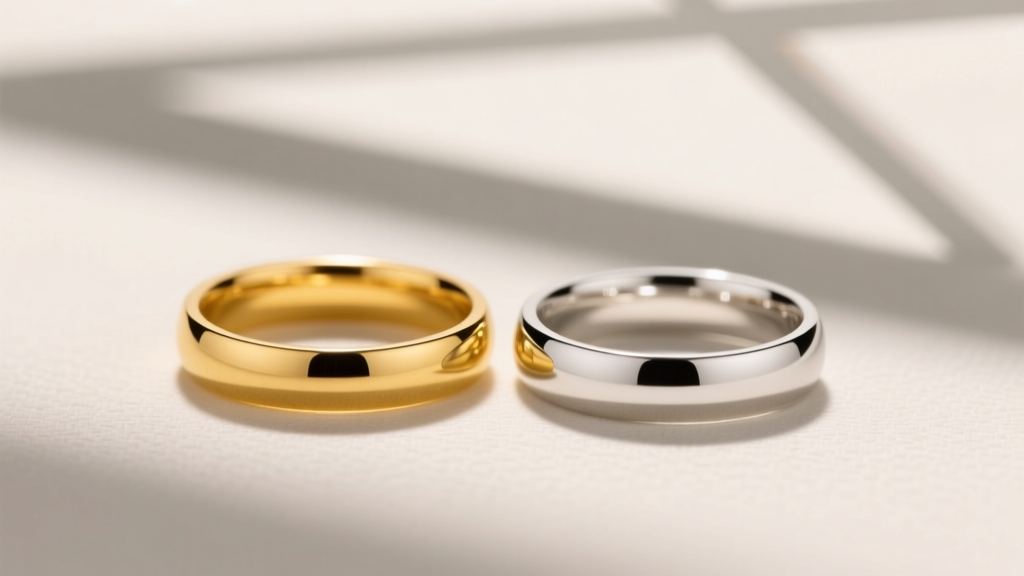 How to Choose Between Yellow Gold and White Gold Bands
 The Practical, Ethical, and Timeless Proposal Ring Buying Guide
 Wedding Band Wearing Rules & Exceptions (2026)
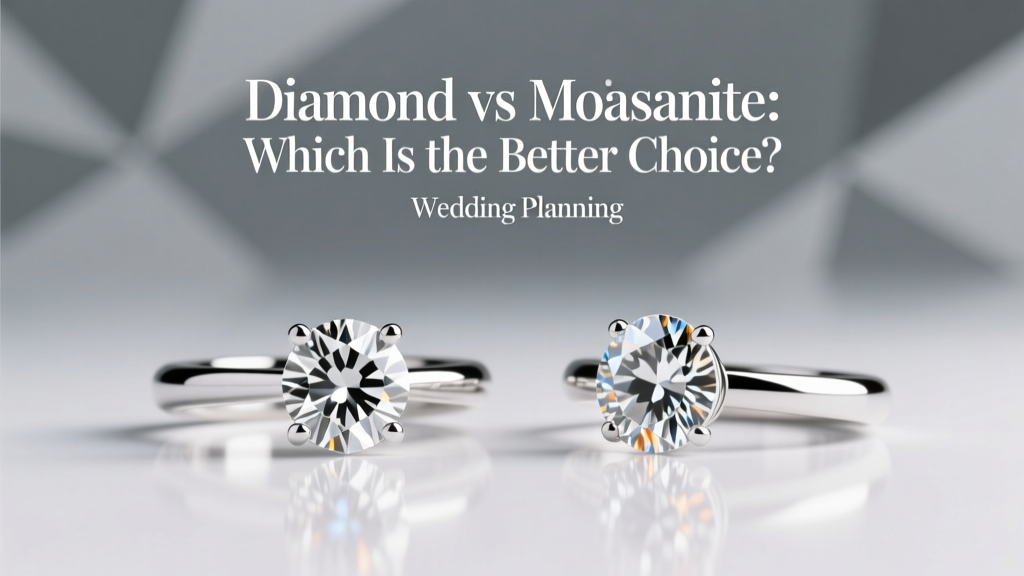 Diamond vs Moissanite Which Is the Better Choice
 Wedding Jewelry Timeline: When to Buy Each Piece
 Turquoise Engagement Rings Southwestern Charm
 Smart Care and Maintenance: A Precision Guide for Long-Term Jewelry Integrity