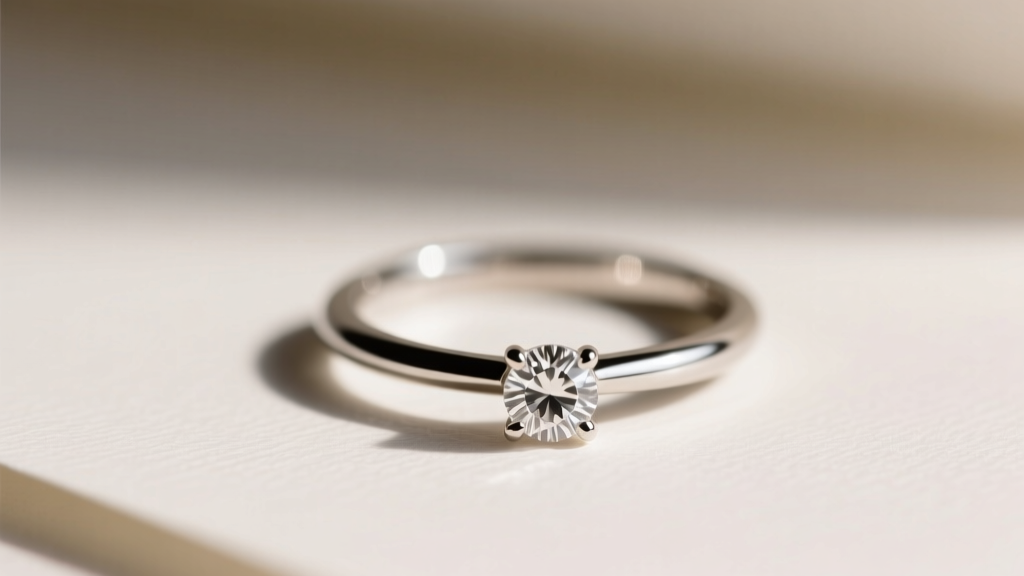
How to Choose an Engagement Ring for Short Fingers
Shopping for an engagement ring is exciting, but it can also feel surprisingly technical once you start comparing shapes, settings, band widths, and metal colors. If you have shorter fingers (or simply prefer a ring that visually lengthens the hand), the design details matter even more. The right engagement ring can create the illusion of longer, slimmer fingers—without sacrificing sparkle or personal style.
As jewelers, we often remind couples that there’s no “one-size-fits-all” perfect ring. Proportion is everything. A ring that looks balanced on a longer hand might feel wide or crowded on a shorter finger, while a more elongated center stone or a tapered band can instantly make the hand look more refined.
This guide walks you through the most flattering engagement ring styles for short fingers, from gemstone cuts and settings to metal choices, quality factors, and budget-smart tips—so you can shop with confidence and land on a ring you’ll love for decades.
What “Short Fingers” Means in Ring Shopping
In jewelry terms, “short fingers” often refers to fingers that are shorter relative to the palm, or fingers that are shorter and/or wider. The goal isn’t to “fix” anything—it's simply to choose proportions that flatter your hand.
Most design advice for short fingers focuses on:
- Creating length (elongated shapes, vertical design lines)
- Maintaining balance (avoiding overly wide bands or bulky settings)
- Maximizing sparkle without overwhelming the finger
Best Diamond Shapes for Short Fingers
Diamond shape (also called the cut shape) is one of the biggest factors in how a ring looks on the hand. For short fingers, elongated shapes typically create the most lengthening effect.
Elongated Shapes That Flatter
- Oval cut: A top choice for short fingers. Ovals face up large, stretch the look of the finger, and fit both timeless and modern trends.
- Pear shape: A classic “lengthening” silhouette. Worn with the point facing outward (toward the fingertip), pear engagement rings visually extend the hand.
- Marquise cut: One of the most elongating cuts available. Marquise diamonds also appear larger per carat, making them a strong value choice.
- Emerald cut: Long, elegant lines and a refined, vintage-meets-modern feel. Best for those who love a sleek look and don’t mind showing a bit more of the diamond’s clarity.
- Radiant cut (rectangular): Offers elongation with extra sparkle, blending the crisp outline of an emerald cut with brilliant-cut fire.
Shapes to Choose Carefully (Not “Avoid”)
- Round brilliant: The most popular and timeless diamond shape. It can still flatter short fingers—especially with a thinner band or a slightly higher setting—but it won’t elongate as much as an oval or marquise.
- Princess cut: A square shape that can look a bit wider on shorter fingers. It works best when set north-south with tapered shoulders or in a style that adds vertical lines.
- Cushion cut: Romantic and soft, but often reads “wider” unless you choose an elongated cushion ratio.
Settings That Make Fingers Look Longer and Slimmer
The setting controls how the center stone sits on the finger, how much light reaches it, and how the overall ring feels day-to-day. For short fingers, you want a setting that highlights length and keeps the design streamlined.
Solitaire Settings (Timeless and Slimming)
A solitaire engagement ring is a forever classic—and a smart choice for short fingers. With one center stone and minimal distraction, the eye naturally focuses on the diamond’s shape. Pair a solitaire with an oval, pear, or marquise for maximum elongation.
Cathedral Settings (Elegant Lift)
Cathedral settings add graceful arches that raise the center stone slightly. This added height and structure can make the finger look longer, while also offering a secure, traditional look.
Three-Stone Rings (Choose the Side Stones Wisely)
Three-stone engagement rings can work beautifully—if the proportions are right. For short fingers, opt for tapered side stones (like trapezoids or half-moons) or smaller pear/oval side stones that draw the eye along the finger rather than across it.
Halo Settings (Best When Done Slim)
Halo engagement rings remain popular, especially for maximizing sparkle. For short fingers, choose a thin halo and avoid overly bulky double halos. A delicate halo around an oval or pear can look bright and lengthening without feeling wide.
East-West Settings (A Trend to Consider Carefully)
East-west settings (where an oval, marquise, or emerald cut is set horizontally) are a current trend and can look striking. On short fingers, they may visually widen the hand. If you love the style, keep the band slim and the stone size balanced.
Band Width, Tapering, and Proportions
Band design is where many rings succeed—or feel “too much” for shorter fingers.
Recommended Band Width
- 1.6mm–2.2mm: A sweet spot for many hands—delicate but still practical when crafted well.
- 2.3mm–3.0mm: Can work if the finger is short but not narrow, or if you prefer a sturdier feel.
Very wide bands (3.5mm+) can visually shorten the finger. If you love a wider band, consider a tapered band that narrows near the center stone.
Tapered Shanks and Knife-Edge Bands
Tapered shanks (bands that slim as they approach the center) are flattering and classic. Knife-edge bands create a crisp ridge down the center, adding a subtle vertical line that can elongate the look of the finger while staying timeless.
Metal Choices: Color, Durability, and Style
The metal you choose affects not only durability and maintenance, but also how the ring contrasts with your skin tone and center stone.
Platinum
Platinum engagement rings are durable, naturally white, and excellent for securing diamonds (especially with prongs). Platinum develops a soft patina over time rather than losing metal, which many people love. It’s often the priciest option but offers long-term wear value.
White Gold (14K vs 18K)
14K white gold is a popular balance of durability and price. 18K white gold has a richer gold content and a slightly warmer tone, but it’s softer. White gold is commonly rhodium-plated for a bright white finish; it may need replating every 1–3 years depending on wear.
Yellow Gold and Rose Gold
Yellow gold is a timeless classic and trending again in modern, minimal solitaires. Rose gold offers a romantic look and can complement many skin tones. Both metals can make diamonds stand out with a warm contrast, and they’re excellent for vintage-inspired settings.
Diamond Quality Factors That Matter Most for This Look
Beyond shape and setting, diamond quality affects how lively and flattering the ring appears.
Cut Quality (Sparkle Comes First)
For round diamonds, prioritize Excellent/Ideal cut for maximum brilliance. For fancy shapes like oval and pear, look for strong light return and minimize “dead” areas. Work with photos or videos whenever possible.
Length-to-Width Ratio (For Elongation)
If your goal is to lengthen the finger, the diamond’s ratio is key:
- Oval: Many people like ~1.35–1.50 (higher ratios look more elongated).
- Pear: Often ~1.45–1.70, depending on preference.
- Emerald/Radiant: ~1.30–1.50 for a longer silhouette.
Clarity and the “Step-Cut” Factor
Step cuts (emerald and Asscher) show inclusions more easily than brilliant cuts. If you choose an emerald cut, consider clarity in the VS range (sometimes SI1 can work if truly eye-clean). For oval, pear, and radiant, you can often get away with SI1–VS2 if the stone is eye-clean.
Practical Buying Tips for Short Fingers
- Try on shapes in person (or order a home try-on kit): Ovals and marquises can feel very different depending on ratio and setting height.
- Keep the setting streamlined: A low-profile ring is comfortable, but a slightly higher center can add elegance and length. Balance is key.
- Match the wedding band early: Some settings (like large halos or low baskets) affect whether a wedding band sits flush. Consider a curved band if needed.
- Choose prongs that protect the tips: Pear and marquise diamonds benefit from a V-prong at the point(s) to prevent chipping.
- Consider finger size and knuckle: If your knuckle is larger than the base of the finger, sizing beads or a euro shank can help the ring stay upright.
Care and Maintenance: Keeping Your Ring Looking Proportional and Bright
A ring that’s sized correctly and kept clean always looks better on the hand.
- Clean weekly at home: Warm water, mild dish soap, and a soft toothbrush. Rinse well and dry with a lint-free cloth.
- Avoid harsh chemicals: Remove your ring for cleaning products, swimming, and gym workouts.
- Check prongs twice a year: Especially for marquise and pear tips. A loose prong can mean a lost stone.
- Replate white gold as needed: If the ring looks warmer or slightly yellow, a jeweler can restore brightness.
Price Range Considerations and Value Tips
Engagement ring pricing varies widely by center stone, metal, and craftsmanship. Here are realistic ranges and smart ways to maximize value:
Typical Price Ranges
- $1,000–$2,500: Smaller natural diamonds, lab-grown diamonds with higher carat weight, simple solitaires in 14K gold.
- $2,500–$6,000: Popular range for a well-made setting plus a lab-grown diamond (often 1.5–2.5 carats) or a smaller natural diamond with strong cut quality.
- $6,000–$15,000+: Larger natural diamonds, premium cut grades, platinum settings, or intricate detailing (hand engraving, custom work, fine halos).
Value Tips for Short Fingers
- Choose shapes that face up larger: Oval, marquise, and pear often look bigger than round diamonds of the same carat weight.
- Use a slim halo for “spread”: A delicate halo can add presence without needing a big carat jump.
- Consider lab-grown diamonds: Lab-grown stones can offer a larger look for the budget while still delivering excellent sparkle.
- Don’t overspend on color when it won’t show: In yellow or rose gold, many people are happy in the G–J color range, depending on preference and stone size.
Common Mistakes to Avoid
- Choosing a band that’s too wide: Wide bands can visually shorten the finger and feel crowded.
- Overbuilding the setting: Thick halos, heavy prongs, and bulky baskets can overwhelm shorter fingers and make the ring look top-heavy.
- Ignoring ratio: Two ovals can have the same carat weight but very different “lengthening” effects.
- Skipping comfort: A ring that catches on clothing or sits too high can become frustrating fast. Ask about low-profile or comfort-fit options.
- Not planning for the wedding band: Some engagement rings require a contoured wedding band, which affects budget and style.
FAQ: Engagement Rings for Short Fingers
What engagement ring shape makes fingers look longer?
Elongated shapes like oval, pear, marquise, emerald cut, and radiant cut tend to make fingers look longer because they draw the eye vertically along the hand.
Are halo engagement rings good for short fingers?
Yes—when the halo is thin and proportional. A delicate halo around an oval or pear can add sparkle and size without making the ring look wide.
What band width is best for short fingers?
Many people find 1.6mm to 2.2mm especially flattering. If you prefer a sturdier look, consider a tapered band so the ring still looks elegant near the center stone.
Is a round diamond a bad choice for short fingers?
Not at all. A round brilliant diamond is timeless and can look beautiful on short fingers—especially with a slim band, a cathedral setting, or a slightly higher mount to create a more elongated impression.
Should I choose platinum or gold for an engagement ring?
Platinum is highly durable and naturally white, while 14K or 18K gold offers different color options and typically a lower price. The “best” metal depends on lifestyle, budget, and whether you prefer a bright white look (platinum/white gold) or warmer tones (yellow/rose gold).
Do elongated diamonds like oval or pear have any downsides?
They can. Ovals and pears may show a “bow-tie” shadow across the center if the cut isn’t well executed. Always review videos and prioritize strong light performance when choosing these shapes.
Choosing Your Best Match: A Confident Next Step
If your goal is a flattering engagement ring for short fingers, start by trying on an oval, pear, or marquise in a solitaire or slim halo with a tapered or delicate band. These combinations are both trend-forward and timeless, and they’re consistently loved for how they lengthen the look of the hand while keeping the ring comfortable for everyday wear.
Once you’ve narrowed your favorite silhouette, focus on cut quality, practical setting details (like protective prongs), and a wedding band pairing that fits your lifestyle. For more expert guidance on engagement rings, wedding bands, diamond shapes, and metal care, explore more jewelry guides on weddingsift.com.
More Articles
 Lab-Grown vs Natural Diamonds: Honest 2026 Comparison
 Smart Care and Maintenance: A Precision Guide for Long-Term Jewelry Integrity
 Wedding Ring Care: Keep It Shining Forever
 How To Get Off A Wedding Ring That Is Stuck
 7 Year Anniversary Jewelry Gift Ideas
 Peridot Engagement Rings August Birthstone Green Beauty
 Does A Wedding Band Go On Top Or Bottom (2026)
 Moissanite vs Diamond: Honest 2026 Guide
 How to Sell Wedding Band Safely & Profitably (2026)
 How to Choose an Engagement Ring With a Vintage Engraving