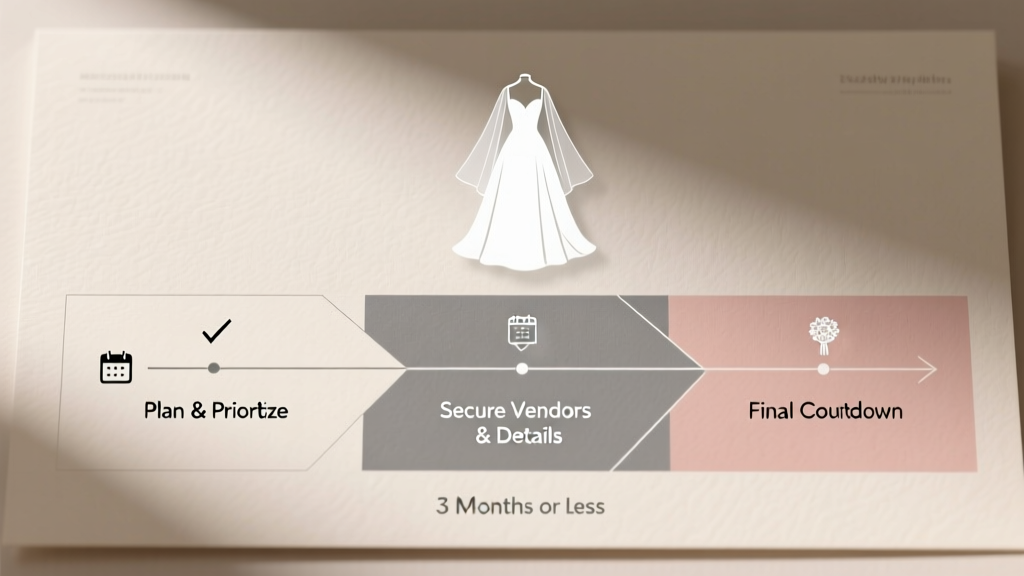
Wedding Planning on a Timeline of 3 Months or Less
If you’re reading this with a calendar open in one tab and a mild sense of panic in the other, you’re not alone. Maybe your venue date finally opened up, a military deployment moved your plans forward, family travel made a specific weekend non-negotiable, or you simply want to get married soon—without waiting a year.
A short engagement doesn’t mean a second-best wedding. It means you’ll make decisions faster, prioritize what matters most, and lean into smart shortcuts that experienced wedding planners use every day. The good news? A beautiful, meaningful celebration can absolutely happen in 3 months or less—with the right timeline and a few strategic choices.
This guide walks you through a realistic, step-by-step wedding planning timeline for 12 weeks (and even 8–6 weeks), plus budget tips, common mistakes to avoid, and pro planning tricks to keep things calm and joyful.
First: Set Expectations for a “Short-Notice” Wedding
When you’re planning a wedding quickly, your biggest win is clarity. Before you book anything, align on what you want the day to feel like and what you’re willing to simplify.
Your “Big 3” Priorities
Choose three priorities (max). These will guide every decision and keep you from getting stuck.
- Guest experience (great food, comfortable timeline, meaningful moments)
- Photos/video (capturing the day beautifully)
- Venue vibe (garden, modern, cozy restaurant, destination, etc.)
- Music/party (DJ/band, dance floor energy)
- Style details (florals, design, custom signage)
What Often Needs to Be Flexible
- Day-of-week (Friday/Sunday weddings often have more availability)
- Guest count (smaller weddings are easier to pull together fast)
- Traditional extras (full wedding party, elaborate décor, multi-day events)
- Highly custom items (custom invites, bespoke gowns, specialty rentals)
Real-world scenario: The “90-day restaurant wedding”
Couples who want a fast, elegant plan often choose a restaurant or private dining venue. The built-in tables, chairs, linens, staff, and bar package reduce vendor coordination dramatically—making a 10–12 week timeline totally doable.
Before You Start: Your 48-Hour Fast-Track Checklist
These decisions unlock everything else. If you can knock these out in the first two days, the rest gets easier.
- Pick the date window (give yourselves 2–3 possible dates).
- Estimate guest count (e.g., 25 / 50 / 100—choose one target).
- Set a realistic budget and decide who’s paying for what.
- Choose your ceremony style: courthouse + dinner, traditional ceremony, micro-wedding, religious ceremony, etc.
- Decide the location (local, hometown, destination).
Quick budget reality check (short timeline edition)
- Rush fees can apply to attire alterations, stationery, and some rentals.
- Off-peak dates (weekday/Sunday) can lower venue and catering minimums.
- All-inclusive venues can cost more upfront but save money (and stress) by reducing add-ons.
- Guest count is your biggest budget lever—cut 20 guests and you often save thousands.
The 3-Month Wedding Planning Timeline (Week-by-Week)
Use this as your master wedding planning checklist. Adjust based on what you already have done and your specific venue requirements.
Weeks 12–10: Lock the Foundations
- Book the venue (ceremony + reception if possible). Consider:
- Restaurants with private rooms
- Hotels (ceremony/reception + room blocks)
- Small event spaces with preferred vendors
- Backyard wedding with a tent option (weather plan required)
- Secure your key vendors (the ones that book fastest):
- Photographer
- Officiant
- Catering (if not included)
- DJ/band (or curated playlist + sound setup)
- Hair and makeup
- Planner/coordinator (highly recommended for a short timeline)
- Choose ceremony details:
- Processional style, readings, vows (personal or traditional)
- Any cultural or religious elements
- Who will stand up with you (or skip a wedding party)
- Start attire shopping immediately:
- Look for off-the-rack options, trunk shows, and ready-to-wear collections
- Ask about alteration timelines before purchasing
- Order suit/tux rentals now if going that route
- Create your guest list and collect addresses using a shared spreadsheet.
Planner pro tip: Choose “one-stop” solutions
If time is tight, bundle services where you can. Examples: a venue that includes catering and rentals; a florist who also offers candles and centerpieces; a photographer who can add an hour of coverage instead of hiring a separate content creator.
Weeks 10–8: Communicate and Design (Simple, Elevated)
- Send save-the-dates… or skip them. For a fast wedding, many couples send:
- Digital save-the-dates (email/text)
- Invitations right away
- A wedding website with all details (location, timeline, travel, registry)
- Book florals and décor with a streamlined plan:
- Focus on personal flowers (bouquet/boutonnieres) + ceremony focal point + reception centerpieces
- Repurpose ceremony flowers at reception
- Choose in-season blooms to control cost
- Plan the menu and bar:
- Pick 2–3 entrée options (or a family-style menu)
- Choose a signature cocktail to reduce bar complexity
- Confirm dietary accommodations early
- Reserve rentals (if needed): chairs, linens, dinnerware, tent/heaters, dance floor.
- Order cake/dessert (a small cutting cake + sheet cake is a smart budget move).
Real-world scenario: The “rain plan saves the day” backyard wedding
Couples planning a backyard wedding in 8–12 weeks often underestimate weather logistics. A simple rain plan—tent reservation, indoor backup, or a local community hall on hold—keeps your timeline from unraveling if the forecast shifts.
Weeks 8–6: Invitations, Legal Details, and the Schedule
- Send invitations (or digital invites) with a faster RSVP deadline:
- RSVP by date: 3–4 weeks before the wedding
- Use online RSVPs to track quickly
- Confirm marriage license requirements for your city/state:
- Waiting periods
- Appointment availability
- Required documents
- Officiant registration rules
- Create a day-of timeline draft:
- Hair/makeup start time
- First look or pre-ceremony photos
- Ceremony start
- Cocktail hour
- Grand entrance, toasts, first dance
- Dinner service timing
- Open dancing
- Exit plan
- Book transportation if needed (especially for multiple locations).
- Choose and order rings (confirm sizing and timeline).
Common mistake to avoid: Waiting too long on the guest list
Short timelines require quick RSVPs, which means your guest list can’t be a “we’ll see” project. Final counts drive catering minimums, rentals, seating charts, and stationery. If you’re torn, set a clear cutoff and stick to it.
Weeks 6–4: Finalize the Details That Make It Feel Like “You”
- Plan your ceremony script with your officiant:
- Vows (write or choose a template)
- Readings and who will do them
- Any unity ceremony (optional—only if it feels meaningful)
- Build your music list:
- Must-play songs
- Do-not-play list
- Ceremony cues (processional/recessional)
- Order signage and paper goods in simplified formats:
- Welcome sign (optional)
- Seating chart (poster or escort cards)
- Menus (optional)
- Place cards (helpful for meal choices)
- Finalize attire:
- Alterations appointment(s)
- Shoes and accessories
- Undergarments and steaming plan
- Create a simple décor plan:
- Candles + greenery can go a long way
- Use the venue’s natural features (views, architecture, lighting)
Planner pro tip: A “tight palette” looks intentional
Pick 2–3 colors and stick to them across florals, attire accents, linens, and stationery. It’s the fastest way to make a quickly planned wedding look polished and cohesive.
Weeks 4–2: Confirmations and the “Calm Control” Phase
- Confirm final guest count and submit it to your venue/caterer by their deadline.
- Create your seating chart:
- Start with VIP tables (immediate family, wedding party if you have one)
- Group guests by connection (college friends, work friends, family friends)
- Keep table dynamics comfortable—avoid forcing awkward mixes
- Send vendor confirmations (or have your coordinator do it):
- Arrival times
- Addresses and loading instructions
- Final payments and tips plan
- Point of contact on wedding day
- Prepare a wedding day emergency kit:
- Fashion tape, safety pins, stain remover pen
- Pain reliever, blister pads
- Deodorant, blotting papers
- Phone charger, snacks, water
- Write your toast plan and keep it short:
- Limit to 2–3 toasts max
- 2–4 minutes each is the sweet spot
Common mistake to avoid: Over-scheduling the day
Short planning timelines often lead to overly ambitious wedding day schedules. Build in buffer time. A realistic timeline reduces stress, keeps vendors on track, and protects your photo time.
Week Of: Final Walkthrough and Wedding-Day Prep
- Do a venue walkthrough (in person or virtual) to confirm:
- Ceremony layout
- Rain plan and indoor backup
- Where gifts/cards go
- Sound setup and microphone needs
- Pack your wedding day essentials:
- Marriage license info and IDs
- Rings
- Vows
- Vendor tip envelopes
- Confirm final payments and keep receipts/confirmation emails in one folder.
- Assign 3 key helpers (or hire a coordinator):
- One person for family questions
- One person for vendor arrivals
- One person for personal items (phone, bag, touch-up kit)
If You Have 8 Weeks (or 6 Weeks): The “Essentials-First” Version
Planning in under two months is absolutely possible, but you’ll want to simplify and commit quickly. Focus on essentials and choose vendors who can work fast.
Your non-negotiables (book immediately)
- Venue (or restaurant/private room)
- Officiant
- Photographer
- Food + beverages
- Attire (off-the-rack + fast alterations)
Smart simplifications that still feel special
- Do a single location for everything
- Skip favors (or do a donation or edible favor)
- Use digital invitations
- Choose minimal florals + candles
- Book a DJ instead of a band (often more flexible and available)
Common Short-Timeline Mistakes (and How to Avoid Them)
- Trying to plan a 200-person Saturday wedding like it’s a 12-month engagement. If the date is soon, consider trimming the guest list or choosing a non-Saturday date.
- Not reading contracts carefully. Double-check payment schedules, cancellation terms, overtime fees, and what’s included.
- Forgetting setup/teardown logistics. Who is placing place cards, moving ceremony chairs, packing gifts, or returning rentals?
- Underestimating attire timelines. Even “quick” alterations can take weeks—buy early and schedule fittings right away.
- Skipping a coordinator. If your budget allows, a day-of coordinator (or month-of coordinator) is one of the best investments for a fast plan.
Wedding Planner Pro Tips for a Calm 3-Month Plan
- Use a single planning hub: one shared spreadsheet or planning app with vendor contacts, payments, and deadlines.
- Make “good enough” decisions fast: pick from 2–3 options, not 20.
- Ask vendors for their shortest lead-time options: florists can suggest seasonal substitutions; bakers can offer simpler designs with the same wow factor.
- Prioritize photos: build your timeline around the light (golden hour portraits are worth it).
- Give guests clear info: parking, dress code, start times, and weather notes reduce day-of questions.
FAQ: Wedding Planning in 3 Months or Less
Can you really plan a wedding in 3 months?
Yes. The most successful short-timeline weddings focus on quick decisions, flexible dates/venues, and streamlined design. If you keep the guest list manageable and book key vendors early, 12 weeks is enough time.
What’s the best type of venue for a short engagement?
Look for venues that reduce the number of separate bookings: restaurants, hotels, all-inclusive venues, and event spaces with preferred vendor lists. These options usually come with staff, rentals, and established workflows.
When should we send invitations for a 3-month wedding timeline?
Send invitations as soon as you’ve secured your venue and key details—often 8–10 weeks out. Set an RSVP deadline about 3–4 weeks before the wedding to give you time for final counts and seating.
How do we handle guests traveling on short notice?
Share information early and clearly: wedding website, hotel suggestions, and airport/transport details. Consider hosting a welcome drink meetup (optional) instead of a full rehearsal dinner, which can be easier for travelers.
What if our dream vendors are booked?
Ask your first-choice vendors for referrals—many will recommend trusted colleagues with similar style. You can also adjust the wedding date (even by one day) to open up availability.
How can we keep costs under control with a short timeline?
Keep the guest count realistic, choose an off-peak date, focus spending on your top three priorities, and simplify décor. Digital invitations, in-season florals, and an all-in-one venue often reduce both cost and stress.
Your Next Steps: A Simple Action Plan for This Week
If you’re aiming for a wedding in 3 months or less, here’s what to do right now:
- Choose your top three priorities and set your budget range.
- Pick 2–3 possible dates (include a Friday or Sunday if you can).
- Book the venue and confirm what’s included.
- Lock your key vendors: photographer, officiant, food, music, hair/makeup.
- Start attire shopping within the next 48 hours.
You don’t need more time—you need a plan that matches your timeline. Keep your decisions aligned with what you value most, let the rest be simple, and remember: the goal isn’t perfection. It’s getting married surrounded by the people (and moments) that matter.
Want more short-engagement planning help? Browse more practical wedding planning guides on weddingsift.com—we’re here to help you make fast planning feel doable.
More Articles
 Wedding RSVP Requests: 7 Polite Ways to Get Replies
 Wedding Abroad Cost Breakdown: Save $12,000+ (2026)
 Midi Dress for Formal Wedding: 5 Etiquette Rules (2026)
 Small Intimate Wedding Plan: 90-Day Blueprint (2026)
 Wedding Dress Shipping: Safe, Stain-Free & Insured (2026)
 Watercolor Wedding Invitations: 7-Step Guide (2026)
 What Do You Put on a Wedding Invitation: Complete Checklist
 Wedding Planning How to Choose Centerpieces
 Wedding Sermon from Prison: A Legal, Emotional Guide
 Longwood Gardens Weddings: Fees, Availability & Booking