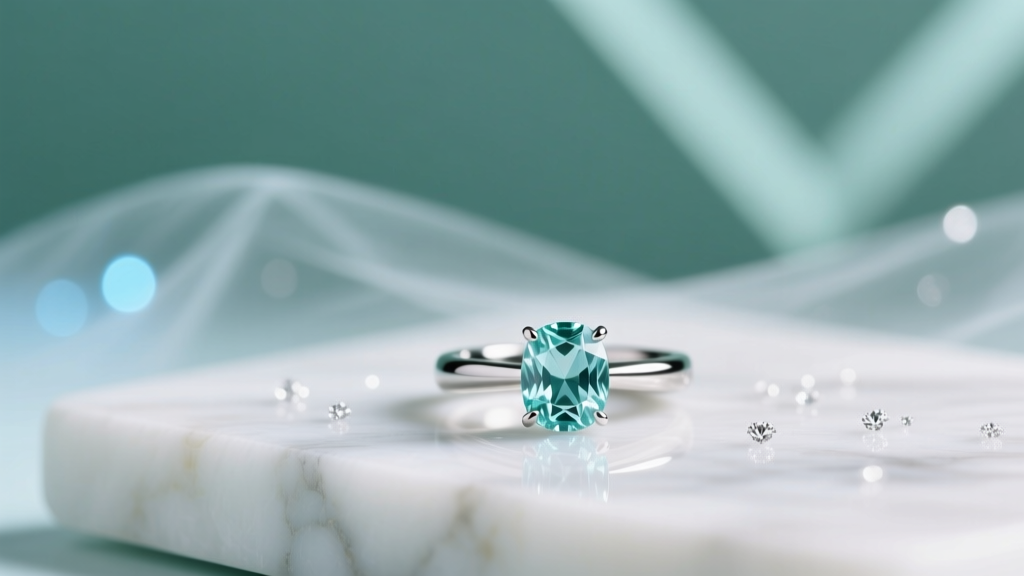
Aquamarine Engagement Rings March Birthstone Elegance
Aquamarine engagement rings have a way of stopping people mid-sentence. That cool, ocean-blue glow feels romantic without trying too hard—fresh, airy, and quietly distinctive compared to more traditional diamond-forward looks. For couples who want a meaningful center stone with a refined presence, aquamarine delivers elegance with a modern edge.
As March’s birthstone, aquamarine also brings a personal layer of symbolism: calm, clarity, and steady devotion. Whether you’re choosing a ring to honor a March birthday, a spring proposal, or simply a love for soft blue gemstones, aquamarine can be a smart and stylish engagement ring choice—especially when you understand how to select quality, set it securely, and pair it with a wedding band.
This guide breaks down aquamarine quality factors, popular settings, metal choices, price expectations, and the practical details that help your ring look beautiful for the long haul.
Why Aquamarine Works So Well for Engagement Rings
Aquamarine belongs to the beryl family (the same family as emerald). Its color ranges from pale, icy blue to richer sea-blue tones, often with excellent transparency and a bright, glassy luster. That clarity is a big reason aquamarine looks “clean” and luminous in engagement ring designs, especially in step cuts and elongated shapes.
From a wearability standpoint, aquamarine ranks 7.5–8 on the Mohs hardness scale. That’s solid for everyday wear, though it’s not as tough as sapphire (9) or diamond (10). With a protective setting and mindful care, an aquamarine engagement ring can absolutely be an everyday ring—just not a “no-thought-required” stone.
Aquamarine Quality Factors: What to Look For
Color: The Make-or-Break Detail
Color is the primary value driver for aquamarine. Most stones skew lighter, and many shoppers love that soft, bridal pastel look. If you’re aiming for a more vivid presence, look for:
- Hue: Blue to slightly greenish-blue is common; pure blue tends to command higher prices.
- Tone: Medium tone (not too pale, not too dark) usually looks best in rings.
- Saturation: Higher saturation reads as “ocean-blue” rather than “nearly clear.”
Practical tip: aquamarine can look lighter in bright showroom lighting. Ask to see the stone in natural daylight or near a window to confirm the color you’ll live with daily.
Clarity: A Stone That Loves to Show Off
Aquamarine is often eye-clean, meaning inclusions are minimal and hard to spot without magnification. Eye-clean stones are typical, so you can be selective—especially if you’re choosing a larger center stone. Avoid crystals with obvious fractures or surface-reaching inclusions near corners, which can be vulnerable to chipping.
Cut: The Key to Sparkle and “Life”
Aquamarine can look watery and bright when it’s cut well—and flat when it’s not. Watch for:
- Windowing: A see-through “glass” effect in the center where the cut is too shallow.
- Extinction: Dark, dead areas where the cut is too deep or light doesn’t return.
- Symmetry: Especially important in emerald cuts, ovals, and pears.
Popular aquamarine cuts include emerald cut (timeless and architectural), oval (classic with flattering length), round (max sparkle), pear (romantic), and elongated cushion (vintage-meets-modern).
Carat Size: Aquamarine’s Big Advantage
Aquamarine typically costs less per carat than many precious gems, which means you can often choose a larger center stone while staying within budget. Lighter stones may need more size to show noticeable color—many couples find the “sweet spot” around 1.5 to 3 carats for an engagement ring, depending on finger size and setting style.
Treatments: What’s Normal
Most aquamarine on the market is heat-treated to reduce green tones and improve the blue. This is an accepted, stable treatment. Ask your jeweler to disclose any treatments, and consider requesting documentation for higher-value stones.
Best Metals for Aquamarine Engagement Rings
Platinum: Secure and Naturally White
Platinum is a top choice for an aquamarine engagement ring if you want maximum durability in prongs and a naturally white metal that won’t need rhodium plating. It’s a premium option and ideal for delicate settings that still need strength.
White Gold: Bright, Popular, and Versatile
14K or 18K white gold pairs beautifully with aquamarine’s cool tone. Keep in mind white gold is typically rhodium-plated for a crisp white finish, and it may need re-plating over time depending on wear.
Yellow Gold: A Warm, Vintage-Leaning Contrast
Yellow gold is trending again in engagement rings, and aquamarine looks striking against warm gold—especially in antique-inspired designs, milgrain details, and bezel settings. For daily wear, 14K yellow gold is often the practical balance of durability and rich color.
Rose Gold: Soft Romance with a Modern Twist
Rose gold adds a blush warmth that flatters aquamarine’s blue. It’s a popular contemporary choice, particularly with oval or pear aquamarines and minimal, clean band designs.
Settings and Styles: From Timeless Classics to Current Trends
Solitaire Settings (Timeless Classic)
A solitaire aquamarine engagement ring puts the gemstone front and center. Choose a four-prong or six-prong head depending on shape; for softer stones, six prongs can add peace of mind. Solitaires also make wedding band pairing easy.
Halo Settings (More Sparkle, More Presence)
A diamond halo around aquamarine boosts brilliance and gives a larger visual footprint. If you like a glamorous look without the cost of a very large center stone, halos are a strong value choice. A double halo is a bolder, trend-forward option.
Three-Stone Rings (Symbolic and Balanced)
Three-stone aquamarine rings—often with diamond side stones—offer a balanced, elegant look and strong symbolism (past, present, future). For a modern feel, try tapered baguettes. For vintage vibes, choose trillions or old-European-cut style rounds.
Bezel Settings (Protective and Sleek)
A bezel encircles the stone with metal, offering excellent protection for everyday wear. This style is especially smart for active lifestyles. Full bezels look modern and minimal; partial bezels feel lighter and more delicate.
Cathedral and Basket Settings (Support and Elegance)
Cathedral shoulders add height and drama, while a well-built basket supports the stone and protects the girdle. If you love a raised center look, make sure the craftsmanship includes sturdy gallery rails and properly finished prongs.
Choosing a Wedding Band to Match Aquamarine
When shopping for wedding bands, consider both aesthetics and day-to-day comfort:
- Classic pairing: a simple gold or platinum band lets the aquamarine shine.
- Diamond bands: pavé or channel-set diamonds complement aquamarine beautifully, but check for snagging and comfort.
- Contoured or notched bands: ideal if your engagement ring has a low-set basket or halo that prevents a straight band from sitting flush.
- Mixed metals: a modern trend—just ensure the colors feel intentional (for example, yellow gold band with a yellow gold ring head, or a two-tone setting).
Price Range and Value Tips
Aquamarine engagement rings can fit a wide range of budgets. While pricing varies by color, cut quality, carat weight, and metal, these general expectations help when planning:
- Entry level: smaller or paler aquamarine in 10K/14K gold, simple settings.
- Mid-range: 1.5–3 ct well-cut aquamarine in 14K/18K gold or platinum, often with diamond accents.
- High-end: vivid color, top cut, larger carat size, designer-level craftsmanship, platinum, and premium diamond halos or side stones.
Value tips:
- Prioritize cut quality—a well-cut aquamarine looks brighter and more expensive than a larger but poorly cut stone.
- If you want a stronger blue, consider going slightly smaller in carat weight and investing in better color saturation.
- Choose 14K gold for durability and cost efficiency; go platinum if you want maximum prong security and minimal maintenance of color.
- Ask for a clear breakdown of center stone specs (carat, measurements, treatment, origin if available) and accent diamond quality (color/clarity and total carat weight).
Care and Maintenance: Keeping Aquamarine Bright
Aquamarine is relatively hardy, but it benefits from thoughtful care—especially for engagement rings worn daily.
- Cleaning at home: warm water, mild dish soap, and a soft toothbrush. Rinse well and pat dry.
- Avoid: harsh chemicals, chlorine, and abrasive cleaners that can dull the polish or damage settings.
- Ultrasonic cleaners: sometimes safe for eye-clean aquamarine, but not recommended if you’re unsure about inclusions or if the ring has delicate pavé. When in doubt, skip it.
- Storage: store separately from diamonds and other hard stones to prevent scratching.
- Checkups: have prongs and settings inspected about once a year (or sooner if you wear it daily).
Common Mistakes to Avoid When Buying Aquamarine Rings
- Choosing color only under showroom lights: verify the stone in daylight so you don’t end up with a too-pale look.
- Ignoring the setting’s protection: aquamarine needs secure prongs or a bezel—especially for corners in emerald cuts and pears.
- Overpaying for size while sacrificing cut: a large, windowed stone can look flat and cheap compared to a smaller, well-cut gem.
- Forgetting wedding band fit: halos and low baskets can create gaps; plan the bridal set together if possible.
- Skipping documentation: for higher budgets, request a gem report or at least written specs and treatment disclosure.
FAQ: Aquamarine Engagement Rings
Is aquamarine durable enough for an everyday engagement ring?
Yes, for many couples—especially with a protective setting (bezel, sturdy prongs, well-built basket) and routine maintenance. If you work with your hands daily or want maximum worry-free wear, consider sapphire as an alternative or reserve aquamarine for occasional wear.
What metal looks best with aquamarine?
Platinum and white gold emphasize aquamarine’s cool, icy tone. Yellow gold adds a warm contrast with a vintage feel, while rose gold creates a soft, romantic look. The “best” choice depends on your style and how you want the blue to read.
Do aquamarines get cloudy over time?
The gemstone itself doesn’t typically turn cloudy from normal wear, but lotion buildup, soap residue, and tiny scratches on metal can make the ring look dull. Regular gentle cleaning and occasional professional polishing keep it bright.
Are aquamarines usually treated?
Yes. Heat treatment is common and stable, used to improve the blue color by reducing greenish tones. Always ask for treatment disclosure, especially when comparing stones at different price points.
What’s the best cut for an aquamarine engagement ring?
Emerald cut is a classic for aquamarine because it highlights clarity and creates elegant flashes. Oval and round cuts offer more sparkle. Pear and elongated cushion are popular trend-forward shapes that still feel timeless when set simply.
Next Steps: Finding Your Ideal March Birthstone Ring
If you love the idea of a refined, ocean-toned gemstone with personal meaning, an aquamarine engagement ring is a confident choice—especially when you prioritize vivid color, a quality cut, and a secure setting built for real life. Start by deciding the look you want (minimal solitaire, diamond halo, three-stone, or protective bezel), then choose the metal that complements your style and daily routine.
For more guidance on engagement rings, wedding bands, gemstone comparisons, and timeless setting styles, explore the latest jewelry guides on weddingsift.com.
More Articles
 Wedding Ring Sizing: 5 Safe, Permanent Methods (2026)
 Birthstone Wedding Rings A Unique Alternative
 Complete Budget Essentials: A Practical Metalsmith’s Guide to Starting Jewelry Making Under $500
 How to Choose an Engagement Ring With a Cathedral Shank
 How to Clean Gold Wedding Ring at Home Safely
 How to Clean Wedding Rings at Home Safely (2026)
 How to Choose an Engagement Ring on a Budget
 Ring Enhancers: Wedding Bands or Not? (2026)
 Amethyst Engagement Rings February Birthstone Beauty
 Realistic Wedding Bands Drawing: Step-by-Step (2026)