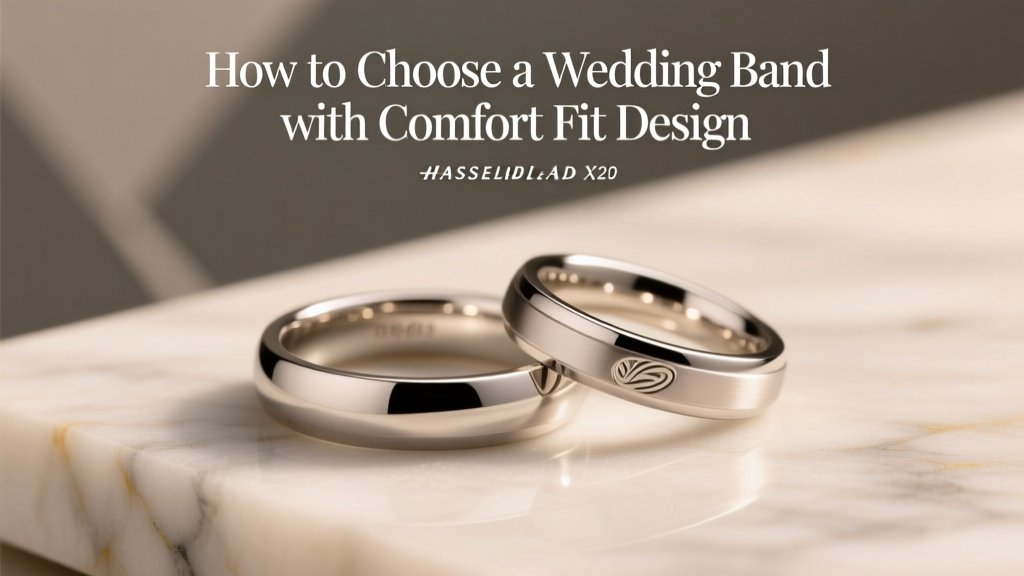
How to Choose a Wedding Band With Comfort Fit Design
When you try on wedding bands, you’ll notice a surprising truth: two rings that look nearly identical from the top can feel completely different on your hand. That “feel” becomes a daily experience—during work, workouts, travel, dishwashing, and everything else life brings. A comfort fit wedding band is designed to make that everyday wear smoother, especially if you’re not used to jewelry.
Comfort fit doesn’t mean “one-size-fits-all” or “higher quality by default.” It’s a specific interior shape that changes how the ring slides over the knuckle, sits on the finger, and handles swelling throughout the day. For couples shopping for engagement rings and wedding bands, comfort fit is one of those small design decisions that can make your ring feel like part of you instead of something you’re always adjusting.
This guide breaks down what comfort fit really is, how it compares to standard fit, which metals and styles work best, what to look for in craftsmanship, and how to avoid common shopping mistakes—all so you can choose a wedding ring you’ll love wearing for years.
What “Comfort Fit” Means (and Why It Feels Different)
A comfort fit wedding band has a subtly rounded interior (also called a “domed” inner profile). Instead of a flat inside edge that can press into skin, comfort fit bands have softened interior edges that reduce pressure points.
Comfort Fit vs. Standard Fit
- Comfort fit: Rounded inside, smoother glide over the knuckle, often feels less “tight” at the same measured size.
- Standard (flat) fit: Flatter interior and sharper edges, can feel more rigid and may grip the finger more.
Because comfort fit rings remove a bit of interior material and reduce friction, many people perceive them as roomier. That’s why sizing becomes a key part of the decision (more on that below).
Who Should Choose a Comfort Fit Wedding Band?
Comfort fit is popular for a reason, but it’s especially helpful if:
- You plan to wear your wedding band every day and want a low-maintenance feel.
- You have larger knuckles relative to your finger base and need the ring to slide on and off more easily.
- Your hands fluctuate in size with heat, exercise, pregnancy, or travel.
- You’re choosing a wider band (generally 6mm and up)—comfort fit makes width feel less bulky.
That said, some people prefer the slightly “locked in” feeling of a standard fit, especially with very thin bands (around 2–3mm). The best choice is the one that feels secure and comfortable on your hand.
Choosing the Right Metal for a Comfort Fit Band
The comfort fit interior shape is only part of the story. The metal you choose affects weight, durability, maintenance, and whether resizing is possible. For most couples, the ideal balance is comfort + long-term practicality.
Platinum: Heirloom Feel and Excellent Longevity
Platinum is dense, naturally white, and prized for durability. It develops a soft patina over time rather than wearing away quickly. Platinum comfort fit bands feel substantial and smooth, which many couples love for everyday wear.
- Best for: Timeless classic bands, couples who want a premium, long-lasting metal.
- Trade-off: Higher price and heavier feel.
Gold (14K vs. 18K): Classic, Customizable, and Resizable
Gold wedding bands remain the go-to classic. Comfort fit works beautifully in yellow gold, white gold, and rose gold.
- 14K gold: More durable for active lifestyles (higher alloy content), typically better value.
- 18K gold: Richer color and slightly more premium feel, but a bit softer than 14K.
If you choose white gold, check whether it’s rhodium-plated (most are). Rhodium helps it look bright white but may need re-plating over time depending on wear.
Palladium: Lighter “White Metal” Alternative
Palladium is naturally white and lighter than platinum. It’s a strong choice if you want a white metal feel without the weight of platinum, though availability can vary by jeweler and region.
Titanium and Tungsten: Modern, Affordable, but Usually Not Resizable
These contemporary metals are common in men’s wedding bands and minimalist comfort fit styles:
- Titanium: Lightweight and comfortable; great for people who dislike heavy jewelry.
- Tungsten carbide: Highly scratch-resistant, substantial feel, often very affordable.
Key caution: Most titanium and tungsten rings cannot be resized in the traditional way. If long-term resizing flexibility matters, stick with gold or platinum.
Comfort Fit Band Styles: Trends and Timeless Classics
Comfort fit bands come in nearly every design, from simple polished rings to diamond-accented wedding bands that pair with engagement rings.
Classic Comfort Fit Profiles
- Domed (court) band: Rounded outside and inside; the most traditional comfort fit look.
- Flat comfort fit: Flat exterior with a rounded interior—clean, modern, and very popular right now.
- Knife-edge with comfort interior: A crisp center ridge on top with a softened inside; stylish and structured.
Finish Options: Polished, Matte, Brushed, and Hammered
Finish is a major trend driver. High polish is timeless, but couples are increasingly choosing:
- Brushed or satin finishes for a modern, understated look that hides small scratches.
- Matte finishes for minimalist style (often paired with flat comfort fit bands).
- Hammered textures for a handcrafted, organic aesthetic—popular in rustic and nature-inspired weddings.
Textured finishes may need periodic refinishing to keep the look crisp.
Diamond and Gemstone Accents (Cuts, Settings, and Practicality)
If you want sparkle, comfort fit is compatible with many stone styles. The practical choice comes down to setting type and how you wear your ring daily.
- Pavé diamonds: Tiny round brilliant diamonds set closely together. Beautiful, but choose high-quality craftsmanship—secure bead or micro-prong work is essential.
- Channel-set diamonds: Stones sit between metal walls. This is one of the most durable, snag-resistant options for daily wear.
- Bezel-set accents: A metal rim surrounds each stone; sleek and very secure.
For gemstones, sapphires (especially blue or modern “salt-and-pepper” looks) are popular alternatives. If you choose colored stones, prioritize hardness and toughness for everyday wear. Diamonds and sapphires hold up best. Softer gems like opal or pearl are generally not ideal for wedding bands worn daily.
Quality Factors That Matter for Comfort Fit Rings
Interior Finish and Edge Work
A true comfort fit band should have a smooth, consistent inner curve with no sharp transitions. Poorly finished interiors can feel irritating even if the ring is technically “comfort fit.” Ask about polishing standards and inspect the inside edge closely.
Band Width and Thickness
Comfort fit becomes more noticeable as width increases. A 7–8mm band with a standard interior can feel bulky, while a comfort fit version often feels easier to wear. Thickness also matters: overly thin bands may warp over time, especially in softer metals.
Craftsmanship for Stone-Set Bands
If you’re buying a diamond wedding band, look for:
- Even stone alignment and consistent spacing
- Secure prongs/beads with smooth finishing (no snag points)
- Clean channel walls (for channel settings) and well-seated stones
Ask if the ring is cast, hand-finished, or hand-forged. Hand-finishing is common in fine jewelry and can improve comfort and detail quality.
How to Get the Right Size in a Comfort Fit Wedding Band
Sizing is where many couples get tripped up. Comfort fit rings can feel slightly larger than standard fit rings in the same size.
- Try on the exact width you plan to buy. A 4mm ring and an 8mm ring often need different sizes.
- Consider your knuckle. The ring must pass over the knuckle while still sitting securely at the finger base.
- Shop at the right time of day. Fingers swell with heat, exercise, and later in the day.
If you’re between sizes, many jewelers suggest sizing slightly down for comfort fit—but only after trying a comparable ring. The safest move is to get sized in person or order a sizing kit if shopping online.
Care and Maintenance: Keeping Your Comfort Fit Band Looking New
- Cleaning: Warm water, mild dish soap, and a soft brush work for gold and platinum. For diamond bands, gentle brushing under the stones helps remove lotions and oils.
- Avoid harsh chemicals: Chlorine and aggressive cleaners can damage metals and some gemstones.
- Storage: Store rings separately to prevent scratching (especially if paired with a diamond engagement ring).
- Professional checkups: For diamond or gemstone wedding bands, have prongs and settings inspected about once a year.
Price Range and Value Tips
Comfort fit design itself doesn’t always add a huge premium, but the metal, width, and any stones will.
- 14K gold comfort fit bands: Often a strong value for everyday wear; pricing rises with width and weight.
- 18K gold and platinum: Higher cost due to metal price and density; worth it if you want a heavier, heirloom feel.
- Titanium/tungsten: Typically the most budget-friendly; great for simple designs but limited for resizing and repairs.
- Diamond bands: Price depends on total carat weight, diamond quality (cut, color, clarity), and setting labor. Channel-set and pavé designs require more craftsmanship.
Value tip: If you want diamonds, prioritize cut quality and secure setting work over chasing the highest color/clarity grades. Well-cut small diamonds can look bright and lively even at practical grades.
Common Mistakes to Avoid When Shopping
- Buying a comfort fit ring without trying the same width: Width changes the feel and sizing more than most people expect.
- Ignoring lifestyle: Highly polished finishes show scratches; pavé can snag if workmanship is poor; softer metals may wear faster for hands-on jobs.
- Choosing non-resizable metals without a plan: Tungsten and many titanium rings can’t be resized—think ahead for future fit changes.
- Assuming comfort fit fixes everything: If the ring is too tight or too loose, the interior curve won’t solve it. Fit still matters most.
- Not matching the engagement ring properly: If you’re pairing rings, consider band height, shape, and whether you need a contoured band to sit flush.
FAQ: Comfort Fit Wedding Bands
Do comfort fit wedding bands run larger?
They can feel slightly larger because the rounded interior reduces contact with the finger. The best approach is to try on the same width and style you plan to buy, then size based on comfort and security.
Are comfort fit rings better for wide wedding bands?
Yes. Comfort fit makes wide bands (often 6mm, 7mm, 8mm+) feel less bulky and easier to slide over the knuckle, which is why it’s a popular choice for men’s wedding bands and modern wide styles.
Can a comfort fit band be resized?
Gold and platinum comfort fit bands are usually resizable, though significant changes can affect the interior curve and may require re-finishing. Tungsten and many titanium rings typically cannot be resized.
Is comfort fit good for diamond wedding bands?
It can be, especially when paired with durable settings like channel or bezel. For pavé bands, craftsmanship matters most—secure stones and smooth finishing help prevent snagging and stone loss.
Which finish hides scratches best?
Brushed, satin, and textured finishes (like hammered) tend to disguise everyday wear better than high polish. Polished rings can be refinished easily, but they show marks more quickly.
Will comfort fit make my ring spin less?
Spinning is usually caused by a ring being slightly large or top-heavy (common with stone-set bands). Comfort fit improves feel, but correct sizing and balanced design do more to prevent spinning.
Next Steps: Choose Comfort That Matches Your Life
A comfort fit wedding band is one of the most practical upgrades you can make—especially if you’re choosing a wider ring, a modern flat profile, or a daily-wear design you never want to take off. Start by deciding on the right metal (gold, platinum, palladium, titanium, or tungsten), then narrow your style—classic domed, flat comfort fit, brushed finishes, or diamond-accented designs like channel-set or pavé.
If you’re shopping as a couple, try on multiple widths and finishes side-by-side, and don’t rush the sizing. The goal is a wedding ring that feels natural on day one and still feels right years later. For more expert tips on wedding bands, engagement rings, metals, diamonds, and current ring trends, explore more jewelry guides on weddingsift.com.
More Articles
 Wedding Ring Cleaning Schedule: Science-Backed (2026)
 Is Zirconium Good for Wedding Rings? (2026)
 Men’s Wedding Ring Resizing Limits (2026)
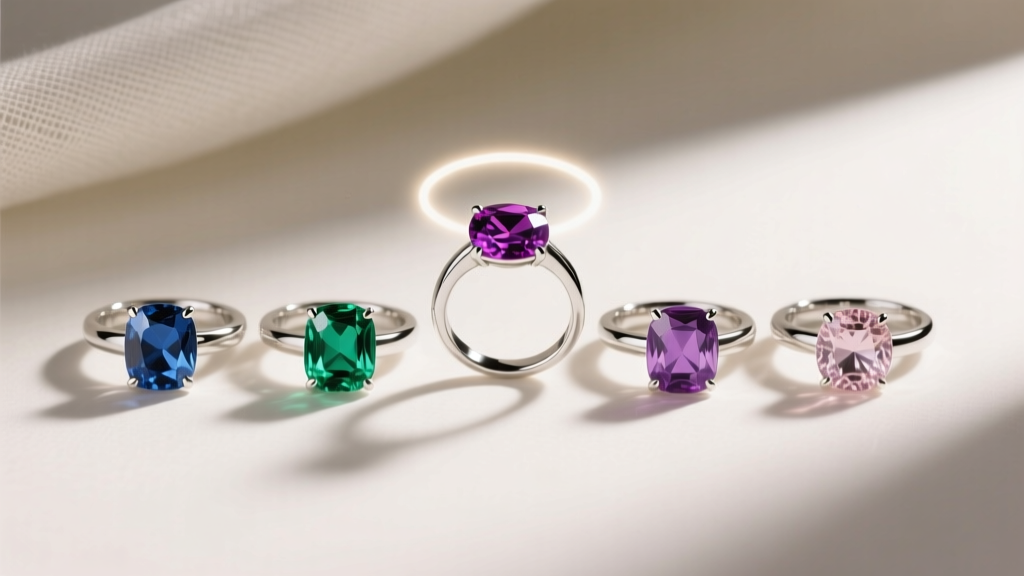 Colored Gemstone Engagement Rings Buying Guide
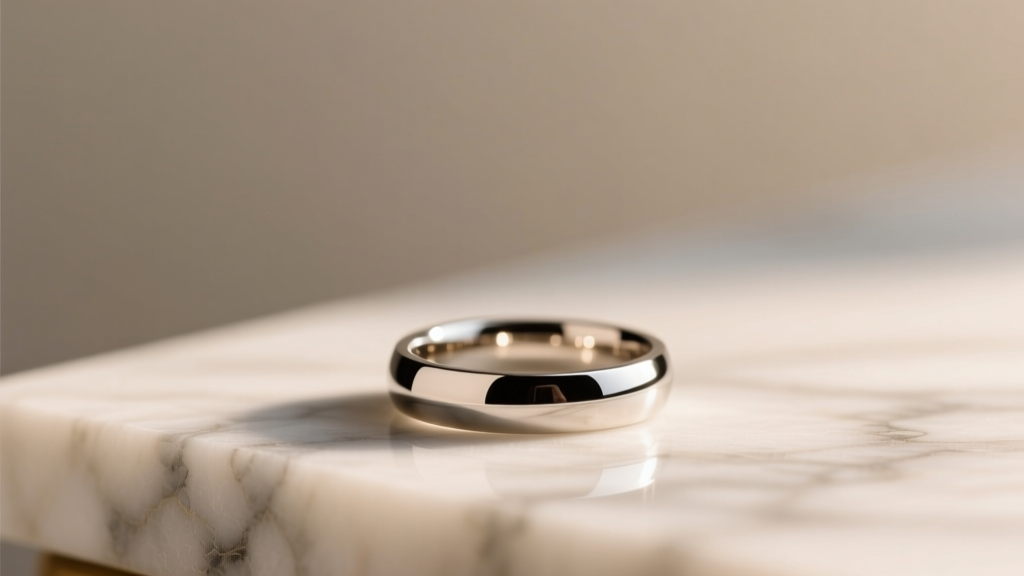 How to Sell Wedding Band Safely & Profitably (2026)
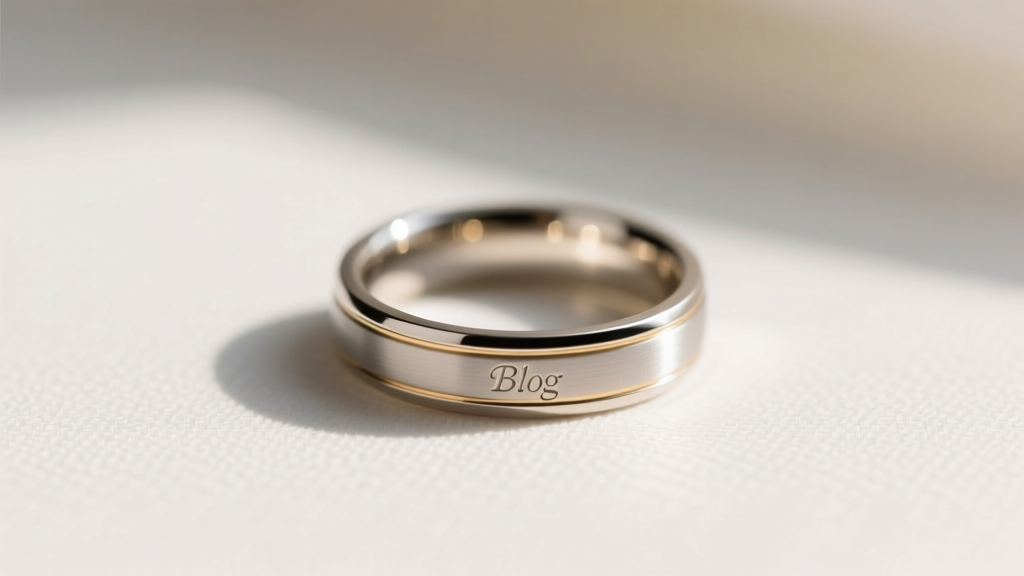 Do You Wear Wedding Band On Inside Or Outside (2026)
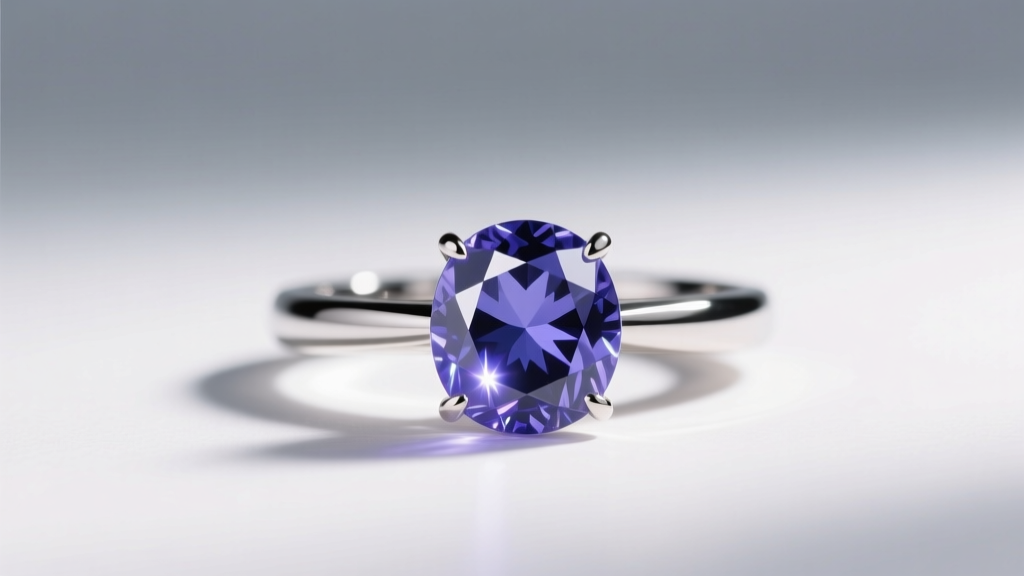 Tanzanite Engagement Rings Rare Blue-Violet Gemstone
 Engagement Ring Prong Types Security and Style Compared
 24K Gold Wedding Band Value: What It’s Really Worth
 Lab Diamond vs Moissanite: Honest Comparison