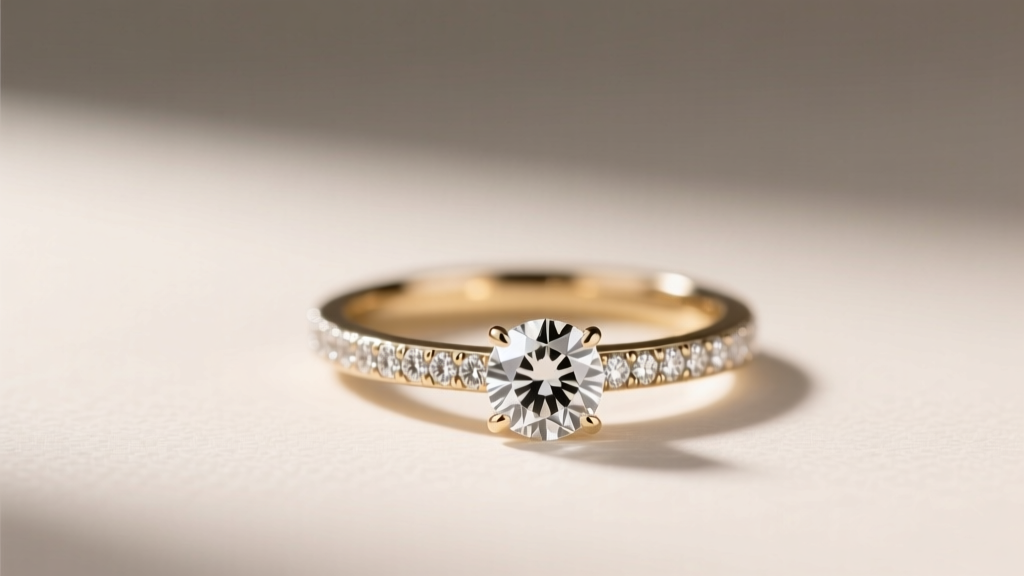
How to Choose an Engagement Ring With a Pave Band
A pavé band engagement ring has a certain kind of sparkle that feels effortless—tiny diamonds set closely together so the metal nearly disappears, creating a “paved” surface of light. It’s one of the most popular engagement ring styles because it elevates everything: a classic round solitaire, a romantic halo, or a sleek oval center stone suddenly looks more luminous and detailed.
That extra brilliance comes with a few decisions that matter. Pavé rings vary widely in craftsmanship, durability, comfort, and price depending on the setting style, the size and quality of the accent diamonds, and the metal you choose. This guide breaks down the details the way a jeweler would—so you can choose a pavé engagement ring that fits your lifestyle, pairs beautifully with a wedding band, and stays secure for the long haul.
If you’re shopping for engagement rings and wedding bands as a set, pavé is also a smart style to evaluate early. The band’s width, height, and diamond coverage can affect how flush your wedding ring sits and how practical the ring feels day to day.
What Exactly Is a Pavé Band?
“Pavé” (pah-VAY) refers to a setting technique where many small diamonds (often called melee diamonds) are set closely together along the shank (band) of the ring. Tiny beads or prongs of metal hold each stone in place, with minimal visible metal between them.
Common Pavé Variations You’ll See
- Micro pavé: Very small diamonds (often 0.005–0.02 ct each) set with extremely fine beads. Delicate, bright, and craftsmanship-dependent.
- French pavé: Features V-shaped cuts under the diamonds, allowing more light in and creating a refined, scalloped look from the side.
- U-cut pavé: Stones sit in U-shaped cups, showing more diamond and creating a softer outline.
- Bead-set pavé: The classic “beads” of metal are raised to secure each diamond; common and durable when done well.
- Channel-set (often confused with pavé): Diamonds sit between two metal walls with no prongs. Less “pavé” in look, but often more protective for daily wear.
Start With the Center Stone: Shape, Cut, and How Pavé Changes the Look
A pavé band pulls attention to the entire ring, not just the center. That’s great for sparkle—but it also means proportions matter. Choose the center stone first (or at least narrow it down) so the band complements it rather than competing with it.
Best Center Stone Shapes for Pavé Bands
- Round brilliant: The most timeless choice. Pavé amplifies its “all-over” sparkle and looks balanced in nearly any setting.
- Oval: A top current trend. An oval diamond with pavé can look larger than its carat weight (great finger coverage), especially with a thin band.
- Cushion: Romantic and slightly vintage. Pavé brings out cushion’s soft brilliance and works beautifully with halos.
- Emerald cut: Sleek and elegant. Pair with pavé if you want contrast—step cuts flash differently than pavé’s glitter, which can be stunning when balanced carefully.
- Pear and marquise: Elongated and flattering. Pavé can enhance the “pointed” drama; choose a protective prong style at the tips.
Cut Quality Matters Even More With Pavé
Pavé adds sparkle, but it can’t fix a dull center stone. If you’re choosing a diamond center, prioritize cut quality (especially for round, oval, and cushion). A well-cut stone will look brighter and crisper next to the scintillation of pavé diamonds.
Choosing Your Metal: Platinum vs Gold for Pavé Settings
Pavé settings depend on tiny prongs and precise craftsmanship. The metal you choose affects durability, maintenance, and how “white” or “warm” your diamonds appear.
Platinum
- Pros: Dense and durable; naturally white; excellent for holding small stones securely over time.
- Considerations: Develops a patina (a soft, matte finish) that some people love; can be polished back to shine.
- Best for: Daily wearers who want maximum security for pavé diamonds.
14K Gold (White, Yellow, Rose)
- Pros: Stronger than 18K due to alloy content; great for prongs and delicate pavé; typically more budget-friendly than platinum.
- Considerations: White gold is usually rhodium-plated for a bright white finish; replating may be needed over the years.
- Best for: Most shoppers who want durability with flexible style options.
18K Gold
- Pros: Richer color and higher gold content; luxurious feel.
- Considerations: Slightly softer than 14K, which can matter for very fine micro pavé if you’re hard on your hands.
- Best for: Those who prefer a higher-karat look and are comfortable with a bit more care.
Pavé Setting Quality: What to Look For (and What to Avoid)
Two pavé rings can look similar in photos but perform very differently over time. These are the details that separate long-lasting pavé from rings that lose stones.
Craftsmanship Checkpoints
- Even stone spacing and alignment: The diamonds should sit level and straight, not wavy or uneven.
- Secure beads/prongs: Tiny prongs should be consistent and well-formed, not sharp or flimsy.
- Comfort: The inside edge of the band should feel smooth (look for a comfort-fit interior if you like a softer feel).
- Band thickness and width: Ultra-thin pavé bands (under ~1.7 mm) can look delicate but may bend more easily. Many jewelers consider ~1.8–2.2 mm a practical sweet spot for daily wear.
- Stone protection: Consider designs with slightly “tucked” diamonds or protective edges if you’re active.
Pavé Coverage: Full, Half, or Three-Quarter Eternity
- Half pavé: Diamonds across the top half of the band. More comfortable, easier to resize, and often the best choice for durability.
- Three-quarter pavé: More sparkle from multiple angles, but resizing can be limited depending on construction.
- Full eternity pavé: Diamonds all the way around. Beautiful and symmetrical, but typically not resizable and can be less comfortable between fingers.
Diamond and Gemstone Choices for Pavé Bands
Most pavé bands use small round brilliant diamonds because they maximize sparkle at tiny sizes. You’ll also see pavé with fancy colored diamonds, sapphires, or mixed stones for a more personalized look.
Recommended Quality for Pavé Diamonds (Melee)
Because pavé diamonds are small, you don’t need to chase the highest grades—but consistency matters. A common sweet spot is:
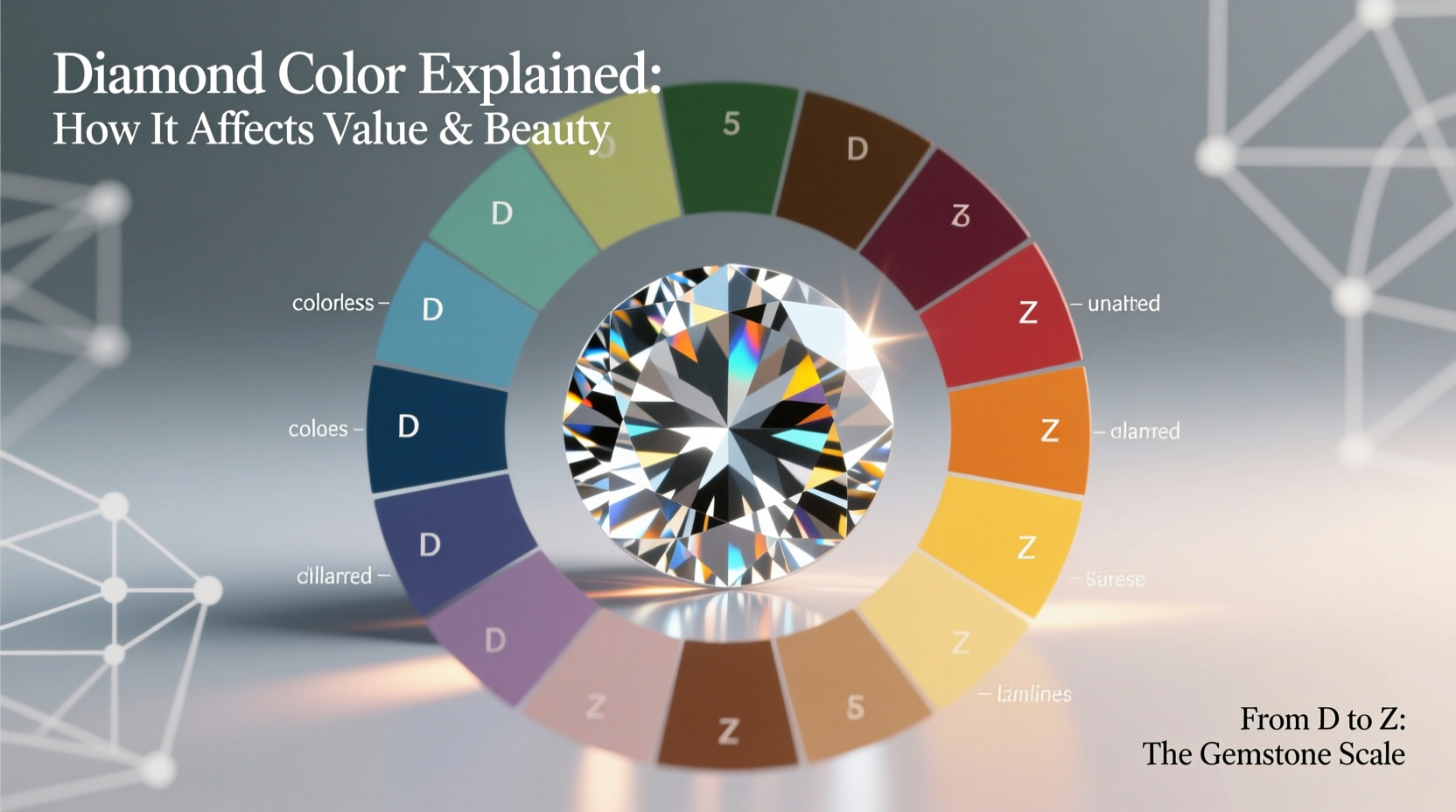
- Color: G–H (or F–G if set in platinum/white gold and you want a very crisp look)
- Clarity: VS–SI (eye-clean at melee sizes)
- Cut: “Excellent” or “Very Good” where available; well-matched stones create a smoother sparkle line
Natural vs Lab-Grown Diamonds
Lab-grown diamonds are a major current trend for engagement rings, including pavé settings. They offer the same optical and physical properties as natural diamonds and can stretch your budget—letting you choose a larger center stone or higher-quality pavé craftsmanship.
Colored Gemstone Pavé
- Sapphires: A classic accent that’s durable (Mohs 9) and available in many colors beyond blue.
- Rubies: Also durable (Mohs 9) and striking for vintage-inspired rings.
- Considerations: Colored pavé can require more careful stone matching; ask about treatment disclosure and replacement availability.
Pairing a Wedding Band With a Pavé Engagement Ring
Couples often discover late in the process that their dream pavé engagement ring doesn’t sit nicely with their wedding band. Plan for stacking early.
Top Pairing Options
- Matching pavé wedding band: A timeless, cohesive set—especially popular with round, oval, and halo engagement rings.
- Plain metal band: A classic trend for contrast; it also reduces abrasion between rings and can feel more comfortable for everyday wear.
- Curved/contour band: Designed to nest around a center setting (great for halos or low-set baskets).
- Spacer band: A thin plain band between two pavé rings can reduce diamond-to-diamond rubbing.
Care and Maintenance: Keeping Pavé Sparkling (and Secure)
Pavé rings are wearable daily, but they do best with routine care.
At-Home Cleaning
- Soak in warm water with mild dish soap for 15–20 minutes.
- Use a soft toothbrush to gently clean under the center stone and along the pavé.
- Rinse thoroughly and pat dry with a lint-free cloth.
Professional Maintenance Schedule
- Check prongs: Every 6–12 months, especially if you wear the ring daily.
- Professional cleaning: Ultrasonic/steam cleaning can be excellent when appropriate, but should be done by a jeweler who can inspect the pavé first.
- Insurance: Strongly consider jewelry insurance for rings with pavé—small stone loss is one of the most common claims.
Price Ranges and Value Tips for Pavé Engagement Rings
Pavé adds cost in two ways: the diamonds themselves and the labor-intensive setting work. Pricing varies widely based on the center stone, metal, and craftsmanship.
Typical Price Factors
- Center stone: The biggest driver of the budget (carat, cut, color, clarity, and natural vs lab-grown).
- Amount of pavé: Half pavé vs full eternity; larger melee sizes cost more.
- Metal: Platinum generally costs more than gold; 14K is often the best value for durability.
- Hand-set vs machine-set: High-quality pavé work can be more expensive, but it often pays off in longevity.
Value Tips That Don’t Sacrifice Beauty
- Choose half pavé for a similar look with better resize flexibility and often a lower price.
- Consider a lab-grown center diamond if you want more carat size without compromising cut quality.
- Prioritize cut for the center diamond; pavé won’t compensate for a sleepy-looking stone.
- Ask whether the pavé diamonds are matched parcels (consistent color/clarity) for a smoother sparkle line.
Common Mistakes to Avoid When Shopping for a Pavé Band Ring
- Going too thin for daily wear: Ultra-slim micro pavé bands can bend, especially in softer metals. Balance delicacy with structure.
- Ignoring how it stacks: A high-set center can leave a gap with a wedding band. Try a contour band or choose a setting designed to sit flush.
- Assuming all pavé is equal: The setting quality is everything—secure beads, even stones, and clean finishing matter.
- Choosing high pavé coverage without considering resizing: Full eternity pavé is usually not resizable; life happens, and finger sizes can change.
- Skipping routine inspections: Small stones can loosen over time. Regular checkups prevent bigger repairs.
- Wearing it for rough tasks: Gardening, weightlifting, and heavy cleaning are common causes of bent prongs and lost melee diamonds.
FAQ: Engagement Rings With Pavé Bands
Do pavé diamonds fall out easily?
A well-made pavé setting is secure, but pavé does carry a higher risk of small stone loss than a plain band because there are many stones and tiny prongs. Regular inspections (every 6–12 months) and removing your ring for rough activities make a big difference.
Is a pavé engagement ring good for everyday wear?
Yes—especially in platinum or 14K gold with a sensible band width and quality workmanship. If you work with your hands, consider half pavé, slightly larger prongs, or more protective styles like channel-set accents.
What metal is best for a pavé band: platinum or white gold?
Platinum is excellent for security and longevity, while 14K white gold is a strong, cost-effective choice. If you prefer the brightest white look of white gold, factor in occasional rhodium replating.
Can a pavé band be resized?
Often, yes—especially half pavé styles. Three-quarter and full eternity pavé can be difficult or impossible to resize without disrupting the stone layout. Ask about resize policy before purchasing.
What wedding band looks best with a pavé engagement ring?
Matching pavé bands are timeless, while a plain metal wedding band is a popular modern pairing for contrast and practicality. If your engagement ring has a halo or low basket, a curved contour band can create a clean, flush fit.
Does pavé make a center diamond look bigger?
It can. Pavé adds sparkle and visual width, which can enhance finger coverage. Pairing an oval or elongated center stone with a pavé band is especially effective for a “bigger look” at a given carat weight.
Confident Next Steps
A pavé band engagement ring is one of the best ways to add brilliance and detail—whether you love timeless round solitaires or today’s trending oval and hidden-halo designs. Focus on center stone cut quality, choose a durable metal, and pay close attention to pavé craftsmanship and band proportions. If you want the sweet spot of beauty and practicality, half pavé in platinum or 14K gold is hard to beat.
When you’re ready, explore more engagement ring and wedding band guides on weddingsift.com to compare settings, metals, diamond shapes, and stacking styles with confidence.
More Articles
 Wedding Band Metals: Platinum vs Gold vs Titanium Guide
 Is Bill Maher Wearing a Wedding Ring? The Truth Revealed
 What Is a Wedding Ring and Why Does It Really Matter
 Best Metal Colors for Wedding Jewelry
 Diamond Color Grade: When It Really Matters
 Can You Wear a Wedding Ring in an MRI? (2026)
 Ring Enhancers: Wedding Bands or Not? (2026)
 Jewelry Explained for Party: What to Wear, Why It Works, and How to Avoid Common Mistakes
 How to Wear a Wedding Set: Rules & Cultural Tips
 How to Identify Quality Craftsmanship in Wedding Bands