Kunzite Engagement Rings Delicate Pink to Violet
Kunzite engagement rings speak to couples who want romance with a slightly unexpected edge. This gemstone’s signature blush-to-violet palette feels soft and feminine, yet it stands out instantly against classic bridal staples like diamonds and sapphires. When set well, kunzite delivers a “lit from within” glow that’s especially flattering in halo engagement rings and vintage-inspired settings.
At the same time, kunzite is a different kind of purchase than a traditional diamond engagement ring. It rewards smart design choices, careful stone selection, and realistic expectations about wear and care. If you love the look of delicate pink to violet color and want an engagement ring that feels personal and trend-forward, this guide will help you choose a kunzite ring you’ll be proud to wear for years.
Below you’ll find what kunzite is, how to judge quality, best cuts and settings, metal pairings, pricing, maintenance, and the most common mistakes shoppers make when buying kunzite engagement rings and wedding bands.
What Is Kunzite? The Gem Behind the Glow
Kunzite is the pink-to-violet variety of the mineral spodumene. Its color comes from trace amounts of manganese, and it often shows a delicate range from pale petal pink to lilac and light violet. Many stones also display strong pleochroism, meaning the gem can show different intensities of color depending on the viewing angle—one reason cut quality matters so much.
Why Kunzite Is Popular for Engagement Rings Right Now
- Soft color trend: Blush engagement rings, pastel center stones, and “romantic minimalism” are current bridal jewelry trends—kunzite fits naturally.
- Large look for the budget: Compared to many precious gemstones, kunzite can offer bigger carat sizes for less.
- Pairs beautifully with diamonds: Side stones, halos, and pavé bands amplify kunzite’s sparkle without overpowering its gentle color.
Durability & Everyday Wear: Is Kunzite a Good Engagement Stone?
Kunzite measures about 6.5–7 on the Mohs hardness scale. That’s harder than many fashion stones, but softer than sapphires (9) and diamonds (10). For daily wear, kunzite can work—especially for couples comfortable with mindful care and protective ring design.
Strengths and sensitivities
- Pros: Attractive color, good transparency, beautiful brilliance in the right cut, and often available in clean-looking stones.
- Cons: Prone to scratches and abrasion over time; can chip if hit at the wrong angle; color can fade with prolonged exposure to strong light/UV.
If you’re very hard on your hands (healthcare, fitness, construction, constant lifting), consider a kunzite ring for special occasions—or choose a more durable pink stone like sapphire or spinel. If your lifestyle is moderate and you choose a protective setting, kunzite can be a lovely engagement ring center stone.
Kunzite Quality Factors: Color, Cut, Clarity, and Carat
Color: The heart of kunzite
The most valued kunzite shows a medium, lively pink to pinkish-violet with good saturation. Very pale stones can look washed out once set, especially in white metals. Deeply saturated kunzite exists, but strong color is rarer and commands higher prices.
- Pink vs. violet: Choose the tone that matches your style—pink feels classic-romantic, violet feels modern and editorial.
- Evenness: Look for consistent color across the face-up view, not a pale “window” in the center.
Cut: Where kunzite wins or loses
Kunzite is notorious for looking “glassy” when cut too shallow. A well-cut stone should return light evenly, with minimal windowing. Because of pleochroism, cutters orient kunzite carefully to maximize the desired pink/violet face-up color.
- Best cuts: Oval, cushion, pear, and emerald cuts are popular for engagement rings. Ovals and cushions often give the best mix of sparkle and presence.
- Trending cuts: Elongated cushions, pears, and oval center stones with halos; east-west set ovals for a modern look.
- Facet style: Brilliant and modified brilliant styles help kunzite look brighter; step cuts can look elegant but may show windowing more easily if cut isn’t excellent.
Clarity: Usually eye-clean, but check the details
Many kunzites appear eye-clean. Still, inspect for fractures, feathers near edges (higher chipping risk), and cloudy zones that reduce sparkle. Request close-up photos or a video in daylight-equivalent lighting.
Carat size: Kunzite often looks bigger than expected
Kunzite is relatively affordable in larger sizes, so you’ll commonly see 2–6 carat engagement ring centers. Keep wearability in mind: larger stones sit higher and are easier to knock, so pair bigger carats with a low, protective setting.
Best Metals for Kunzite Engagement Rings
Rose gold
Rose gold is a natural match for kunzite’s blush tones. It enhances pink warmth and creates a cohesive, romantic look—especially in vintage-style engagement rings or floral-inspired settings.
White gold and platinum
White metals make kunzite feel crisp and contemporary. They can also make pale stones look even lighter, so prioritize medium color saturation if you prefer platinum or white gold. Platinum offers excellent durability for prongs and is a strong choice for protecting a softer gemstone.
Yellow gold
Yellow gold creates a striking contrast with violet-leaning kunzite. For a timeless look, consider yellow gold with diamond accents—classic engagement ring styling with a fresh center stone.
Settings That Protect Kunzite (and Look Beautiful)
Halo settings
A diamond halo is one of the best settings for kunzite engagement rings. It boosts sparkle and visually deepens the center color. A halo also offers some protection by creating a buffer around the stone’s edge.
Bezel and half-bezel
Bezel settings are excellent for protection because they wrap metal around the gemstone’s perimeter. A full bezel looks sleek and modern; a half-bezel keeps more of the stone visible while improving security.
Prong settings: choose smartly
If you love prongs, opt for 6 prongs or sturdy claw prongs, especially for ovals and pears. A V-prong is highly recommended for pear tips to reduce chipping risk. Avoid thin, delicate prongs with a stone you plan to wear daily.
Low-profile designs
A lower setting reduces snagging and impact. Many couples choose a cathedral-style shank for visual elegance while keeping the center set securely.
Kunzite Engagement Rings and Wedding Band Pairings
Because kunzite center stones are often larger and set with halos, band fit matters. Consider these pairings:
- Contoured or notched wedding band: Sits flush against a halo or low-set center.
- Diamond pavé band: A timeless classic that complements kunzite without competing.
- Plain gold band: On-trend and practical; lets the gemstone be the star.
- Stacking bands: Popular for modern bridal styling—mix textures like milgrain, pavé, and plain metal for a curated look.
Price Range & Value Tips
Kunzite pricing varies most by color saturation, cut quality, and size. As a general shopping guideline for the center stone alone:
- Entry level: lighter color stones and commercial cuts, often $50–$200 per carat
- Mid range: better color and livelier cutting, often $200–$600 per carat
- Higher end: stronger saturation, excellent cut, and attractive face-up color, often $600–$1,500+ per carat
For finished kunzite engagement rings (metal + setting + accent diamonds), many couples find options from $800 to $4,000, with designer and premium diamond work pushing higher. The best value typically comes from choosing a slightly smaller stone with better cut and color, set in a protective design.
How to get the best value
- Prioritize cut over size: A well-cut 2.5 ct kunzite can outshine a poorly cut 5 ct stone.
- Choose a halo strategically: Halos add presence without the cost of a much larger center.
- Invest in the setting craftsmanship: Strong prongs, smooth finishing, and quality pavé work prevent costly repairs.
Care & Maintenance: Keeping Kunzite Looking Its Best
Cleaning kunzite safely
- Use lukewarm water, mild dish soap, and a soft toothbrush.
- Rinse thoroughly and pat dry with a lint-free cloth.
- Avoid harsh chemicals (bleach, chlorine) and abrasive cleaners.
What to avoid
- Ultrasonic cleaners: Risky for stones with inclusions or tiny fractures; best avoided unless a jeweler confirms it’s safe.
- High heat and intense light exposure: Store away from direct sunlight when not wearing to help preserve color.
- Impact and abrasion: Remove your ring for workouts, gardening, cleaning, moving furniture, or anything hands-on.
Maintenance schedule
Plan a professional inspection every 6–12 months. Ask your jeweler to check prongs, tightness, and pavé stones, and to polish the metal if needed. With kunzite, prong security matters even more than usual.
Common Mistakes to Avoid When Buying a Kunzite Engagement Ring
- Choosing the palest stone online: Pale kunzite can look pretty in photos but disappear on the hand, especially in white gold or platinum.
- Ignoring windowing: A shallow cut can create a see-through center that reduces sparkle and richness.
- Picking a high-set, delicate design: Tall settings and thin prongs increase the risk of chips and loosening.
- Assuming all pink gemstones wear the same: Kunzite is softer than sapphire; buy with lifestyle in mind.
- Not planning the wedding band fit: Halos and low settings often require a contoured band for a clean bridal set.
FAQ: Kunzite Engagement Rings
Is kunzite durable enough for an engagement ring?
It can be, especially with a protective setting (bezel, halo, sturdy prongs) and mindful wear. If you expect heavy daily use with frequent knocks, consider pink sapphire for greater durability.
Does kunzite fade over time?
Kunzite can fade with prolonged exposure to strong light/UV. Store your ring away from direct sunlight when not wearing it, and avoid leaving it on windowsills or in bright display lighting.
What is the best cut for kunzite?
Oval and cushion cuts are top choices because they often maximize sparkle and face-up color while minimizing windowing. Pear cuts are stunning too—just make sure the tip is protected with a V-prong.
What metal looks best with kunzite: rose gold, white gold, or platinum?
Rose gold enhances pink warmth and feels romantic. White gold and platinum look modern and crisp but can make pale kunzite appear lighter—choose a stone with stronger saturation if you prefer white metal.
How should I clean a kunzite engagement ring?
Use mild soap, lukewarm water, and a soft brush. Skip harsh chemicals and avoid ultrasonic cleaners unless a professional jeweler confirms your specific ring is safe for it.
Can I wear a kunzite ring with a diamond wedding band?
Yes. Diamond pavé and channel-set diamond bands pair beautifully with kunzite. If your engagement ring has a halo or low-set center, consider a contoured wedding band so the set sits comfortably and looks seamless.
Choosing Your Kunzite Ring with Confidence
A kunzite engagement ring is at its best when the gemstone’s delicate pink-to-violet color is matched with smart craftsmanship: a lively cut, a secure setting, and metal that complements the tone you love. For many couples, the sweet spot is a medium-saturated oval or cushion kunzite in a halo or bezel-style design, paired with a classic wedding band that fits flush.
If you’re deciding between styles, start by picking your color direction (blush pink or lilac violet), then choose the most protective setting you’ll happily wear every day. From there, focus on cut quality and ring construction—those two details do more for beauty and longevity than simply going bigger in carat size.
For more help comparing gemstones, settings, and bridal sets, explore more jewelry guides on weddingsift.com.
More Articles
 Do People Wear Wedding Rings on the Right Hand? The Truth
 Jewish Wedding Ring Traditions Explained
 How Do You Wear a Wedding Ring Set the Right Way
 How to Disinfect Wedding Ring Safely (2026)
 24K Gold Wedding Band Value: What It’s Really Worth
 Meteorite Wedding Bands Out-of-This-World Material
 Wedding Ring Fit: The 7-Second Sizing Test (2026)
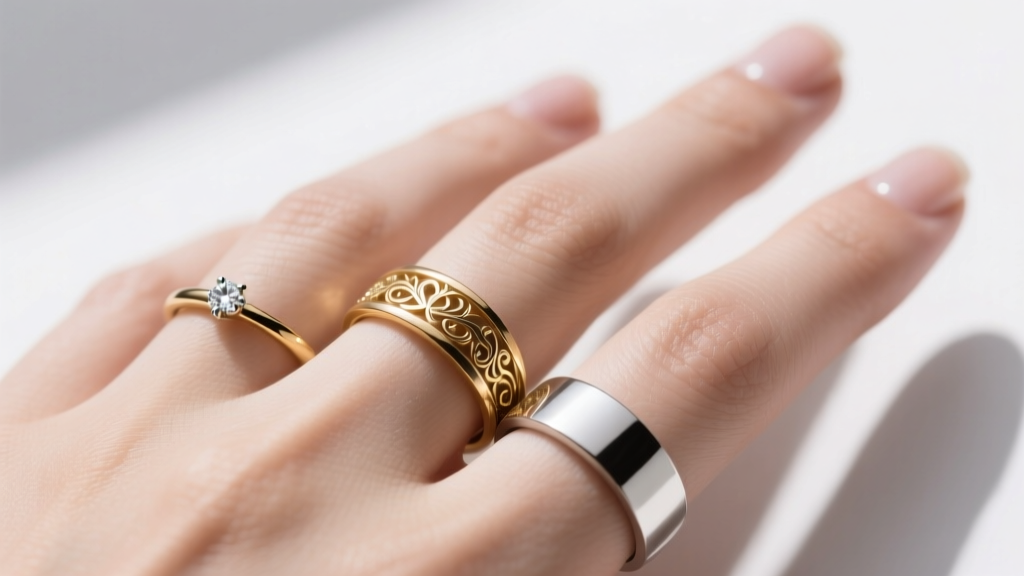 Wedding Ring and Band Stacking Rules (2026)
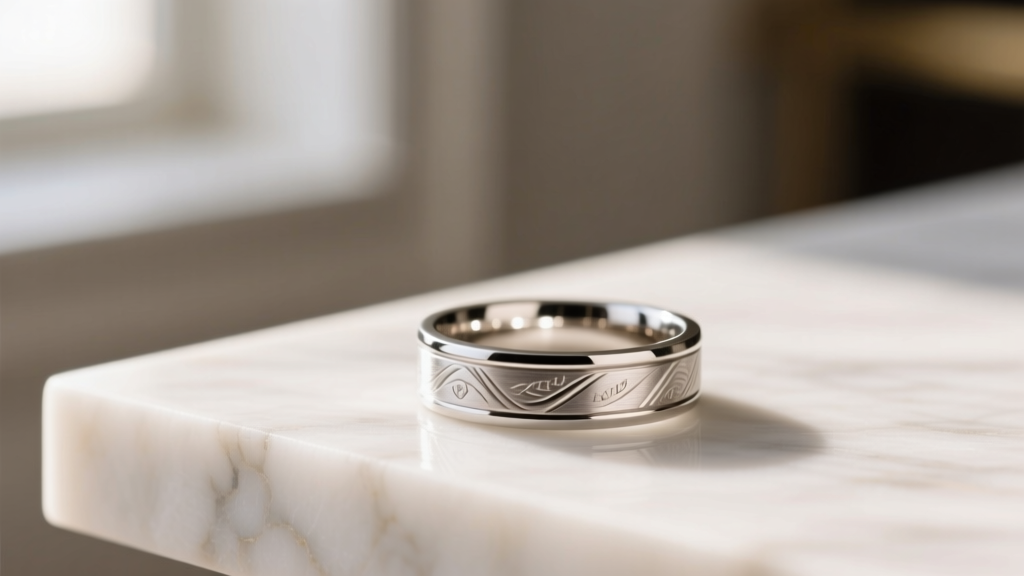 How to Identify Quality Craftsmanship in Wedding Bands
 The Practical, Ethical, and Timeless Proposal Ring Buying Guide