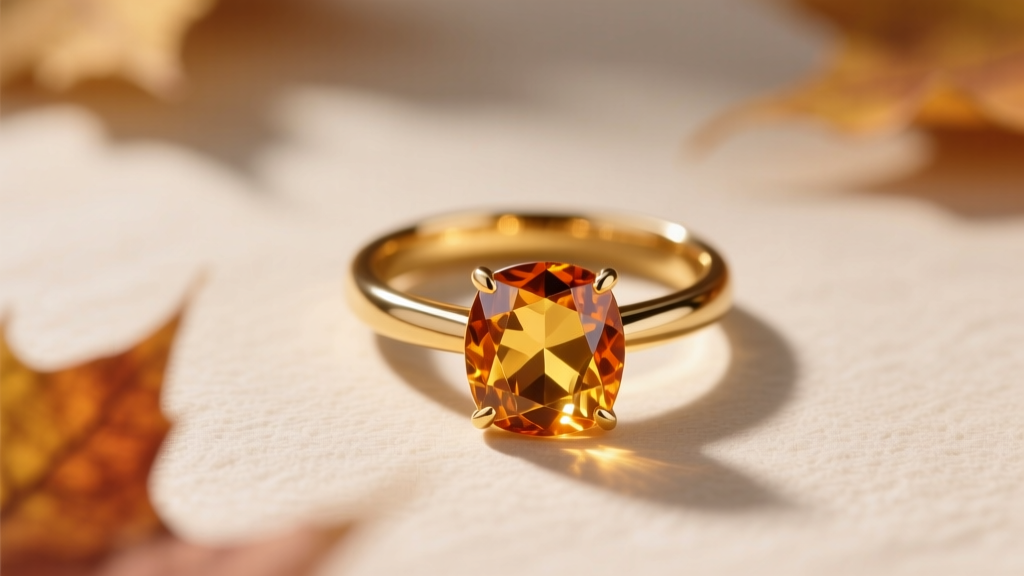
Citrine Engagement Rings Warm Golden Autumn Tones
Citrine engagement rings bring a different kind of sparkle to the engagement ring conversation—one that feels sunlit, golden, and quietly confident. While diamonds and sapphires dominate many ring cases, citrine offers a warm amber-to-honey glow that flatters a wide range of skin tones and looks especially stunning in fall and winter lighting. For couples who want an engagement ring that feels personal, optimistic, and a little unexpected, citrine is a compelling choice.
This gemstone also speaks to modern values: distinctive style, thoughtful budgeting, and designing a ring that fits your life. Citrine can look luxurious in the right cut and setting, yet it’s often more accessible than many traditional center stones. The key is knowing what to look for—color quality, durability, smart setting choices, and the right metal pairing—so your ring wears beautifully for years.
Why Citrine Makes a Meaningful Engagement Ring Stone
Citrine is the golden variety of quartz, known for hues ranging from pale lemon to deep orange-brown. Many couples love its cheerful “forever sunshine” vibe, and it pairs naturally with autumn-inspired wedding palettes—think terracotta, marigold, champagne, and warm neutrals.
Symbolism and style appeal
- Warmth and joy: Citrine is often associated with positivity, abundance, and warmth—easy symbolism for a new chapter.
- Distinctive but wearable: It stands out from the classic diamond look without feeling costume-like when chosen and set well.
- Mixes with modern and vintage aesthetics: Citrine looks equally at home in sleek minimalist solitaires and ornate halo or filigree designs.
Understanding Citrine: Color, Clarity, and Treatments
Color: the number one value driver
For citrine engagement rings, color is the main quality factor. The most desired tones are usually:
- Saturated golden yellow: Bright, clean “sun-kissed” color that looks lively in most lighting.
- Honey or amber: Rich warmth with depth—especially flattering in yellow or rose gold settings.
- Madeira citrine: A deeper orange to reddish-orange tone; prized for its autumn intensity.
Very pale citrine can look washed out once set, while overly brownish stones may read darker than expected indoors. Ask to see the stone in multiple lighting environments—daylight, indoor warm lighting, and indirect shade—before committing.
Clarity and sparkle
Citrine is typically eye-clean, meaning inclusions are often minimal or not visible without magnification. Since quartz is transparent, a well-cut citrine should show crisp facets and lively brilliance. If the stone looks “sleepy” or glassy, it may be poorly cut or too dark in tone.
Natural vs. heat-treated
Many citrines on the market are heat-treated amethyst or smoky quartz, producing the warm yellow-orange color. This is common and generally accepted in the jewelry industry. What matters is transparent disclosure, attractive color, and a cut that maximizes brightness. If you want a fully natural, unheated stone, ask specifically and consider requesting documentation from a reputable jeweler.
Durability: Is Citrine Good for an Everyday Engagement Ring?
Citrine ranks 7 on the Mohs hardness scale. That’s reasonably durable, but softer than sapphire (9) and diamond (10). For daily wear, it can absolutely work—especially if you choose a protective setting and understand a few care basics.
Best setting choices for long-term wear
- Bezel setting: A metal rim encircles the stone, shielding edges from knocks. Excellent for active lifestyles.
- Half-bezel: Modern look with strong protection at key points.
- Cathedral setting: Raised shoulders add support and help guard the center stone.
- Low-profile prong setting: If you love prongs, opt for a lower, sturdier build with thicker claw or rounded prongs.
For citrine, avoid ultra-high settings that snag, and be cautious with sharp corners in exposed cuts unless the setting is designed to protect them.
Best Cuts for Citrine Engagement Rings (and Why They Matter)
Cut quality is where citrine rings can go from “pretty” to “jaw-dropping.” Quartz shows light return well when proportions are right, and citrine’s warmth looks especially vibrant in certain shapes.
Top citrine-friendly cuts
- Oval cut: Elongates the finger and intensifies color presence; a top pick for modern engagement rings.
- Cushion cut: Soft corners, vintage charm, and great depth for honey and Madeira tones.
- Round brilliant: Classic sparkle; easiest to pair with most ring settings and wedding bands.
- Emerald cut: Sleek and timeless, but demands higher clarity and strong color since facets are broader and more transparent.
- Pear cut: Romantic and flattering; looks stunning with halo or three-stone designs.
If you’re considering princess or radiant cuts, make sure corners are protected with V-prongs or a bezel—those points are vulnerable.
Metal Pairings: Yellow Gold, Rose Gold, White Metals, and Platinum
The right metal choice shapes how your citrine reads—golden, peachy, or more contrasty and bright. This is also where you can align the ring with your wedding band for a cohesive bridal set.
Yellow gold: the seamless classic
14k or 18k yellow gold enhances citrine’s warmth and gives a timeless, heirloom feel. Yellow gold is especially beautiful with honey and Madeira citrine. If you want a traditional engagement ring look with a nontraditional center stone, yellow gold is your best friend.
Rose gold: romantic and trend-forward
Rose gold creates a soft, romantic glow and is a strong match for deeper orange citrine. It’s also a current jewelry trend—particularly for couples who love a slightly vintage, slightly modern aesthetic.
White gold or platinum: crisp contrast
White metals (14k white gold or platinum) provide contrast that can make a golden citrine pop. This pairing leans modern and pairs easily with diamond-accented wedding bands. If choosing white gold, ask about rhodium plating maintenance over time.
Popular Citrine Engagement Ring Styles: From Timeless to Trending
Solitaire citrine engagement rings
A solitaire setting showcases the stone’s color—perfect for couples who prefer clean lines and timeless simplicity. Choose a slightly thicker band for durability, especially if the stone is over 2 carats.
Halo settings for extra sparkle
A diamond halo adds brightness and makes the center look larger. This style is especially flattering for paler citrine, giving it a more “lit from within” effect. Consider a micro-pavé halo for a delicate look or a chunkier halo for vintage drama.
Three-stone rings and meaningful side stones
Three-stone citrine rings are popular for symbolism and balance. Diamond side stones keep the look classic, while champagne diamonds, morganite, or white sapphire can soften the palette for an autumn-toned bridal set.
Vintage-inspired filigree and milgrain
Engraving, milgrain edges, and filigree details are timeless classics that suit citrine’s old-world warmth. These designs also photograph beautifully, which matters more than many couples expect when they see their ring in engagement photos.
Price Range and Value Tips
Citrine is generally more affordable than many traditional center stones, but pricing still varies based on color saturation, cut quality, carat weight, and the overall craftsmanship of the ring.
- Center stone (loose citrine): Many beautiful options fall roughly in the $50–$500+ range depending on size and quality, with exceptional Madeira tones and precision cuts higher.
- Simple citrine solitaire ring: Often $300–$1,200 in gold, depending on carat size and build quality.
- Halo or pavé styles: Commonly $800–$2,500+, depending on diamond weight and metal choice.
- Platinum or detailed custom designs: Often $1,500–$4,000+.
Best value moves
- Prioritize cut over carat: A slightly smaller, well-cut citrine will outshine a larger dull one.
- Choose 14k gold for durability and budget balance: Strong, wearable, and typically less expensive than 18k.
- Consider protective settings: A bezel can save money long-term by reducing damage risk.
- Spend on craftsmanship: Prongs, stone setting, and band thickness matter more for everyday wear than most couples realize.
Practical Buying Tips for Couples Shopping Together
- Ask for real-life photos or videos: Citrine shifts in warmth depending on lighting; a quick video in daylight is ideal.
- Check the ring’s profile height: If the wearer uses gloves, works with hands, or prefers low-maintenance jewelry, keep the setting low.
- Match the wedding band early: Some engagement ring settings (especially halos and cathedral shoulders) need a curved or notched band to sit flush.
- Confirm return and resizing policies: Citrine rings are often custom-set; make sure size adjustments are possible without compromising the setting.
- Request a stone security check: A reputable jeweler will confirm prong tightness and overall build quality.
Caring for a Citrine Engagement Ring
With smart care, citrine can stay bright and beautiful. Most problems come from harsh chemicals, rough impact, and improper cleaning.
Safe cleaning routine
- Use warm water, mild dish soap, and a soft toothbrush.
- Rinse thoroughly and pat dry with a lint-free cloth.
- Clean weekly if worn daily, especially if the ring has pavé diamonds where lotion can build up.
What to avoid
- Ultrasonic cleaners: Can loosen stones or aggravate existing fractures.
- Steam cleaning: Rapid heat changes can stress gemstones and settings.
- Chemicals: Remove your ring for bleach, chlorine, and strong household cleaners.
- Prolonged intense heat or direct sunlight: Generally fine in everyday life, but avoid leaving it in extreme conditions (like on a sunny windowsill for long periods).
Common Mistakes to Avoid When Shopping for Citrine Rings
- Choosing a stone that’s too pale: It may look bright under store lighting but fade visually in normal indoor settings.
- Ignoring setting protection: Exposed corners and high prongs increase chipping risk.
- Buying based only on carat weight: Cut precision and color saturation are what make citrine look premium.
- Overly thin bands: Ultra-slim shanks can warp over time, especially with larger center stones.
- Forgetting band coordination: A gorgeous engagement ring can become frustrating if the wedding band won’t sit well next to it.
FAQ: Citrine Engagement Rings
Are citrine engagement rings durable enough for everyday wear?
Yes, with the right setting and habits. Citrine is a 7 on the Mohs scale, so it’s best paired with protective settings like bezels or sturdy low-profile prongs, and it should be removed during heavy work, sports, or cleaning.
What metal looks best with citrine?
Yellow gold and rose gold enhance citrine’s warmth and are timeless choices for autumn tones. White gold or platinum offers crisp contrast and a more modern engagement ring look, especially with diamond accents.
Does citrine fade over time?
Citrine is generally stable for normal wear, but avoid prolonged exposure to extreme heat or harsh sunlight conditions. Most “fading” complaints are actually due to surface buildup from lotions and soaps—regular gentle cleaning restores brightness.
Is citrine a good alternative to yellow diamond?
Visually, citrine can deliver a similar warm glow at a much more accessible price. The main difference is durability: diamonds are harder and more scratch-resistant, so citrine benefits from a more protective setting and mindful wear.
What wedding bands pair well with a citrine engagement ring?
Classic options include a plain gold band (timeless), a pavé diamond band (adds sparkle), or a chevron/curved band (helps fit around halos and larger center settings). Matching metal color typically creates the most cohesive bridal set.
Next Steps: Finding the Right Citrine Ring for Your Love Story
If you’re drawn to warm golden autumn tones, a citrine engagement ring can be a standout choice—romantic, distinctive, and easy to personalize with the right cut, setting, and metal. Focus on rich, lively color, choose a protective setting built for daily wear, and consider how your wedding band will sit alongside it. That combination is what turns a beautiful gemstone into a lasting engagement ring you’ll love seeing on your hand every day.
For more guidance on engagement ring styles, gemstone alternatives, metal types, and matching wedding bands, explore more jewelry guides on weddingsift.com.
More Articles
 How to Choose a Wedding Band With a Woven Design
 How to Choose an Engagement Ring With a Split Shank
 Platinum Wedding Ring Value: Real 2026 Worth
 How to Wear a Wedding Set: Rules & Cultural Tips
 How to Choose a Wedding Band With a Polished Finish
 Best Wedding Bands for Emerald Cut Rings (2026)
 How to Choose an Engagement Ring With a Tension Setting
 Wedding Band Metal Choice: Avoid Regret (2026)
 Paraiba Tourmaline Electric Blue Neon
 Wedding Band Thickness vs Engagement Ring: 3 Rules (2026)