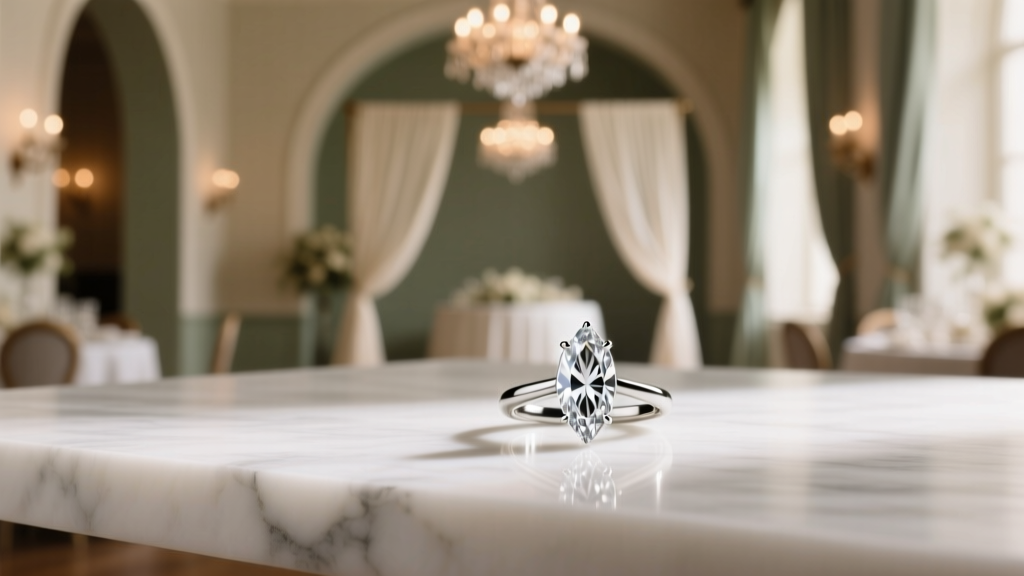
How to Choose an Engagement Ring With a Marquise Diamond
The marquise diamond has a way of turning heads without trying too hard. Its long, tapered silhouette looks elegant from across the room, and up close it has a lively, almost “cat-eye” brilliance that feels both vintage and modern. For couples shopping for engagement rings and wedding bands, a marquise can be the perfect choice when you want something timeless, flattering on the hand, and a little less expected than a round.
That said, marquise diamonds come with a few unique quirks—bow-tie shadows, pointed tips that need protection, and proportions that can dramatically change how the ring looks on the finger. Choosing well means understanding how cut quality, setting style, metal choice, and craftsmanship all work together. This guide breaks it down the way a jeweler would: clear, practical, and focused on what you’ll actually see and feel once you wear it every day.
Why Choose a Marquise Diamond?
A marquise diamond (also called a “navette” cut) is an elongated shape with pointed ends. It’s beloved for its flattering, finger-lengthening look and its strong “spread,” meaning it can appear larger than other shapes of the same carat weight.
What makes marquise engagement rings special
- Looks larger per carat: The long outline covers more surface area than many cuts, giving impressive finger coverage.
- Elegant and distinctive: It reads classic, but it’s not as common as oval or round—great if you want something personal.
- Versatile styling: Works beautifully in solitaire engagement rings, halo settings, east-west designs, and vintage-inspired rings.
Understanding Marquise Cut Quality: What to Look For
With marquise diamonds, “cut” is where the beauty lives. Two stones with identical carat weight and color can look completely different depending on symmetry, proportions, and how well the facets are aligned.
Ideal proportions and shape preferences
Many shoppers like a length-to-width ratio between 1.75 and 2.25, but there’s no single “correct” ratio. Here’s how the look changes:
- 1.75–1.90: Slightly wider, a fuller look; often feels more modern and bold.
- 1.90–2.10: A balanced “classic marquise” silhouette; elegant and widely flattering.
- 2.10–2.25+: Long and slender; dramatic, sleek, and very finger-lengthening.
Also check the outline. A well-cut marquise should look symmetrical, with evenly matched “shoulders” and tips that align on a straight center axis.
Bow-tie effect: how to judge it
Many marquise diamonds show a bow-tie—a darker band across the center caused by light leakage. A little contrast is normal and can even add character, but a strong, obvious bow-tie can make the diamond look dull.
- View the diamond in multiple lighting environments (daylight, office lighting, warm indoor light).
- Look for lively sparkle across the whole stone, not just at the ends.
- If shopping online, prioritize HD video and ask for a gemologist’s assessment of bow-tie visibility.
Polish, symmetry, and certification
Because marquise diamonds rely on crisp geometry, aim for Excellent/Very Good polish and symmetry on a respected lab report (GIA or AGS when available; IGI is common for modern retail and can be fine). Symmetry matters in the tips and side curves—small inconsistencies are easy to see once the stone is set.
Choosing the Right Setting for a Marquise Diamond
The setting does more than hold the stone—it protects the tips, affects sparkle, and defines whether your ring feels minimalist, vintage, or trend-forward.
Prong and bezel options (and why tip protection is non-negotiable)
- V-prongs (recommended): V-shaped prongs wrap the pointed ends, protecting the most vulnerable parts of the diamond from chips.
- Six-prong solitaires: Adds security along the sides; great for active lifestyles.
- Half-bezel or full bezel: Strong protection and a sleek look; ideal if you want a low-maintenance engagement ring.
Avoid exposed tips. Even with careful wear, the points are the first area to take a hit against countertops, doorknobs, and gym equipment.
Popular marquise engagement ring styles (trends + classics)
- Classic solitaire: Timeless, clean, and shows off the marquise shape. A favorite for couples who want a forever style.
- Halo setting: Adds sparkle and visual size; can soften the pointed shape. Micro-pavé halos remain popular, but many are shifting toward slightly bolder halos for easier upkeep.
- Three-stone: Side stones (tapered baguettes, half-moons, or trillions) make a marquise center feel luxe and balanced.
- East-west marquise: Set horizontally across the finger—very current and fashion-forward, especially in bezel or low-profile designs.
- Vintage-inspired: Milgrain edges, engraved shanks, or floral details pair beautifully with marquise diamonds, echoing antique heirloom rings.
Band width and height: comfort and durability
Marquise diamonds often look best with a thoughtfully proportioned shank. Ultra-thin bands can look delicate but may warp over time.
- Band width: Many jewelers recommend 1.8–2.2 mm for everyday durability (wider if you prefer a bolder look).
- Setting height: Higher settings can increase light and presence but are easier to knock. Low-profile or cathedral settings offer a good balance.
Metal Choices: How Platinum and Gold Change the Look
The best metal for a marquise engagement ring depends on your lifestyle, aesthetic, and whether you plan to stack a wedding band flush.
Platinum
Platinum is naturally white, dense, and very durable for prongs—excellent for securing marquise tips. It develops a soft patina over time rather than losing metal, which many people love for a lived-in, heirloom feel.
White gold
14k or 18k white gold gives a bright white look, usually enhanced by rhodium plating. It’s a great value option, but expect periodic re-plating depending on wear.
Yellow gold and rose gold
Yellow gold is a timeless classic and makes a marquise feel warm and vintage. Rose gold adds a romantic, modern twist and can be especially striking with a minimalist marquise solitaire.
Mixed metals (a current favorite)
One of today’s biggest engagement ring trends is mixed-metal craftsmanship—for example, a platinum head/prongs with a yellow gold shank. You get the security of a strong white metal at the setting while keeping the warmth of gold on the band.
Diamond Quality Factors for Marquise Stones: Color, Clarity, and Carat
Color: what looks “white” in a marquise
Because marquise diamonds have pointed ends that can concentrate color, many shoppers prefer G–H color in white metals. In yellow or rose gold, you can often go H–J while still looking beautifully bright.
Clarity: where inclusions show up
Marquise diamonds can hide some inclusions well due to their faceting, but inclusions near the tips can be a concern (both visually and structurally). A smart range for many couples is VS2–SI1, aiming for “eye-clean” rather than chasing high grades that don’t change what you see.
Carat weight and “spread” value
If you’re choosing between two stones, compare their millimeter measurements, not just carat weight. A well-proportioned marquise can face up larger than a round of the same carat, which is one reason marquise engagement rings are considered strong value.
Practical Buying Tips for Marquise Engagement Rings
- Prioritize cut appearance over paper stats: Use videos, in-person viewing, and vendor notes about light performance and bow-tie.
- Insist on protected tips: V-prongs or bezel coverage should be part of the design from day one.
- Try on multiple ratios: The same carat weight can look dramatically different depending on the length-to-width ratio and your finger size.
- Plan the wedding band early: Ask whether your engagement ring will sit flush with a straight wedding band or if you’ll need a curved/contoured band.
- Check craftsmanship details: Smooth prong finishing, even pavé spacing, and a sturdy gallery are signs of quality you’ll appreciate over years of wear.
Care and Maintenance: Keeping a Marquise Ring Secure and Sparkly
Marquise diamonds are durable, but the shape demands a little extra attention at the tips and prongs.
- Clean regularly: Soak in warm water with mild dish soap, then use a soft toothbrush around prongs and under the stone. Rinse well and pat dry.
- Schedule inspections: Have prongs checked every 6–12 months, especially V-prongs at the tips.
- Remove for high-impact activities: Weightlifting, gardening, moving furniture, and some sports are common times for prongs to snag or loosen.
- Store safely: Keep the ring in a fabric-lined box or separate compartment so the tips don’t scratch other jewelry.
Price Range and Value Tips
Marquise diamond engagement rings can fit a wide range of budgets, depending on the diamond’s size and quality and whether the setting includes pavé or a halo.
- Entry level: A smaller marquise (often around 0.50–0.75 ct) in a simple 14k gold solitaire can be one of the most budget-friendly ways to get a distinctive diamond shape.
- Mid-range: Around 1.00–1.50 ct with strong cut appearance, VS2–SI1 clarity, and a quality setting (solitaire, modest pavé, or a delicate halo) is a sweet spot for many couples.
- Premium: Larger carat weights, higher color/clarity, designer craftsmanship, platinum, or intricate vintage detailing raise the investment.
Value tips: Choose a slightly warmer color grade in yellow/rose gold, shop for “eye-clean” clarity rather than high clarity on paper, and compare millimeter dimensions to ensure you’re paying for visible presence—not hidden weight in depth.
Common Mistakes to Avoid
- Buying a marquise with a strong bow-tie: It can make the center look dark and reduce sparkle in everyday lighting.
- Skipping V-prongs or tip coverage: Unprotected points are a chip risk—especially for daily wear engagement rings.
- Going too thin on the band: Super-slim shanks can bend, especially with a larger center stone.
- Choosing by carat weight only: Two 1.00 ct marquise diamonds can look very different in size; dimensions matter.
- Forgetting the wedding band fit: Some settings require a contoured wedding band to sit nicely, which affects your overall budget and look.
FAQ: Marquise Diamond Engagement Rings
Do marquise diamonds sparkle as much as round diamonds?
A well-cut marquise can sparkle beautifully, with a mix of bright flashes and scintillation. Rounds are the most consistently brilliant, but a strong marquise cut (with minimal bow-tie and good symmetry) can look exceptionally lively—especially in real-world lighting.
Are marquise diamonds more likely to chip?
Any diamond can chip with enough impact, but marquise points are more vulnerable than rounded corners. The best prevention is a secure setting with V-prongs or a bezel and routine prong inspections.
What’s the best setting for a marquise diamond?
For most lifestyles, a solitaire with V-prongs, a cathedral setting for added support, or a bezel/half-bezel for maximum protection are top choices. If you love extra sparkle, a halo can be stunning—just make sure the craftsmanship is solid and the ring isn’t too high.
Can a marquise engagement ring sit flush with a wedding band?
Some marquise settings allow a straight wedding band to sit flush, especially if the setting is raised or designed with clearance. Many require a curved or contoured wedding band. It’s best to try the pairing or ask for band-fit details before purchasing.
What metal looks best with a marquise diamond?
Platinum and white gold emphasize a crisp, bright look. Yellow gold and rose gold add warmth and a vintage or romantic feel. Mixed metals are also trending and can be a smart way to combine durability with the color you love.
Is a marquise diamond a good choice for everyday wear?
Yes—when it’s set correctly. Choose protective prongs, a durable band width, and a setting height that suits your daily routine, and keep up with routine maintenance.
Next Steps: Choose a Marquise Ring That Fits Your Life and Style
If you love an elegant silhouette, want strong finger coverage for your budget, and appreciate a ring that feels both classic and fresh, a marquise diamond engagement ring is a standout choice. Focus on cut appearance (especially bow-tie and symmetry), protect the tips with thoughtful setting design, and select a metal and band structure that can handle everyday wear. Once those fundamentals are right, the rest—solitaire vs. halo, east-west vs. north-south, vintage details vs. modern minimalism—becomes the fun part.
For more guidance on engagement rings, wedding bands, diamond shapes, and metal options, explore our other jewelry guides on weddingsift.com.
More Articles
 Wedding Rings: Types & How to Choose (2026)
 Wedding Band Metals Compared: Pros and Cons
 Men's Wedding Band Weight: Grams by Metal & Fit (2026)
 Complete Budget Essentials: A Practical Metalsmith’s Guide to Starting Jewelry Making Under $500
 Colored Gemstone Engagement Rings Buying Guide
 Wedding Bands: History, Symbolism & Modern Rules (2026)
 Best Metal Colors for Wedding Jewelry
 How to Start a Jewelry-Making Budget: A Practical, Step-by-Step Guide for Beginners
 How to Choose an Engagement Ring With a Twisted Band
 Opal Engagement Rings Unique Beauty and Fragility