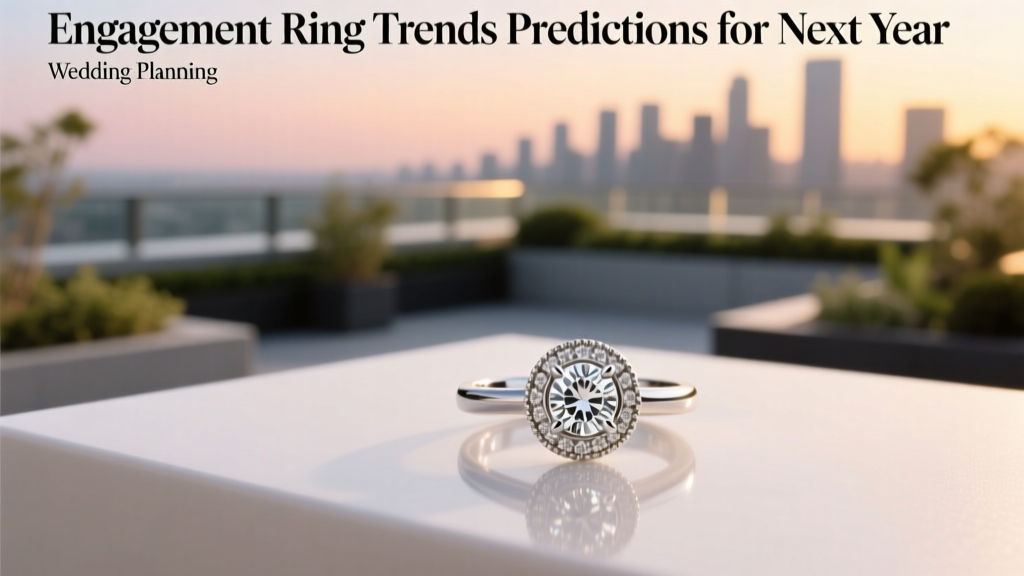
Engagement Ring Trends Predictions for Next Year
Engagement rings may be small, but they carry big expectations: daily wear, lasting comfort, meaningful symbolism, and—let’s be honest—“wow” factor in photos for years to come. Every year brings fresh engagement ring trends, yet the best rings aren’t just fashionable; they’re thoughtfully made, suited to your lifestyle, and chosen with quality in mind.
Next year’s engagement ring landscape is shaping up to be a balance of statement design and practical longevity. Couples are asking smarter questions about diamond quality, lab-grown vs. natural diamonds, responsible sourcing, durable settings, and how a ring will pair with wedding bands. Below are the trends you’re likely to see everywhere—plus how to shop them confidently and avoid the common pitfalls.
Trend Forecast: What Engagement Rings Will Look Like Next Year
1) Elongated center stones (oval, emerald, marquise) keep rising
Elongated cuts have become a favorite because they offer an elegant silhouette and often create a “larger-looking” face-up appearance for the same carat weight. Next year, expect even more ovals, emerald cuts, marquise, and elongated cushion cuts—often set with clean, minimal prongs and a supportive gallery.
- Oval cut: brilliant sparkle, flattering on the finger, very popular for solitaires and halos.
- Emerald cut: step-cut “hall of mirrors” effect; rewards higher clarity and precision cutting.
- Marquise: dramatic, vintage-meets-modern; looks stunning with tapered side stones.
Quality tip: For ovals and marquise, watch for a “bow-tie” (a darker shape across the center). A slight bow-tie is normal; a strong one can reduce brightness. For emerald cuts, prioritize cut quality and clarity since inclusions are easier to see in step cuts.
2) Thicker bands and comfort-fit shanks replace ultra-thin looks
Ultra-thin “dainty” bands have been trending for years, but more couples are now prioritizing durability. Next year’s engagement ring trends point to bands around 1.8–2.2mm (or more) for better long-term wear, especially for rings worn every day. Comfort-fit interiors (slightly rounded inside edges) are also gaining traction for a smoother feel.
Craftsmanship detail: A well-made band should feel balanced—not top-heavy—and should have enough metal under the setting to support future resizing and maintenance.
3) Bold solitaires with refined settings
Classic solitaire engagement rings aren’t going anywhere. What’s changing is the engineering: more “quiet luxury” details like claw prongs, sculpted baskets, cathedral shoulders, and hidden halos that add sparkle from the side without overwhelming the center stone from the top view.
- Cathedral setting: arches of metal rise to support the center stone—often more secure than ultra-low baskets.
- Hidden halo: small diamonds around the basket for side sparkle; great for those who want subtle detail.
- Claw prongs: a refined, minimal look that can make the center stone feel larger.
4) Three-stone rings with personality (not just classic rounds)
Three-stone engagement rings are forecasted to stay strong, especially with unexpected side stone shapes: half-moons, trapezoids, tapered baguettes, and pears. The appeal is both aesthetic and symbolic—past, present, future—while delivering extra presence without needing an enormous center stone.
Buying insight: Make sure side stone proportions fit the center stone. Poorly matched side stones can make the ring look unbalanced or distract from the main diamond or gemstone.
5) Yellow gold and mixed metals continue, with platinum gaining fans
Warm metal tones remain popular, especially 14k and 18k yellow gold. Next year, expect even more mixed-metal engagement rings: a yellow gold shank with a platinum or white gold head to keep a diamond looking bright and color-neutral. Platinum is also trending upward for couples who want a naturally white metal with excellent durability.
- 14k gold: durable, great for daily wear; a top pick for active lifestyles.
- 18k gold: richer color, slightly softer; beautiful for classic and vintage styles.
- Platinum: dense and long-wearing; develops a patina over time that many love.
6) Lab-grown diamonds become the mainstream value choice
Lab-grown diamonds are expected to keep growing in popularity because they offer larger size or higher quality (color/clarity) at a lower price compared to natural diamonds. Couples are also looking for transparency around origin and certification. Whether you choose lab-grown or natural, insist on a reputable grading report (GIA or IGI are common).
Value tip: If size matters, lab-grown can help you reach a 1.5–2.0 carat look within a more manageable budget—especially in popular cuts like oval and round.
7) Colored gemstones and meaningful accents
Next year should bring more couples choosing colored gemstones—especially sapphires (blue, teal, peach, or white), emeralds, and rubies. Some opt for a gemstone center; others prefer small accent stones hidden in the gallery or inside the band for a personal touch (birthstones, favorite colors, or family symbolism).
Gemstone durability guide:
- Sapphire (Mohs 9): excellent for everyday engagement rings.
- Ruby (Mohs 9): also excellent; choose well-cut stones for brightness.
- Emerald (Mohs 7.5–8): stunning but more fragile due to inclusions; best with protective settings (bezel/halo) and mindful wear.
- Moissanite (Mohs 9.25): very durable with bold brilliance; a popular diamond alternative.
Timeless Classics That Still Win (Even When Trends Change)
If you want a ring that will feel current now and still feel “right” in 20 years, these classics remain the safest bets:
- Round brilliant solitaire in a 4- or 6-prong setting
- Classic pavé band (with sensible band width and quality setting work)
- Princess or cushion cut for a traditional silhouette with strong sparkle
- Bezel setting for a sleek, secure, everyday-friendly choice
How to Evaluate Quality: Diamonds, Gemstones, and Craftsmanship
Diamond quality factors (beyond the basics)
You’ll hear about the 4Cs—cut, color, clarity, carat—but next year’s shopping focus is on smart trade-offs:
- Cut: the #1 driver of sparkle in round brilliants. For rounds, look for Excellent/Ideal cut grades and strong light performance.
- Color: in white metals, many couples prefer D–H; in yellow gold, I–J can still look beautifully bright.
- Clarity: “eye-clean” is the goal. Many shoppers land in VS2–SI1 depending on cut and stone type (step cuts typically need higher clarity).
- Shape-specific checks: ovals and pears need symmetry and balanced proportions; emerald cuts need clean facet lines and minimal visible inclusions.
Setting and metalwork quality
Even a gorgeous diamond can feel disappointing in a poorly made setting. Look for:
- Secure prongs with even spacing and sufficient metal at the tips
- Smooth finishing (no sharp edges that snag fabric)
- Solid gallery support under the center stone (especially for larger carat sizes)
- Pavé workmanship: small diamonds should sit evenly with consistent bead/prong work
Buying Tips for Next Year’s Engagement Ring Trends
- Match the ring to lifestyle: If you’re active or hands-on, prioritize bezel settings, thicker bands, and lower profiles.
- Plan the wedding band pairing early: Straight bands may not sit flush with some settings. Ask about “flush fit,” curved bands, or custom contour bands.
- Try on multiple shapes: Finger coverage and visual size vary dramatically between cuts—1.5 carats oval often faces up larger than a 1.5 carats round.
- Ask for certification: For diamonds, request GIA or IGI reports; for colored gemstones, ask about treatments (heat, oiling, irradiation) and any lab documentation.
- Don’t ignore comfort: A comfort-fit band and well-balanced setting can make a big difference in daily wear.
Care and Maintenance: Keep Your Ring Looking New
Trendy or classic, engagement rings need routine care:
- Clean weekly at home: warm water, mild dish soap, and a soft toothbrush. Rinse well and pat dry with a lint-free cloth.
- Avoid harsh chemicals: remove rings for cleaning products, chlorine, and heavy lotions that can dull metal and trap residue.
- Schedule professional checks: every 6–12 months, have prongs inspected and stones tightened if needed—especially for pavé and shared-prong styles.
- Store safely: keep rings in a fabric-lined box or separate pouch to prevent scratching (diamonds can scratch other jewelry).
Gemstone note: Emeralds and opals require extra care—avoid ultrasonic cleaners unless a jeweler confirms it’s safe for your specific stone and setting.
Price Range Considerations and Value Tips
Engagement ring prices vary widely based on center stone type, carat size, metal, and craftsmanship. Here’s a realistic way to think about value next year:
- Setting-only costs: a well-made solitaire in 14k/18k gold typically costs less than intricate pavé or three-stone designs. Platinum usually costs more due to metal density and labor.
- Lab-grown vs. natural diamonds: lab-grown diamonds typically offer lower upfront cost for similar visual impact. Natural diamonds often carry rarity value and traditional resale perceptions.
- Spend where it shows: prioritize cut quality and a secure setting. A slightly lower color grade in yellow gold can free budget for better cut or a more protective design.
- Consider total ring height and durability: very delicate settings may require more repairs over time—value includes longevity, not just the purchase price.
Common Mistakes to Avoid When Shopping
- Choosing a too-thin band for a large stone: it can warp over time or feel unstable on the finger.
- Focusing on carat weight over cut: a well-cut 1.2 carat diamond can look better than a poorly cut 1.5 carat.
- Ignoring setting height: very high settings snag and knock more easily; very low settings can limit wedding band fit.
- Not checking return, resizing, and warranty policies: resizing eligibility matters, especially for eternity bands or intricate pavé.
- Skipping a real-world try-on: a shape that looks perfect online may not feel right on your hand.
- Overlooking treatments in gemstones: ask what’s been done to the stone and how it affects care and longevity.
FAQ: Engagement Ring Trends and Buying Questions
Are lab-grown diamonds a good choice for an engagement ring?
Yes—lab-grown diamonds are real diamonds with the same physical and optical properties as natural diamonds. They’re popular for value, allowing larger carat sizes or higher color/clarity within budget. Choose a reputable grading report (often IGI for lab-grown) and a well-made setting.
What metal is best for everyday wear: platinum or gold?
Both can be excellent. Platinum is naturally white and very durable, developing a soft patina over time. Fourteen-karat gold is also very durable and often more budget-friendly. If you love warm tones, yellow gold is a classic; if you want maximum whiteness, platinum is a strong pick.
Which diamond shape looks the biggest for the carat weight?
Elongated shapes like oval, marquise, and pear often appear larger face-up than round diamonds of the same carat weight. Emerald cuts can also look substantial due to their broad surface, though they reflect light differently than brilliant cuts.
Do hidden halos and pavé bands require more maintenance?
They can. Any design with many small diamonds may need more frequent prong checks to prevent stone loss. If you love the look, schedule inspections every 6–12 months and remove the ring for heavy activity.
What’s the safest setting style for an active lifestyle?
Bezel settings are among the most secure because they protect the stone’s edges. Low-profile solitaires with sturdy prongs and slightly thicker bands are also great. If you choose a higher setting, consider a cathedral structure for added support.
Next Steps: Choose a Trend That Still Feels Like You
Next year’s engagement ring trends lean toward smarter, longer-lasting design—elongated stones, durable bands, refined solitaires, and personal details like colored gemstones or mixed metals. The best choice is the one that fits your style, your daily routine, and your expectations for long-term wear. Start with a shape you love, select a metal that suits your lifestyle, and don’t compromise on cut quality and secure craftsmanship.
For more expert shopping tips, style comparisons, and wedding band pairing advice, explore more jewelry guides on weddingsift.com.
More Articles
 Lab-Grown vs Natural Diamonds in 2026
 Chlorine and Wedding Rings: What Jewelers Won’t Tell You
 Wedding Band Sizing vs Engagement Ring: Avoid $200+ Resizing
 Men's Wedding Band Weight: Real-World Sizing Guide (2026)
 Black Diamond Engagement Rings Bold and Unique Choice
 Is It Bad Luck to Keep Your Wedding Ring After Divorce?
 Wedding Ring Insurance Costs What to Expect
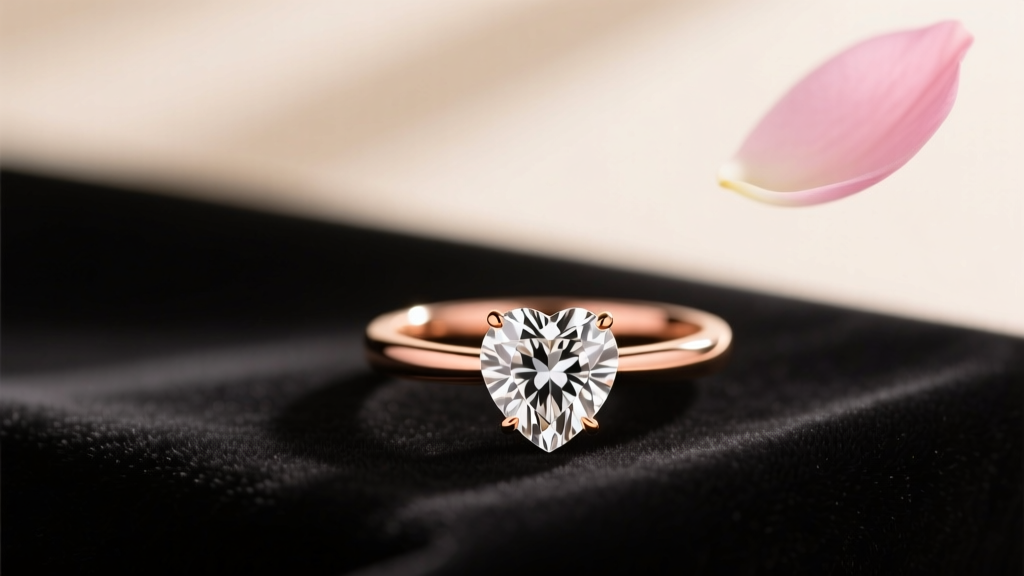 How to Choose an Engagement Ring With a Heart-Shaped Diamond
 Clean Your Engagement Ring at Home Safely
 Anniversary Gifts by Year: Traditional and Modern Guide