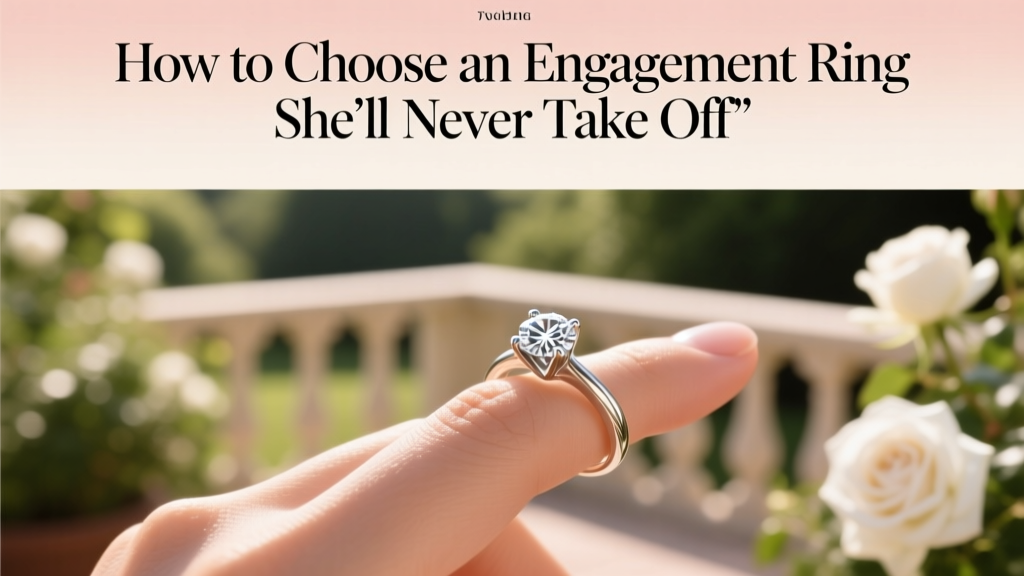
How to Choose an Engagement Ring She Will Never Take Off
An engagement ring isn’t just a “big moment” purchase—it becomes part of her daily uniform. It’s on her hand when she’s commuting, typing, cooking, traveling, celebrating, and doing the ordinary routines that make a life together. The best engagement rings aren’t only beautiful in a box; they’re comfortable, durable, and designed to suit her style so well she forgets she’s wearing it (until someone compliments it).
Choosing an engagement ring she will never take off comes down to three things: how it fits her lifestyle, how it reflects her taste, and how well it’s made. Get those right, and the ring becomes effortless—something she reaches for instinctively every morning.
This guide breaks down the key decisions—gemstones, metals, ring settings, diamond cuts, craftsmanship details, and budget priorities—so you can shop confidently for a ring she’ll love for decades.
Start With Her Lifestyle: The “Everyday Wear” Test
Before comparing diamond grades or scrolling settings, think about how she uses her hands day-to-day. A ring she never takes off must be designed for real life.
Active hands, practical priorities
- Hands-on job or hobbies: healthcare, fitness, gardening, pottery, climbing—look for low-profile settings (like a bezel or secure prongs) and durable stones.
- Office/tech lifestyle: comfort-fit bands, smooth edges, and settings that don’t snag sweaters or hair matter more than you’d expect.
- Frequent traveler: consider secure settings, insurance, and a stone shape less prone to chipping (round, cushion) or a bezel for extra protection.
Comfort details that make a ring “disappear” on the hand
- Band width: 1.8–2.2mm is common for delicate looks; 2.2–3.0mm feels more substantial and can improve durability. Very thin bands can bend over time.
- Comfort fit: a slightly rounded interior reduces pressure points and helps the ring slide over knuckles more easily.
- Low profile: a center stone set closer to the finger is less likely to catch on fabrics and feels safer for everyday wear.
Choose the Center Stone: Diamond vs. Alternatives
The center stone sets the tone—classic, modern, bold, minimalist. Today’s engagement ring trends include lab-grown diamonds, fancy shapes, and colored gemstones, but timeless classics remain popular for a reason: they wear well and match everything.
Diamonds (natural and lab-grown)
Diamonds remain the most popular engagement ring gemstone because they’re hard (10 on the Mohs scale), brilliant, and easy to maintain with routine cleaning. Lab-grown diamonds are a major current trend because they offer the same optical and physical properties as natural diamonds, often at a lower price per carat.
- Natural diamond: traditional, long-established market, often higher cost.
- Lab-grown diamond: excellent value for size and quality, widely available in top color/clarity grades.
Moissanite: sparkle-forward and durable
Moissanite is extremely durable (about 9.25 on Mohs) and known for fiery sparkle. It’s a great choice for couples who love maximum brilliance and want strong value. If she prefers a “diamond-like but different” look, moissanite is worth considering.
Colored gemstones: sapphire, ruby, emerald
Gemstone engagement rings are a stylish classic—especially sapphires, which are durable (9 on Mohs) and available in many colors beyond blue (peach, pink, teal, green). Emeralds are gorgeous but softer and more prone to surface wear; they can be “everyday rings,” but they require a protective setting and more mindful wear.
- Sapphire: best for daily wear; excellent for halos and three-stone rings.
- Ruby: durable and vibrant; looks striking in yellow gold.
- Emerald: iconic, romantic, higher care needs; choose protective bezels or sturdy prongs.
Pick a Diamond Cut and Shape That Matches Her Style
When shoppers say “cut,” they often mean shape (round, oval, emerald). Jewelers also use “cut quality” to describe how well a diamond is proportioned and finished—this affects sparkle dramatically.
Popular shapes: trends and timeless picks
- Round brilliant: the most timeless; maximizes sparkle; easiest shape to match with bands.
- Oval: a top trend; elongates the finger; can look larger per carat than round. Choose carefully to avoid noticeable “bow-tie” shadowing.
- Emerald cut: elegant, mirror-like flashes; shows clarity more than brilliant cuts—prioritize clarity and a clean-looking stone.
- Princess: sharp, modern sparkle; corners need protection in the setting.
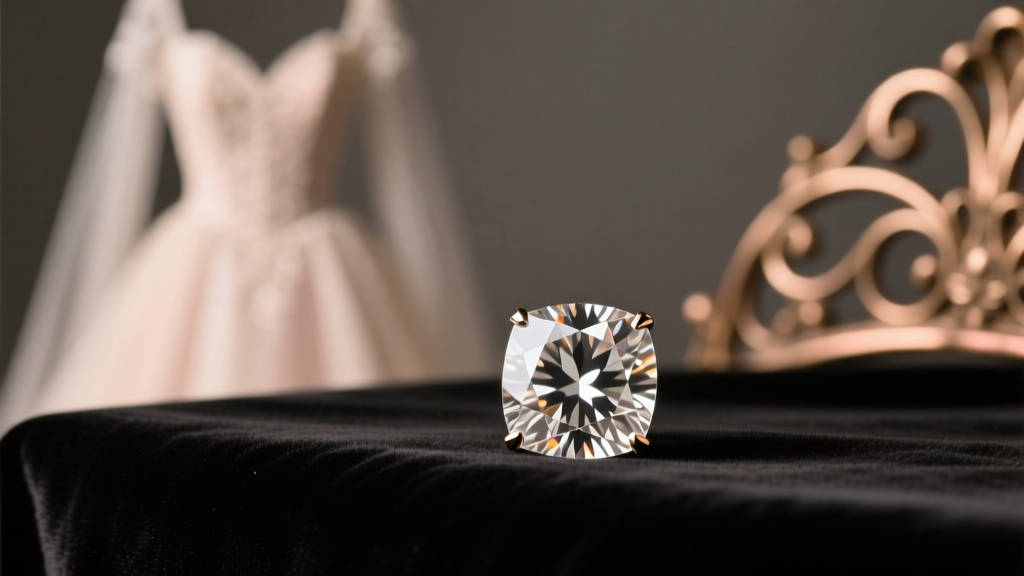
- Cushion: soft, romantic; vintage-friendly; hides inclusions well in many cases.
- Pear and marquise: statement shapes; very flattering; require good symmetry and secure tips.
Cut quality: the sparkle maker
If you’re choosing a round diamond, prioritize cut grade (often “Excellent” on a reputable lab report) before chasing a higher color or clarity. For fancy shapes like oval or cushion, rely on measurements, symmetry, and how it looks in videos—cut grading is less standardized.
Choose a Setting She’ll Love Wearing Every Day
The ring setting determines comfort, security, and style. A gorgeous diamond won’t feel “right” if the setting sits too high, snags constantly, or feels fragile.
Most wearable settings
- Solitaire: timeless, easy to pair with wedding bands; choose a sturdy band and well-made prongs.
- Bezel: modern, sleek, and extremely secure; ideal for active lifestyles and softer gemstones.
- Cathedral: arches add support and classic drama; can still be practical if not overly high.
- Halo: adds sparkle and visual size; look for clean craftsmanship to avoid snagging.
- Three-stone: meaningful and balanced; great for mixing shapes or adding color side stones.
Prongs, bezels, and hidden details
- Prongs: 4-prong shows more diamond; 6-prong adds security (popular for round solitaires). Make sure prong tips are even and smooth.
- Bezel: full bezel is most protective; partial bezel keeps a lighter look while shielding vulnerable edges.
- Hidden halo or gallery details: a current trend that adds sparkle from the side without changing the top view—great for someone who wants subtle “extra.”
Metal Matters: Durability, Color, and Maintenance
Metal choice affects how often the ring needs maintenance and how it looks against her skin tone and wardrobe. The best engagement ring metal is the one that suits her style and holds up to her routine.
Platinum
Pros: naturally white, hypoallergenic, dense and durable. Cons: higher price; develops a soft patina over time (many people love the antique sheen).
14K vs. 18K gold (yellow, white, rose)
- 14K gold: higher durability due to more alloy content; ideal for everyday engagement rings.
- 18K gold: richer color and higher gold content; slightly softer—still wearable, but may show wear sooner.
- White gold: typically rhodium-plated for a bright white finish; may need replating every 1–2 years depending on wear.
- Yellow gold: timeless and trending again, especially with oval and emerald cuts.
- Rose gold: romantic and flattering; hides minor wear well.
Quality Factors That Separate “Pretty” From “Perfect for Life”
The 4Cs (with real-world priorities)
- Cut: the top priority for sparkle, especially in round diamonds.
- Color: many shoppers love the sweet spot of G–I in white metals; J can look warm (beautiful in yellow gold).
- Clarity: aim for “eye-clean.” VS2–SI1 can be excellent values depending on the stone and shape.
- Carat: choose a size that suits her hand and comfort. A well-cut 1.00ct often looks better than a poorly cut 1.20ct.
Craftsmanship checkpoints
- Even prongs and smooth finishing: no sharp edges, no snag points.
- Solid, not ultra-thin, band: extremely thin shanks can warp—ask about thickness and durability.
- Secure stone seating: the diamond should not rattle; prongs should be neatly rounded and symmetrical.
Budget and Value: Where to Spend and Where to Save
There’s no single “right” price for an engagement ring. A smart budget is one that gets you a secure, well-made ring with a stone she loves—without paying extra for things she’ll never notice.
Typical price ranges (very general)
- $1,000–$3,000: smaller natural diamonds, strong moissanite options, or lab-grown diamonds with simple settings.
- $3,000–$7,000: popular zone for lab-grown diamonds around 1.0–2.0ct depending on specs; high-quality settings in 14K/18K gold.
- $7,000+: larger natural diamonds, premium craftsmanship, platinum settings, or high-end designer work.
Best value moves
- Choose lab-grown for size/value: allows a larger carat or higher cut quality within the same budget.
- Prioritize cut and setting quality: sparkle and durability beat a slightly higher color grade.
- Consider “just under” weights: diamonds slightly under 1.00ct (or 1.50ct, 2.00ct) can cost less while looking very similar.
- Match metal to lifestyle: 14K gold is a sweet spot for daily wear and budget.
Common Mistakes to Avoid When Shopping
- Buying a ring that sits too high: looks dramatic but can snag and feel unsafe—especially for everyday wear.
- Going too thin on the band: delicate bands are trendy, but ultra-thin shanks can bend and loosen stones over time.
- Ignoring the wedding band fit: some settings don’t sit flush with a wedding band. Ask how the engagement ring pairs with wedding bands (straight, curved, contour, or custom).
- Overpaying for clarity: you rarely need flawless. “Eye-clean” is the goal, not perfection under 10x magnification.
- Skipping a lab report or reputable grading: for diamonds, look for trusted grading (like GIA or IGI) and clear documentation.
- Not planning for maintenance: prongs wear over time; settings need checkups. Budget for long-term care.
Care and Maintenance: Keep It Beautiful for the Long Haul
- At-home cleaning: soak in warm water with mild dish soap, gently brush with a soft toothbrush, rinse and pat dry. Avoid harsh chemicals.
- Professional checkups: have prongs and settings inspected every 6–12 months, especially for pavé or halo rings.
- Remove for high-risk activities: heavy lifting, swimming (chlorine), gardening, and harsh cleaning products can damage metal and loosen stones.
- Storage: store separately in a soft pouch or ring box to avoid scratching other jewelry.
- Insurance: consider jewelry insurance for peace of mind, particularly for higher-value diamonds.
Timeless Classics vs. Current Trends: Finding the Sweet Spot
Today’s engagement ring trends lean toward oval diamonds, yellow gold, hidden halos, east-west settings for elongated shapes, and lab-grown diamonds for value. Timeless classics—like a round solitaire in platinum or a simple pavé band—never go out of style and pair easily with wedding rings.
The most “never take it off” choice usually blends both: a classic foundation (durable metal, secure setting) with one personal touch (a hidden halo, a meaningful gemstone accent, or a distinctive shape).
FAQ: Choosing an Engagement Ring She’ll Wear Every Day
What is the most durable engagement ring setting?
A bezel setting is among the most secure because it surrounds the stone. A well-made 6-prong solitaire is also very durable for round diamonds, especially when paired with a sturdy band.
Is platinum better than white gold for engagement rings?
Platinum is naturally white and very durable, but it costs more and develops a patina. White gold is a great everyday option, especially in 14K, but it may need rhodium replating to maintain a bright white finish.
What diamond shape is best for everyday wear?
Round and cushion are very wearable and resistant to chipping. Shapes with pointed tips (pear, marquise, princess) can be everyday-friendly too—just make sure the setting protects the tips.
How do I choose the right ring size if it’s a surprise?
Borrow a ring she wears on her ring finger (or a close-fitting ring from a similar finger) and have a jeweler size it. If that’s not possible, ask a close friend or family member. Many jewelers offer resizing, but confirm policies before you buy.
Should I prioritize carat size or diamond quality?
Prioritize cut quality first, then choose a carat size that suits her style and your budget. A slightly smaller, well-cut diamond often looks brighter and more impressive than a larger stone with mediocre cut.
Your Next Step: Choose for Her Hands, Her Style, and Real Life
The engagement ring she never takes off will feel like it belongs—comfortable on the finger, secure in its setting, and perfectly aligned with her taste. Start with lifestyle and setting, choose a gemstone and cut that match her style, then invest in craftsmanship so it stays beautiful through everyday wear.
When you’re ready, explore more engagement ring and wedding band guides on weddingsift.com to compare styles, metals, and matching ring sets with confidence.
More Articles
 Tungsten Wedding Ring Resizing: Truth & Safe Alternatives
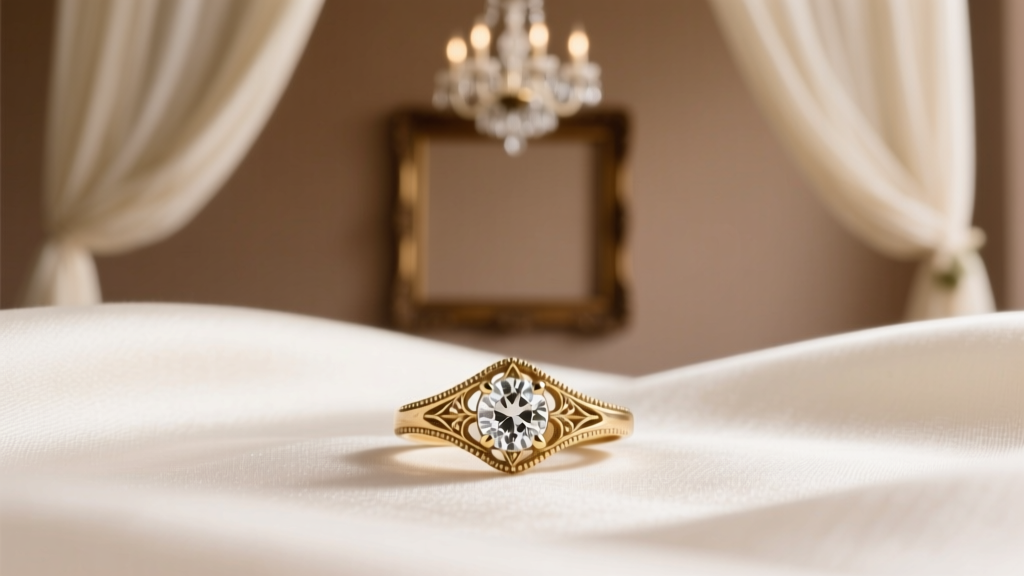 Vintage-Inspired Engagement Rings: How to Choose (2026)
 Wedding Ring Loss Prevention: 7 Proven Tactics (2026)
 Wedding Band Etiquette Rules (2026)
 How Much Gold Is in a Wedding Band? (2026)
 How to Choose a Ring That Matches Her Style
 Lab-Grown vs Natural Diamonds: 2026 Comparison
 How Much Does a Men's Wedding Ring Weigh? (2026)
 Cushion Cut Diamonds Vintage Appeal and Brilliance
 How to Choose Wedding Rings for Men