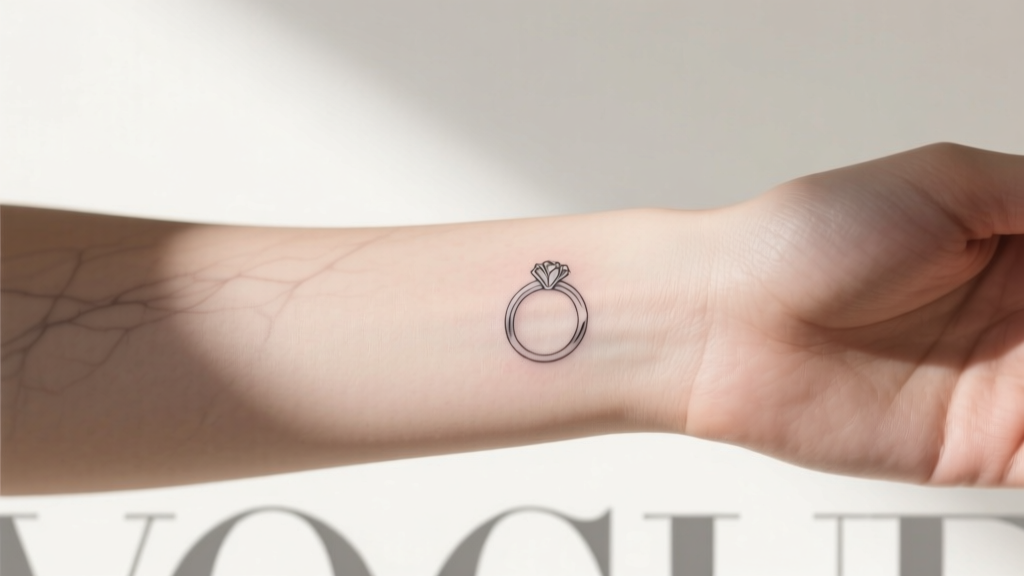
Wedding Ring Tattoos Pros Cons and Alternatives
Wedding ring tattoos have moved from niche trend to mainstream conversation, especially among couples who want a symbol of commitment that feels personal, low-maintenance, or simply different from traditional wedding bands. Instead of choosing a metal and setting, you’re choosing ink, placement, and an artist—yet the goal is the same: a daily reminder of your marriage.
For some couples, ring tattoos are a practical solution: no more taking off a band for work, workouts, or travel. For others, they’re a style statement—minimalist, meaningful, and modern. Still, a wedding ring tattoo isn’t a one-size-fits-all choice. Skin changes, ink fades, and hands are one of the toughest places to tattoo. Knowing the pros, cons, and alternatives helps you make a decision you’ll still love years from now.
This guide breaks down what ring tattoos do well, where they can disappoint, and the best jewelry alternatives—from classic gold wedding bands to durable silicone rings and creative gemstone options that fit today’s trends.
What Is a Wedding Ring Tattoo?
A wedding ring tattoo is a permanent (or semi-permanent) design on the ring finger—most often around the base of the finger where a wedding band sits. Popular styles include a simple line band, initials, a wedding date, a heart, a small symbol (like an infinity sign), or a fine-line motif such as a laurel or geometric pattern.
Common Ring Tattoo Styles
- Minimal line band: A thin black line or double line meant to mimic a simple wedding band.
- Initials or monogram: Subtle lettering with personal meaning.
- Date or coordinates: Wedding date, proposal date, or a meaningful location.
- Symbolic icons: Infinity, anchor, tiny crown, or religious symbols.
- Micro designs: Fine-line florals, geometric shapes, or tiny diamonds drawn in ink.
Wedding Ring Tattoos: Pros
1) No Ring to Lose (or Forget)
If you travel often, work with your hands, or have a habit of taking jewelry off at the gym, a tattoo can be reassuring. There’s no risk of misplacing your wedding band or worrying about theft.
2) Comfortable for Active Lifestyles
Some people find traditional wedding rings uncomfortable during lifting, climbing, sports, or certain jobs. While silicone wedding bands are a popular alternative, a tattoo eliminates the physical feel entirely.
3) Highly Personal and Sentimental
A tattoo can incorporate inside jokes, meaningful symbols, or design elements that would be difficult or costly to create in metal. For couples who want matching wedding bands in spirit but not necessarily the same look, tattoos can be customized to each person.
4) Budget-Friendly Up Front
A simple ring tattoo often costs far less than a solid gold wedding band or a diamond eternity ring. For couples allocating budget toward an engagement ring (think diamond cuts like round brilliant or oval) or a honeymoon, a tattoo can seem like a smart compromise.
Wedding Ring Tattoos: Cons (and What Most Couples Don’t Expect)
1) Fading and Blowouts Are Common on Fingers
Hands are high-friction and high-exposure: frequent washing, sun, sanitizer, and daily wear all accelerate fading. Finger tattoos are also prone to “blowouts,” where ink spreads slightly under the skin—especially with fine-line details. A crisp, delicate design may blur over time.
2) Touch-Ups May Be Needed
A ring tattoo can become a maintenance item. Touch-ups aren’t unusual, particularly for thin lines and lighter shading. This is less “set it and forget it” than many couples imagine.
3) Professional Considerations
Even in today’s relaxed workplace culture, visible tattoos can still be an issue in some industries. A traditional wedding band is universally accepted and easier to dress up or down.
4) Removal Can Be Difficult and Costly
Laser tattoo removal is more expensive than the tattoo itself and can take multiple sessions. Finger tattoos can be stubborn due to skin type and ink depth, and complete removal isn’t always guaranteed.
5) Not a Heirloom
A classic wedding band—especially in durable metals like platinum or 14K gold—can be passed down. Tattoos are meaningful, but they aren’t family jewelry. If heirloom value matters to you, consider keeping a band in the mix.
Materials and Craftsmanship: How Ring Tattoos Compare to Wedding Bands
Tattoos don’t involve metals, gemstones, or ring settings, but it helps to compare what you’re giving up (or gaining) compared to traditional wedding ring materials.
Traditional Metals: Timeless, Repairable, Resizable
- Platinum: Premium choice for wedding bands; naturally white, dense, and highly durable. Develops a patina over time but doesn’t lose metal the way some finishes can.
- 14K gold (yellow, white, rose): A top value pick for daily wear. 14K is typically more scratch-resistant than 18K due to a higher alloy content.
- 18K gold: Richer color and higher gold content; slightly softer, so it can show wear sooner.
- Palladium: A white metal option similar to platinum in appearance, often lighter in weight.
Gemstones, Cuts, and Settings: What Tattoos Can’t Replicate
If you love sparkle, a tattoo won’t scratch the itch the way a diamond wedding band can. Current trends include oval-cut engagement rings paired with slim pavé wedding bands, emerald-cut diamonds with minimalist metal bands, and mixed-shape eternity rings. Timeless classics still dominate too: round brilliant diamonds in prong settings, channel-set bands for durability, and simple comfort-fit gold bands.
- Diamond cuts: Round brilliant (maximum sparkle), oval (elongating on the finger), emerald (clean, step-cut flashes), princess (modern, sharp lines).
- Popular settings for wedding bands: Pavé (lots of sparkle, more upkeep), channel (stones protected), bezel (smooth, secure), prong (maximum light, more snag risk).
Best Alternatives to Wedding Ring Tattoos
If you like the idea of a ring tattoo but want flexibility, these alternatives offer a similar “always on” feel with fewer long-term drawbacks.
1) Classic Metal Wedding Bands (Timeless for a Reason)
A simple 14K yellow gold band or platinum comfort-fit band works with any engagement ring style and never goes out of fashion. If you want something current, consider a slightly wider band, a brushed/matte finish, or a subtle knife-edge profile—modern looks that still read classic.
2) Silicone Wedding Bands (Modern, Practical Trend)
Silicone rings are a strong choice for athletes, healthcare workers, mechanics, and anyone concerned about ring safety. They’re affordable, lightweight, and easy to replace. They also let you keep a fine jewelry wedding band for special occasions.
3) Engraved Bands (Sentiment Without Ink)
Engraving gives you that personalized message—initials, date, or phrase—while keeping the exterior traditional. Consider inside-band engraving on gold or platinum for a discreet, lasting detail.
4) Alternative Metals (Tungsten, Titanium, Cobalt)
- Tungsten: Very scratch-resistant, weighty feel. Not easily resizable; can crack under extreme force rather than bend.
- Titanium: Lightweight and strong. Limited resizing options.
- Cobalt: Bright white look, durable, and often more affordable than platinum.
5) Stackable Bands (Trendy and Customizable)
Stacking slim bands—mixing metals or adding a thin diamond band—lets you create a look that evolves. This is a favorite among couples who want something fashion-forward while still rooted in fine jewelry tradition.
Price Range Considerations and Value Tips
- Wedding ring tattoo: Often less than a traditional band up front, but budget for touch-ups over time.
- Simple 14K gold wedding band: A strong value for durability and resale/long-term wear.
- Platinum band: Higher price, excellent longevity—especially if you want a “forever metal.”
- Diamond wedding bands (pavé/eternity): Higher cost and more maintenance; consider half-eternity for comfort and easier resizing.
- Silicone ring: Low cost; best used as a practical companion to a fine jewelry band.
Value tip: If you’re choosing between upgrading your engagement ring center stone (diamond or gemstone) or investing in a high-end wedding band, prioritize what you’ll notice daily. Many couples go classic on the wedding band (platinum or 14K gold) and let the engagement ring carry the sparkle.
Care and Maintenance: Tattoos vs. Rings
Ring Tattoo Care Basics
- Follow your artist’s aftercare instructions exactly—hands heal differently because of constant use.
- Expect faster fading if you wash hands frequently or work with chemicals.
- Use sunscreen on hands; UV exposure can dull ink over time.
- Plan for touch-ups if you want crisp lines long-term.
Wedding Band Care Basics
- Remove rings for harsh chemicals, heavy lifting, and abrasive tasks.
- Clean gold and platinum bands with mild soap, warm water, and a soft brush.
- For pavé or prong-set diamond bands, schedule periodic inspections to check for loose stones.
- Store rings separately to prevent scratching—especially diamonds against gold.
Common Mistakes to Avoid
- Choosing an ultra-fine design on the finger: Fine-line tattoos can blur; simpler shapes often age better.
- Not testing your lifestyle first: If you’re unsure, try wearing a silicone ring or an inexpensive band for a few months.
- Skipping artist research: Finger tattoos require precision. Look for healed-photo portfolios, not just fresh ink.
- Assuming it’s cheaper long-term: Touch-ups and possible removal can change the cost equation.
- Buying a wedding band without considering fit: Comfort-fit interiors, width, and thickness matter. A ring that feels bulky will be worn less.
- Choosing a gemstone band without thinking about durability: Diamonds are ideal for daily wear; softer stones may chip or scratch.
FAQ: Wedding Ring Tattoos and Wedding Band Alternatives
Are wedding ring tattoos truly permanent?
They’re permanent in the sense that the ink is placed under the skin, but finger tattoos commonly fade faster than tattoos on other areas. Many people need touch-ups to keep the design crisp.
Do ring tattoos hurt more than other tattoos?
They can. The finger has less padding and more nerve sensitivity. Pain tolerance varies, but expect sharper discomfort than areas with more muscle or fat.
Can I get a tattoo and still wear a wedding ring?
Yes. Some couples get a small symbol on the inside of the finger or a minimalist design and still wear a traditional wedding band. If you like the trend but want a classic look for formal events, this hybrid approach works well.
What’s the best wedding band metal for everyday wear?
Platinum and 14K gold are top choices for durability and long-term value. Platinum is naturally white and very tough; 14K gold offers an excellent balance of strength and classic style.
Are diamond wedding bands practical for daily wear?
They can be, especially with protective settings like channel or bezel. Pavé bands are beautiful and trendy, but they need occasional inspections to ensure small diamonds remain secure.
What’s a good compromise if I like the “no-fuss” idea of a tattoo?
A simple comfort-fit band in 14K gold or platinum is about as low-fuss as fine jewelry gets. For workouts or hands-on work, add a silicone ring so your main wedding band stays protected.
Recommendation and Next Steps
Wedding ring tattoos make sense for couples who prioritize symbolism over traditional jewelry, don’t mind potential fading, and feel confident about long-term permanence. For most couples shopping for engagement rings and wedding bands, a classic metal band—platinum or 14K gold—remains the most versatile, timeless, and heirloom-worthy choice, with silicone rings or engraving as modern, practical add-ons.
If you’re deciding between a ring tattoo and a wedding band, try this: choose your forever-style first (classic band, diamond band, or stack), then decide whether a tattoo adds meaning rather than replaces the jewelry. Explore more wedding ring guides, metal comparisons, and engagement ring style tips on weddingsift.com.
More Articles
 Morganite Engagement Rings Affordable Luxury Option
 How to Choose an Engagement Ring With a Vintage Engraving
 Can Wedding Rings Be Made Bigger? (2026)
 Theme vs Really: Jewelry Soldering Compared
 Moissanite vs Lab Diamond: Honest Comparison
 How to Plan a Ring Shopping Experience as a Surprise
 Engagement vs Wedding Ring Order: What to Know
 How to Choose an Engagement Ring for Long Fingers
 Rhodolite Garnet Purple-Red Gemstone
 Bridal Jewelry Guide 2026: Necklace, Earrings & Bracelet