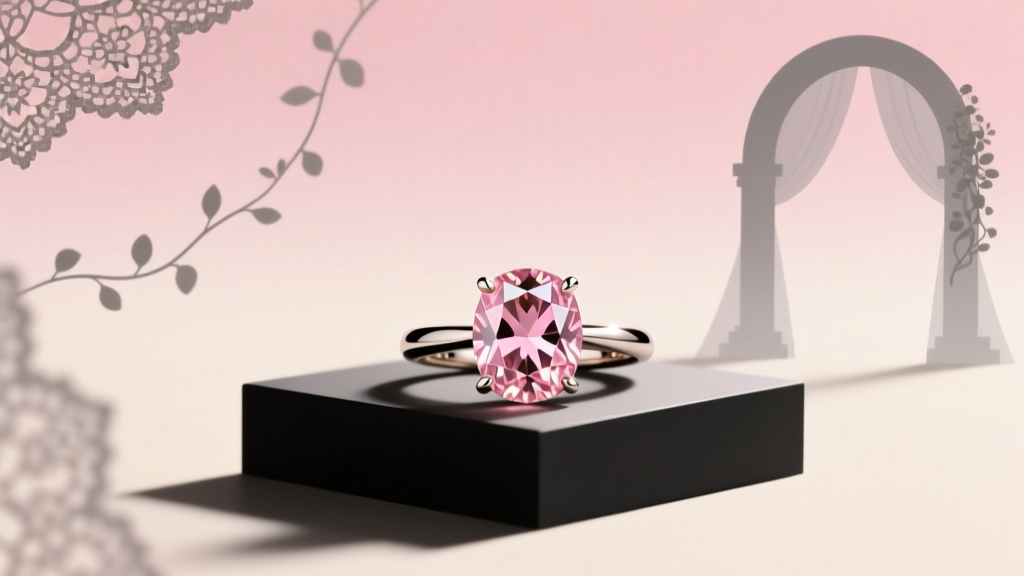
Morganite Engagement Rings Affordable Luxury Option
Morganite engagement rings have become a favorite for couples who want a romantic, distinctive look without the price tag that often comes with traditional diamond centers. With its soft blush-to-peach color, morganite feels bridal, modern, and timeless all at once—especially when paired with classic settings like a solitaire or a delicate halo.
What makes morganite especially appealing is value. You can often choose a larger center stone and a more intricate setting (think pavé, halos, or vintage-inspired details) for the same budget that might only cover a smaller diamond. For many couples, that balance of beauty, size, and affordability is exactly what “affordable luxury” should mean.
This guide breaks down what morganite is, how to judge quality, the best metals and settings for everyday wear, and how to shop confidently for an engagement ring and matching wedding band.
What Is Morganite?
Morganite is a pink-to-peach variety of beryl—the same mineral family as emerald and aquamarine. Its color comes primarily from trace amounts of manganese. Most morganite on the market is heat-treated to refine or enhance its hue; this treatment is standard, stable, and widely accepted in fine jewelry.
Why Couples Love Morganite for Engagement Rings
- Romantic color: Blush tones pair beautifully with bridal palettes and warm skin tones.
- Bigger look for the budget: Morganite typically costs far less per carat than diamonds.
- Versatile styling: Works with rose gold, yellow gold, white gold, and platinum, plus modern and vintage ring designs.
- Trend-forward yet classic: Colored gemstone engagement rings remain popular, and morganite’s soft tone keeps it timeless.
Morganite vs. Diamond vs. Other Pink Stones
Couples often compare morganite to diamonds, pink sapphires, and even pink diamonds. Here’s how they stack up for an engagement ring you’ll wear daily.
Durability (Hardness and Wear)
- Morganite: 7.5–8 on the Mohs scale. Suitable for daily wear with a protective setting and reasonable care.
- Diamond: 10 Mohs. Best for maximum scratch resistance.
- Pink sapphire: 9 Mohs. A top choice if you want pink with higher durability.
- Kunzite: Around 6–7 Mohs and can be more prone to wear—usually not ideal for everyday engagement rings.
Look and Price
Morganite offers a softer, more pastel color than many pink sapphires, which can range from light pink to vivid hot pink. Compared to a diamond, morganite has a different kind of brilliance—more glow than sparkle—especially in larger stones or certain cuts. Price-wise, morganite is typically far more accessible than diamond and sapphire, especially as carat size increases.
How to Choose a Quality Morganite
Morganite value and beauty are driven by color, clarity, cut, and carat weight. Because the color is gentle, small differences in quality can noticeably affect how “alive” the stone looks on the hand.
Color: The #1 Factor
The most sought-after morganite shades are soft peachy-pink to warm blush with a slightly stronger saturation. Very pale stones can look washed out in certain lighting. If you’re choosing online, look for videos in multiple light sources (daylight and indoor lighting) so you can judge whether the color holds up.
Clarity: Usually Eye-Clean
Morganite is often found eye-clean, meaning inclusions aren’t visible without magnification. That’s great for engagement rings because you can prioritize color and cut without paying a premium for ultra-rare clarity grades. Still, avoid stones with obvious internal fractures or cloudy areas that reduce sparkle.
Cut: Sparkle, “Windowing,” and Face-Up Size
Cut quality strongly impacts how morganite performs. A well-cut stone should reflect light evenly and avoid a “window” (a see-through area in the center). Popular cuts for morganite engagement rings include:
- Oval cut: Elongates the finger, trendy and timeless.
- Cushion cut: Soft corners, romantic vintage feel, excellent for halos.
- Round cut: Maximum classic sparkle; often looks bright even in lighter colors.
- Emerald cut: Elegant step-cut look; choose stronger color and great clarity.
- Pear cut: Feminine, flattering, pairs well with a contour wedding band.
Carat Size: Bigger Can Be Better (Within Reason)
Morganite is commonly chosen in larger sizes—think 1.5 to 3 carats—because it remains affordable. Keep in mind that larger stones need secure craftsmanship: strong prongs, a supportive basket, and a setting height that balances presence with practicality.
Best Metals for Morganite Engagement Rings
Your metal choice changes the overall tone of the ring and how the stone’s color reads. It also impacts durability and maintenance.
Rose Gold: The Signature Pairing
Rose gold engagement rings are a natural match for morganite. The warm pink metal enhances blush tones and creates a cohesive, romantic look. For longevity, choose 14k rose gold if you want a slightly harder alloy for everyday wear, or 18k rose gold for richer color and higher gold content.
White Gold and Platinum: Crisp Contrast
White gold and platinum make morganite appear slightly cooler and can emphasize sparkle. If you like bright, icy metal, consider a platinum setting for durability. If choosing white gold, expect rhodium replating over time to maintain the bright white finish.
Yellow Gold: Vintage-Classic Warmth
Yellow gold can make morganite look peachier and more antique-inspired. This is a great choice for couples who love timeless classics like a solitaire or a vintage filigree setting.
Settings and Styles: What Works Best for Everyday Wear
Morganite is durable enough for daily wear, but it benefits from thoughtful design. Prioritize secure settings and avoid overly exposed edges if you’re hard on your hands.
Solitaire: Timeless and Budget-Smart
A solitaire morganite engagement ring highlights the center stone and is easy to pair with wedding bands. Choose 4 or 6 prongs and a well-made basket for stability. This style also lets you invest more of your budget into stone size and cut quality.
Halo: Bigger Look and Extra Sparkle
Halo engagement rings remain a strong trend because they add brilliance and make the center stone look larger. A diamond halo around morganite also adds contrast, which can help a paler morganite appear more vibrant.
Three-Stone Rings: Meaningful and Balanced
Three-stone rings symbolize past, present, and future—popular for engagements and anniversaries. Pair morganite with diamond side stones for a classic look, or choose moissanite for extra sparkle and value.
Bezel and Half-Bezel: Protective Modern Style
If you want a more secure, low-fuss ring, a bezel or half-bezel setting is a smart choice. It protects the edges of the stone—helpful for ovals, pears, and emerald cuts. This style is especially practical for active lifestyles.
Vintage-Inspired Details: Milgrain, Engraving, and Filigree
Vintage engagement ring styles are always in fashion, and morganite fits the look beautifully. Details like milgrain edges, hand engraving, and filigree add character. Just make sure the craftsmanship is crisp and symmetrical—fine details should look intentional, not soft or uneven.
Price Range and Value Tips
Morganite engagement rings can span a wide range depending on the center stone size, metal, and setting complexity. As a general guide:
- Budget-friendly: Around $300–$800 for smaller morganite stones or simpler settings (often sterling silver or minimal gold).
- Mid-range sweet spot: Around $800–$2,500 for 14k/18k gold settings, larger morganite (often 1.5–3 carats), and diamond accents.
- Higher-end: Around $2,500–$6,000+ for platinum, premium craftsmanship, larger or finer-color morganite, and more diamond work (halo, pavé, custom detailing).
Smart Ways to Maximize Value
- Prioritize cut quality: A well-cut morganite looks brighter and more expensive.
- Choose 14k gold for durability and cost balance: Especially for thin bands and pavé.
- Consider moissanite accents: You can get a high-sparkle look at a lower cost than diamonds.
- Match the setting to your lifestyle: A protective setting can prevent costly repairs later.
Buying Tips for Morganite Engagement Rings and Wedding Bands
Ask About Stone Treatment and Sourcing
Heat treatment is common and acceptable. Your jeweler should clearly disclose treatments and provide documentation for the center stone and any accent diamonds or gemstones.
Check the Setting Work: Prongs, Pavé, and Finish
Look for even prong tips that sit neatly over the stone, secure pavé stones with consistent beadwork, and a smooth interior for comfort. For pavé bands, a slightly wider shank often holds up better over time.
Plan the Wedding Band Fit
Some morganite settings (especially halos and low baskets) sit flush, while others need a contour band or notched wedding band. If you’re buying your engagement ring first, ask how it pairs with straight wedding bands and whether a matching set is available.
Care and Maintenance: Keeping Morganite Beautiful
Morganite can collect oils and lotions that dull its shine. Regular gentle cleaning makes a big difference.
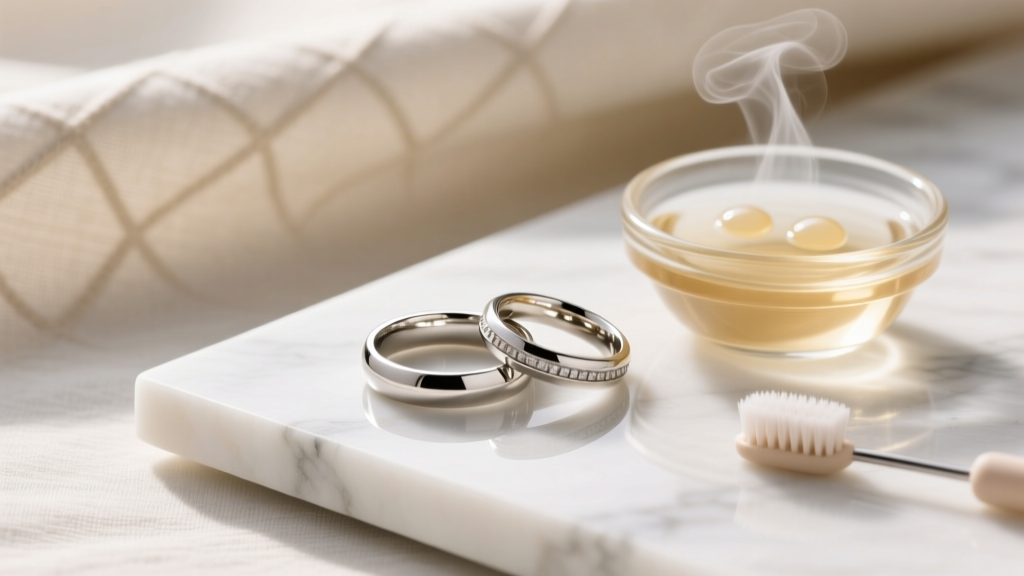
- Clean at home: Warm water, mild dish soap, and a soft toothbrush. Rinse well and dry with a lint-free cloth.
- Avoid harsh chemicals: Take your ring off for cleaning products, chlorine, and strong solvents.
- Be cautious with ultrasonic cleaners: Many jewelers use them, but they can loosen pavé stones or stress certain inclusions. When in doubt, use gentle hand cleaning.
- Schedule inspections: Have prongs and pavé checked about every 6–12 months, especially if you wear the ring daily.
- Store separately: Keep your morganite ring away from harder stones like diamonds to avoid scratches.
Common Mistakes to Avoid
- Choosing a stone that’s too pale: Very light morganite can look nearly colorless in some lighting. Aim for a blush tone you can see consistently.
- Ignoring cut quality: A poor cut can cause “windowing” and make the stone look lifeless.
- Picking a delicate setting without reinforcement: Ultra-thin bands and high-set stones can bend or snag. Balance dainty style with structural strength.
- Overlooking band pairing: A beautiful engagement ring can become frustrating if it won’t sit well with a wedding band.
- Not planning for maintenance: White gold may need rhodium replating; pavé settings need periodic checks.
FAQ: Morganite Engagement Rings
Are morganite engagement rings durable enough for everyday wear?
Yes, for most people. Morganite ranks 7.5–8 on the Mohs scale, which is suitable for daily wear with a secure setting and regular maintenance. If you work with your hands a lot, consider a bezel or lower-profile setting.
Does morganite get cloudy over time?
Morganite can look dull when it accumulates oils, soap residue, or lotion. Routine cleaning restores its brightness. True “cloudiness” from damage is less common, but any gemstone can show wear if repeatedly knocked or exposed to harsh chemicals.
What’s the best metal for a morganite ring?
Rose gold is the most popular because it enhances morganite’s blush tone. White gold and platinum offer crisp contrast, while yellow gold gives a warm vintage feel. Choose based on your style and how much maintenance you’re comfortable with.
Do morganite engagement rings look good with diamond wedding bands?
They pair beautifully. Diamond wedding bands add sparkle and a classic bridal finish. If your engagement ring has a halo or a unique shape (oval, pear), a contour band often creates the cleanest fit.
Is morganite a good alternative to a diamond engagement ring?
If you want a romantic color, a larger center stone, and an affordable luxury look, morganite is an excellent choice. If maximum hardness and scratch resistance are your top priorities, consider diamond or sapphire.
Where Morganite Fits in Today’s Jewelry Trends
Colored gemstone engagement rings continue to lead modern bridal trends, and morganite remains a standout for its soft, wearable color. Current favorites include oval morganite solitaires, hidden halos, east-west settings (especially for ovals and emerald cuts), and mixed-metal stacks with a coordinating wedding band. At the same time, timeless classics—solitaires, halos, and three-stone rings—keep morganite looking enduring rather than trendy.
Next Steps: Choosing Your Morganite Ring with Confidence
A morganite engagement ring is a smart, beautiful option for couples who want romance, presence, and value in one piece. Focus on a flattering blush color, a quality cut that avoids windowing, and a setting built for real life. Pair it thoughtfully with a wedding band—whether you love a sleek classic band, a pavé diamond band, or a curved contour style—and you’ll have a set that feels intentional for decades.
For more expert guides on engagement rings, wedding bands, gemstones, metals, and ring care, explore the jewelry resources on weddingsift.com.
More Articles
 How Much Is My Wedding Ring Worth? (2026)
 Does Priscilla Presley Still Have Elvis’s Wedding Ring?
 Do Jews Wear Wedding Rings? The Truth Behind the Tradition
 Wedding Ring Care: Keep It Shining Forever
 Men's Wedding Band Weight: Grams by Metal & Fit (2026)
 Does A Wedding Band Go On Top Or Bottom (2026)
 How to Clean and Maintain Your Wedding Rings at Home
 How to Propose Without the Ring First
 Black Onyx Wedding Bands Bold Statement
 How to Choose a Wedding Band With a Brushed Finish