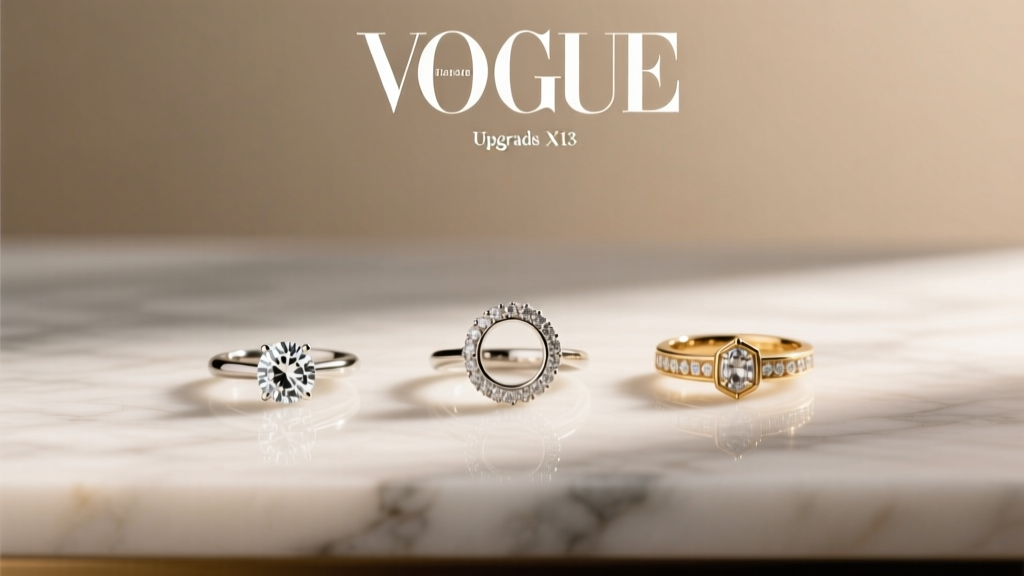
Engagement Ring Upgrade Options for Anniversaries
Anniversaries have a way of putting love in perspective. What felt bold and brand-new at the proposal may now feel like the beginning of a much bigger story—one that includes shared milestones, career changes, moves, children, travel, and all the little everyday victories that build a life together. For many couples, an engagement ring upgrade is a meaningful way to reflect that growth.
An anniversary upgrade doesn’t have to mean replacing your original ring or spending beyond your comfort zone. It can be as simple as adding a diamond wedding band, refreshing worn prongs, switching to a more durable metal, or choosing a center stone that better matches your current style. The best upgrades honor the past while making the ring easier to wear, maintain, and love for the decades ahead.
This guide breaks down the most popular engagement ring upgrade options, how to compare gemstones and metals, what craftsmanship details matter, and how to set a budget you feel good about—so you can choose an upgrade that’s beautiful, practical, and truly “you” today.
What Counts as an Engagement Ring Upgrade?
An upgrade can be a big change or a subtle evolution. Most anniversary upgrades fall into a few categories:
- Center stone upgrade: Larger carat weight, higher quality, different gemstone, or a new cut.
- Setting upgrade: New ring mounting (solitaire to halo, cathedral, bezel, or vintage-inspired details).
- Band and metal upgrade: Switching from 14K to 18K gold, moving to platinum, or changing band width and profile for comfort.
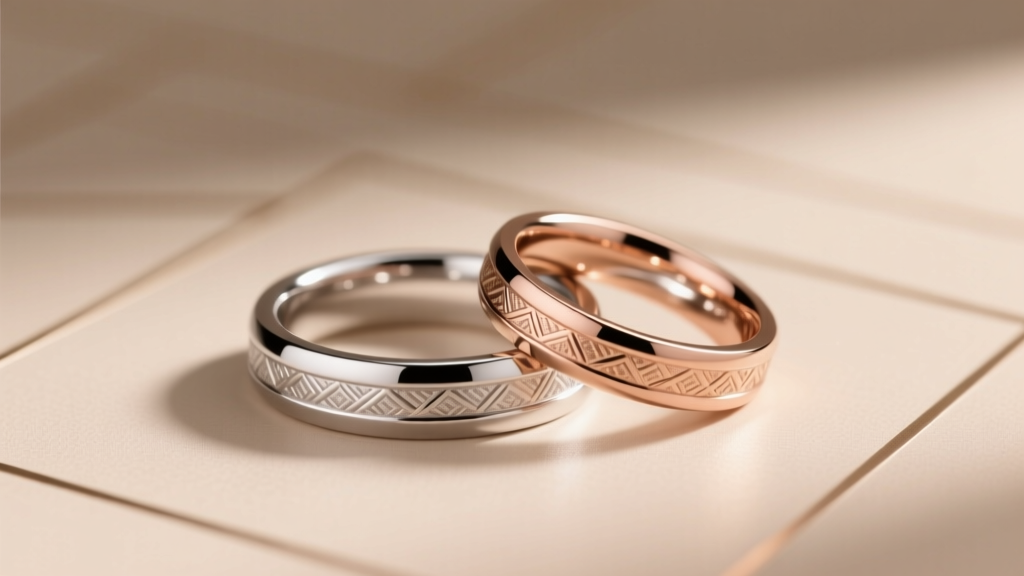
- Stacking upgrades: Adding an anniversary band, diamond wedding band, or contour band for a fresh look without replacing the engagement ring.
- Restoration and reinforcement: Retipping prongs, rebuilding a head, tightening pavé, or resetting the stone for improved security.
Most Popular Anniversary Upgrade Paths
1) Upgrade the Center Stone (Diamond or Gemstone)
The classic engagement ring upgrade is a new center stone. This is ideal when you love your current ring style but want more presence, sparkle, or a different look.
Diamond upgrades: what to compare
- Cut: Cut quality drives sparkle. For round brilliant diamonds, prioritize Excellent/Ideal cut. For fancy shapes (oval, emerald, cushion), look for strong light performance and balanced proportions rather than relying on grade alone.
- Carat: Carat increases size, but shape and finger coverage matter too. Ovals, marquise, and pear cuts often appear larger than round diamonds of the same weight.
- Color: In white metals (platinum/white gold), many shoppers land in G–I for a bright look with good value. Yellow/rose gold can hide warmth nicely, making I–K attractive for larger stones.
- Clarity: “Eye-clean” is the goal. Many couples find excellent value in VS2–SI1 clarity, depending on the diamond’s inclusions and shape.
Gemstone upgrades: a meaningful alternative
Colored gemstones are trending for anniversary upgrades—especially for couples who want a ring that feels personal and distinctive. Popular options include:
- Sapphire: Durable (Mohs 9), ideal for daily wear. Available in classic blue, peach, pink, and teal.
- Ruby: Also Mohs 9. A bold, romantic choice with strong symbolism.
- Emerald: Beautiful but softer and more included; best with protective settings (bezel or halo) and mindful wear.
- Moissanite: High sparkle, excellent durability, and strong value. Great for larger looks on a budget.
2) Switch to a New Setting (Keep the Stone)
If your center stone has sentimental value, a new setting can make the ring feel completely renewed. This option is often more budget-friendly than a full center stone upgrade and lets you modernize the style while preserving the original gem.
Trending setting upgrades right now
- Hidden halo: A subtle ring of diamonds beneath the center stone for sparkle from the side view.
- Thicker bands: A shift toward 1.8–2.5mm bands for durability and a modern, substantial feel.
- East-west settings: Oval, emerald, or marquise turned horizontally for a contemporary look.
- Bezel and semi-bezel settings: Sleek, secure, and perfect for active lifestyles.
- Mixed metals: Yellow gold shank with a platinum head to keep prongs strong while maintaining a warm gold look.
Timeless classics that never date
- Solitaire: Clean, elegant, and easy to pair with wedding bands.
- Three-stone rings: Often symbolizing past, present, and future—ideal for anniversaries.
- Halo: Adds finger coverage and extra sparkle; great for making a center stone look larger.
3) Add an Anniversary Band or Upgrade Your Stack
Stacking is one of the easiest ways to celebrate a milestone without altering the engagement ring. Consider:
- Diamond eternity band: Continuous sparkle; choose shared prong or bezel-set for smoother wear.
- Half-eternity band: More comfortable and easier to resize, often a better everyday choice.
- Contour or curved wedding band: Designed to nest against the engagement ring, especially helpful for low-set or halo designs.
- Mixed textures: A plain polished band paired with a pavé band balances sparkle and practicality.
Metal Options: Durability, Color, and Long-Term Wear
Platinum
Platinum is a top-tier choice for anniversary upgrades, especially if you’re resetting a valuable diamond. It’s dense, naturally white, and highly durable for prongs. It develops a soft patina over time rather than “wearing away” like plated metals can.
14K Gold vs. 18K Gold (Yellow, White, Rose)
- 14K gold: More alloy content, typically more scratch-resistant, great for daily wear and value.
- 18K gold: Richer color and higher gold content, slightly softer—beautiful for classic, luxurious looks.
- White gold: Usually rhodium-plated for a bright white finish; may need replating every 1–3 years depending on wear.
- Rose gold: Romantic tone and good durability due to copper alloys; consider nickel-free options for sensitive skin.
Craftsmanship and Quality Factors That Matter
- Prong work: Even, secure prongs are essential—especially with pavé or larger center stones. Ask about prong thickness and whether the head is cast or hand-finished.
- Setting height: Higher settings can maximize light and presence but snag more easily. Low-profile settings are more practical for everyday wear.
- Pavé and micro-pavé: Beautiful but maintenance-heavy. Look for consistent beadwork, clean alignment, and a comfort-fit interior.
- Matching bands: Ensure your engagement ring and wedding band sit flush or choose a curved band to avoid rubbing and wear.
- Certification: For diamonds, consider GIA or IGI reports depending on the stone type and retailer standards. A grading report supports value and transparency.
Price Ranges and Value Tips
Engagement ring upgrades can range from a few hundred dollars to five figures, depending on what you change.
- $300–$1,500: Ring repair and reinforcement (retipping prongs, resizing, replating), adding a simple gold band, or a delicate half-eternity band with small diamonds.
- $1,500–$4,000: New setting with accent diamonds, a higher-quality diamond band, or a moissanite center stone upgrade.
- $4,000–$10,000+: Natural diamond center stone upgrades, platinum settings, larger carat weights, intricate halos, or high-quality three-stone designs.
Where to get the best value
- Prioritize cut quality: A well-cut diamond often looks more brilliant than a larger, poorly cut stone.
- Consider lab-grown diamonds: Lab-grown diamonds can deliver a larger look or higher specs for the same budget while still offering real diamond durability and sparkle.
- Use a halo strategically: A halo can increase the overall look of the ring without the cost of a much larger center stone.
- Choose a half-eternity band: It’s typically less expensive, more comfortable, and resizable—great for long-term ownership.
Practical Buying Tips for a Smooth Upgrade
- Start with lifestyle: If you’re active with hands (fitness, healthcare, parenting, crafting), consider bezel settings, low profiles, and sturdier band widths.
- Measure finger size again: Finger size changes over time. Get sized at the end of the day and consider seasonal swelling.
- Check compatibility with your wedding band: Bring your band (or photos with measurements) so the upgrade doesn’t create gaps or rubbing.
- Ask about trade-in or reset policies: Some jewelers offer upgrade programs or credit for your original diamond. Get details in writing.
- Insure after upgrading: Update your jewelry insurance appraisal to reflect the new center stone or setting value.
Care and Maintenance After an Anniversary Upgrade
- Clean at home weekly: Warm water, mild dish soap, and a soft toothbrush can brighten diamonds and sapphires. Rinse well and dry with a lint-free cloth.
- Avoid harsh chemicals: Chlorine and cleaning products can damage metals and loosen settings over time.
- Schedule inspections: Have prongs and pavé checked every 6–12 months, especially for shared prong and micro-pavé rings.
- Store smart: Keep rings in a soft pouch or separate compartments to prevent scratching and chipping.
- Replate white gold as needed: If your white gold looks warm or yellowish, a rhodium refresh restores brightness.
Common Mistakes to Avoid When Upgrading
- Chasing carat over comfort: A very large stone in a high setting can snag constantly. Balance size with wearability.
- Choosing a thin band for a heavy center stone: Bands under ~1.8mm may bend over time, especially with larger diamonds or top-heavy designs.
- Ignoring prong security: Upgrading the diamond without upgrading the head or prongs can risk stone loss.
- Overdoing delicate pavé: Micro-pavé looks stunning but needs careful maintenance. If you’re tough on jewelry, consider channel-set or bezel-set accents.
- Not planning for resizing: Full eternity bands can’t always be resized easily. If your finger size fluctuates, choose half-eternity or a plain band.
- Skipping documentation: Keep grading reports, appraisals, and receipts—especially for diamond engagement ring upgrades.
FAQ: Engagement Ring Upgrade Options for Anniversaries
When is the “right” anniversary to upgrade an engagement ring?
Any milestone works—1st, 5th, 10th, 20th, or beyond. Many couples upgrade after major life changes (new job, new home, new baby) or when they want a style that suits their current tastes and lifestyle.
Should we keep the original engagement ring or trade it in?
If sentiment matters, consider keeping the original stone and resetting it, or wearing the original ring on your right hand. If budget is the priority, ask about trade-in or upgrade credit programs—just confirm grading requirements and the credit percentage in writing.
Is a lab-grown diamond a good choice for an anniversary upgrade?
Yes, especially if you want a larger center stone or higher color/clarity for the same budget. Lab-grown diamonds are real diamonds with the same hardness and sparkle; value retention can differ from natural diamonds, so focus on what matters most to you—size, look, and meaning.
What’s the most durable setting for everyday wear?
Bezel settings and low-profile solitaires are among the most secure. For prong settings, platinum prongs and a well-built head improve long-term durability. If you love pavé, choose sturdier styles (shared prong with good metal coverage or channel-set accents).
Can I upgrade just the setting without changing my diamond?
Absolutely. Resetting your existing center stone into a new mounting is one of the smartest upgrades for style refreshes, improved security, or changing metal color.
How do I make sure my upgraded engagement ring matches my wedding band?
Bring your wedding band to the jeweler. Ask whether the rings will sit flush and whether a contour band is recommended. Also consider matching metal type and color so the stack looks intentional.
Next Steps: Choose an Upgrade That Fits Your Life Now
The best engagement ring upgrade options for anniversaries come down to three things: how you live, what you love, and what you want your ring to represent today. Whether you choose a larger center diamond, a timeless three-stone setting, a modern bezel, or a sparkling anniversary band to elevate your wedding ring stack, aim for strong craftsmanship, secure settings, and materials that hold up to real life.
If you’re ready to compare styles, metals, and diamond options, explore more jewelry guides on weddingsift.com for practical advice on engagement rings, wedding bands, and anniversary jewelry upgrades.
More Articles
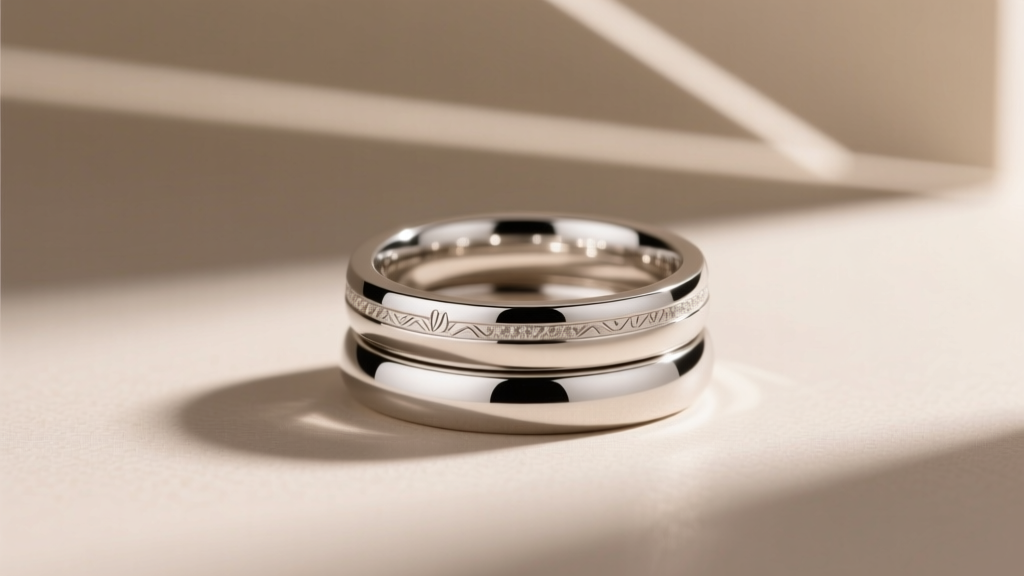 Does A Wedding Band Go On Top Or Bottom (2026)
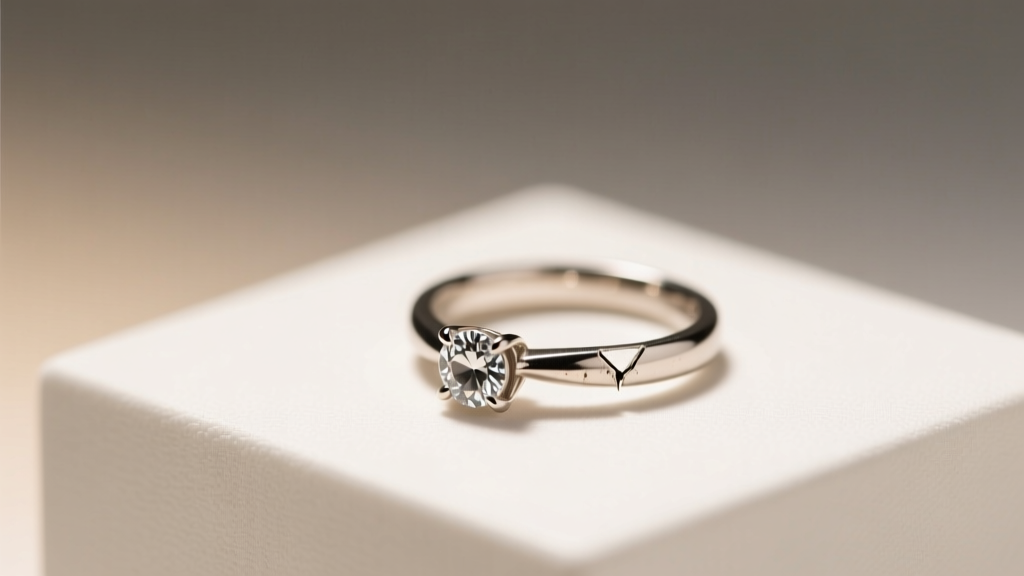 How to Tell If Your Ring Setting Needs Repair
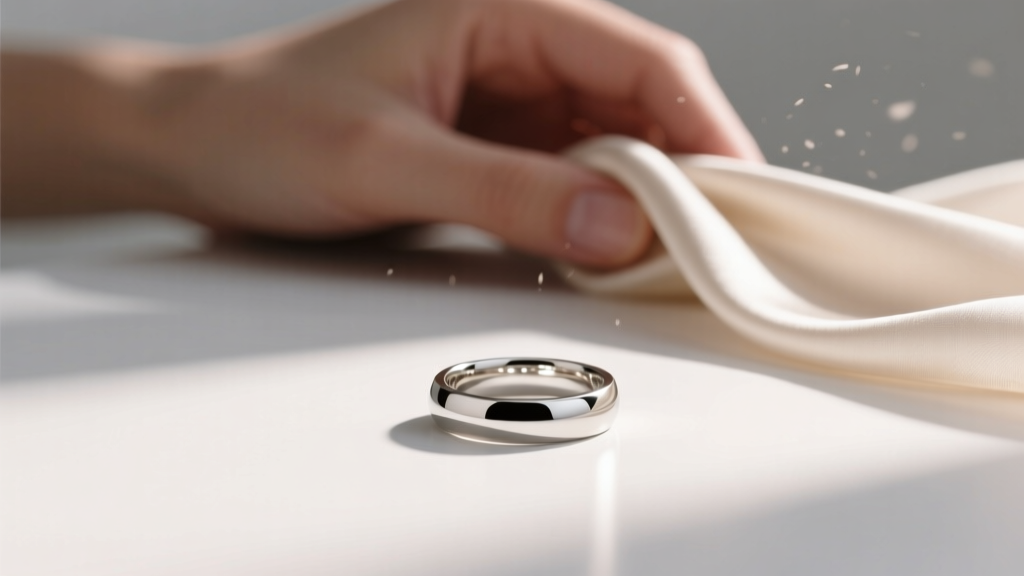 Wedding Ring Loss Prevention: 7 Proven Tactics (2026)
 Wedding Ring Guide: What It Is & How to Choose
 One Question to Ask Before Any Jewelry Purchase
 How to Choose a Wedding Band With a Knife Edge Profile
 Wedding Ring Styling Rules: 7 Fixes for 2026
 Wedding Band Stacking Trends for 2026
 Necklace Tips for Strapless Wedding Dresses
 How to Wear a 2-Piece Wedding Ring (2026)