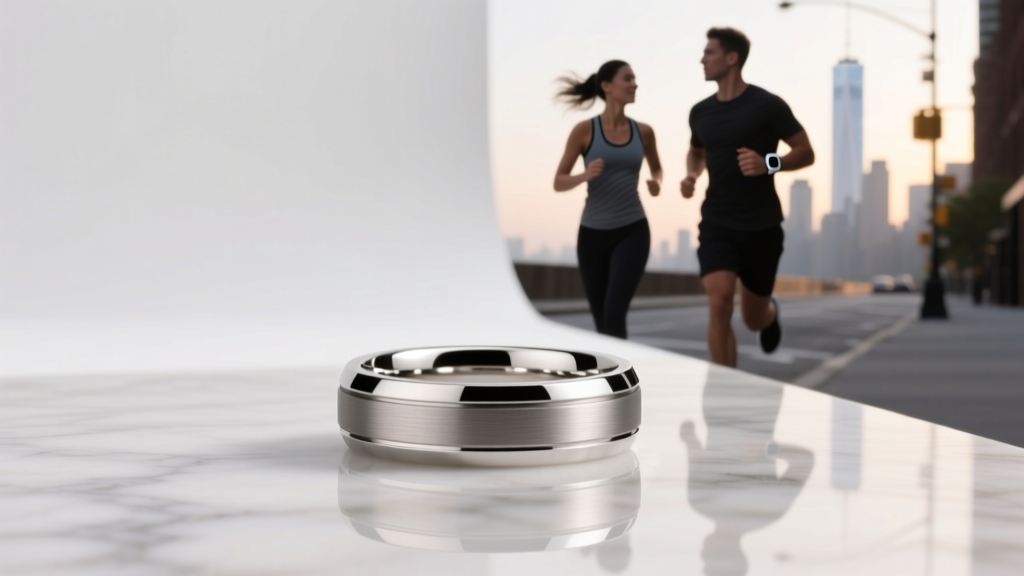
How to Choose a Wedding Band to Wear During Workouts
For many couples, the wedding band is the one piece of jewelry you wear every day—through commutes, meetings, errands, and yes, workouts. The challenge is that the gym is one of the toughest environments for rings: heavy weights, friction from barbells, chalk, sweat, cleaning chemicals, and sudden impacts can all take a toll on metals, gemstones, and settings.
The good news is you don’t have to choose between staying active and wearing a meaningful ring. With the right material, profile, and craftsmanship, you can find a wedding band that’s comfortable during training and built to handle real-life wear. This guide breaks down what to look for, what to avoid, and how to get the best value—whether you want a classic gold band, a modern silicone alternative, or a durable metal option designed for an active lifestyle.
Start With Your Workout Style: What Will the Ring Face?
Before comparing metals or styles, think about how you train. The best workout wedding band for you depends on impact, pressure, and how often your hands contact equipment.
High-impact and grip-heavy training
- Weightlifting/CrossFit: Rings can get compressed against barbells and dumbbells, causing dents, scratches, or “ring avulsion” risk if snagged.
- Rock climbing: High snag risk; most climbers remove metal rings entirely.
- Martial arts: Risk to you and partners; rings are usually removed.
Lower-impact workouts
- Running/cycling: Less contact risk, but swelling and sweat are common concerns.
- Yoga/Pilates: Comfort and skin sensitivity matter more than impact resistance.
If you regularly lift heavy or climb, the most practical choice is often a dedicated workout band (commonly silicone) plus a traditional metal wedding band for daily wear. Many couples now buy both—an on-trend “ring stack” approach that’s also a smart way to protect fine jewelry.
Best Materials for Workout Wedding Bands
Material choice affects comfort, durability, maintenance, and safety. Here’s how the most popular wedding ring materials behave under workout conditions.
Silicone: the safest, most gym-friendly option
Why couples love it: Silicone bands are flexible, lightweight, inexpensive, and designed to break under extreme force—helpful for reducing snag-related injuries. They’re also comfortable if your fingers swell during exercise.
- Pros: Great grip comfort, minimal damage worries, easy to replace, ideal for weightlifting and climbing.
- Cons: Can stretch over time, may trap sweat (clean regularly), not a “forever” heirloom.
Trend note: Matte finishes and minimalist designs are popular, and many couples match silicone bands to their metal wedding bands for a cohesive look.
Platinum: premium and tough (but not scratch-proof)
Platinum (usually 950 platinum) is prized for its naturally white color and dense feel. It’s durable, and unlike white gold, it doesn’t rely on rhodium plating for its color.
- Pros: Excellent longevity, resists corrosion, ideal for sensitive skin, strong for prongs if you ever add diamonds.
- Cons: Develops a patina and scratches with metal-on-metal contact; can still dent with heavy lifting; higher price.
Gold (14k and 18k): classic, but choose wisely
Gold wedding bands are timeless. For active wear, 14k gold is generally the sweet spot because it’s harder than 18k due to higher alloy content.
- 14k yellow gold: Stronger for daily wear; scratches are normal but manageable.
- 18k yellow gold: Richer color, slightly softer—more prone to dents if you lift often.
- White gold: Typically rhodium-plated; frequent friction can wear plating faster, leading to more maintenance.
- Rose gold: Often quite durable due to copper alloys, but may irritate very sensitive skin.
If you want a traditional gold wedding band and still plan to wear it at the gym, opt for a simple design without stones and consider a slightly thicker band for added durability.
Titanium: lightweight and strong
Titanium is popular for men’s wedding bands and anyone wanting a barely-there feel.
- Pros: Very light, corrosion-resistant, generally affordable.
- Cons: Can be difficult to resize; scratches can happen; some finishes show wear quickly.
Tungsten carbide: scratch-resistant, but not ideal for impact
Tungsten’s claim to fame is scratch resistance. It keeps a polished look longer than many metals, which is appealing if you dislike visible wear.
- Pros: Extremely scratch-resistant, budget-friendly, modern look.
- Cons: Can crack or chip under sharp impact; usually not resizable; heavier feel.
Stainless steel: budget-friendly and practical
Stainless steel bands can be a great “workout ring” option if you prefer metal and want to spend less.
- Pros: Affordable, decent durability, low maintenance.
- Cons: Not as prestigious or long-lasting as precious metals; some alloys may irritate sensitive skin.
What About Diamonds and Gemstones in a Workout Wedding Band?
Gemstones add sparkle, but they also add risk. If you’re set on a diamond wedding band, pay close attention to setting style and stone security.
Hardness vs. toughness: why it matters
- Diamond (Mohs 10): Highly scratch-resistant but can chip if struck at the wrong angle.
- Sapphire and ruby (Mohs 9): Strong choices for daily wear; still not immune to chipping.
- Emerald (Mohs 7.5–8): More likely to crack due to inclusions; not ideal for workouts.
- Opal/pearl (soft and delicate): Avoid for gym wear.
Best settings for active lifestyles
- Flush (gypsy) setting: Stone sits inside the band; low snag risk and excellent protection.
- Bezel setting: Metal rim encircles the stone; secure and smoother than prongs.
- Channel setting: Stones sit between metal walls; more protected than prongs, but still needs inspection over time.
Settings to avoid for workouts
- Pavé bands: Many tiny stones with small beads/prongs; frequent knocks and friction can loosen stones.
- High prong settings: Snag risk and easier to bend prongs.
For most gym-goers, the most practical approach is a plain metal band (or silicone) for workouts and a diamond band for non-training hours.
Design and Comfort: Profiles, Widths, and Finishes
Choose a low-profile shape
A comfort-fit interior (rounded inner edges) reduces pressure points when gripping weights. Externally, look for a low dome or flat profile that won’t catch on equipment.
Pick the right width and thickness
- Narrow bands (2–3mm): Lighter feel; great for stacking with an engagement ring, but can feel sharper under heavy gripping if edges aren’t rounded.
- Mid-width bands (4–6mm): Popular, balanced comfort and durability.
- Wider bands (7–8mm+): Bold look, can feel tight if your fingers swell during workouts.
Finish matters more than many couples expect
- High polish: Shows scratches quickly (though it can be re-polished).
- Matte/brushed: Hides scuffs better—an on-trend look that’s also practical.
- Hammered: Textured and forgiving; scratches blend into the design.
Quality Factors: What Makes a Band “Workout-Ready”?
- Precise sizing: A ring that’s too tight becomes uncomfortable when you swell; too loose increases snag risk. Many couples size for a snug-but-easy fit and use silicone for high-intensity training.
- Solid construction: Choose solid precious metal over hollow bands for better dent resistance and long-term wear.
- Craftsmanship details: Smooth edges, even thickness, and clean finishing reduce irritation and improve durability.
- Stone security (if applicable): Check for even prongs, tight settings, and reputable stone-setting work.
Buying Tips for Couples: How to Shop Smart
- Consider a two-ring plan: A traditional wedding band for everyday life + a silicone or steel band for workouts is often the best value.
- Try “grip tests”: When trying on rings, make a fist, mimic holding a bar, and see if edges dig in.
- Match your engagement ring thoughtfully: If you wear an engagement ring, check whether the band sits flush. A curved or contour band can reduce rubbing and wear.
- Ask about resizing and service: Platinum and gold are typically resizable; tungsten often isn’t. Knowing this upfront prevents frustration later.
Care and Maintenance: Keep Your Wedding Band Looking Great
After-workout cleaning
Rinse your band with warm water and mild soap after sweaty sessions, especially if you use chalk or lotions. Dry thoroughly to reduce residue buildup.
Protect stones and settings
If your ring has diamonds or gemstones, schedule a professional check (tightening and inspection) every 6–12 months. If you notice snagging, spinning, or a new rattle sound, stop wearing it to the gym until it’s inspected.
When to remove your ring
- Heavy barbell lifting, kettlebells, climbing, and contact sports
- Using harsh cleaning chemicals (even at home)
- Any time swelling makes the ring feel tight
Price Ranges and Value Tips
- Silicone bands: Typically $10–$50. Great for backups and travel.
- Stainless steel/titanium: Often $20–$200 depending on brand and finish.
- 14k gold bands: Commonly $300–$1,200+ depending on width and weight.
- Platinum bands: Often $800–$2,500+ depending on weight and design.
- Diamond/gemstone bands: Wide range ($600–$5,000+) based on total carat weight, cut quality, and setting style.
Value tip: If you want a luxury metal band but train often, buying a reasonably priced silicone band can protect your investment and extend the life of your fine jewelry. For diamond bands, prioritize secure settings (bezel, flush, channel) over maximum sparkle-per-dollar if you plan to wear it during workouts.
Common Mistakes to Avoid
- Choosing a high-prong diamond band for the gym: Beautiful, but prone to snagging and stone loss under friction.
- Assuming “scratch-proof” means “indestructible”: Tungsten resists scratches, but can chip or crack from impact.
- Buying the wrong size for active hands: Fingers can swell during workouts; consider comfort-fit styles and a backup band.
- Skipping maintenance: Even a well-made wedding band needs periodic checks, especially if it includes gemstones.
- Wearing your engagement ring to lift heavy: Prongs can bend and diamonds can loosen; many couples switch to a plain band or silicone for training.
FAQ: Workout Wedding Bands
Is it safe to wear a metal wedding band while lifting weights?
It can be uncomfortable and risky. Metal bands can pinch against a bar, scratch easily, or contribute to injury if caught. Many lifters switch to a silicone wedding band during training and wear their metal band the rest of the day.
Which metal is best if I still want to wear a traditional band to the gym?
For precious metals, platinum and 14k gold are solid choices. Platinum is dense and long-lasting, while 14k gold is harder than 18k. Choose a plain, low-profile comfort-fit band with a brushed or hammered finish to hide wear.
Are diamond wedding bands okay for workouts?
They’re not ideal for grip-heavy workouts. If you do wear one, opt for bezel, flush, or channel settings and avoid delicate pavé. Plan on more frequent inspections to ensure stones remain secure.
What’s the best ring style for swelling during exercise?
Silicone bands are the most forgiving because they flex with swelling. In metal, a comfort-fit interior helps, but if your ring regularly feels tight during workouts, it’s smarter to remove it and wear a silicone band.
Can I shower or swim with my workout band?
Silicone and platinum handle water well, but soap and chlorine can leave residue and dull finishes. Gold is generally fine in water, but frequent exposure to pool chemicals can accelerate wear over time. Rinse and dry your band after swimming.
Choosing Your Best Workout Wedding Band: A Confident Path Forward
If your workouts involve heavy gripping, climbing, or high impact, the most reliable setup is a traditional wedding band you love for everyday wear plus a silicone workout ring for training. If you prefer one ring for everything, choose a plain comfort-fit band in 14k gold or platinum, with a low-profile shape and a brushed, matte, or hammered finish that’s forgiving of real-world wear.
Wherever you land—classic yellow gold, modern platinum, or a practical silicone option—pick a band that supports your lifestyle and protects what matters. Explore more expert jewelry guides, wedding ring tips, and trend-and-timeless style advice on weddingsift.com.
More Articles
 Polish Wedding Ring at Home: 5 Safe Methods (2026)
 How to Repurpose a Wedding Ring (2026)
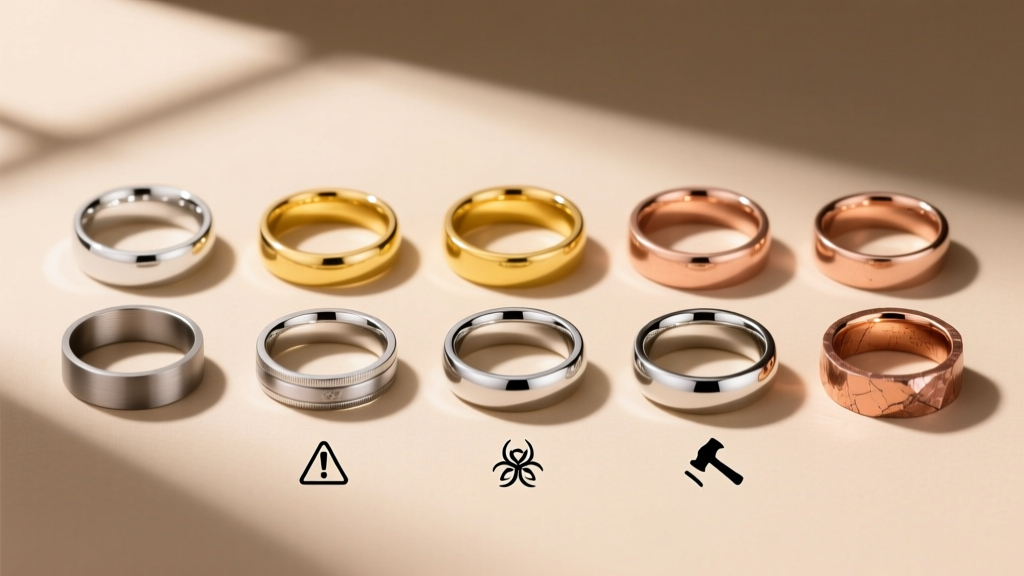 What Are Wedding Bands Made Of? (2026)
 Wedding Ring Cleaning: 90-Second Pro Method (2026)
 Asscher Cut Diamonds Art Deco Geometric Beauty
 How to Clean a Gold Wedding Ring Safely (2026)
 Tanzanite Engagement Rings Rare Blue-Violet Gemstone
 Sapphire Engagement Rings: Royal & Modern Appeal
 Best Engagement Rings for Custom Jewelry Projects: A Metalsmith’s Practical Guide
 Diamond Color Grade: When It Really Matters