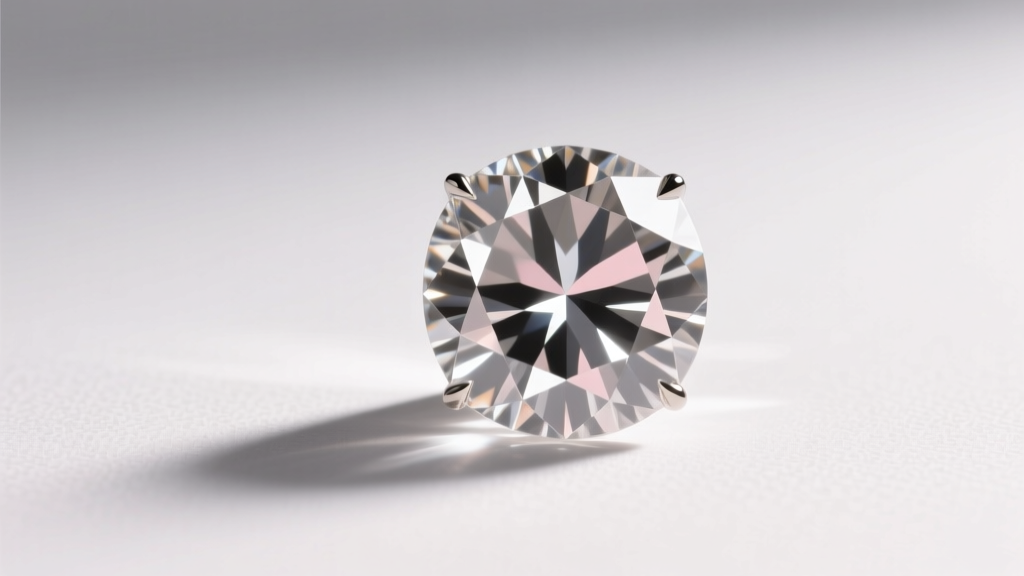
Radiant Cut With Corner Cutouts Modern Elegance
If you love the crisp geometry of an emerald cut but want more sparkle—more “light show” from every angle—the radiant cut is one of the smartest engagement ring choices on the market. It’s confident, modern, and designed for brilliance, thanks to its faceting style that blends the best of round and step-cut personalities.
Add corner cutouts (often called “clipped corners” or “cropped corners”), and the look becomes even more refined. Those trimmed corners soften the silhouette, reduce snagging, and help the stone sit more securely in popular settings like prongs, halos, and bezels. For couples shopping for engagement rings and wedding bands, a radiant cut with corner cutouts strikes a rare balance: bold presence, wearable practicality, and timeless elegance that still feels current.
This guide breaks down what makes radiant cuts special, how corner cutouts affect performance and durability, how to choose metals and settings, and what quality details truly matter when you’re investing in a piece you’ll wear every day.
What Is a Radiant Cut With Corner Cutouts?
A radiant cut is a rectangular or square diamond (or gemstone) with brilliant-style facets designed to maximize sparkle. The “corner cutouts” are the signature clipped corners—think of a rectangle with the four corners neatly trimmed. That detail helps the radiant cut maintain clean lines while reducing the risk of corner chips compared to sharp-corner stones.
Radiant vs. Emerald vs. Cushion: A Quick Comparison
- Radiant cut: Brilliant faceting for high sparkle, crisp outline, modern edge. Great for people who want brilliance in a geometric shape.
- Emerald cut: Step cuts with long flashes and a “hall of mirrors” effect. Less sparkle, more clarity-revealing and elegant.
- Cushion cut: Softer, pillowy outline. Can be chunky or crushed-ice sparkle depending on faceting.
If you’re torn between a classic emerald cut engagement ring and a sparkling modern stone, radiant is often the best middle ground—especially in elongated shapes that flatter the finger.
Why Corner Cutouts Matter: Durability, Style, and Setting Security
Those clipped corners aren’t just a design detail. They influence how the stone wears and how it can be set.
Better Protection Than Sharp Corners
Stones with sharp corners (like princess cuts) can be more vulnerable to chipping if the corner takes a hit. Radiant cut corners are already “broken,” which reduces that risk. It’s still wise to choose a protective setting—especially for active lifestyles—but the shape itself is more forgiving.
Cleaner Lines and Modern Proportions
Radiant cuts look architectural. The corner cutouts give the outline a tailored, intentional finish that pairs beautifully with modern engagement ring settings—think sleek solitaires, compass prongs, or structured halos.
More Setting Options
Corner cutouts make it easier for jewelers to place prongs securely without bulky metal. This helps keep the ring feeling refined rather than heavy at the corners.
Choosing the Stone: Diamond Quality Factors That Actually Matter
Radiant cuts are brilliant, but they can hide (and reveal) different traits depending on how they’re cut. Here’s what to prioritize when shopping for a radiant cut diamond engagement ring.
Cut Quality and Light Performance
Radiant cuts don’t have a universal cut grade from all labs the way round diamonds often do. That means you’ll want to evaluate sparkle with:
- Videos in motion: Look for lively scintillation (sparkle that “twinkles”) across the entire face.
- Even brightness: Avoid obvious dull zones or a “window” in the center.
- Balanced faceting: Some radiants look “crushed ice” (many tiny sparkles), others show bolder flashes. Choose the style you love.
Length-to-Width Ratio (Shape Style)
Radiant cuts can be square-ish or elongated. For elongated radiants, many couples prefer a length-to-width ratio around 1.25–1.45, though this is personal. Elongated stones often make fingers look longer and can appear larger per carat.
Color: Where Value Meets Beauty
Radiant cuts can show color slightly more than rounds but less than step cuts like emerald. For white metals (platinum, white gold), many buyers land in the G–I range for a bright look. In yellow or rose gold, you can often go slightly warmer (like H–J) and still look beautifully white face-up—especially with the right setting.
Clarity: Smart Ranges for Real Life
Because radiants have brilliant faceting, they can hide inclusions well. Many couples find strong value in VS2–SI1 if the diamond is eye-clean. Always check magnified photos and confirm that inclusions aren’t near corners or edges where durability matters.
Carat Weight vs. Visual Size
Radiant cuts can carry weight in the pavilion (depth), so two diamonds with the same carat can look different in face-up size. Compare millimeter measurements, not just carat weight, to ensure you’re getting the presence you want.
Gemstone Options Beyond Diamonds (And When They Make Sense)
Radiant cuts are popular in diamonds, but they also shine in other gemstones—especially for couples who want color, individuality, or budget flexibility.
- Moissanite: Extremely sparkly with excellent durability. Radiant moissanite engagement rings are trending for value and bold brilliance.
- Sapphire: A timeless classic for engagement rings, available in blue, pink, peach, and more. Choose sapphires with good transparency for the best brilliance.
- Lab-grown diamond: A major current trend and a practical choice for larger carat sizes at a lower price than natural diamonds.
If you choose a softer gemstone (like some varieties of topaz), consider a bezel or halo for added protection.
Best Metals for Radiant Cut Engagement Rings and Wedding Bands
Platinum
Platinum is naturally white, dense, and durable—an ideal match for a radiant cut diamond. It develops a patina over time rather than wearing away quickly, and it holds prongs securely.
14K and 18K Gold (White, Yellow, Rose)
- 14K gold: Slightly harder and more scratch-resistant—great for everyday wear.
- 18K gold: Richer color and a more luxurious feel, but a bit softer.
- White gold: Often rhodium-plated for brightness; expect periodic replating.
For couples who want a modern look, white gold or platinum with a radiant solitaire is a classic. For warmer, romantic styling, yellow gold or rose gold can make the radiant feel both current and timeless.
Settings That Elevate a Radiant Cut With Corner Cutouts
Solitaires: Clean and Contemporary
A radiant cut solitaire engagement ring puts the shape front and center. Consider:
- Four prongs: Sleek and minimal; ensure prongs protect the corners well.
- Double claw prongs: A top trend—adds security and a refined, custom look.
- Cathedral setting: Adds height and presence, often improving side profile elegance.
Halo Settings: Maximum Sparkle
A halo can amplify the radiant’s brilliance and make the center stone look larger. For a modern twist, choose a thin micro-pavé halo or a double halo for statement sparkle. Make sure craftsmanship is excellent; halos should look crisp, not bulky.
Bezel and Half-Bezel: Sleek Protection
Bezel settings are trending for their clean lines and practicality. They protect edges and corners, making them a strong choice for active hands or anyone who loves a minimalist, architectural vibe.
Three-Stone Rings: Timeless with a Modern Center
Pair a radiant center with trapezoids or half-moons for a high-end look. This style bridges timeless classics and modern elegance beautifully—and it pairs well with many wedding band designs.
Wedding Band Pairing Tips (So the Set Looks Intentional)
Radiant engagement rings can sit higher or have a wide footprint, so band pairing matters. Consider:
- Straight pavé band: A classic that matches radiant sparkle.
- Contour or curved band: Helps nest around a halo or low-set center.
- Plain metal band: Modern, clean, and lets the radiant center shine.
- Mixed metal stack: A current trend—like a platinum engagement ring with a yellow gold wedding band for contrast.
Always check how the engagement ring sits against the band. A small gap can be intentional, but an awkward gap often means the set wasn’t planned together.
Price Range and Value Tips
Radiant cut pricing depends heavily on diamond type (natural vs. lab-grown), carat weight, and quality. Typical ranges for a radiant cut engagement ring center stone can look like:
- Lab-grown radiant diamond: Often a strong value at 1.00–2.00 carats, allowing higher color/clarity for the budget.
- Natural radiant diamond: Higher pricing, especially in larger sizes or higher grades.
- Moissanite radiant: Typically the most budget-friendly way to get a large, brilliant center stone.
Value tips:
- Prioritize cut appearance over chasing the highest clarity grade.
- Consider slightly lower color in yellow or rose gold settings.
- Compare millimeter size to ensure the stone faces up the way you expect.
- Invest in setting craftsmanship—secure prongs and a well-built band protect your stone for decades.
Care and Maintenance: Keeping That Radiant Sparkle
Radiant cuts can pick up oils and lotion, which dulls brilliance over time. A simple routine keeps your engagement ring and wedding band sparkling.
- Weekly at-home cleaning: Warm water + mild dish soap + a soft toothbrush. Rinse well and dry with a lint-free cloth.
- Avoid harsh chemicals: Chlorine and strong cleaners can damage metal finishes and loosen stones over time.
- Professional checks: Have prongs inspected every 6–12 months, especially if you chose delicate pavé or micro-prongs.
- Safe storage: Store rings separately to prevent scratching—especially important for mixed stacks.
Common Mistakes to Avoid When Shopping
- Buying by carat only: Two radiants can look very different in size. Always check millimeters.
- Ignoring corner protection: Even with clipped corners, edge security matters. Choose well-made prongs or a protective setting.
- Not checking for bow-tie or dead zones: Some elongated stones show darker areas. Review videos and lighting images.
- Overpaying for clarity: An eye-clean SI1 can look identical to a VVS to the naked eye.
- Mismatched band pairing: Ensure your wedding band sits comfortably and looks cohesive with the engagement ring’s profile.
FAQ: Radiant Cut With Corner Cutouts
Does a radiant cut sparkle more than an emerald cut?
Yes. Radiant cuts use brilliant-style facets designed for intense sparkle, while emerald cuts emphasize broad flashes and clarity. If you want maximum brilliance in a rectangular shape, radiant is a strong choice.
Are the clipped corners more durable than a princess cut?
Generally, yes. Radiant corners are trimmed, reducing the sharp “points” that can chip more easily. Durability still depends on setting quality and how you wear the ring.
What’s the best setting for an active lifestyle?
A bezel or half-bezel offers excellent protection and a sleek modern look. If you prefer prongs, choose sturdy claw or double claw prongs and a slightly thicker band for everyday wear.
Is a radiant cut good for hiding inclusions?
Often, yes. The faceting can disguise many inclusions, making VS2–SI1 ranges attractive for value—assuming the stone is eye-clean and inclusions aren’t placed at vulnerable edges.
Do radiant cuts look bigger than other shapes?
Elongated radiants can look larger face-up than some shapes at the same carat weight, but it varies with depth and proportions. Compare millimeter measurements to judge true visual size.
Should we choose platinum or white gold for a radiant engagement ring?
Platinum is naturally white and very secure for prongs, while white gold is typically more budget-friendly but may need rhodium replating over time. Both can be excellent—choose based on lifestyle, maintenance preferences, and budget.
Next Steps: A Confident Choice for Modern, Lasting Style
A radiant cut with corner cutouts is a standout for couples who want modern elegance without sacrificing sparkle. It works beautifully in everything from minimalist solitaires to trend-forward bezels and classic three-stone settings, and it pairs well with both pavé and plain wedding bands. Focus on cut appearance, smart color/clarity choices, and strong craftsmanship in the setting—you’ll end up with a ring that looks incredible now and wears beautifully for a lifetime.
If you’re comparing shapes, settings, or metal types, explore more jewelry guides on weddingsift.com to confidently narrow down the engagement ring and wedding band set that fits your style and your everyday life.
More Articles
 Does A Wedding Band Go On Top Or Bottom (2026)
 Princess Cut Diamonds Modern Square Brilliance
 Moissanite vs Diamond: Honest 2026 Guide
 Men’s Wedding Rings Materials: Top 7 (2026)
 How to Choose a Wedding Band With a Polished Interior
 How to Choose a Wedding Band With Diamond Accents
 Paraiba Tourmaline Electric Blue Neon
 Vintage-Inspired Engagement Rings: How to Choose (2026)
 Wedding Dress Shopping Guest Limit: 2–3 People
 What to Do If You Lose Your Wedding Ring