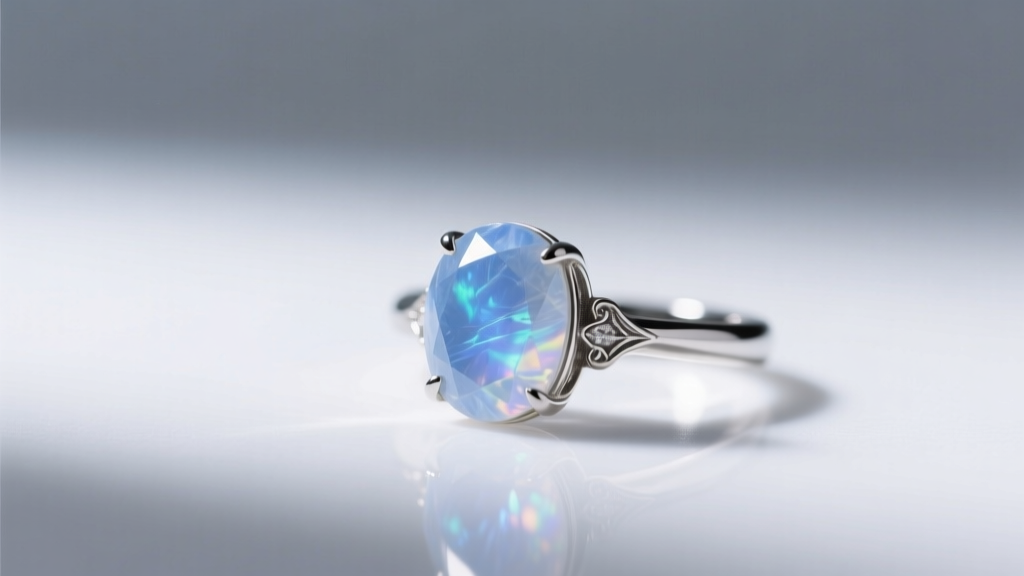
Moonstone Engagement Rings Mystical Blue Sheen
Moonstone engagement rings have a way of stopping people mid-sentence. One second you’re looking at a soft, milky gemstone; the next, a cool blue sheen glides across the surface like moonlight on water. That signature glow—called adularescence—is what makes moonstone feel romantic, personal, and a little bit magical, especially for couples who want something beyond the traditional diamond solitaire.
For modern brides and grooms, moonstone speaks to two big engagement ring trends: meaningful gemstones and individual style. It fits beautifully into vintage-inspired settings, minimalist bezels, and nature-themed designs, and it pairs well with wedding bands ranging from plain gold bands to diamond-studded stackers. The key is understanding what moonstone is (and isn’t), how to judge quality, and how to choose a setting that protects it for everyday wear.
This guide breaks down moonstone quality, best metals and settings, popular styles, pricing, care, and the most common shopping mistakes—so you can choose a moonstone engagement ring that’s both beautiful and practical.
What Makes Moonstone So Special?
Adularescence: The “Blue Sheen” Everyone Wants
Moonstone is a feldspar gemstone. Its famous glow comes from light scattering between thin internal layers, producing a floating sheen that can appear blue, white, or silvery. The most sought-after look is a bright blue adularescence that moves across the stone as you tilt it. A high-quality moonstone often shows a concentrated blue flash over the center rather than a faint haze only at the edges.
Color, Transparency, and Body Tone
Moonstone ranges from transparent to opaque with body tones from colorless to creamy white, peach, gray, and even greenish. For engagement rings, the most popular choices are:
- Colorless to near-colorless with blue sheen (classic, high-demand look)
- Creamy white with softer sheen (warm, vintage-friendly)
- Peach moonstone (romantic, earthy, flattering in yellow/rose gold)
More transparency usually helps the sheen look crisp and luminous. Very cloudy stones can still be pretty, but the “moon glow” may look diffuse rather than clean and floating.
Moonstone Durability: What Couples Should Know
Moonstone is beautiful, but it’s not as hard as sapphire or diamond. On the Mohs scale of hardness, moonstone typically falls around 6 to 6.5. That means it can scratch, abrade, or chip if worn without protection—especially for hands-on lifestyles.
That doesn’t mean moonstone can’t be an everyday engagement ring stone. It simply means the setting choice matters, and care habits matter even more. If you work with your hands, lift weights daily, rock climb, garden often, or work in healthcare, you’ll want a highly protective setting and a realistic plan for when you’ll remove the ring.
Best Cuts and Shapes for Moonstone Engagement Rings
Cabochon: The Timeless Classic
The most common and often most flattering cut for moonstone is the cabochon—a smooth, domed top with a flat or slightly rounded base. Cabochons showcase adularescence beautifully and can visually soften the stone’s inclusions. They also fit vintage and boho engagement ring styles perfectly.
Faceted Moonstone: Modern and Sparkly (with Tradeoffs)
Faceted moonstone exists, but it’s less common because moonstone doesn’t behave like diamond when it comes to sparkle. Faceting can look striking in contemporary designs, yet the facets may show wear sooner. If you love this look, prioritize a protective setting and consider reserving the ring for lighter daily use.
Popular Shapes
- Oval moonstone engagement rings: elongating on the finger, great for halos and three-stone designs
- Round: classic proportions, easy to match with wedding bands
- Pear: romantic and slightly dramatic, especially with a halo
- Marquise: trendy-meets-vintage; looks beautiful with leaf-like side stones
- Emerald or cushion: more structured; best when the stone has strong sheen and good clarity
Choosing the Right Setting: Beauty Meets Protection
Bezel Settings (Best for Everyday Wear)
A bezel setting wraps a rim of metal around the stone’s edge, shielding it from knocks and reducing the risk of chipping. Bezel moonstone engagement rings are one of the smartest choices for durability. They also lean modern, clean, and minimal—perfect if you want a unique stone with a practical build.
Prong Settings (Choose Wisely)
Prong settings can look airy and classic, but they expose the stone’s edges. If you prefer prongs, look for:
- Thicker prongs or double prongs at stress points
- Low-profile designs that sit closer to the finger
- Protective gallery rails or a partial bezel
Halo and Three-Stone Designs
Halo rings are trending and practical for moonstone: a halo can visually enlarge the center stone and add a protective perimeter (depending on construction). Three-stone rings feel timeless and symbolic, and they can help balance a soft-glowing moonstone with extra sparkle from side stones like diamonds or moissanite.
Band and Craftsmanship Details That Matter
Look for a band that’s strong enough for long-term wear. For most engagement rings, a minimum 1.8–2.0 mm width and 1.6–2.0 mm thickness is a good baseline, especially for softer gemstones. Ask about:
- Solid metal vs. hollow designs
- Hand-finished prongs and smooth edges
- Stone security (how the gem is seated and protected)
Best Metals for Moonstone Engagement Rings
14K vs. 18K Gold
14K gold is a favorite for engagement rings because it’s more scratch-resistant than 18K due to its higher alloy content. 18K gold has a richer color but is slightly softer. Both can be excellent choices—14K is often the better value for daily wear.
Yellow Gold
Yellow gold brings warmth to creamy and peach moonstones and creates a vintage look that pairs well with engraved bands and milgrain details.
White Gold and Platinum
White metals emphasize moonstone’s cool blue sheen. Platinum is durable and naturally white, while white gold is typically rhodium-plated and may need occasional re-plating over time.
Rose Gold
Rose gold is romantic and on-trend, especially with peach moonstone or floral-inspired settings. It’s also flattering across many skin tones and pairs nicely with curved wedding bands.
Quality Factors: How to Pick a Beautiful Moonstone
- Sheen strength: prioritize a bright, noticeable glow—ideally blue—visible in normal lighting
- Sheen placement: centered sheen often looks more refined than edge-only flashes
- Clarity: some inclusions are normal; avoid stones with obvious cracks or weak spots near the surface
- Cut symmetry: especially for cabochons—look for an even dome and balanced shape
- Surface polish: a high polish helps the glow look “floating” rather than dull
If you’re shopping online, look for videos under different lighting and angles. A single still photo can’t capture how adularescence moves.
Moonstone Engagement Ring Styles: Trends and Timeless Favorites
Trending Now
- Bezel-set ovals with thin, minimalist bands
- Celestial motifs (stars, moons, sunbursts) with moonstone centers
- Salt-and-pepper diamond or moissanite accents for contrast
- East-west settings for ovals and marquise shapes
Timeless Classics
- Vintage-inspired halos with milgrain edges
- Three-stone rings with tapered side stones
- Solitaire cabochons with a sturdy band and low profile
Price Range and Value Tips
Moonstone is generally more affordable than diamond, sapphire, or emerald, but pricing varies with sheen quality, size, and craftsmanship. As a broad guide:
- $150–$500: smaller stones, softer sheen, simpler settings, often sterling silver or lightweight gold designs
- $500–$1,500: stronger blue sheen, solid 14K gold settings, better construction, popular engagement ring styles
- $1,500–$4,000+: top-tier moonstones with vivid blue adularescence, premium hand-crafted settings, diamond halos or custom work
Value tip: put your budget into setting quality and a protective design first. A well-made bezel or sturdy halo can make a mid-priced moonstone ring feel luxe—and last longer—than a delicate design with a higher-priced stone.
Care and Maintenance for Moonstone Rings
- Remove your ring for workouts, cleaning, gardening, swimming, and any activity where it can be knocked or exposed to chemicals.
- Clean gently with warm water, mild soap, and a soft brush or cloth. Rinse well and pat dry.
- Avoid ultrasonic and steam cleaners; they can damage softer gems and loosen settings.
- Store separately in a soft pouch or lined box to prevent scratches from harder gemstones.
- Schedule inspections every 6–12 months to check prongs, bezels, and any pavé stones.
Common Mistakes to Avoid When Shopping
- Choosing a high-profile prong setting because it looks “diamond-like.” Moonstone benefits from low, protective designs.
- Buying based on a single photo. Always look for videos or multiple angles to judge the blue sheen.
- Going too thin on the band. Ultra-delicate shanks can bend, risking stone loss or damage.
- Assuming all moonstones are equal. Sheen strength and polish vary dramatically from stone to stone.
- Ignoring lifestyle fit. If you’re rough on jewelry, consider a bezel and a backup “travel ring,” or choose a harder gem for daily wear and keep moonstone for special occasions.
FAQ: Moonstone Engagement Rings
Are moonstone engagement rings suitable for everyday wear?
They can be, especially with a bezel or protective halo and mindful wear habits. Moonstone is softer than many traditional engagement stones, so it’s best for couples willing to remove the ring during hands-on activities and keep up with routine inspections.
What is the best metal for a moonstone engagement ring?
14K gold and platinum are excellent choices for durability. White metals highlight the blue sheen, while yellow and rose gold create a warmer, vintage feel. Choose based on your style and how hard you are on jewelry.
Do moonstones scratch or chip easily?
Moonstones can scratch over time and may chip if hit on an edge, particularly in exposed prong settings. A bezel setting and careful wear go a long way in preventing damage.
How do I match a wedding band to a moonstone engagement ring?
For solitaires and bezels, a straight band often sits nicely. For larger settings or halos, you may prefer a contoured or curved wedding band that hugs the ring. If you want sparkle, consider a diamond or moissanite band—just make sure it won’t rub against the moonstone.
Is moonstone a good alternative to diamond?
Moonstone is a beautiful, meaningful alternative if you’re drawn to its glow and symbolism, and if you’re comfortable with a bit more maintenance. If you want maximum hardness and worry-free daily wear, look at sapphire or moissanite instead.
What should I look for in a high-quality moonstone?
Prioritize a strong, centered blue sheen, good polish, and a well-cut shape. Avoid stones with visible cracks, very dull surfaces, or weak sheen that only appears under intense lighting.
Next Steps: Choosing Your Moonstone Ring with Confidence
If you’re captivated by that mystical blue sheen, moonstone can make a breathtaking engagement ring—especially when it’s set thoughtfully and built for real life. Start by choosing your preferred glow (blue, silvery, or peach), then prioritize a protective setting, a durable metal like 14K gold or platinum, and craftsmanship that feels solid in the hand. With the right design and simple care habits, your moonstone engagement ring can stay luminous for years of proposals, wedding photos, and everyday moments.
Explore more engagement ring and wedding band guides on weddingsift.com to compare gemstones, settings, and timeless styles before you make your final choice.
More Articles
 How to Wear Wedding Set: 7 Rules You’re Breaking
 Can You Use Engagement Ring as Wedding Band?
 Wedding Rings Gold or Silver? The Truth (2026)
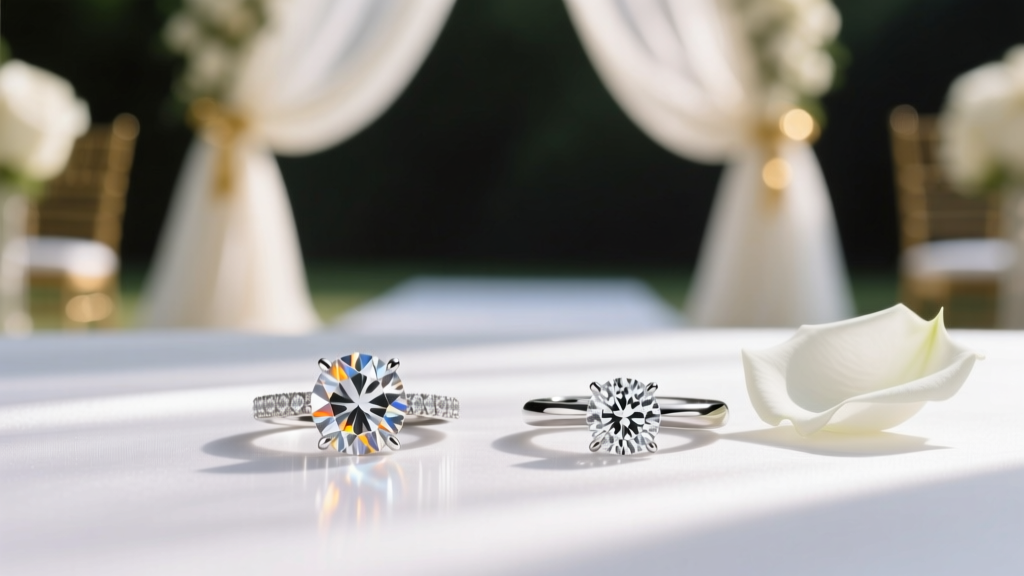 Moissanite vs Diamond
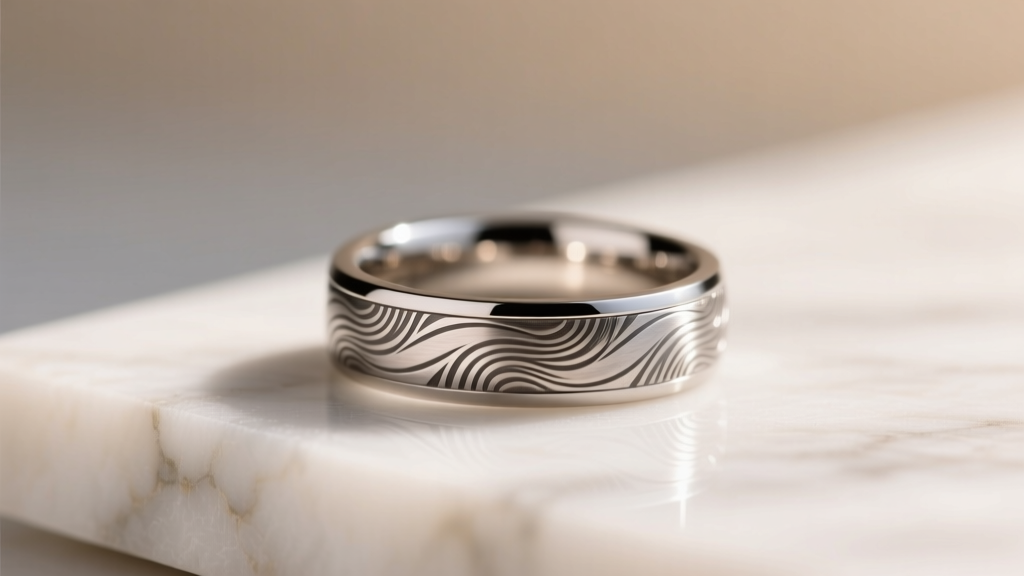 How to Choose a Wedding Band With a Damascus Steel Pattern
 Ring Sizing Tips You Can Do at Home Accurately
 Essential Jewelry Making Tools Guide
 Realistic Wedding Bands Drawing: Step-by-Step (2026)
 How to Protect Your Rings During Daily Activities
 Lab Diamond vs Moissanite: Honest Comparison