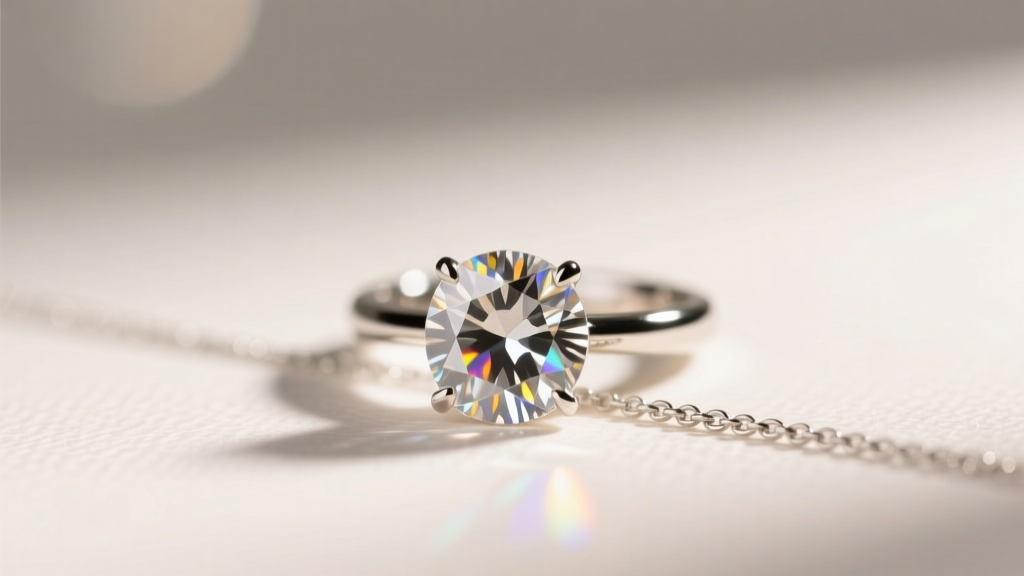
Zircon Engagement Rings Natural Sparkle Alternative
When couples start shopping for an engagement ring, the conversation often revolves around diamonds, moissanite, and lab-grown stones. Yet there’s another gem with a long history, a naturally brilliant look, and a personality all its own: zircon. A zircon engagement ring can deliver that “wow” sparkle many people associate with diamonds—often with a warmer, more distinctive character and a friendlier price tag.
Zircon also comes with a twist: many shoppers confuse it with cubic zirconia (CZ), a man-made diamond simulant. Natural zircon is a real gemstone with its own geology, optical properties, and range of colors. If you love the idea of a bright, elegant center stone but want something less expected than a traditional diamond engagement ring, zircon is worth a closer look.
This guide breaks down what makes zircon special, how to pick a high-quality stone, the best settings and metals for everyday wear, and the real-world pros and cons so you can shop confidently for an engagement ring or matching wedding band.
What Is Zircon (and How Is It Different from Cubic Zirconia)?
Natural zircon is a mineral gemstone (zirconium silicate) found in locations like Cambodia, Sri Lanka, Myanmar, and parts of Australia and Africa. It’s one of the oldest minerals on Earth, and fine zircon has been used in jewelry for centuries.
Cubic zirconia (CZ), on the other hand, is a laboratory-created material designed to imitate diamond. CZ can look very bright at first, but it’s a completely different stone with different durability and optical behavior.
Quick comparison: Zircon vs. CZ vs. Diamond
- Zircon: Natural gemstone; high brilliance and strong fire; Mohs ~6–7.5 depending on type; can show “doubling” (facet edges may look slightly doubled in some stones).
- CZ: Man-made; initially very sparkly; Mohs ~8–8.5 but can abrade and cloud with wear; often lower long-term polish retention than diamond/sapphire.
- Diamond: Natural or lab-grown; Mohs 10; exceptional wear resistance and polish retention; classic engagement ring benchmark.
Why Choose a Zircon Engagement Ring?
1) Bright, lively sparkle (brilliance and fire)
Fine zircon is known for strong brilliance (white light return) and attractive fire (colored flashes). A well-cut zircon can look crisp and energetic in daylight and dramatic under warm indoor lighting—great for anyone who wants noticeable sparkle without automatically choosing a diamond.
2) Naturally occurring and often more budget-friendly
Because zircon isn’t as heavily marketed as diamonds, many shoppers are pleasantly surprised by the value. You can often afford a larger center stone or invest in higher-quality craftsmanship—like a platinum setting or a custom halo—while keeping the total ring budget under control.
3) Unique color options beyond “diamond white”
While “white” (colorless) zircon is popular for engagement rings, zircon also appears in champagne, honey, blue, green, and warm earth tones. This fits current engagement ring trends leaning toward personalized, non-traditional center stones while still looking timeless when set in classic solitaires.
Zircon Colors and Popular Looks
Colorless/white zircon
Colorless zircon is the closest visual alternative to a diamond engagement ring. It can appear bright and crisp, though it may show more rainbow fire than some diamonds. Many couples choose white zircon in a solitaire engagement ring or a delicate hidden halo to keep the look clean and classic.
Blue zircon
Blue zircon is one of the most loved varieties, ranging from icy sky blue to deeper teal. It pairs beautifully with white metals like platinum and white gold, and it’s a strong choice for couples who want color without going as dark as sapphire.
Champagne and warm tones
Champagne zircon looks especially elegant in yellow gold or rose gold settings. Warm zircon shades align with the trend toward vintage-inspired rings, milgrain detailing, and antique-style cuts.
Quality Factors: How to Choose a Great Zircon
Cut: The biggest driver of sparkle
Zircon’s beauty depends heavily on cut quality. Look for symmetrical facets, even brightness across the face, and minimal “windowing” (a see-through area in the center when the stone is viewed from the top). Popular engagement ring cuts include:
- Round brilliant: Timeless and sparkly; easy to match with most wedding bands.
- Oval: Elongates the finger; very on-trend; looks stunning with a halo or tapered shoulders.
- Cushion: Soft corners with a romantic feel; great for vintage-style settings.
- Emerald cut: Sleek, mirror-like flashes; choose a cleaner stone since inclusions can be more visible.
- Pear: Elegant and distinctive; best secured with a protective prong at the tip.
Clarity: Eye-clean is the goal
Many zircons can be eye-clean, but inclusions vary by origin and color. For an engagement ring you’ll wear daily, prioritize a stone that looks clean to the naked eye and doesn’t have fractures near the edges (which can be more vulnerable under prongs).
Color: Choose what you love, then check face-up appearance
With white zircon, you want a bright, lively look that doesn’t read overly gray or brown in normal lighting. With blues and champagnes, look for a color that stays attractive indoors as well as outdoors.
Carat size and proportions
Zircon can look impressive for its weight, but face-up size depends on cut depth. Compare measurements (millimeters), not just carat weight—especially for oval, cushion, and emerald cuts.
Best Metals and Settings for Zircon Engagement Rings
Recommended metals
- Platinum: Premium, durable, naturally white; excellent for prongs and long-term wear.
- 14K gold: Great balance of durability and price; ideal for active lifestyles.
- 18K gold: Rich color and luxury feel; slightly softer than 14K.
Settings that protect the stone
Zircon is beautiful but not as hard as sapphire or diamond, so the setting matters. Strong engagement ring choices include:
- Bezel setting: A metal rim protects the edges; sleek, modern, and very secure.
- Halo setting: Adds sparkle and makes the center appear larger; choose a well-built halo that doesn’t snag.
- Six-prong solitaire: More security than four prongs; a classic look that suits round stones especially well.
- Three-stone ring: Meaningful and balanced; consider side stones in diamonds, moissanite, or white sapphire for durability.
If you love a delicate band, consider a slightly thicker shank than ultra-thin micro bands. It holds up better over years and helps keep your center stone stable.
Current Trends and Timeless Classics
- Trend: Oval center stones with hidden halos and cathedral shoulders for a refined profile.
- Trend: Mixed metals—like a yellow gold band with platinum prongs—so the center looks bright while the ring stays warm and romantic.
- Trend: Vintage-inspired details (milgrain, engraved shanks, floral galleries) paired with colorless zircon for an antique feel.
- Classic: Round solitaire in 14K or platinum with a simple wedding band—clean, elegant, always in style.
Price Range and Value Tips
Zircon engagement rings vary widely based on stone size, quality, metal, and setting complexity. As a general guide:
- Entry-level: $200–$600 for smaller stones or simpler settings (often sterling silver or basic gold designs).
- Mid-range: $600–$1,500 for higher-quality zircon in 14K gold with a secure setting (solitaire, halo, or three-stone).
- Premium: $1,500–$3,500+ for larger fine zircon, custom design, platinum, and diamond accents.
How to get the best value
- Spend on cut and setting security before chasing maximum carat size.
- Choose 14K gold for durability and cost efficiency if platinum stretches the budget.
- Consider a halo if you want a bigger look with a smaller center stone.
- Ask for documentation and purchase from a jeweler who clearly states “natural zircon,” not CZ.
Care and Maintenance for Zircon Rings
With the right care, zircon can stay bright and beautiful for years.
Cleaning
- Use lukewarm water, mild dish soap, and a soft toothbrush.
- Rinse well and dry with a lint-free cloth.
- Avoid harsh chemicals (bleach, chlorine) that can damage metals and dull finishes.
Wear habits
- Remove your zircon engagement ring for gym workouts, heavy lifting, gardening, and cleaning.
- Avoid wearing it in pools or hot tubs (chemicals can be hard on gold alloys and settings).
- Store separately in a soft pouch to prevent scratches from harder gemstones.
Professional checkups
Have a jeweler inspect prongs and settings every 6–12 months, especially if you chose a prong setting. Tight prongs and a stable head are your best defense against accidental loss or chipping.
Common Mistakes to Avoid When Shopping
- Mistaking CZ for zircon: If the listing says “zirconia,” “CZ,” or “cubic,” it’s not natural zircon.
- Choosing an overly delicate setting: Ultra-thin bands and high, exposed prongs can be risky for daily wear.
- Ignoring cut quality: A poorly cut zircon looks dull no matter how big it is.
- Assuming all “white” zircons look the same: Some face up slightly warm or gray; ask for photos/videos in multiple lighting conditions.
- Skipping a matching plan for the wedding band: Halos and cathedral settings may require a contoured or curved wedding band.
FAQ: Zircon Engagement Rings
Is zircon durable enough for an everyday engagement ring?
Zircon can work for daily wear, especially with a protective setting (bezel or secure prongs) and mindful habits. It’s not as hard as diamond or sapphire, so it benefits from careful wear and regular jeweler checkups.
Will zircon look like a diamond?
Colorless zircon can resemble a diamond at a glance because it’s very brilliant, but it often shows stronger fire and may display slight facet “doubling” in certain stones. Many people love zircon precisely because it has its own lively look rather than being a perfect diamond copy.
Does zircon get cloudy over time?
Natural zircon generally doesn’t “turn cloudy” on its own, but it can collect oils and residue like any gemstone. Regular gentle cleaning restores sparkle. Surface wear can happen over years, which is why secure settings and occasional professional polishing checks matter.
What metal looks best with zircon?
Colorless and blue zircon look crisp in platinum or white gold, while champagne and warm tones glow in yellow or rose gold. If you want maximum brightness at the stone, consider platinum prongs even on a yellow gold shank.
What setting is safest for zircon?
A bezel setting offers the most edge protection. If you prefer prongs, a six-prong solitaire or a well-built halo with sturdy prongs is a smart choice for an engagement ring you’ll wear often.
How do I make sure I’m buying natural zircon?
Look for clear labeling (“natural zircon”), ask questions if the wording is vague, and request any available gem identification or appraisal documents. Be cautious with listings that use “zircon” and “zirconia” interchangeably.
Next Steps: Is a Zircon Engagement Ring Right for You?
If you want a naturally occurring gemstone with bright sparkle, a range of romantic colors, and excellent value compared to many traditional options, zircon is a compelling engagement ring center stone. Choose a well-cut, eye-clean zircon, pair it with a durable metal like 14K gold or platinum, and favor settings that protect the stone for confident everyday wear. From classic solitaires to on-trend ovals with hidden halos, zircon fits both modern engagement ring trends and timeless bridal style.
For more guidance on gemstones, ring settings, matching wedding bands, and metal choices, explore additional jewelry guides on weddingsift.com.
More Articles
 Matching Wedding Bands to Your Engagement Ring Style
 Clean Wedding Rings at Home: 5 Safe Methods (2026)
 Cheap vs Premium Wedding Venues Compared
 How to Match Ring with Wedding Attire
 Wedding Ring Cleaning: Metal, Lifestyle & Wear (2026)
 How to Choose a Wedding Band With a Matte Finish
 Stefana Wedding Crowns: Easy DIY with Authentic Symbolism
 Wedding Ring Styling Rules: 7 Mistakes Damaging Your Bands
 Wedding Ring & Band Stacking: 5-Step Guide (2026)
 Opal Engagement Rings Unique Beauty and Fragility